Answer
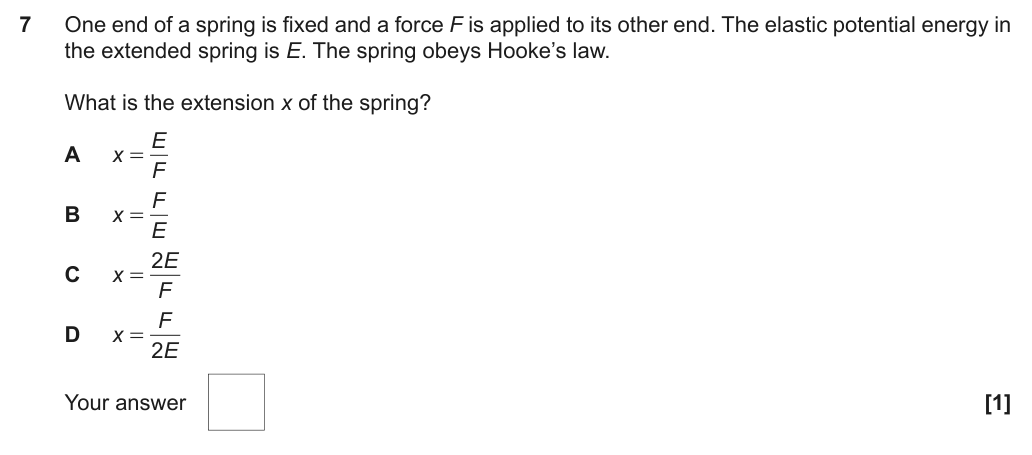
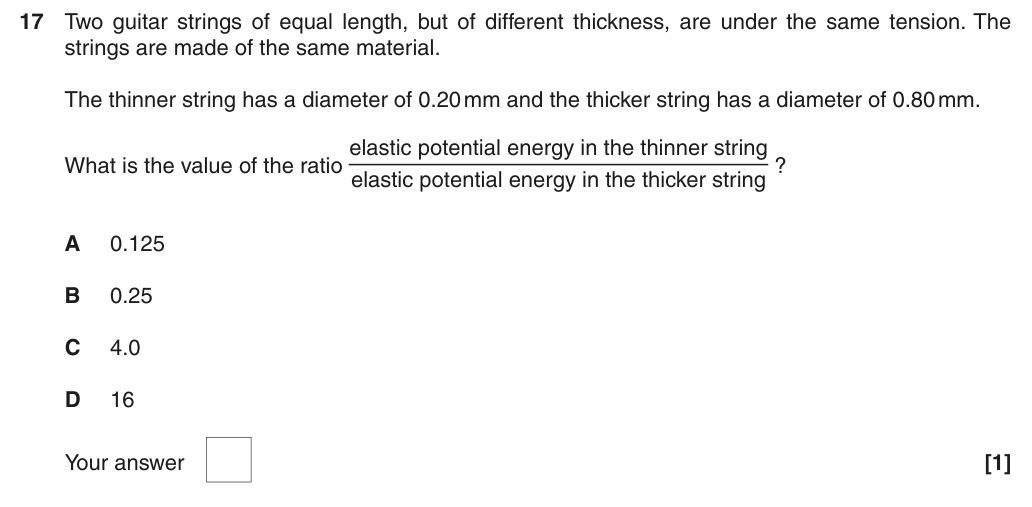
B
Mark scheme

Examiner's comment
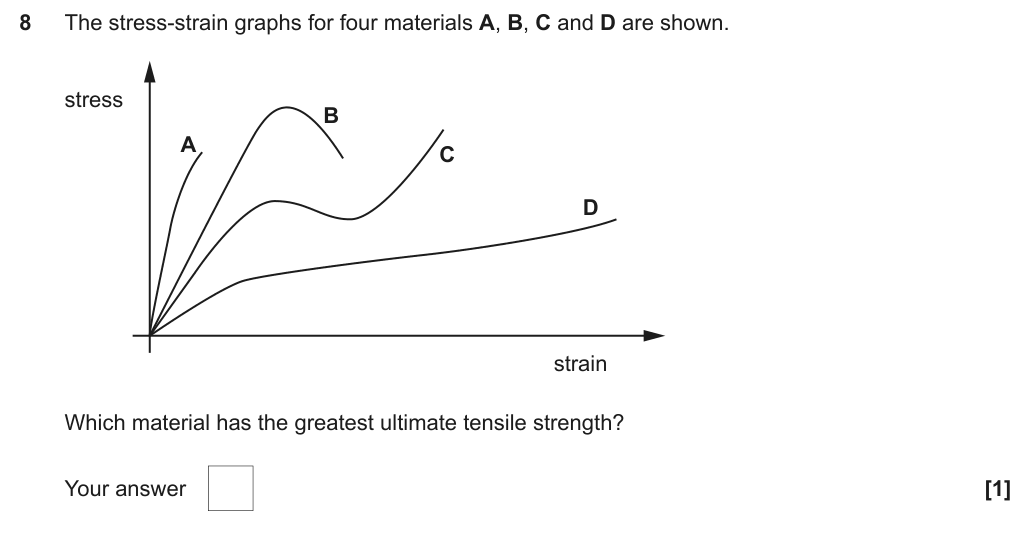
The majority of the candidates correctly identified B. The common distractors were C and D.
| Series | Paper | Q | What it asks |
|---|---|---|---|
| June 2022 | Paper 1 | 18(b) | When the wind speed exceeds 20 m s–1 the ropes securing the tent break. Describe, and explain in terms of forces, how the ropes and the shape of the tent could be |
| June 2019 | AS Paper 2 | 2(a) | (a)* A student is investigating the stretching of materials. Compare materials J and K using Fig. 2.1 and the six terms listed below. |
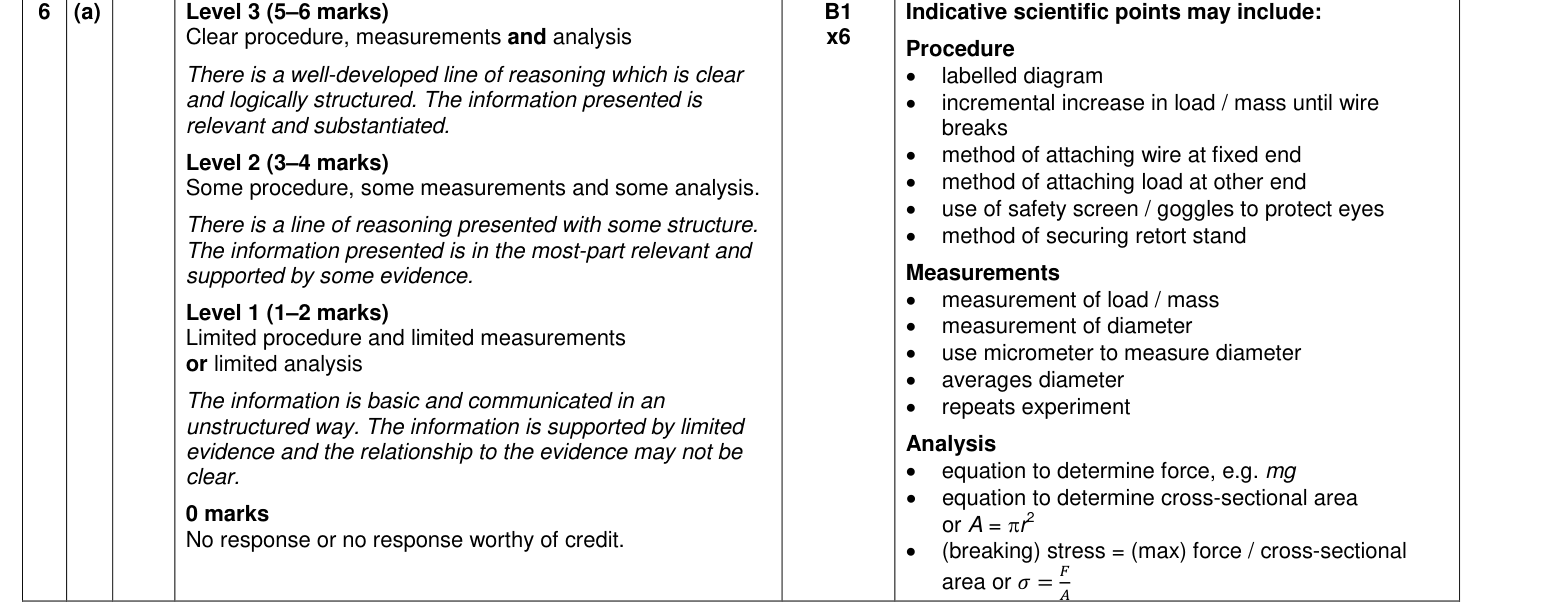
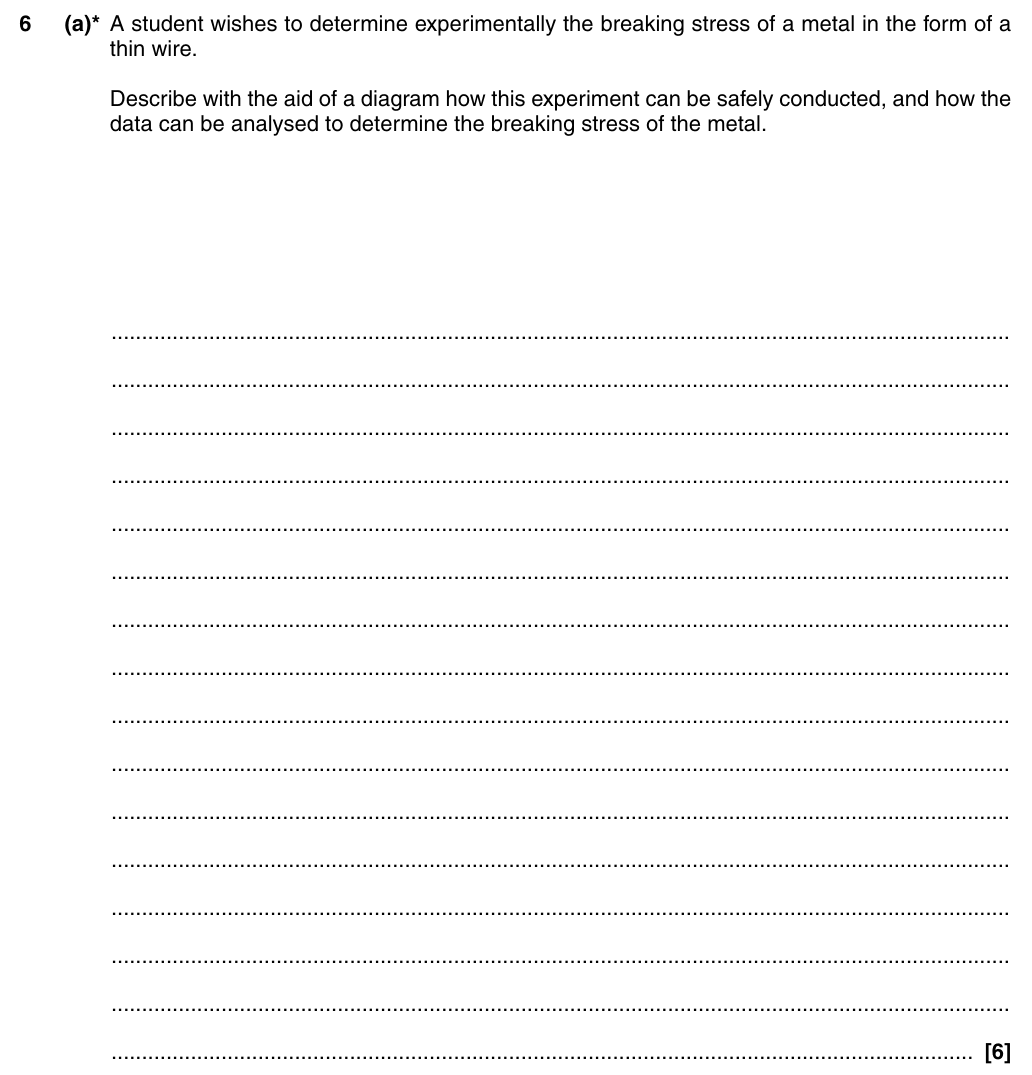
| June 2016 | AS Paper 2 | 6(a) | (a)* A student wishes to determine experimentally the breaking stress of a metal in the form of a Describe with the aid of a diagram how this experiment can be safely conducted, and how the |
B
The majority of the candidates correctly identified B. The common distractors were C and D.
This question was generally well answered. Where errors occurred, it was often not squaring the extension.
Skills: M0.1 Recognise and make use of appropriate units in calculations; M2.3 Substitute numerical values into algebraic equations using appropriate units for physical quantities
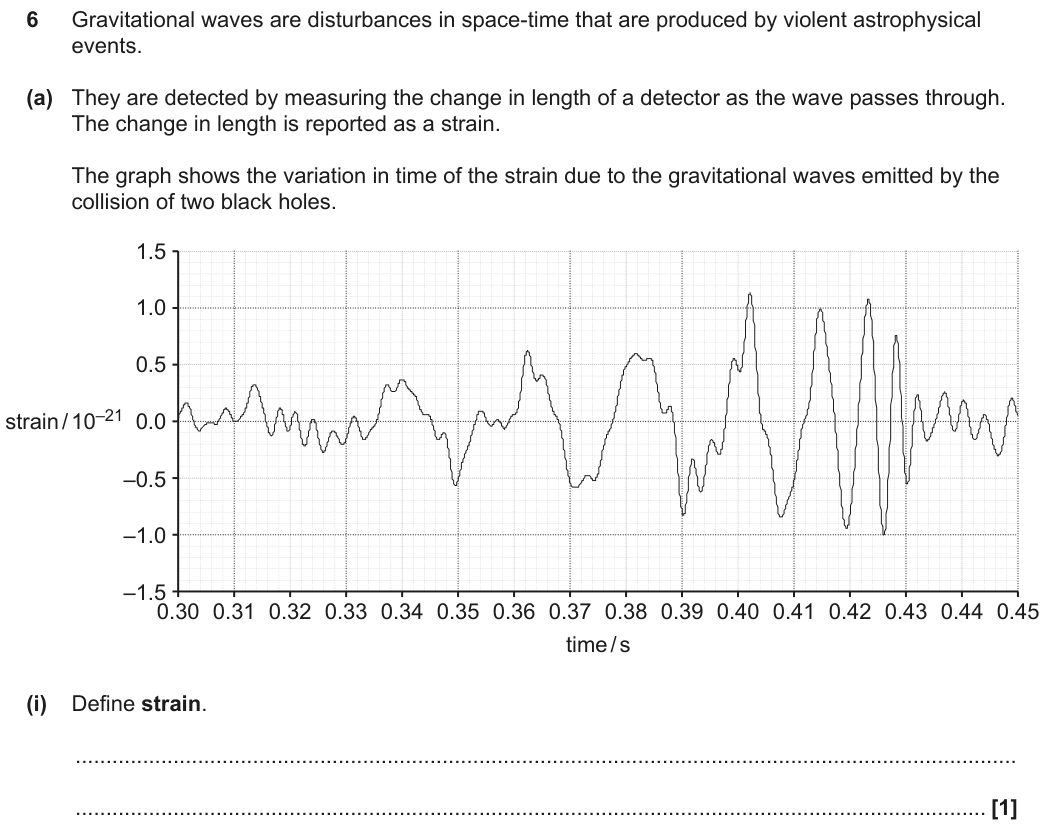
Most responses gained this mark. Many candidates used ‘over’ when they meant ‘divided by’ which was condoned when the remainder of the answer was clear.
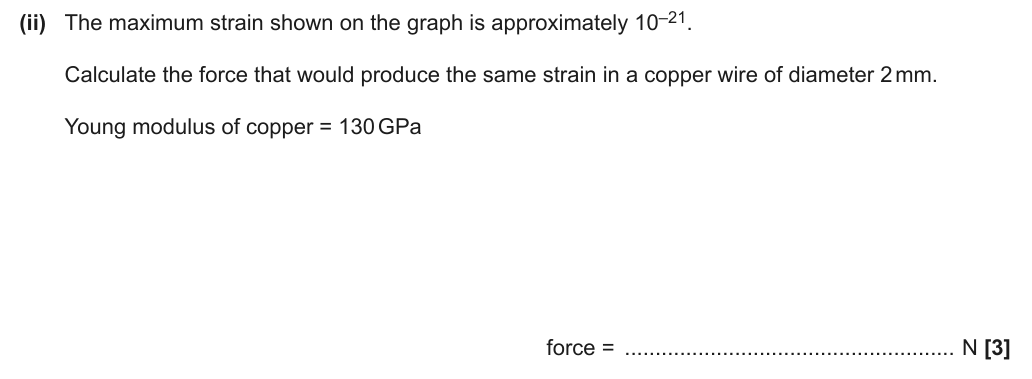
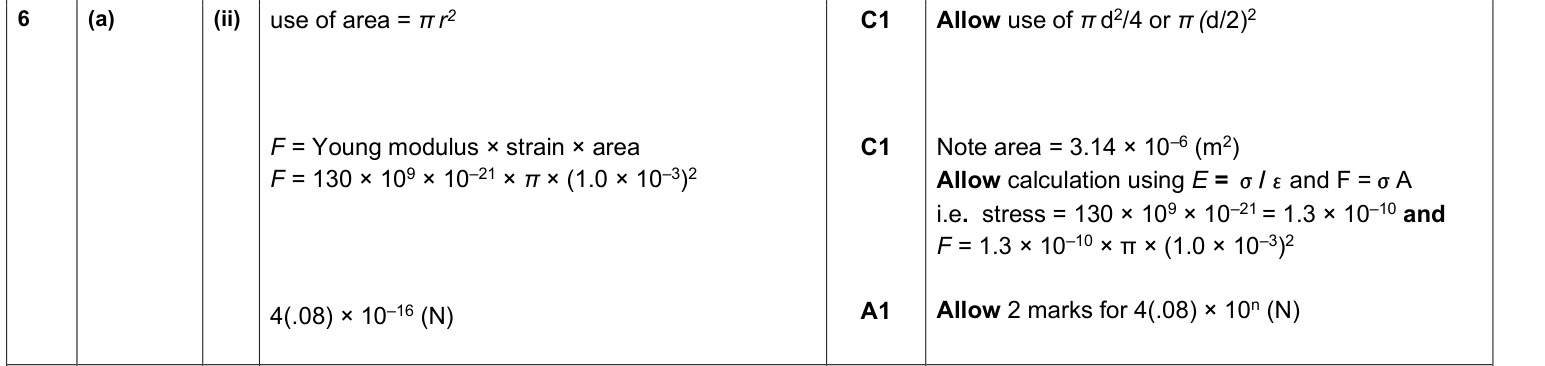
Most candidates gained 3 marks on this question. Common mistakes • using an incorrect power of ten for GPa • using the value for diameter as a radius when calculating area • dividing (Young’s modulus × area) by strain.
Skills: M0.2 Recognise and use expressions in decimal and standard form; M2.2 Change the subject of an equation, including non-linear equations; M4.3 Calculate areas of triangles, circumferences and areas of circles, surface areas and volumes of rectangular blocks, cylinders and spheres
Most candidates gained a mark for recognising that the values were very small. The majority of candidates referred to issues with instrumentation which did not gain credit. Very few candidates gained the second mark for referring to the issue in distinguishing these signals from those caused by other forces.
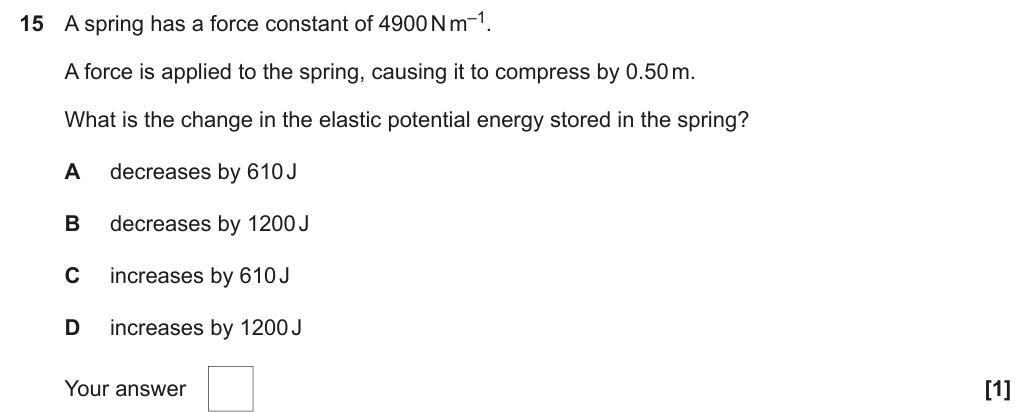
C
Overall, candidates performed well on this question with many correctly calculating the change in elastic potential energy as 610 J. The most common distractor was answer A, with candidates relating compression to a decrease in the change of elastic potential energy rather than an increase in the store of elastic potential energy.
Skills: M2.3 Substitute numerical values into algebraic equations using appropriate units for physical quantities
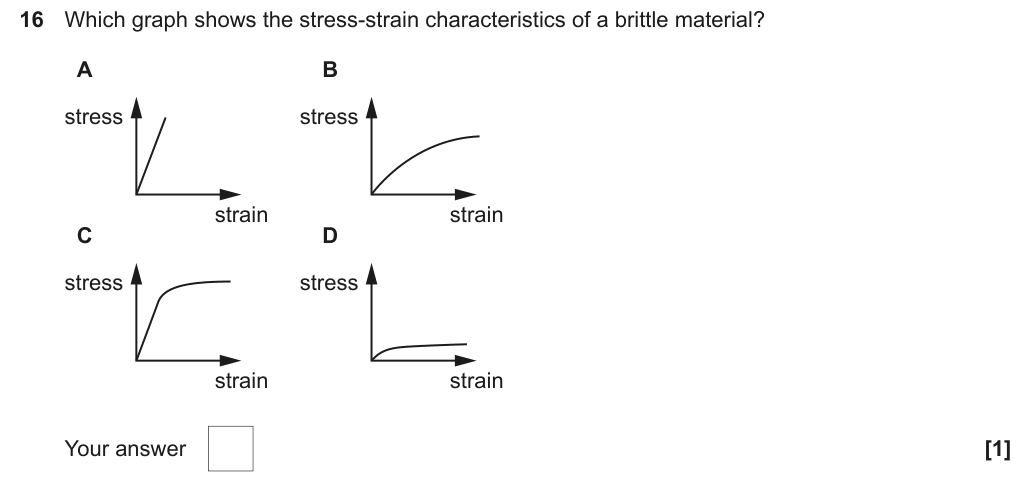
A
Candidates performed well on this question with most candidates correctly identifying graph A as most indicative of the stress-strain characteristics for a brittle material, as brittle materials exhibit minimal plastic deformation and the relationship between stress and strain is linear.
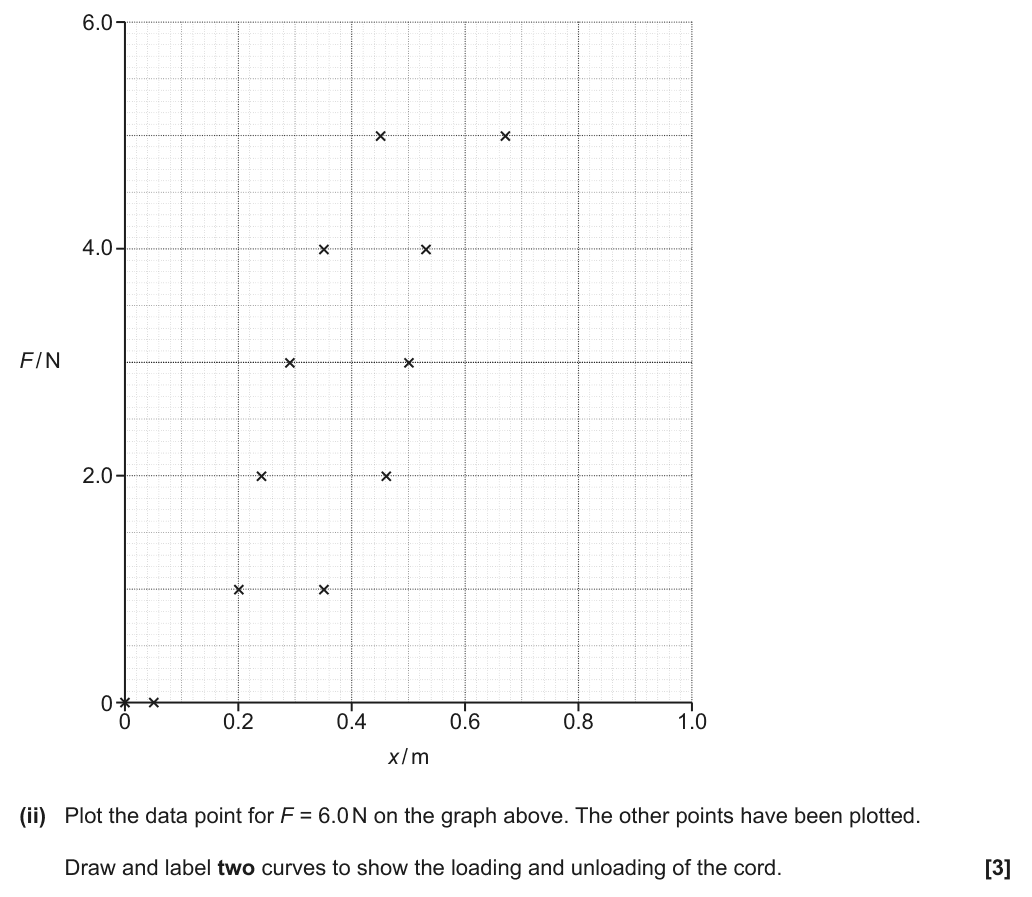
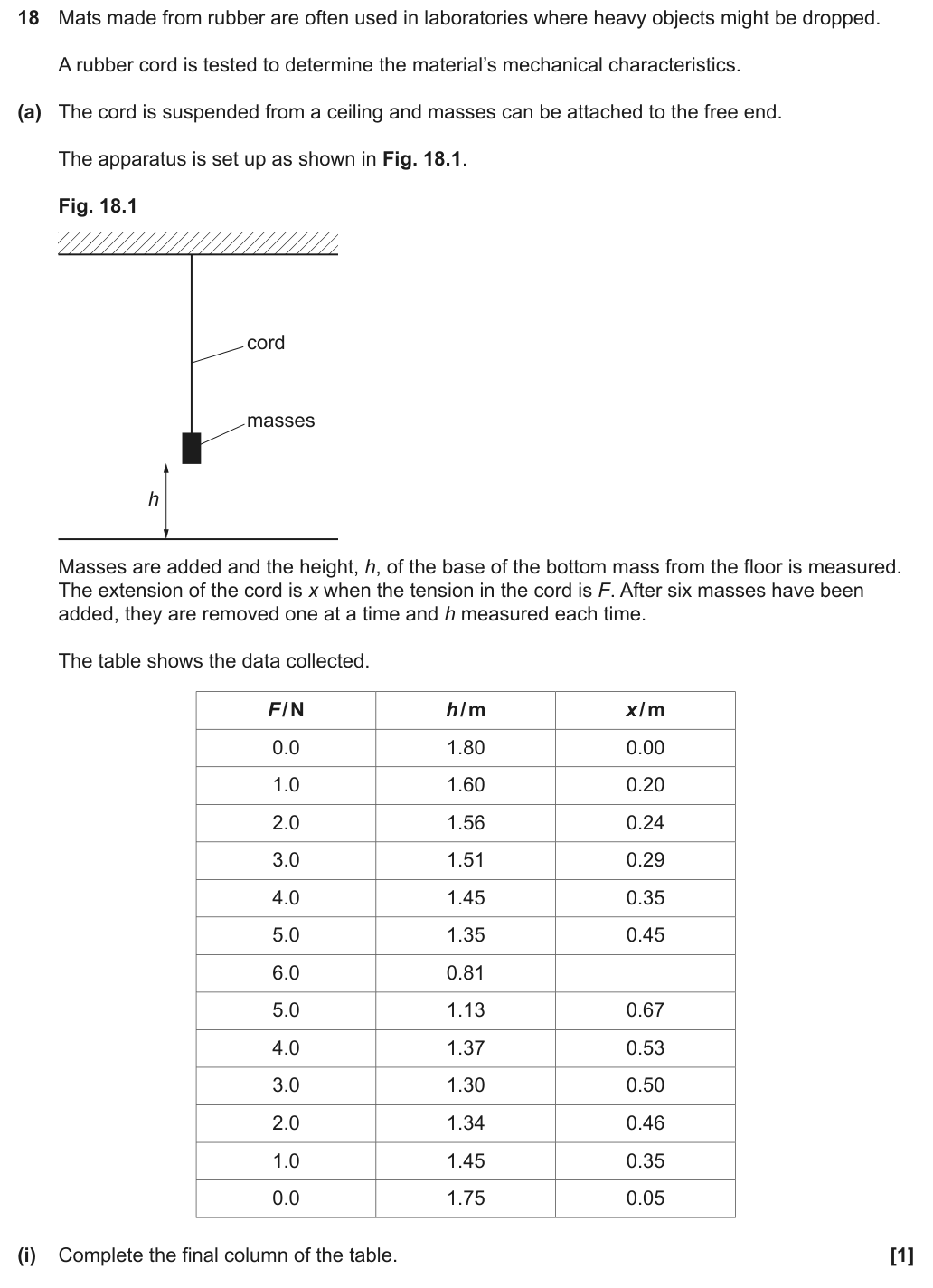
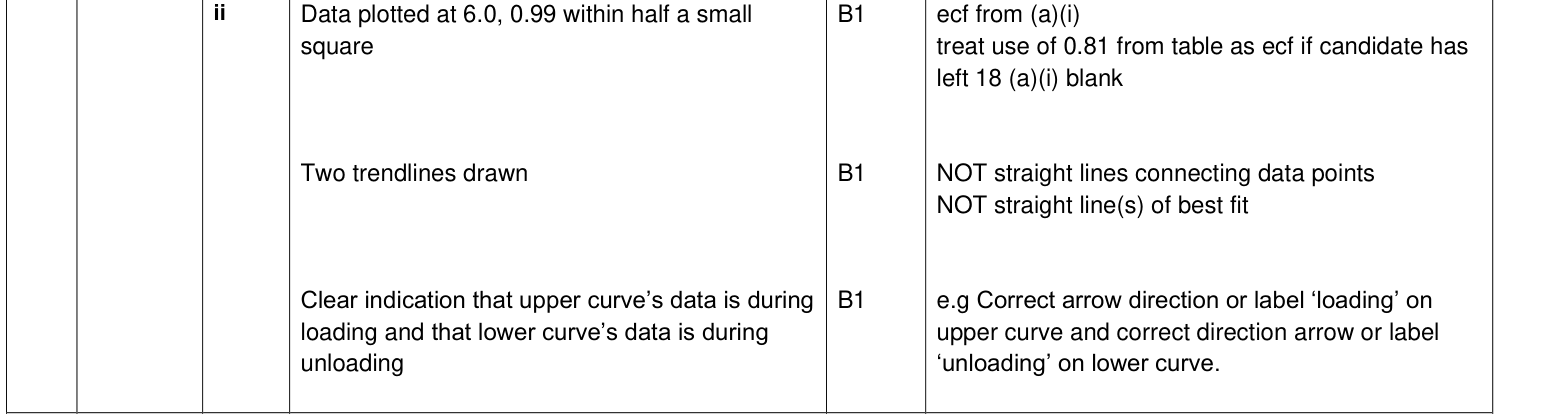
Almost all candidates scored the first mark here, correctly converting the data point they’d calculated in the previous part into graphical form. Candidates drew very good curves, although many lost the final mark for not indicating which curve was which.
Skills: M3.2 Plot two variables from experimental or other data; PAG2 Investigating properties of materials

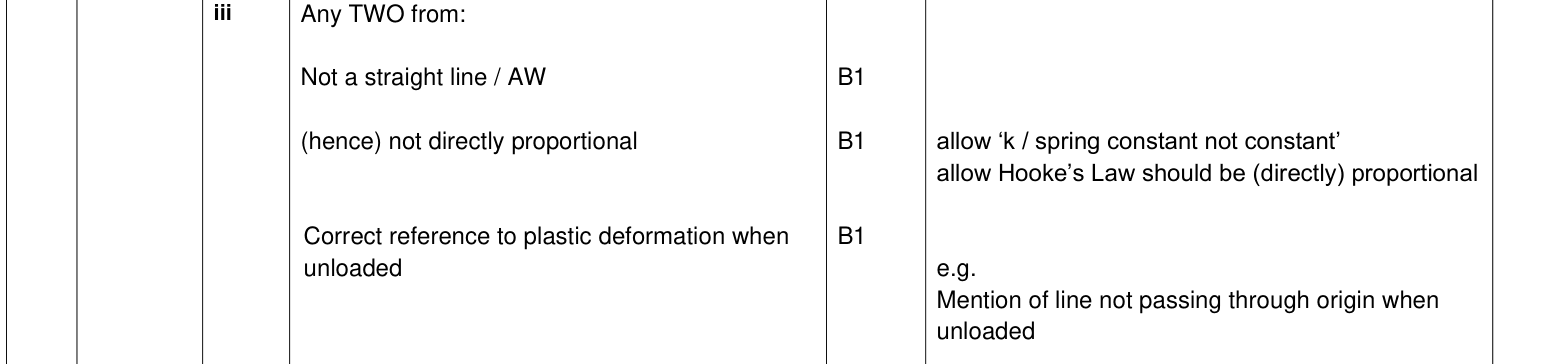
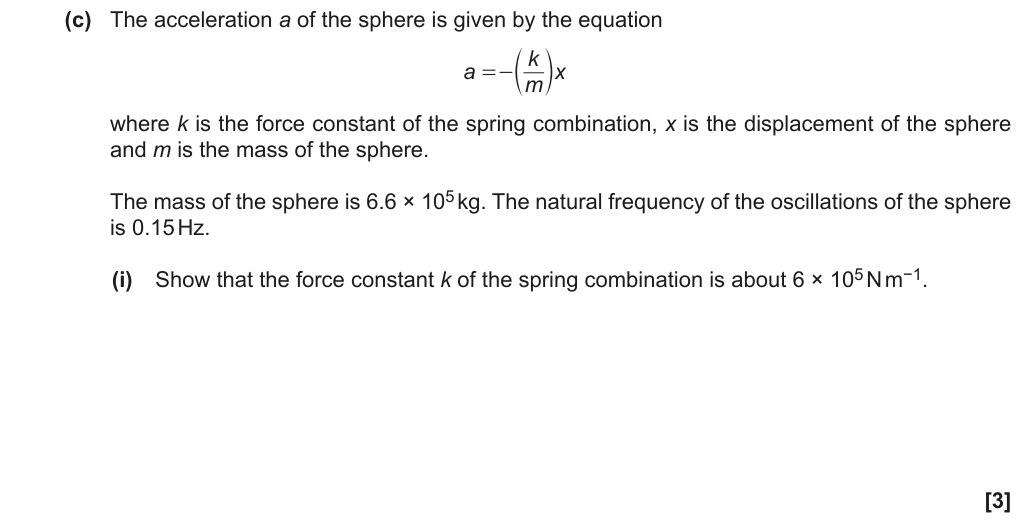
The best way of answering this sort of question is to link what evidence there is in the question - in this case the graph - to what the candidate knows about Hooke’s Law. Here, the lines are clearly not straight, so cannot support an idea that the extension and loading force are directly proportional. When answering questions of this nature, a good start is to describe the trend line (or the relevant graphical feature) and then move on to how this either supports or rejects a particular theory or relationship.
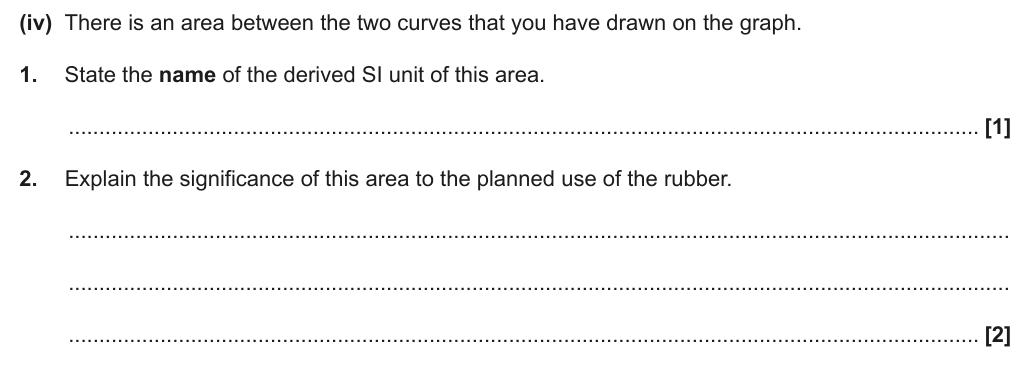
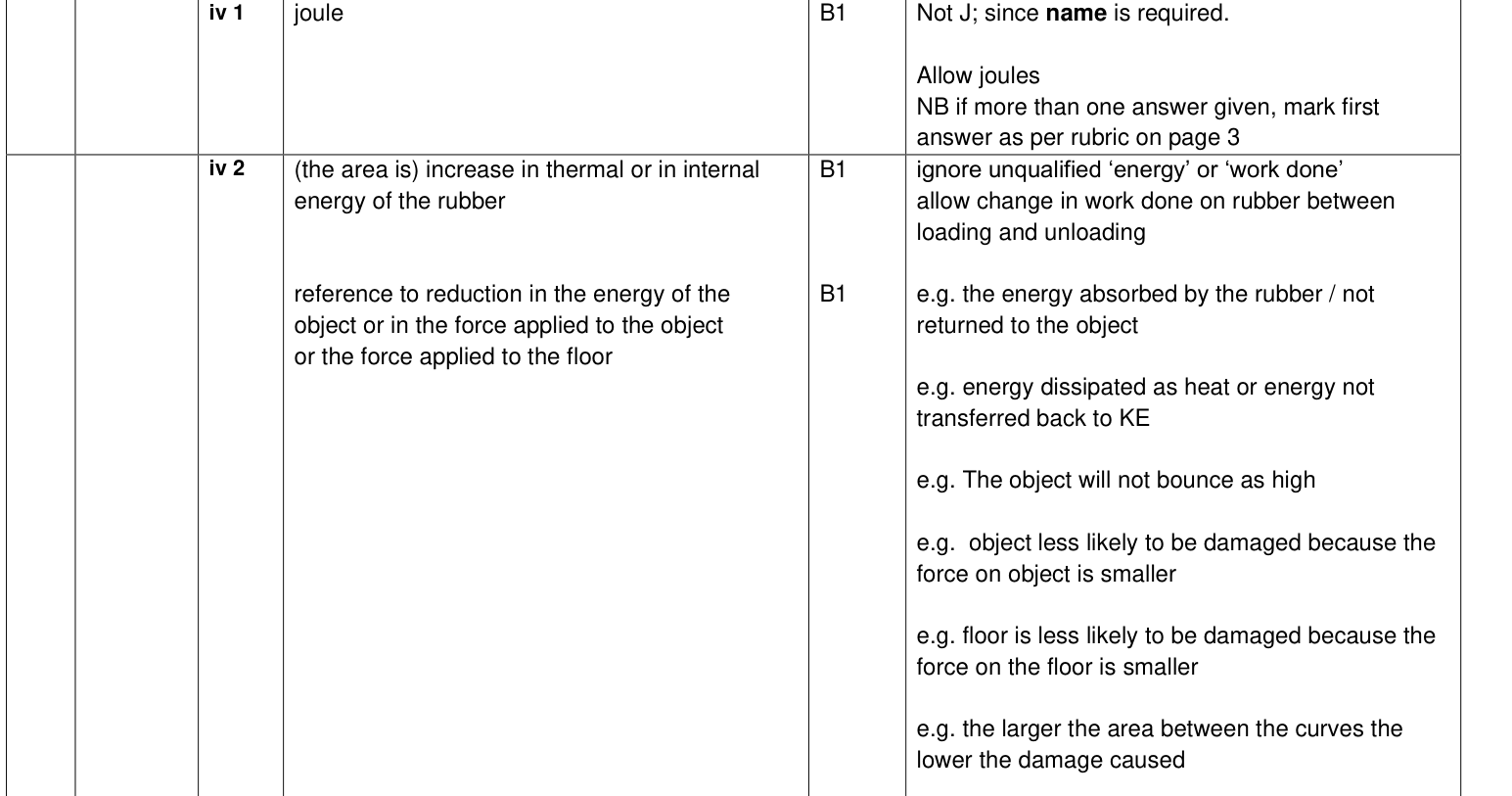
Some candidates stated the quantity (energy) or the base units (kg m2 s-2) or did both. The rubric in the mark scheme is clear: only the first answer is acceptable for this sort of question. The scientific language is subtle here. The area between the two curves is not the work done (which is the area underneath any particular F-x graph) but it is the increase in the object’s internal energy typically as thermal energy, Similarly, the language needed to be suitably scientific for the second marking point, using A Level terminology.
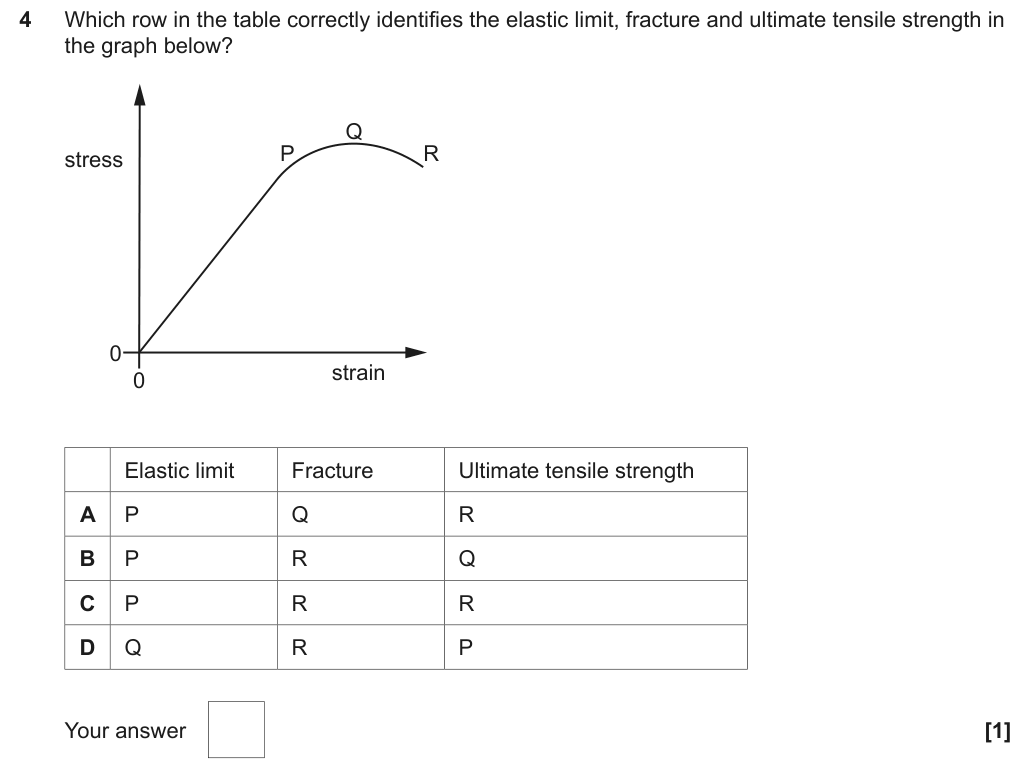
B
Most candidates deduced the correct answer by remembering that the ultimate tensile strength is given by the highest point on the graph, in this case, point Q.
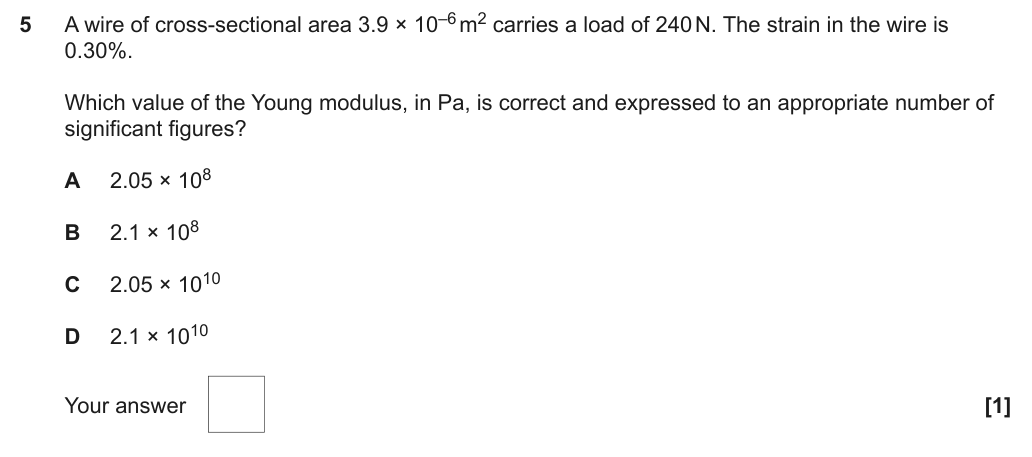
D
Just under half of all candidates got this correct. While the stress, given by force/area was straightforward to calculate, the strain was given as a percentage. This should have been converted to a decimal, i.e. 0.0030 to get the correct value of Young modulus.
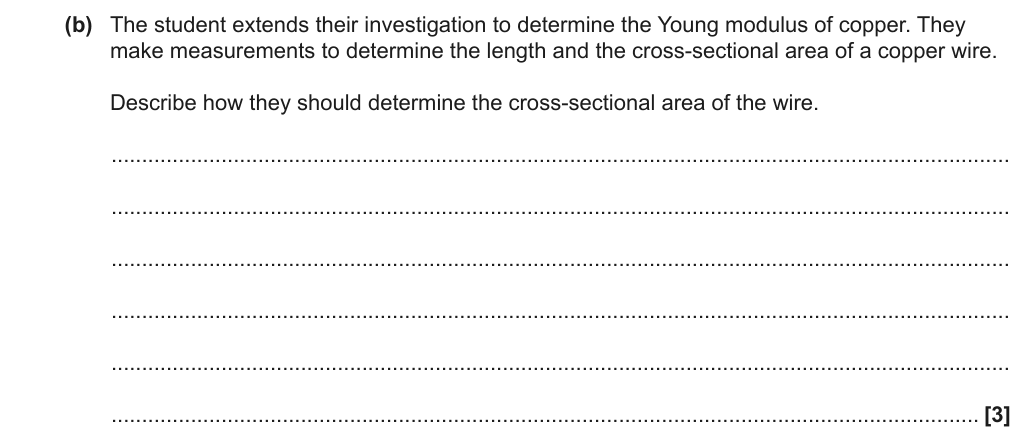
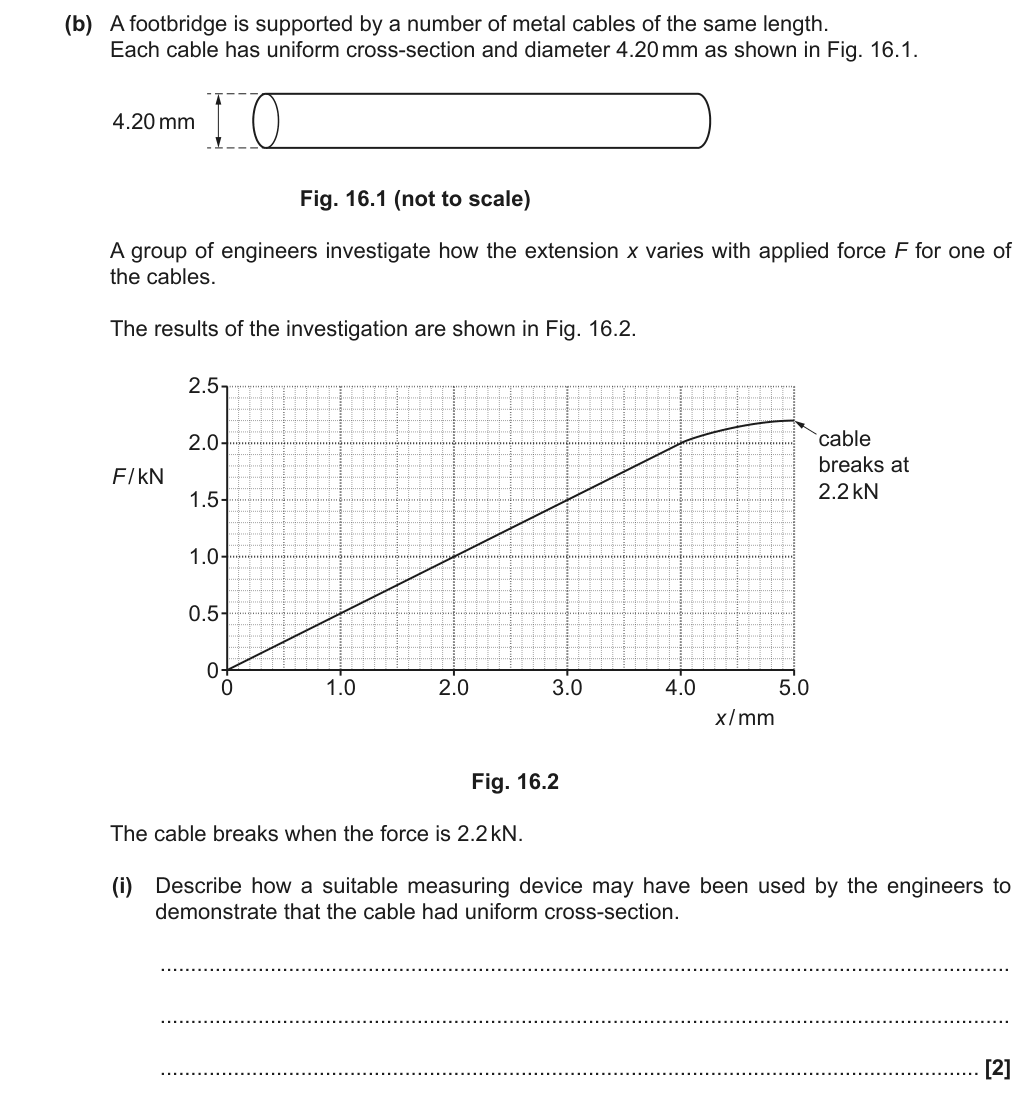
Candidates scored well on this question with about half of candidates being given 3 marks for correctly describing how the cross-sectional area could be determined. About a third of candidates only achieved 2 marks as they didn’t describe that the diameter needed to be measured in different places on the wire rather than just repeat readings. Nearly all candidates were able to identify the correct equipment required to measure the diameter of the wire.
Skills: M4.3 Calculate areas of triangles, circumferences and areas of circles, surface areas and volumes of rectangular blocks, cylinders and spheres; PAG2 Investigating properties of materials
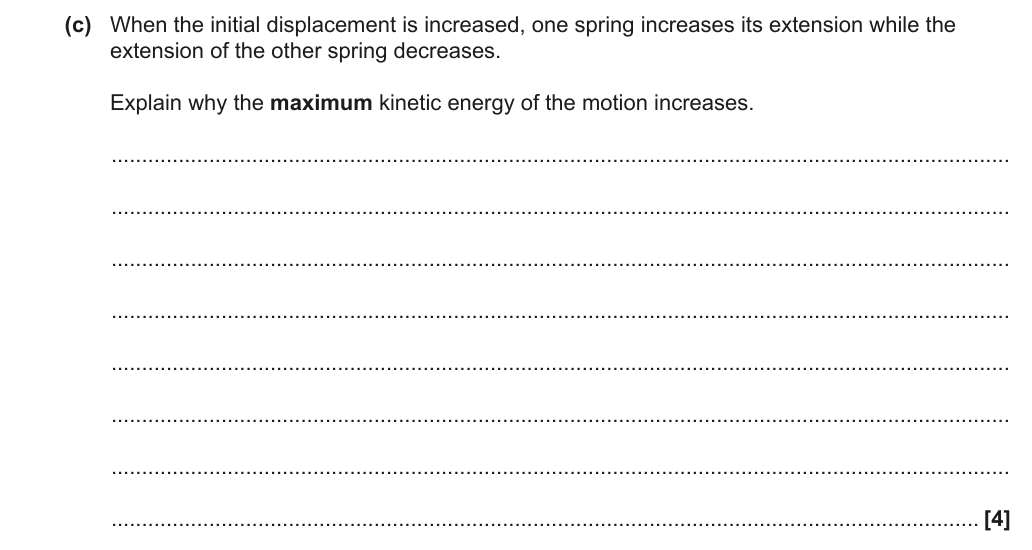
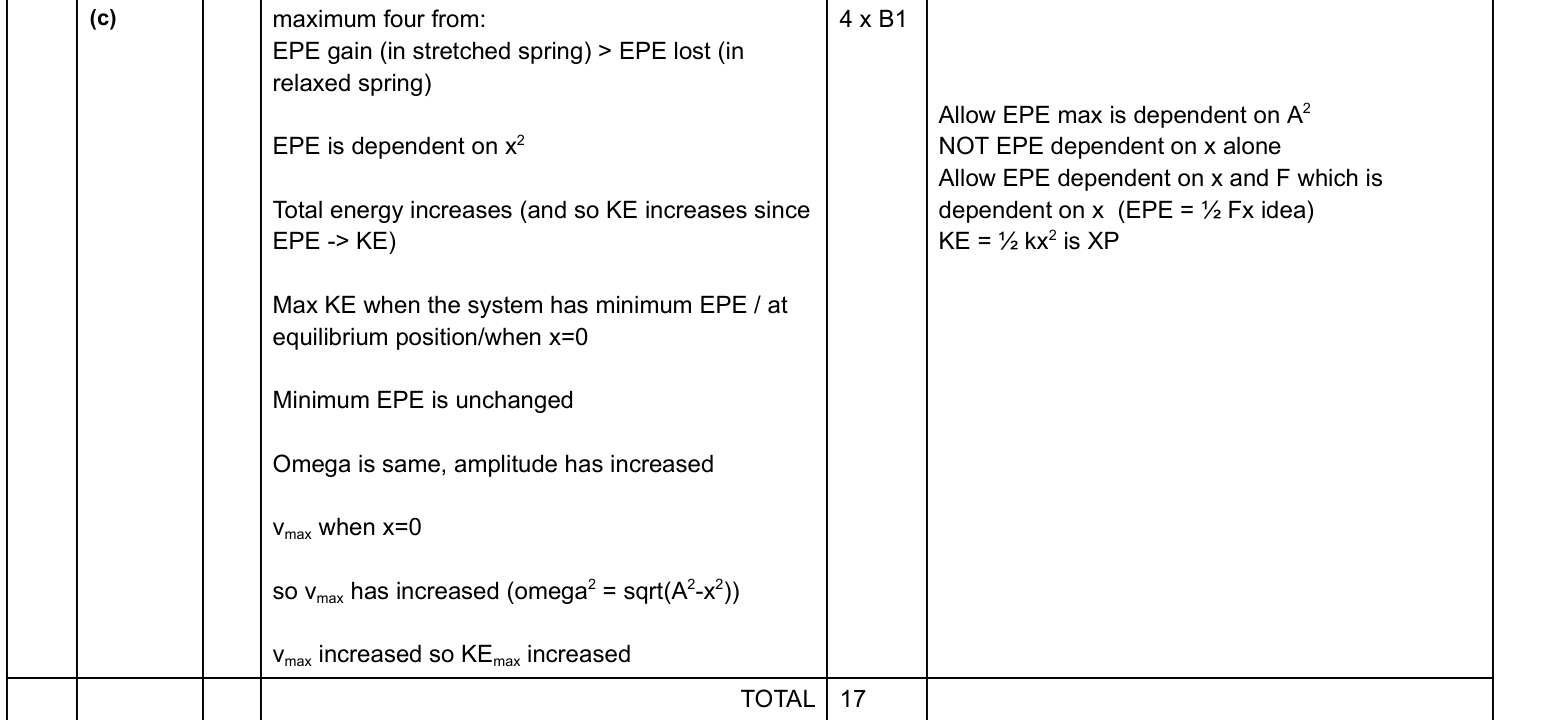
The language around energy and energy transfers is challenging and this question was pitched as a high demand question. Once more, the technical language needed to be relatively accurate for marks to be given. As soon as the glider is displaced, the total elastic potential energy (EPE) is increased. The spring that is longer than at equilibrium stores more energy than before and the spring that is shorter than at equilibrium stores less. Since the amount of EPE is given by ½kx2, the increase in EPE in the longer spring is larger than the decrease in EPE for the shorter spring. A few candidates attempted to prove this algebraically which was not required. Finally, the EPE at equilibrium position is not zero but a minimum. This is why the maximum KE occurs at this point. Some candidates attempted the slightly more accessible route of comparing vmax with the amplitude yet did not mention that the angular velocity was the same, although there was still some credit available.
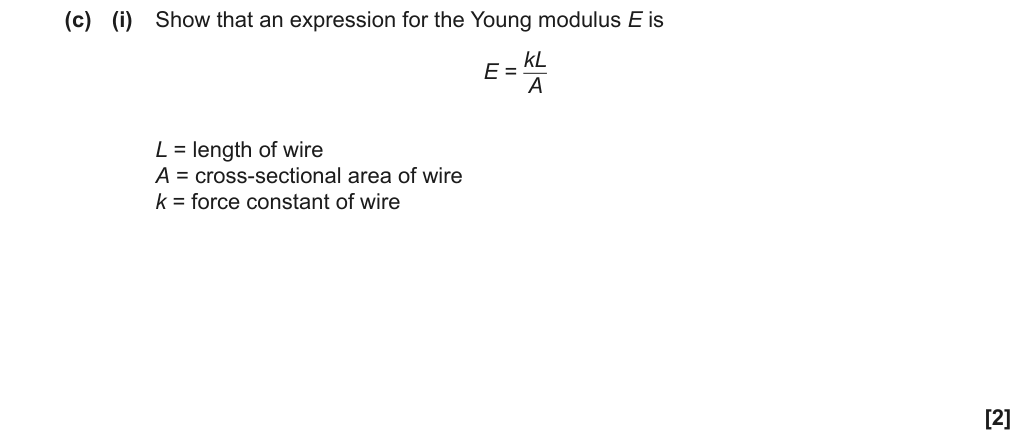
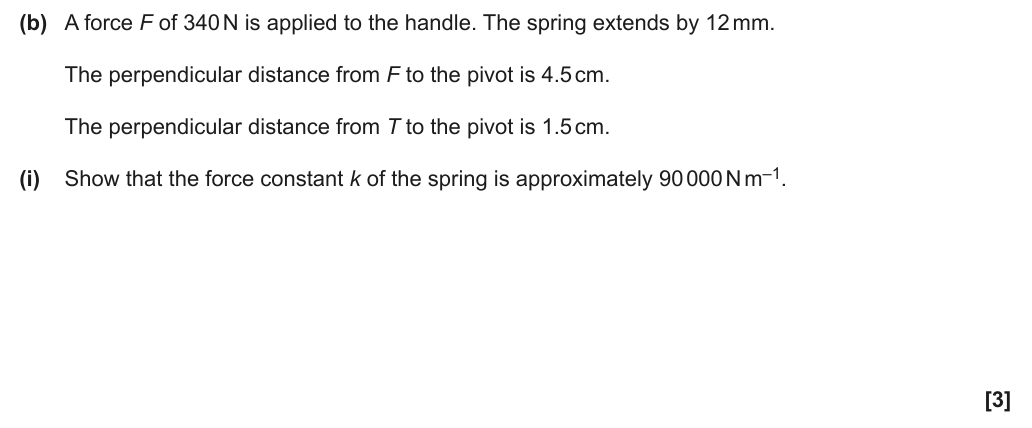
Over half of candidates correctly selected the equations E = σ/ε, ε = x/L, σ = F/A and F = kx and showed clear substitution to give the expression for the Young modulus E. Some candidates did confuse the quantity of E and selected the incorrect equation E = ½ Fx ; E = ½kx2 from the Data, Formulae and Relationships booklet.
Skills: M2.2 Change the subject of an equation, including non-linear equations
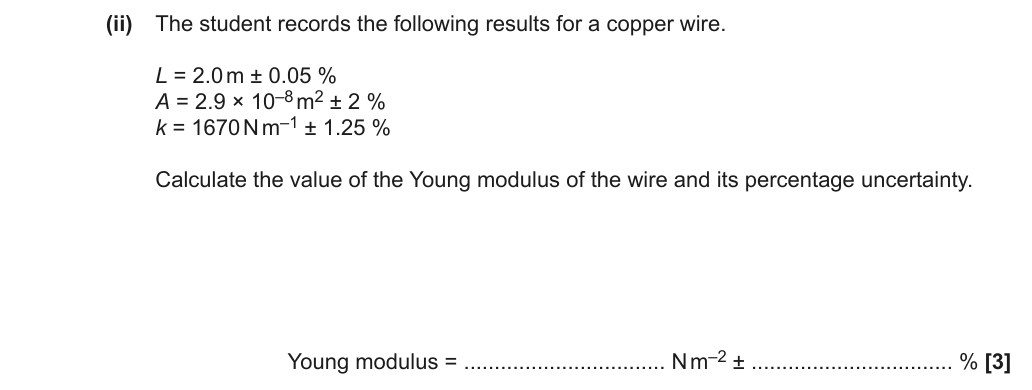
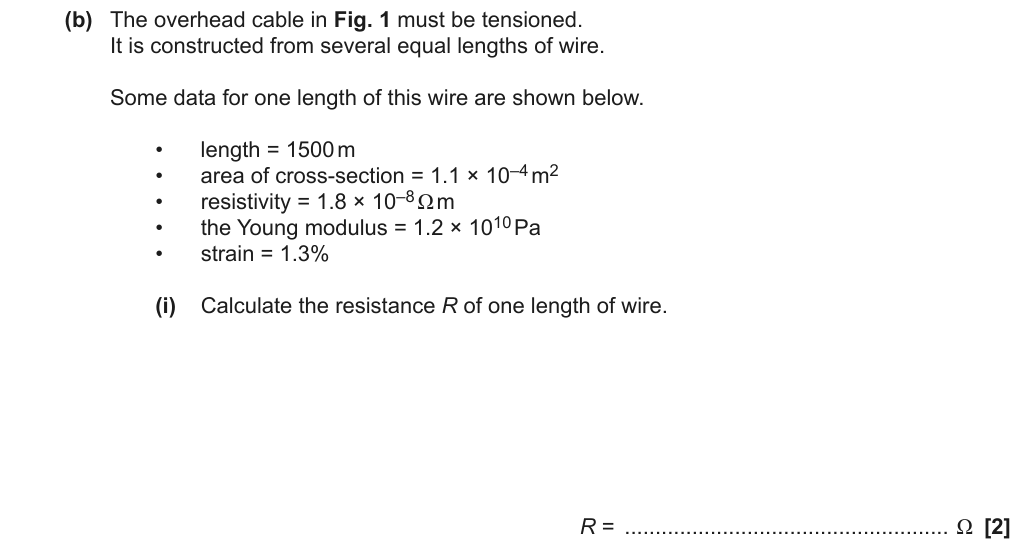
Candidates performed well on this question with about 90% of candidates correctly calculating a value for the Young modulus. About two thirds of candidates correctly determined the percentage uncertainty by calculating the sum of the individual percentage uncertainty values for each of the results.
Skills: M0.2 Recognise and use expressions in decimal and standard form; M1.5 Identify uncertainties in measurements and use simple techniques to determine uncertainty when data are combined; M2.3 Substitute numerical values into algebraic equations using appropriate units for physical quantities
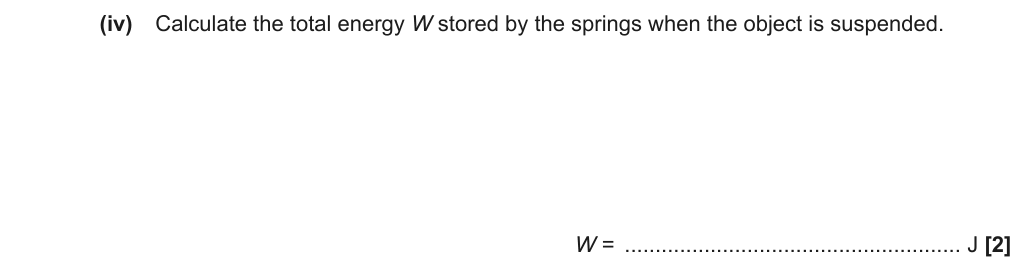
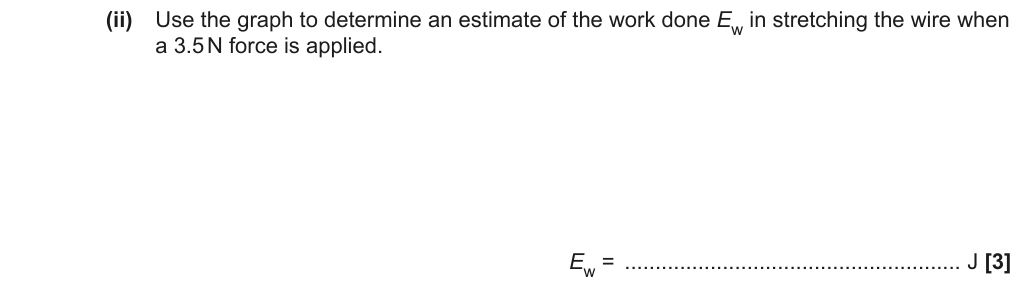
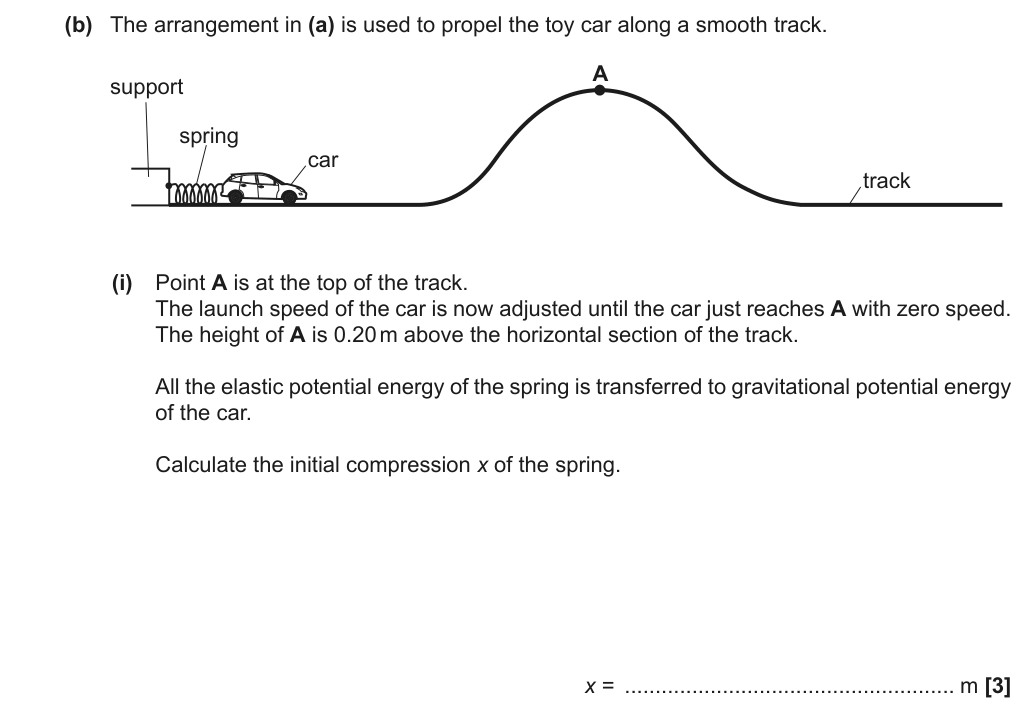
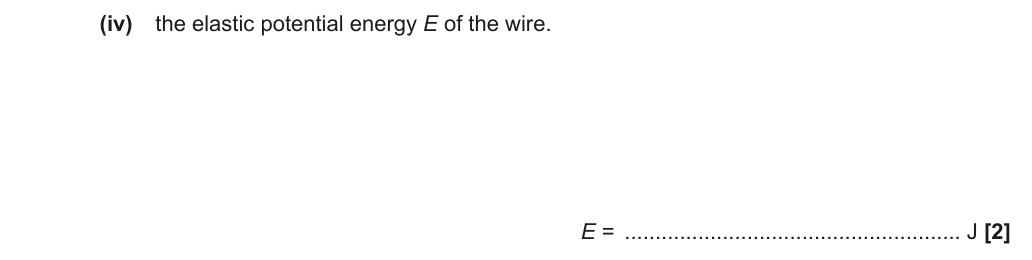
Most candidates gained credit in this question. Many correctly used W = 0.5kx2. Other candidates correctly used W = 0.5Fx using their value for F from the previous part. Some lower scoring candidates incorrectly determined the change in gravitational potential energy.
Skills: M0.1 Recognise and make use of appropriate units in calculations; M2.3 Substitute numerical values into algebraic equations using appropriate units for physical quantities
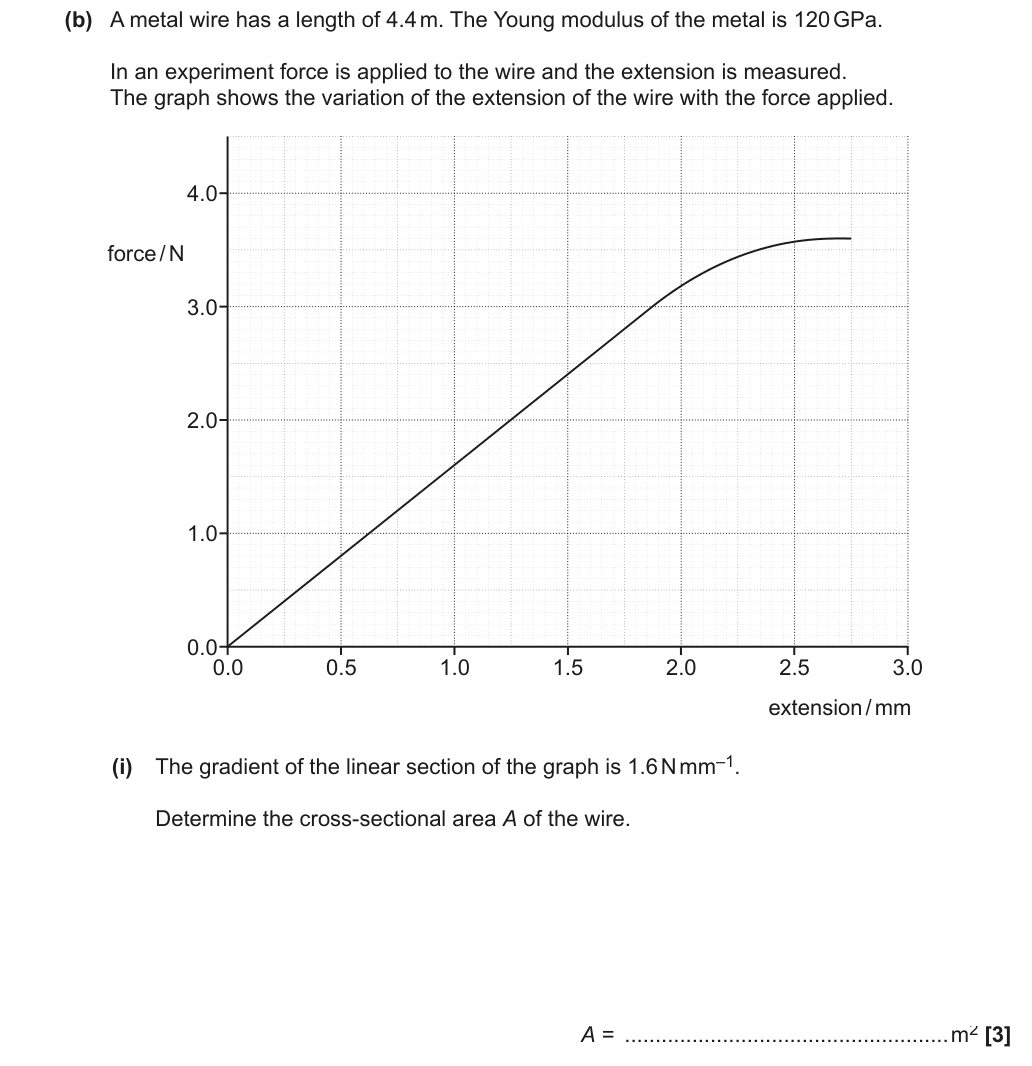
Many candidates did not understand the significance of the gradient. More able candidates derived an equation into a y = mx format and then successful calculated an answer. A number of candidates did not use an appropriate power of ten for the Young modulus or convert the gradient to be consistent with the length of the wire. Candidates who read a value of force and extension directly from the graph could still gain full credit – often the read-offs were from the non-linear section of the graph.
Skills: M0.1 Recognise and make use of appropriate units in calculations; M2.2 Change the subject of an equation, including non-linear equations; M3.4 Determine the slope and intercept of a linear graph; PAG2 Investigating properties of materials
Question 4 (b) (i) Many candidates did not understand the significance of the gradient.
Skills: M0.1 Recognise and make use of appropriate units in calculations; M3.8 Understand the possible physical significance of the area between a curve and the x axis and be able to calculate it or estimate it by graphical methods as appropriate
A
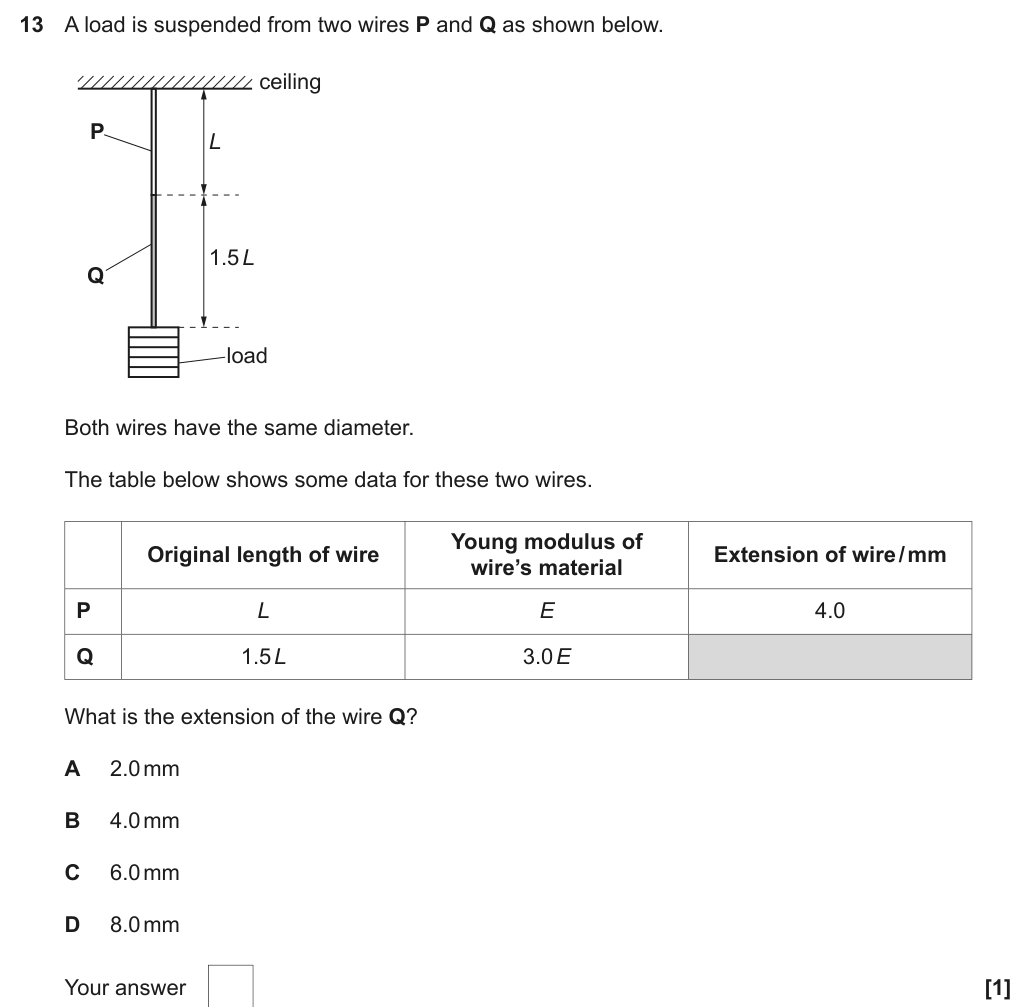
Candidates performed less well on this question, answer A. The most common distractor was answer D where candidates had doubled the extension rather than using and applying E = σ / ε correctly.
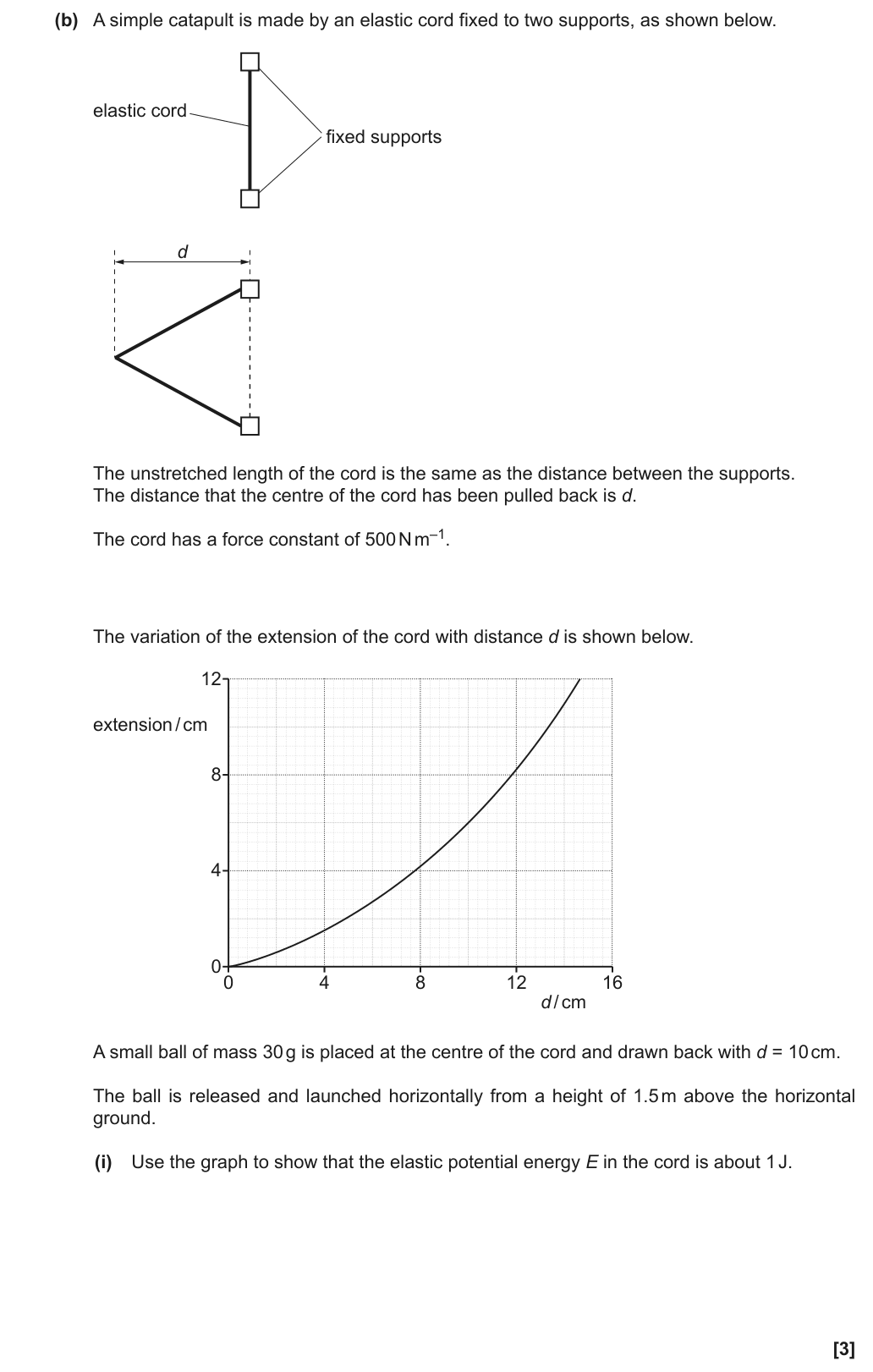
Question 16 (b) (iv) was answered well by candidates that realised the distance in real life would be less and could explain why that was the case.
Skills: M0.1 Recognise and make use of appropriate units in calculations; M2.3 Substitute numerical values into algebraic equations using appropriate units for physical quantities; M3.1 Translate information between graphical, numerical and algebraic forms

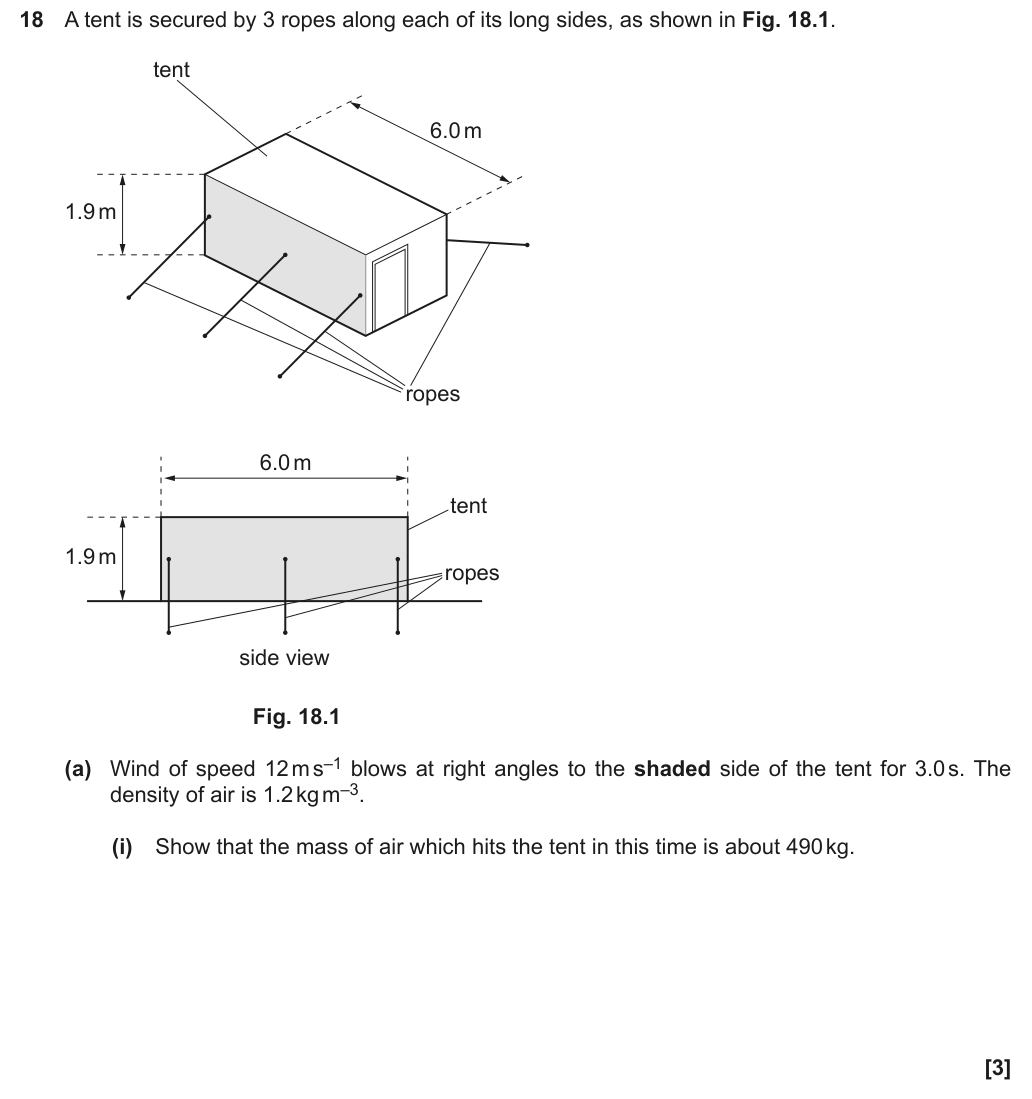
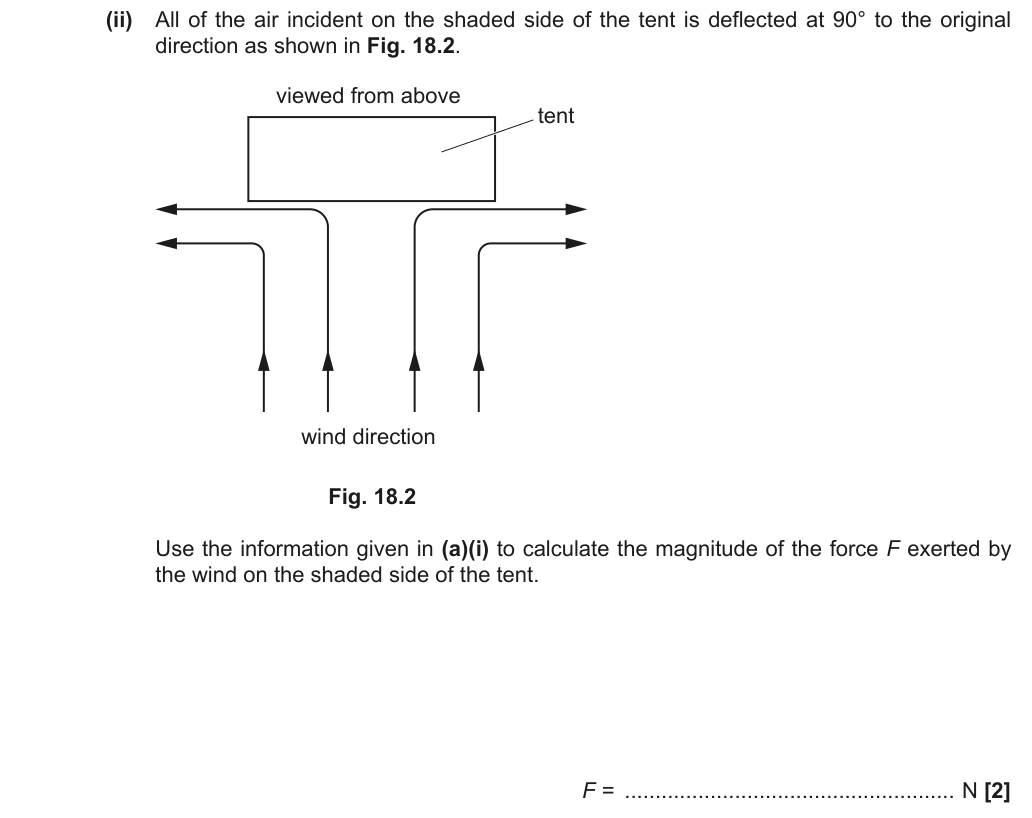
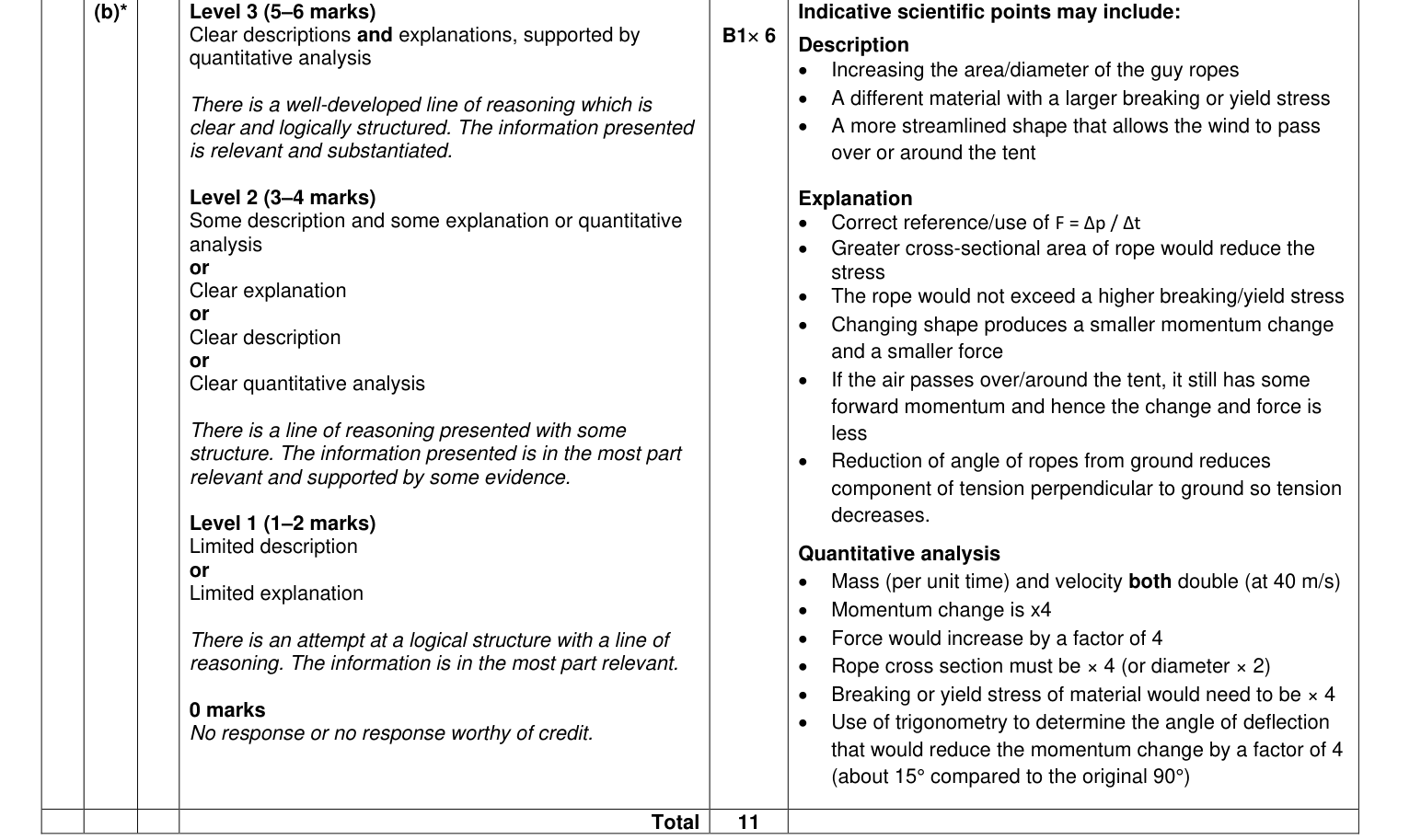
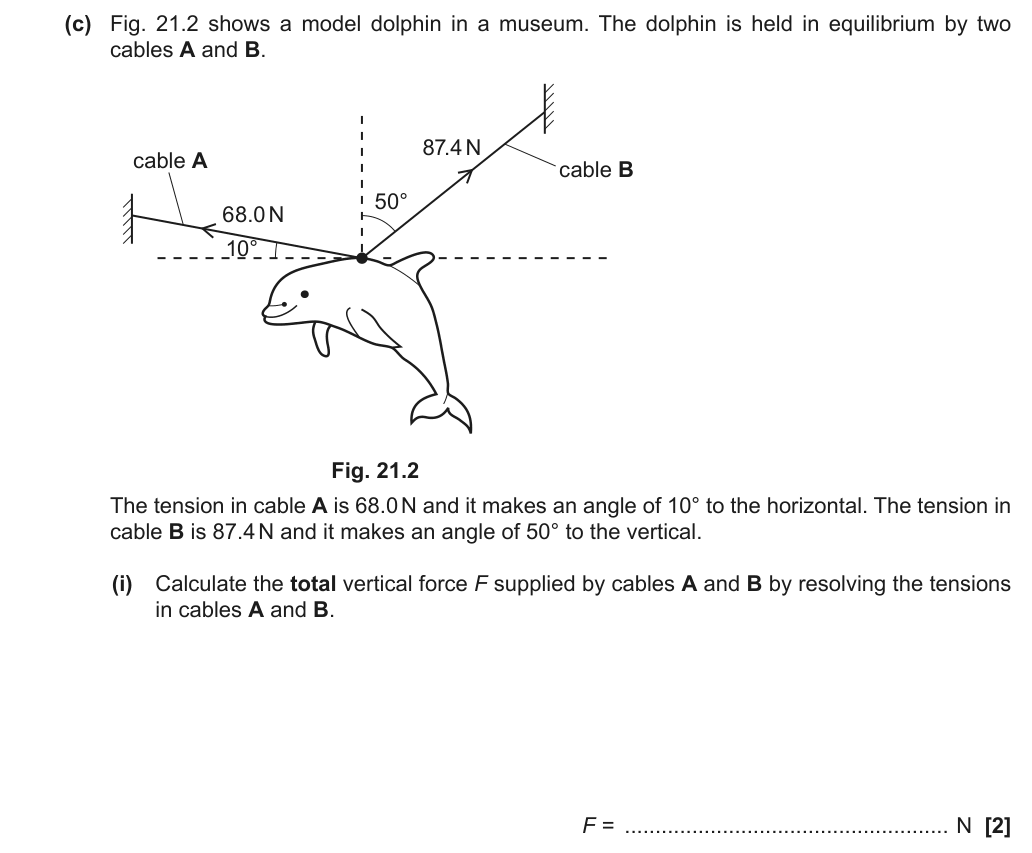
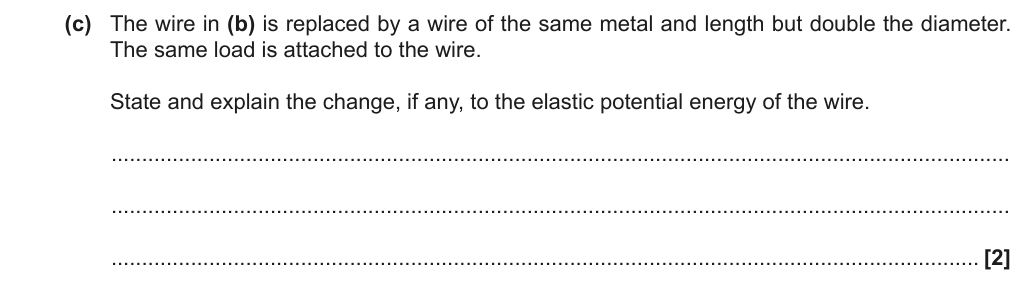
This question tested ideas about forces, resolution of forces, behaviour of materials under stress and rate of change of momentum transfer. Level 1 answers were restricted to merely suggestions of what could be done to make the support of the tent stronger. Level 2 answers developed at least one of those suggestions by referring, qualitatively, to the underlying physics. Level 3 answers were rare, as the requirement was for some quantitative physics. Candidates that attempted a quantitative answer often believed that the force would be doubled, when in fact it is quadrupled. This is because both the mass of the air depends on the velocity of air, so doubling the speed will also double the mass, thus quadrupling the momentum transfer. This candidate clearly states, on lines 3-5, that the force is directly proportional to the square of the speed by thinking about their answers to previous parts of the question. The statements following this, after the page break, are sensible and grounded in physics in topics typically covered in the first year of study. The candidate mentions about quadrupling the number of ropes and reducing the area presented to the wind by a factor of four. The candidate goes on, in the additional answer space, to refer to the thickness of the ropes and how the radius would need to double. Level 3 response.
Skills: M0.3 Use ratios, fractions and percentages
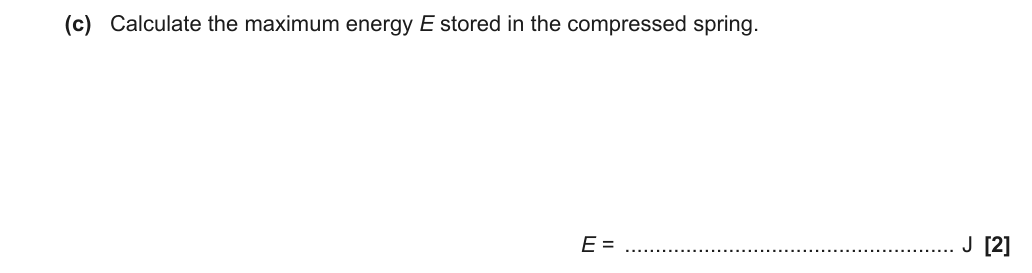
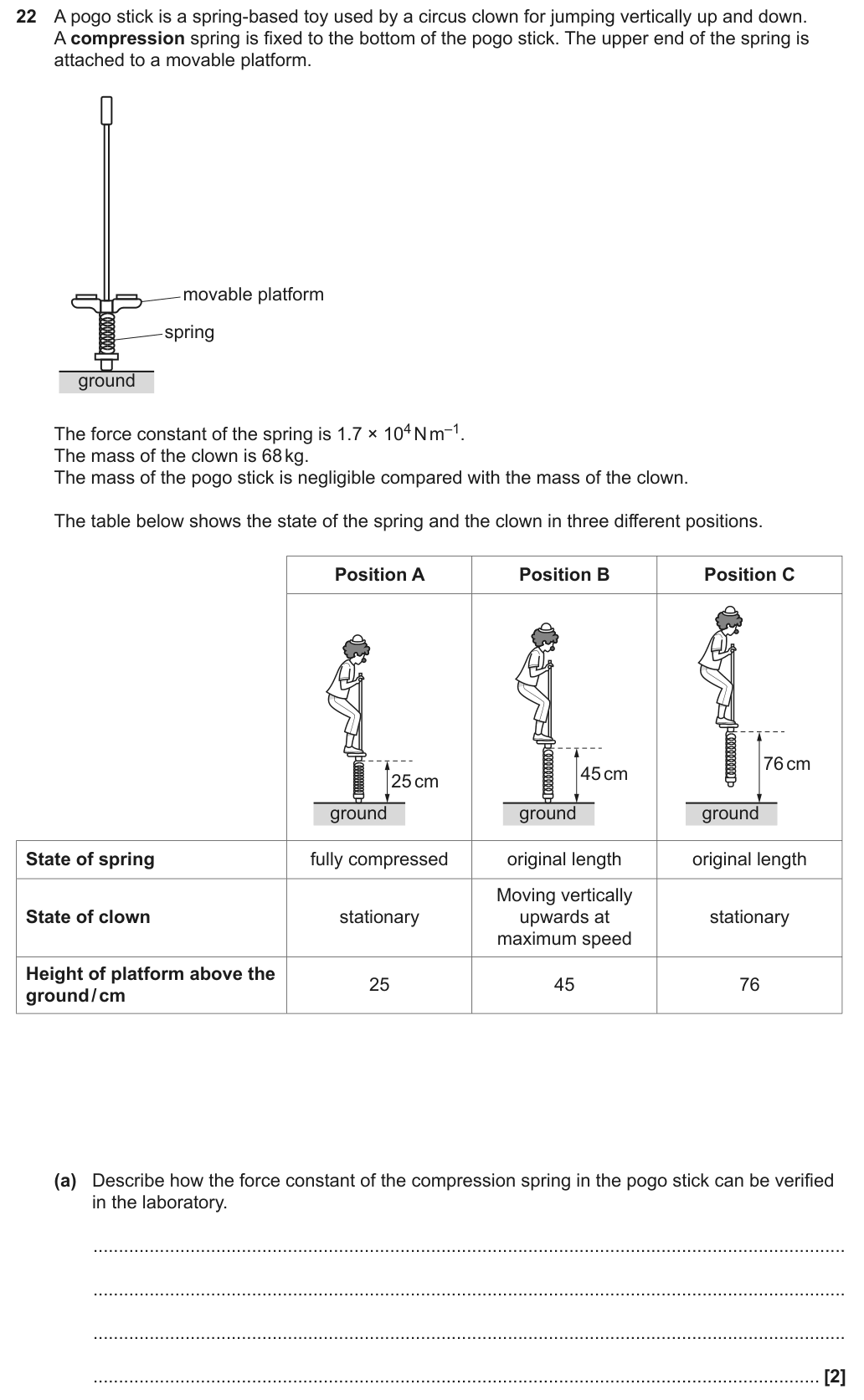
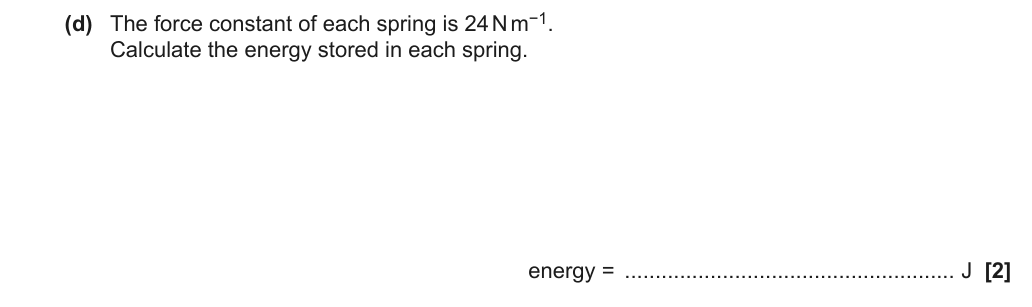
Candidates were required to select the equation E = ½ kx2 which about a half of candidates did to calculate the energy stored in the compressed spring when the clown jumped vertically on the pogo stick but about a third of candidates dropped 1 mark for not converting cm to m for the value of compression.
Skills: M0.1 Recognise and make use of appropriate units in calculations; M2.3 Substitute numerical values into algebraic equations using appropriate units for physical quantities
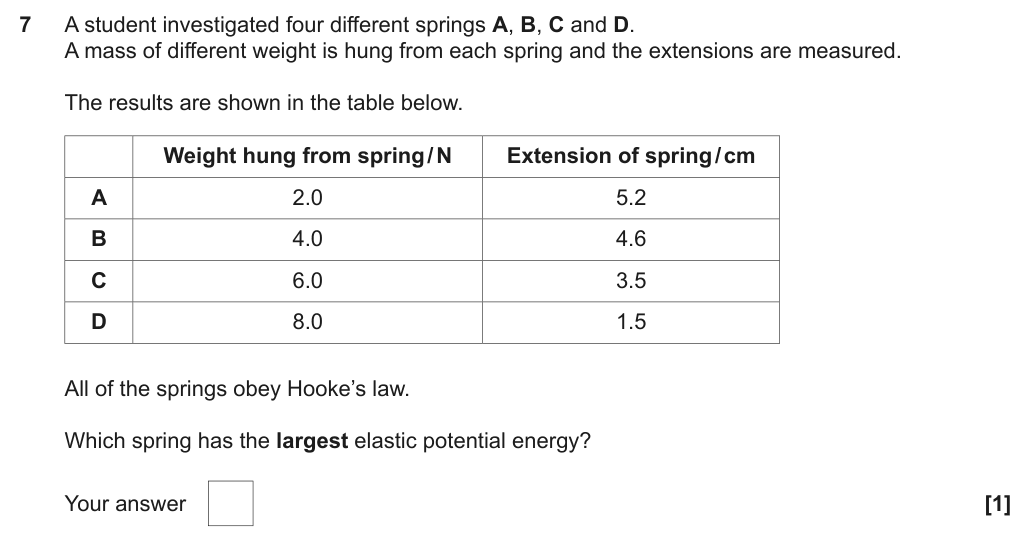
C
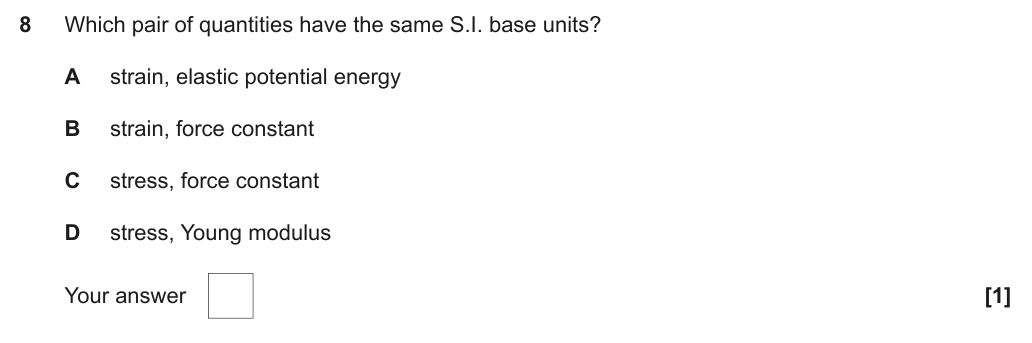
D
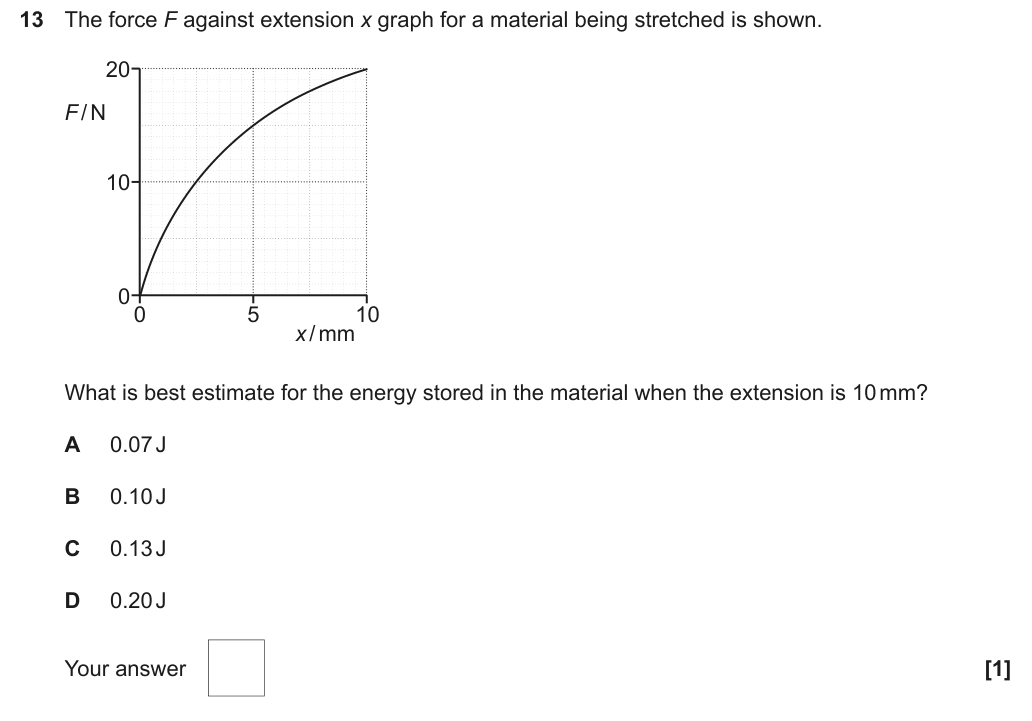
C
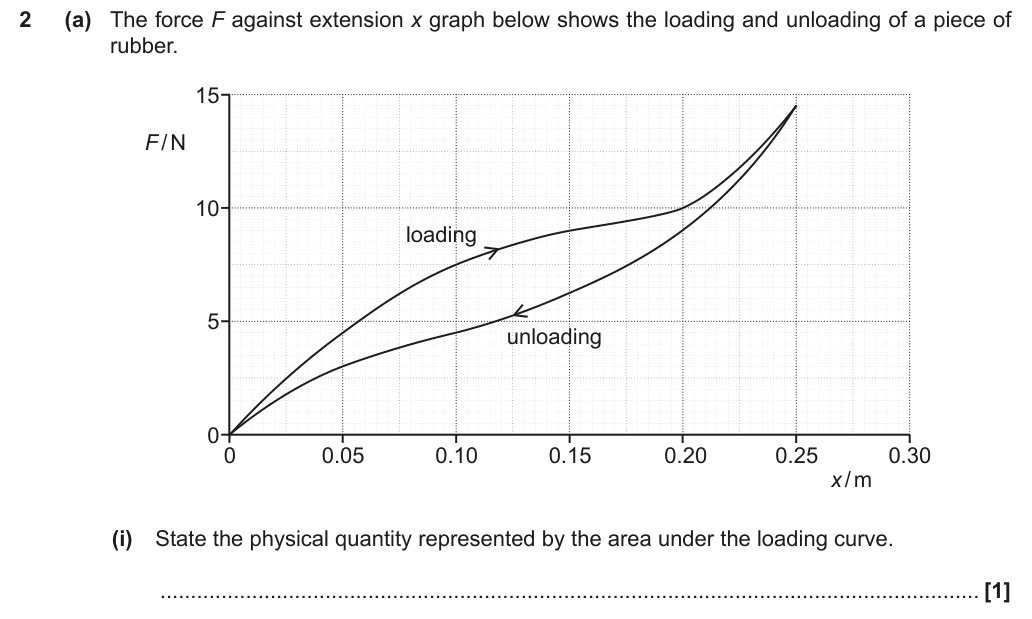
Skills: M3.8 Understand the possible physical significance of the area between a curve and the x axis and be able to calculate it or estimate it by graphical methods as appropriate
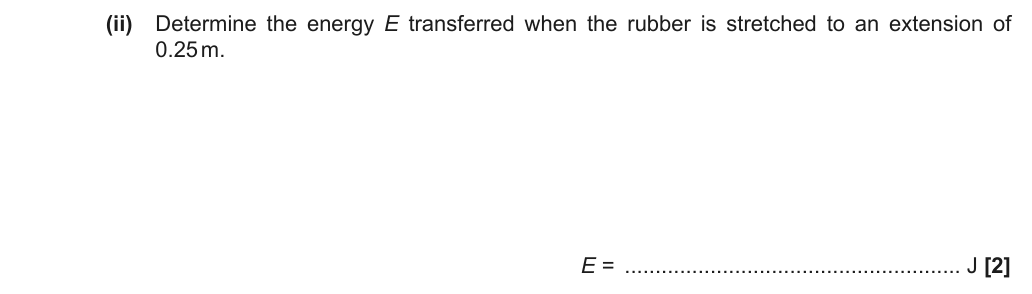
Skills: M0.4 Estimate results; M3.1 Translate information between graphical, numerical and algebraic forms; M3.8 Understand the possible physical significance of the area between a curve and the x axis and be able to calculate it or estimate it by graphical methods as appropriate

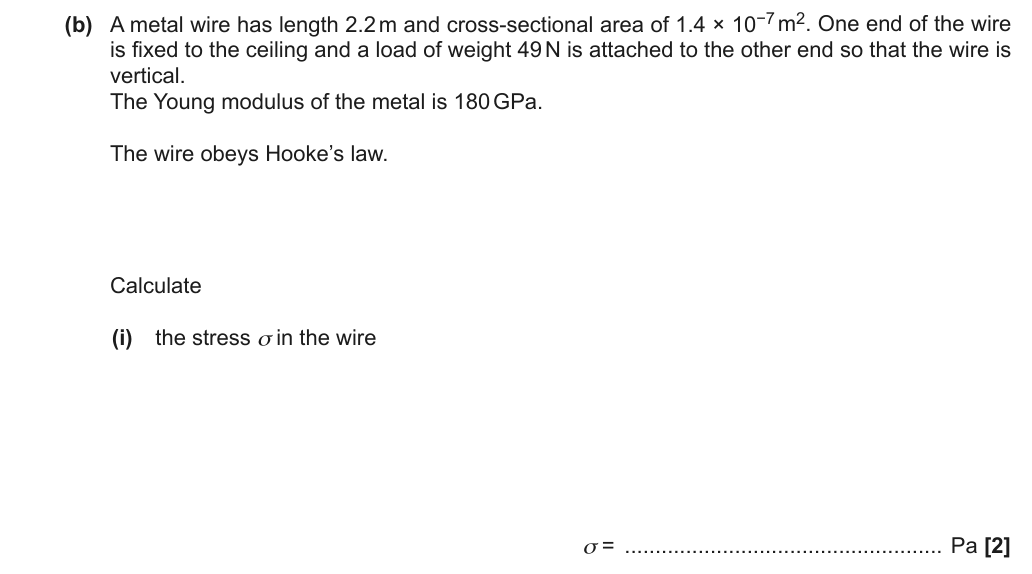
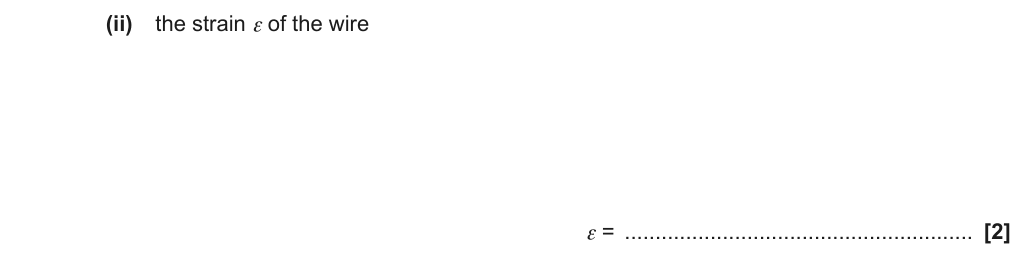
Skills: M0.2 Recognise and use expressions in decimal and standard form; M2.2 Change the subject of an equation, including non-linear equations
Skills: M2.2 Change the subject of an equation, including non-linear equations
Skills: M2.3 Substitute numerical values into algebraic equations using appropriate units for physical quantities
Skills: M0.3 Use ratios, fractions and percentages
Skills: M0.3 Use ratios, fractions and percentages; M2.2 Change the subject of an equation, including non-linear equations; M2.3 Substitute numerical values into algebraic equations using appropriate units for physical quantities
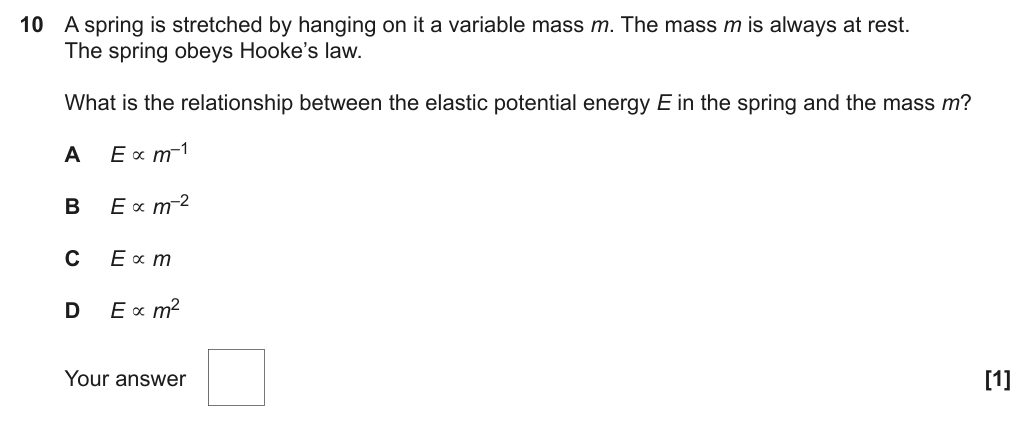
D
Candidates had particular difficulty with Question 9 and Question 10.
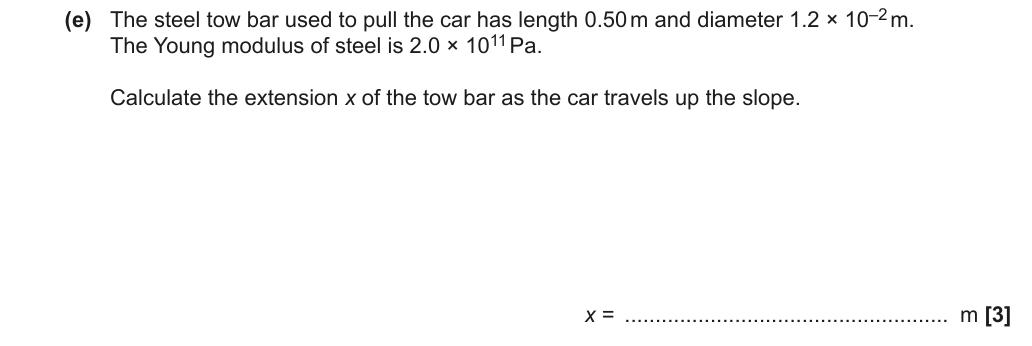
Skills: M0.2 Recognise and use expressions in decimal and standard form; M2.2 Change the subject of an equation, including non-linear equations; M4.3 Calculate areas of triangles, circumferences and areas of circles, surface areas and volumes of rectangular blocks, cylinders and spheres
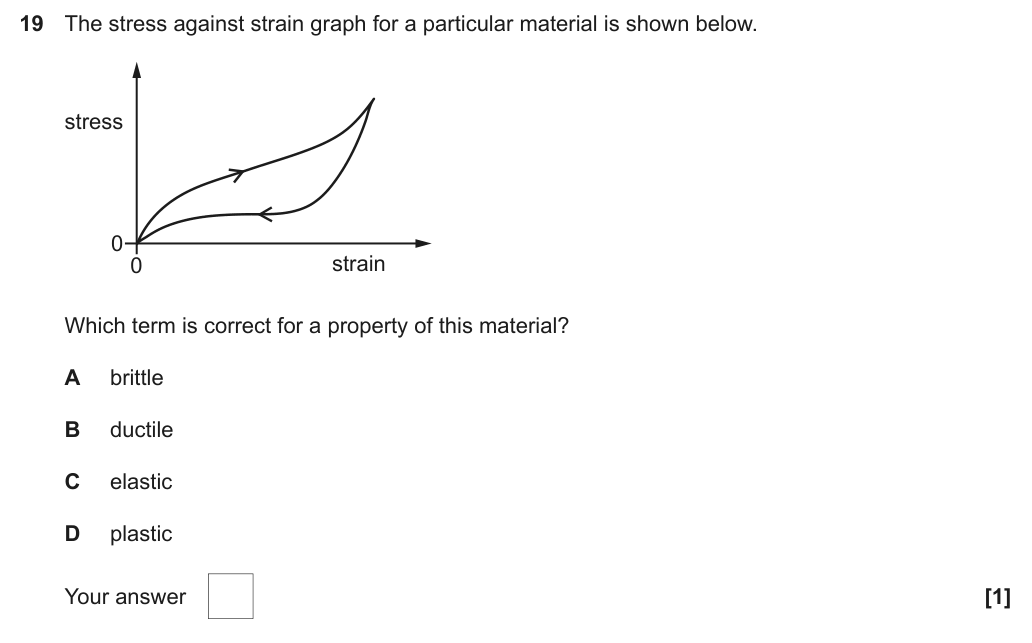
C
Comments on responses by question type Multiple choice questions Some of the questions, such as Question 1 on Kirchhoff’s first law and Question 19 on a stress-strain graph for an elastic material, are expected to be done quickly without much reasoning.
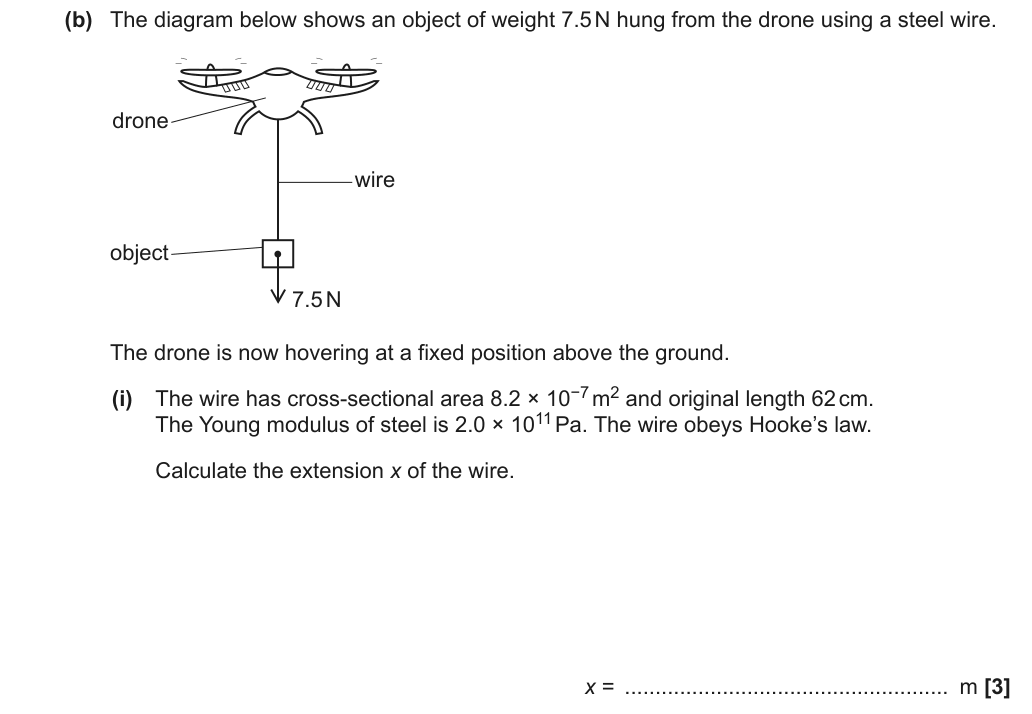
Questions 23aii, 23bi, 24bii, 27c and 28bi • showed all the steps leading to the correct response in ‘show’ calculations, e.g. Misconception Question 23bii A small number of candidates incorrectly interpreted the velocity–time graph, especially the negatively sloping section of the graph.
Skills: M0.2 Recognise and use expressions in decimal and standard form; M2.2 Change the subject of an equation, including non-linear equations; M2.3 Substitute numerical values into algebraic equations using appropriate units for physical quantities
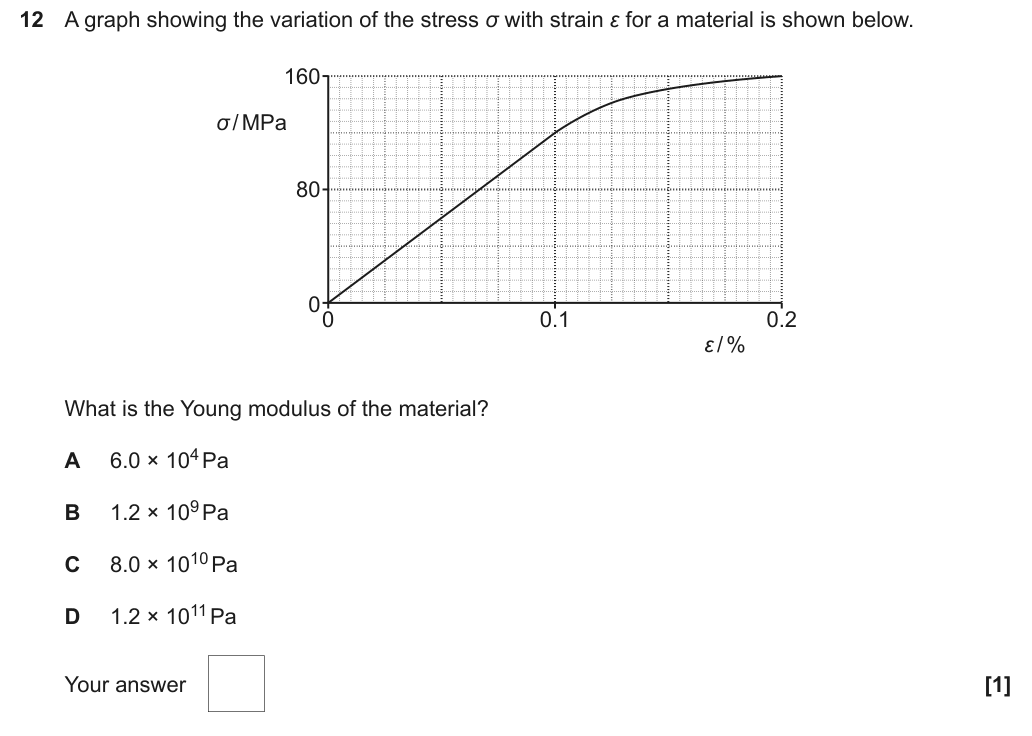
D
The Young modulus is found by calculating the initial gradient of the material’s stress-strain graph. The initial portion appears to be a straight line from the origin to the point (0.1, 120). The units on this graph are megapascals and %. This means the co-ordinates of the chosen point are in fact (0.1 × 10⁻², 120 × 106). Many candidates forgot to convert the strain into a decimal and left it as a percentage. Their answer was a factor of a 100 out, ie answer B. The correct answer is 120 × 106 / 0.1 × 102 = 1.2 × 10¹¹ Pa. This is answer D.
Skills: M0.1 Recognise and make use of appropriate units in calculations; M0.3 Use ratios, fractions and percentages; M3.4 Determine the slope and intercept of a linear graph

Ultimate tensile strength is the maximum stress a material can withstand without breaking or failing. The most common incorrect answer included descriptions of force rather than stress.
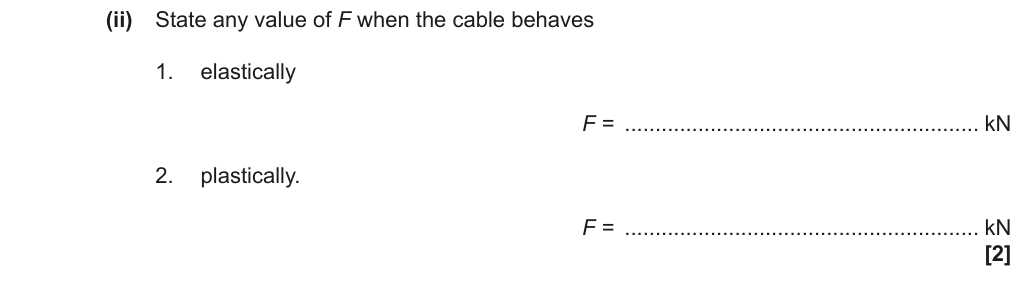
Skills: M3.1 Translate information between graphical, numerical and algebraic forms
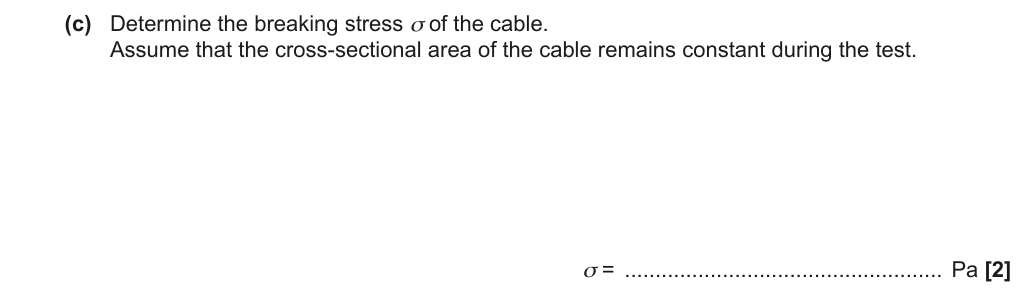
Skills: M0.1 Recognise and make use of appropriate units in calculations; M2.3 Substitute numerical values into algebraic equations using appropriate units for physical quantities; M4.3 Calculate areas of triangles, circumferences and areas of circles, surface areas and volumes of rectangular blocks, cylinders and spheres
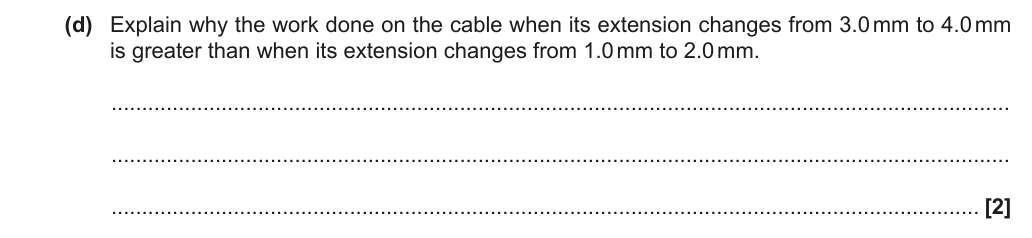
This question is best answered by referring to the graph in the question. Exemplars 1 and 2 indicate the difference between a low level and a high level response. This exemplar shows a response that contains broadly true statements yet is only loosely linked to the context and so scored zero marks. This response is clearly and specifically about this context and uses the graph as supporting evidence. The link to the graph is that the area gives the work done and that a larger area for one region means a larger amount of work done for that region.
Skills: M3.8 Understand the possible physical significance of the area between a curve and the x axis and be able to calculate it or estimate it by graphical methods as appropriate
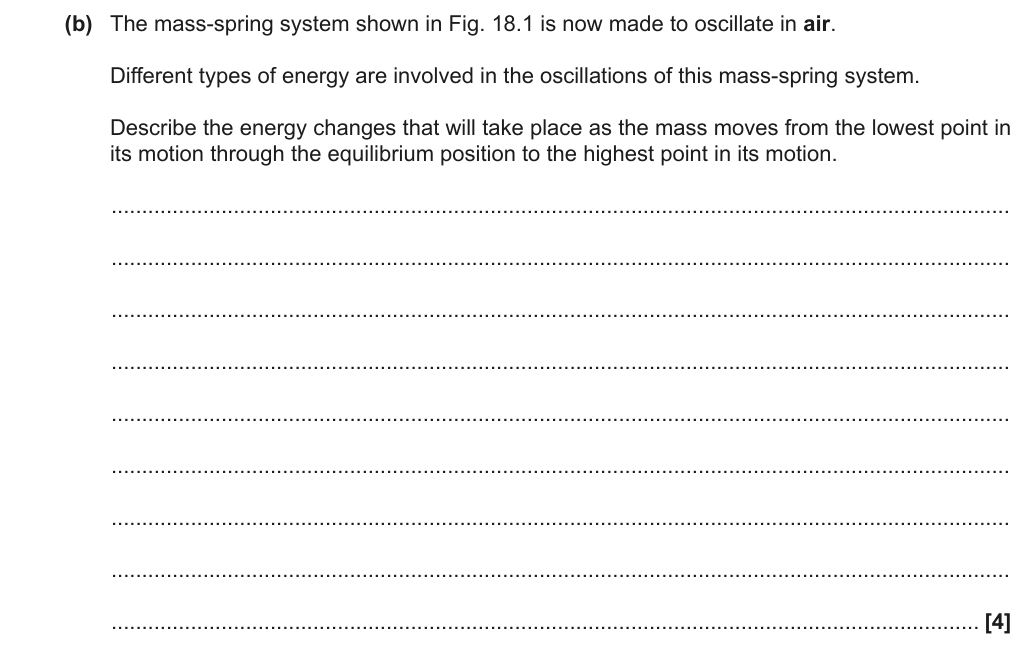
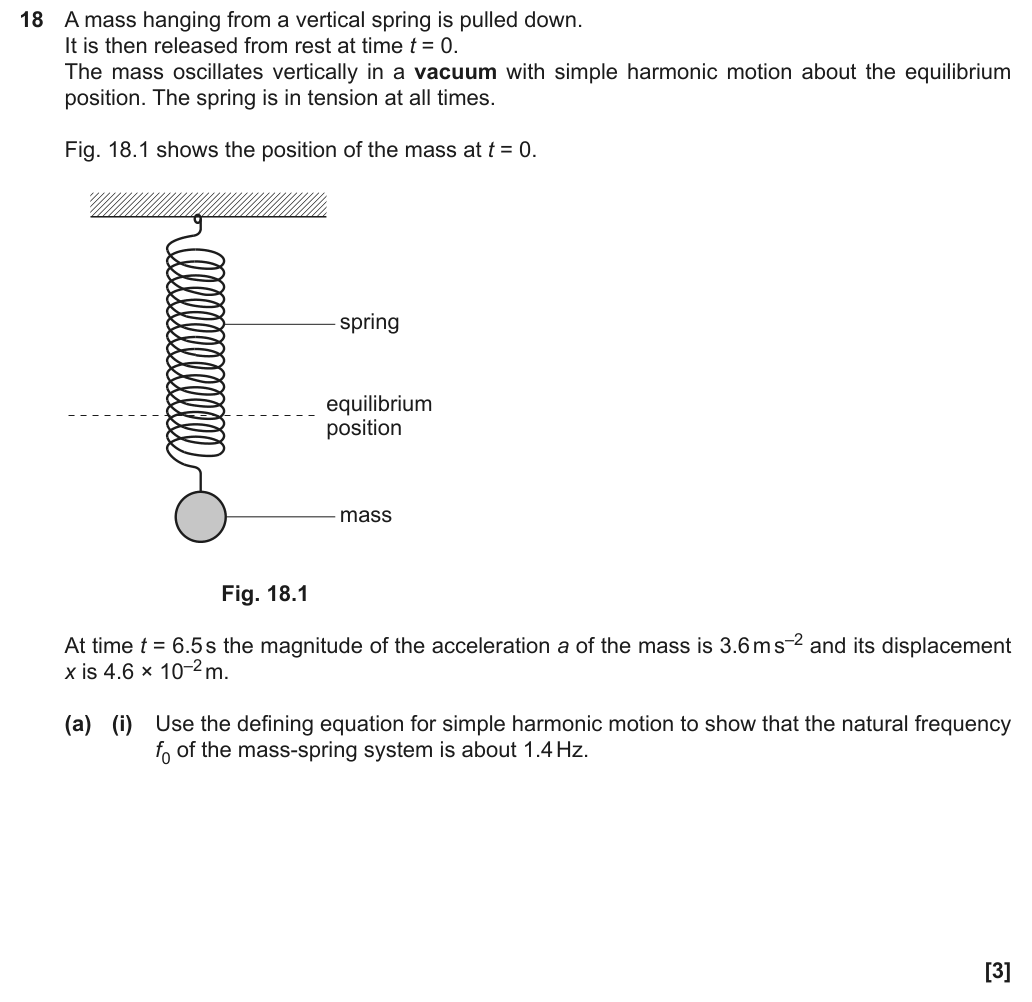
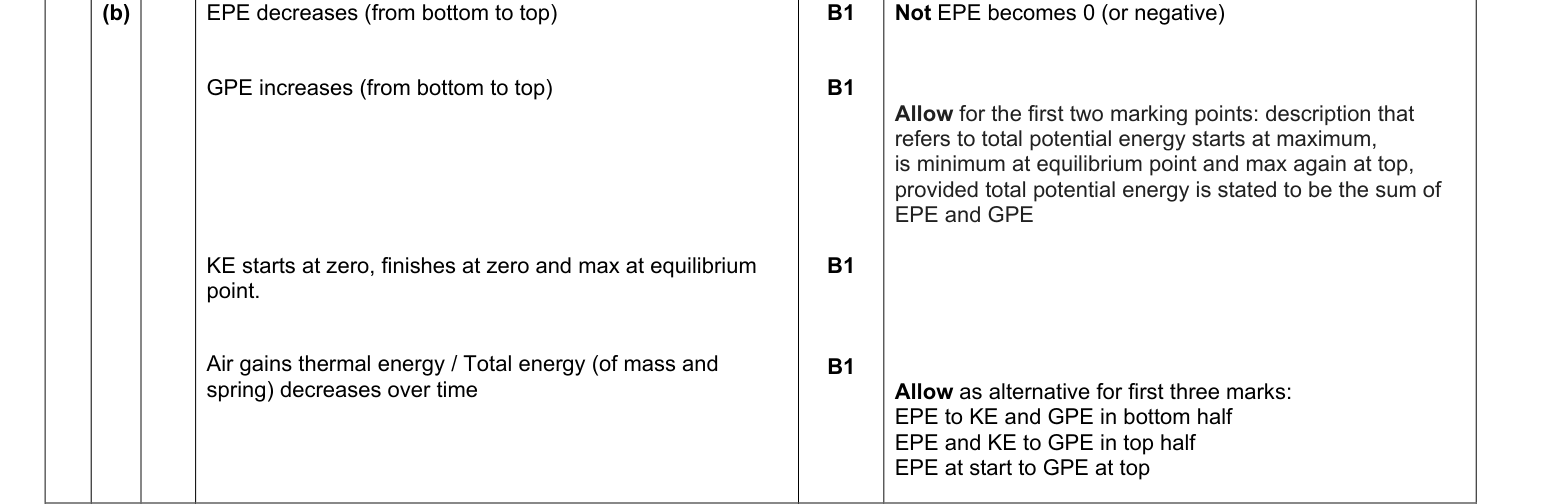
The best way to answer this question is to plan out what happens to each of the relevant energy types. In this case the relevant energy types are elastic potential, gravitational potential and kinetic energy. Candidates often carefully recalled the details of energy changes for a horizontal mass-spring system, which was incorrect. Earlier in the question, the candidates were told that the spring is always under tension. This means that the elastic potential energy cannot be zero or indeed negative. At the bottom and the top of the motion, the kinetic energy of the system is zero, as the objects have zero velocity. At the equilibrium position, the kinetic energy of the system is maximum. Responses that included merely ‘potential energy’ were too vague, unless it was clear that the potential energy of this system is the sum of both the gravitational and elastic potential energies. The first 2 statements in this response are true yet not enough. The third statement is untrue, as it implies that GPE is decreasing (and so contradicts the second statement) and also states that the elastic potential energy is increasing. Zero marks. This response is separated out into the 3 main energy types. The changes for each of the types is correct. The only thing they haven’t mentioned is that the total energy of the system will decrease because of the damping effect of the air. 3 marks. Question 18 (c) (i) and (c) (ii) The correct shape for Question 18(c)(i) is a standard resonance curve. The natural frequency of this system is 1.4 Hz, as stated in Question 18(a). This means that the peak of the curve should come at 1.4 Hz. The curve for Question 18(c) needed to be of lower amplitude throughout the frequency range (not including at 0 Hz). Some candidates put the peak of curve D at the same frequency as curve K and others put the peak of curve D slightly to the left. Both were given the mark.
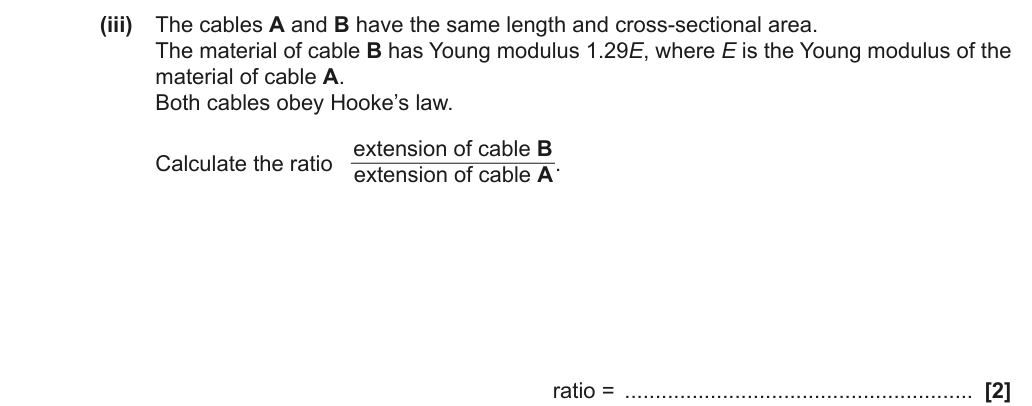
This question on the equation for Young modulus E was well-answered with most candidates picking up one or more marks. The extension x of a wire is given by the expression x = 𝐸𝐸𝐸𝐸 , where F is the tension in the wire, L its length and A its cross-sectional area. In this question, the extension x ∝ 𝐸𝐸 . Since both F and E increase by the same factor of 1.29, this meant that the ratio is 1.00. The most frequent incorrect answers were 1.29 and 1.29-1 or 0.78. The majority of the candidates in the upper quartile picked up 2 marks. This exemplar shows a response from a top-grade candidate. The solution is much more elaborate and the response of 0.996 is given to 3 significant figures. A perfect solution that earned this candidate 2 marks.
Skills: M0.3 Use ratios, fractions and percentages; M2.2 Change the subject of an equation, including non-linear equations
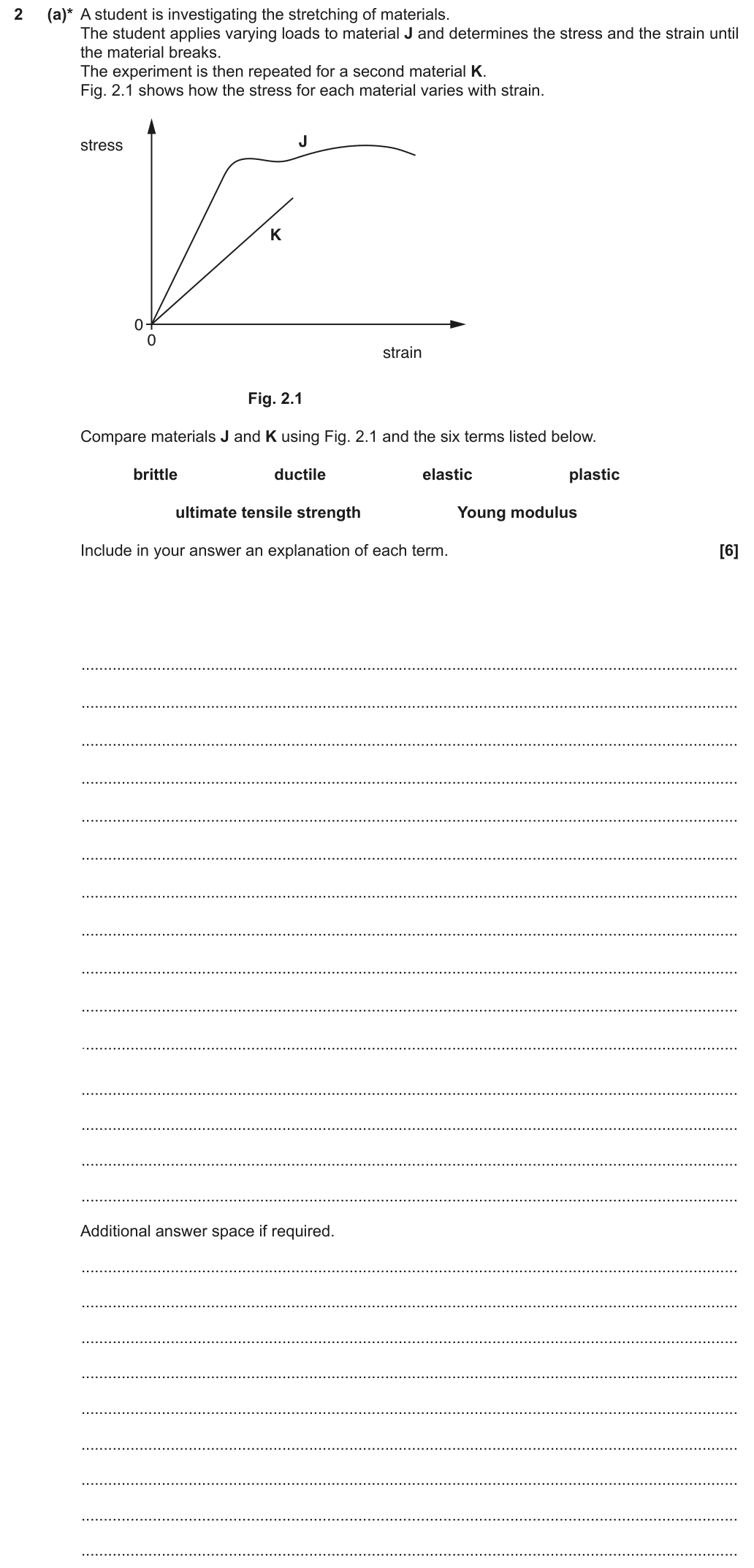
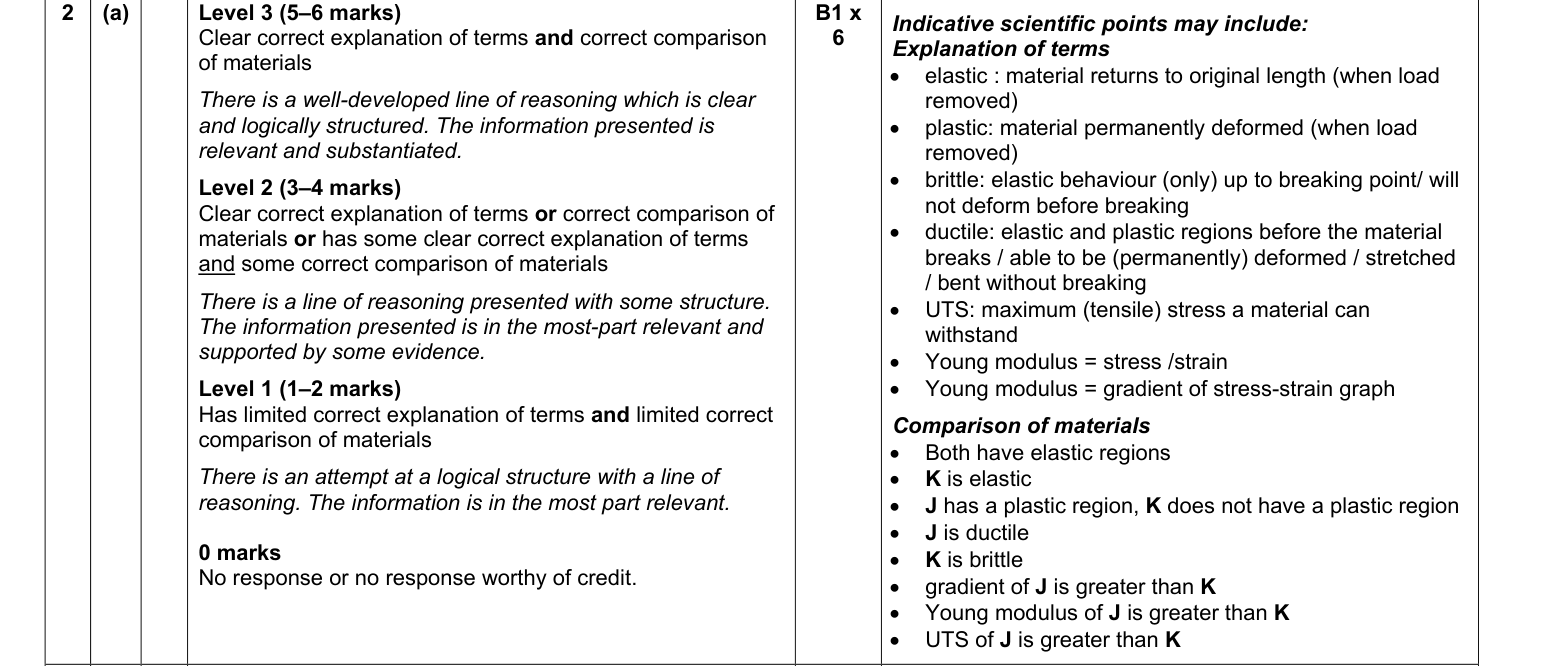
This was the first level of response question. A good range of marks from zero to six were credited. This type of question allows candidates to demonstrate structuring an answer logically using appropriate terms correctly. To achieve the highest marks, candidates needed to explain all six terms and compare the two materials using the terms. Some candidates in their answer included a discussion of Hooke’s law. Candidates who did not achieve a Level 3 response, often did not include all the terms or incorrectly described some of terms. Often ultimate tensile strength was not understood. Answers could have been improved by explaining why the gradient was an indication of the Young modulus. Many candidates did not state that an elastic material returned to its original length when a load was removed. Some candidates who did less well, attempted to describe the material in terms of named materials, often incorrectly, e.g. J was rubber. The candidate has explained all the terms and there is a comparison of the two materials. The reference to Hooke’s law is acceptable and does not detract from the answer and is not irrelevant. The candidate’s reasoning is clear and logically structured. This is a Level 3, 6-mark answer.
Skills: M3.1 Translate information between graphical, numerical and algebraic forms
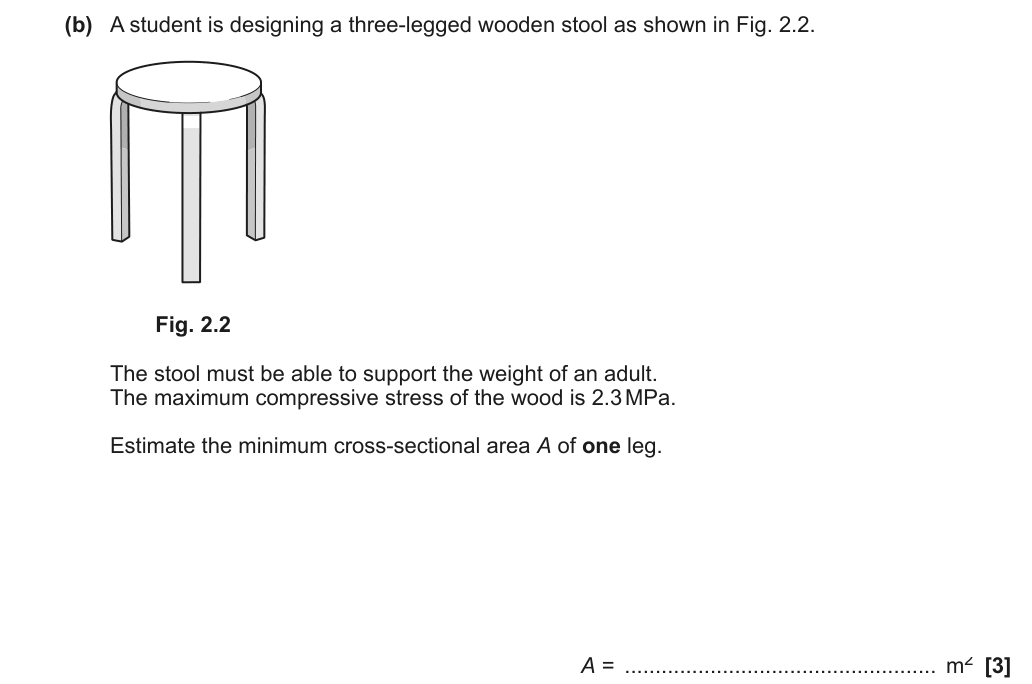
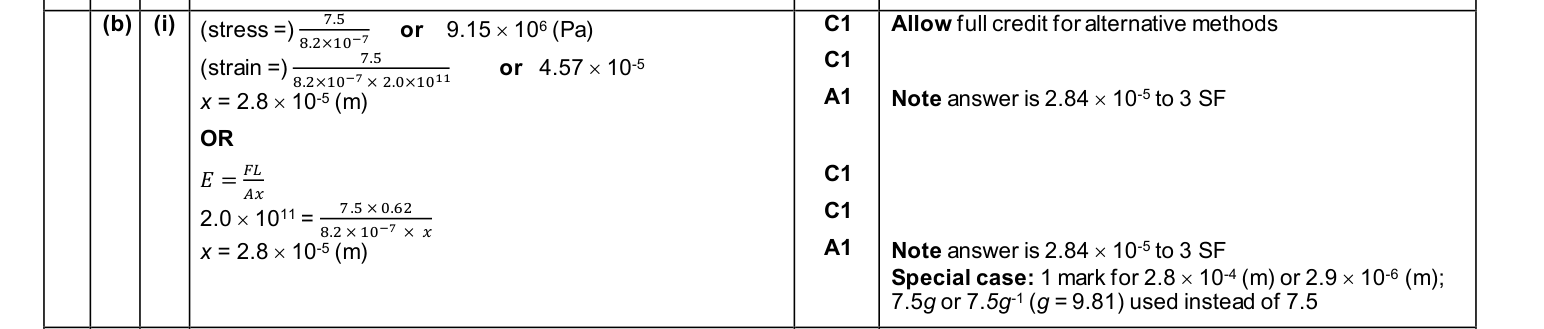
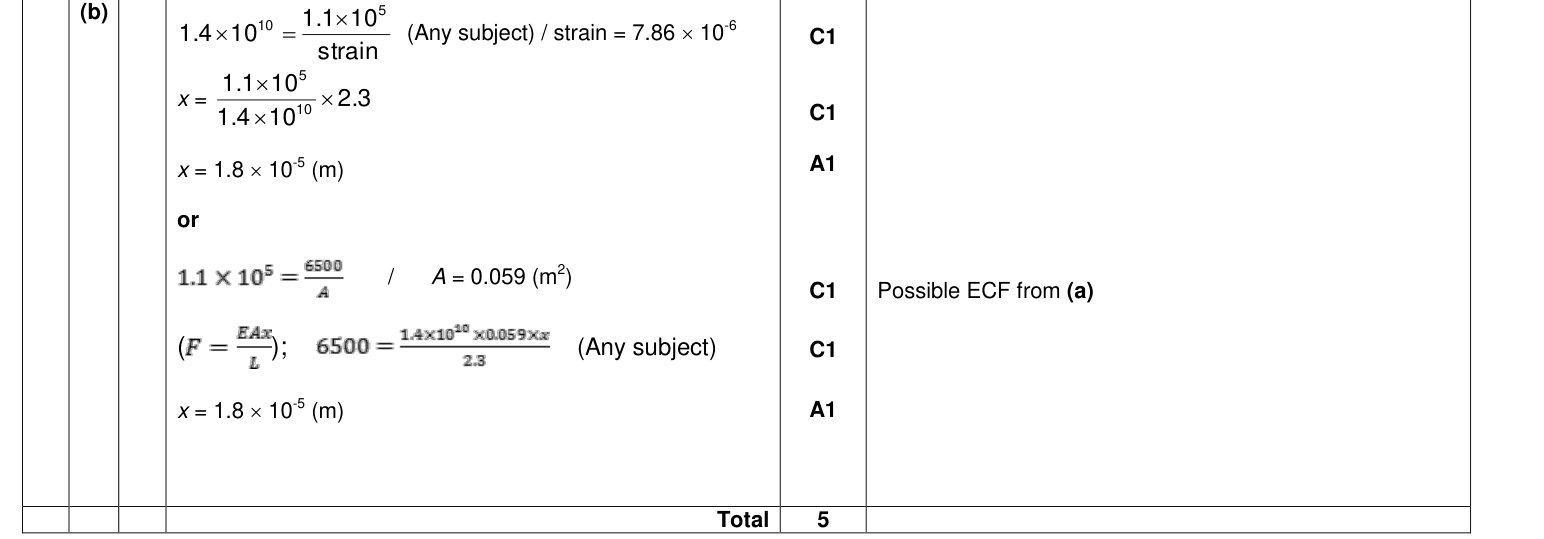
A good proportion of the candidates scored full marks on this question. Some candidates found the total area rather than the area of one leg. A few candidates assumed that the stool had four legs. This question required candidates to estimate the mass or weight of an adult. In general, in this type of question a more generous mass is sensible. Candidates who did well on this question started by stating the mass (or weight) of an adult. Examiners allowed a mass between 50 kg and 150 kg. Candidates then often worked out the total area before working out the area of one of the legs. Some candidates did not correctly understand that 2.3 MPa was equal to 2.3 × 10⁶ Pa. Some candidates incorrectly divided the stress by three. This candidate has clearly identified the average weight of an adult and then indicated how the weight of the adult is determined. The candidate has then clearly stated the equation for stress and shown their working for full marks.
Skills: M0.1 Recognise and make use of appropriate units in calculations; M0.4 Estimate results; M2.2 Change the subject of an equation, including non-linear equations
C
D
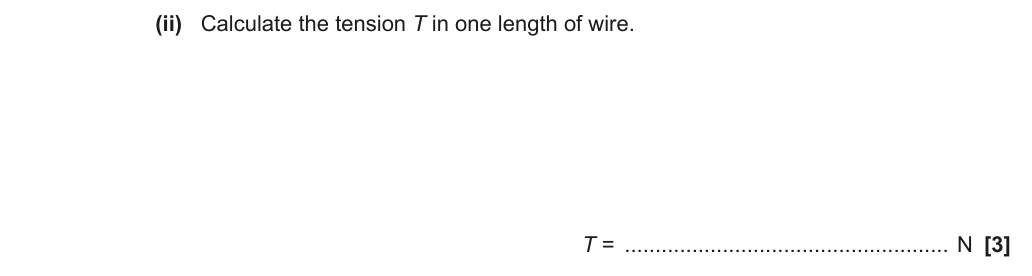
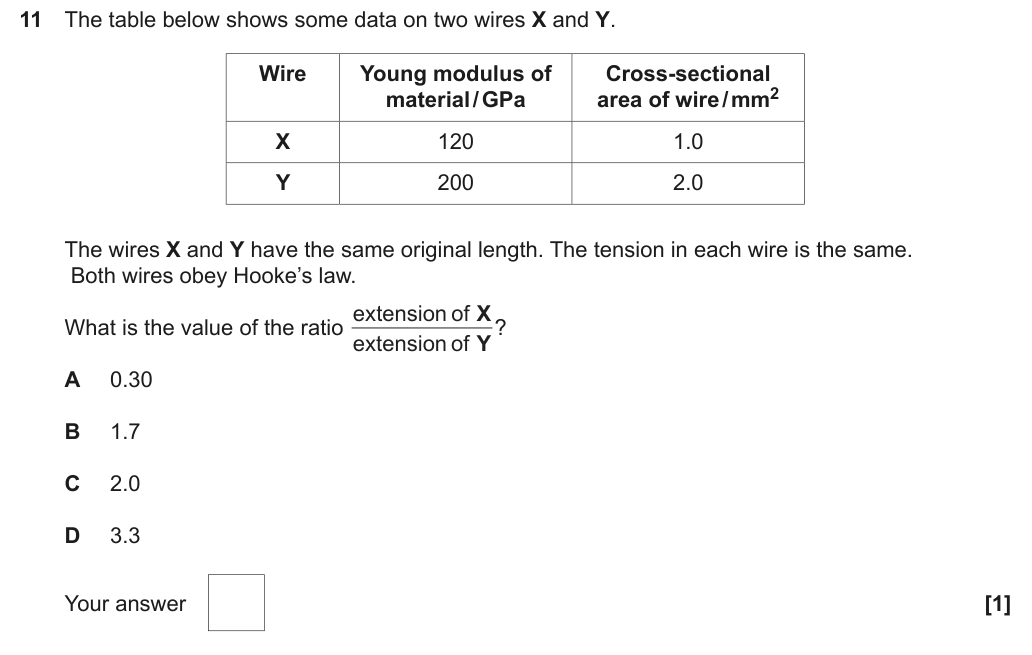
The tension for both wires is the same, yet wire X has half of the cross-sectional area. This means the stress for X will be twice that of Y. Strain = stress/Young modulus, so with half of the stress and (120/200) of the Young modulus, the strain for X will be 2 x (200/120) or times that of the strain for Y. The original lengths for X and Y are the same, so the extension of X will be 3.3 times that of Y.
D
Skills: M2.2 Change the subject of an equation, including non-linear equations; M2.3 Substitute numerical values into algebraic equations using appropriate units for physical quantities
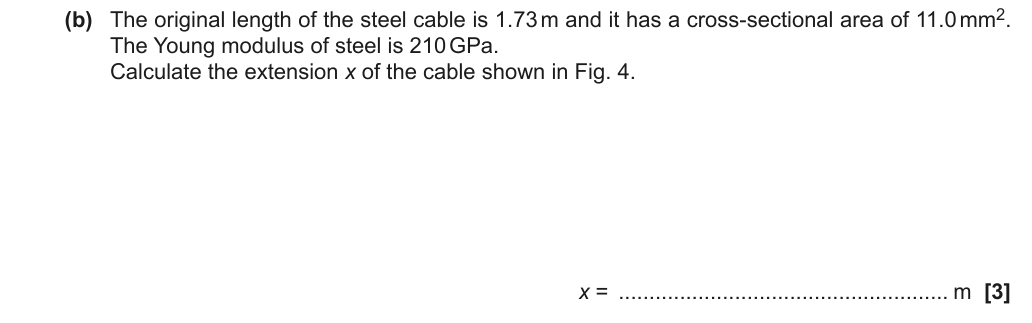
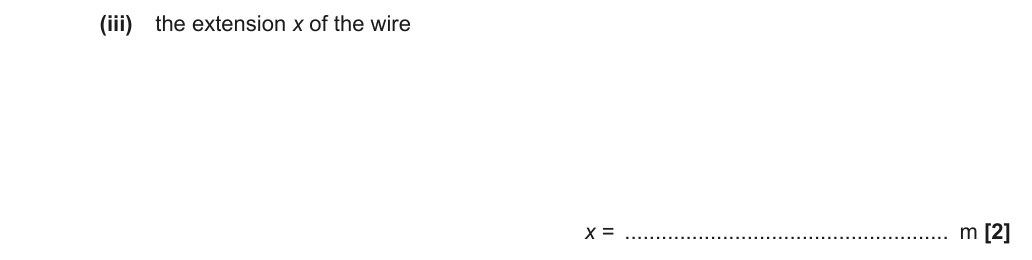
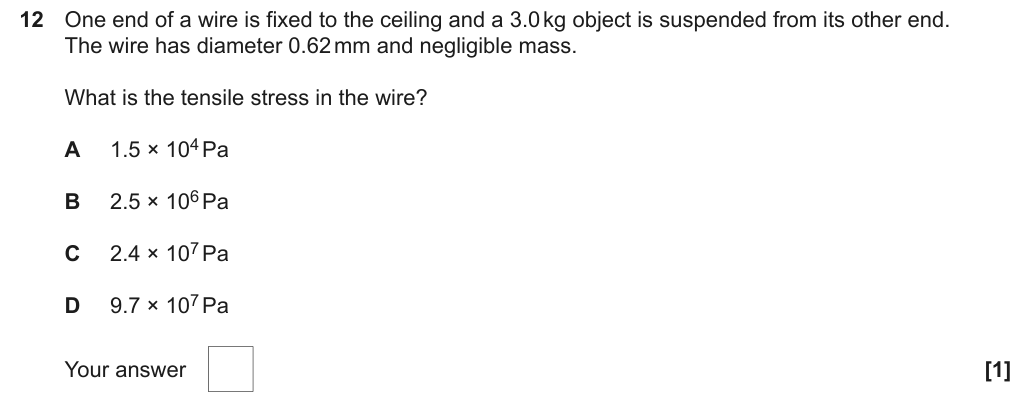
This question required candidates to carry out several calculations. Good candidates would start by combining the definitions of stress and strain with the definition of Young modulus to give 𝑥𝑥 = 𝑇𝑇𝑇𝑇 𝐸𝐸𝐸𝐸 A significant number of candidates made a power of ten (POT) error either with 210 GPa or with the area of 11.0 mm2. Many candidates wrote the latter as 11 x 10-3 m2. Other lower ability candidates tried calculating the area from this value. Some candidates correctly determined the stress, then the strain and then the extension.
Skills: M0.1 Recognise and make use of appropriate units in calculations; M2.2 Change the subject of an equation, including non-linear equations; M2.3 Substitute numerical values into algebraic equations using appropriate units for physical quantities
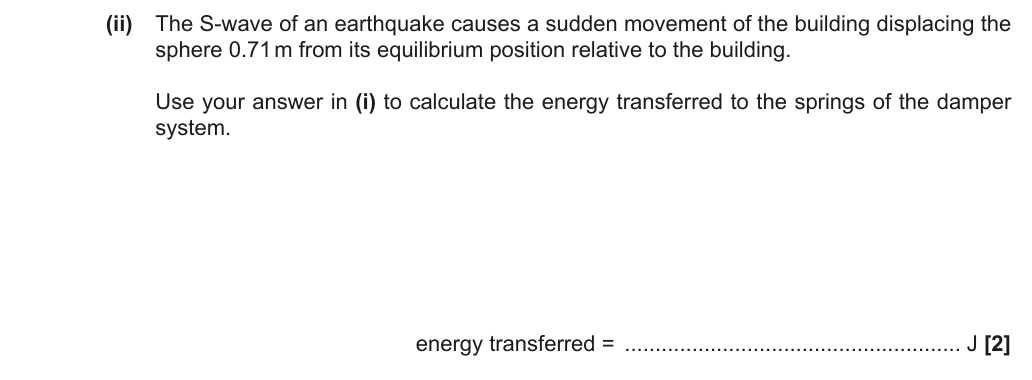
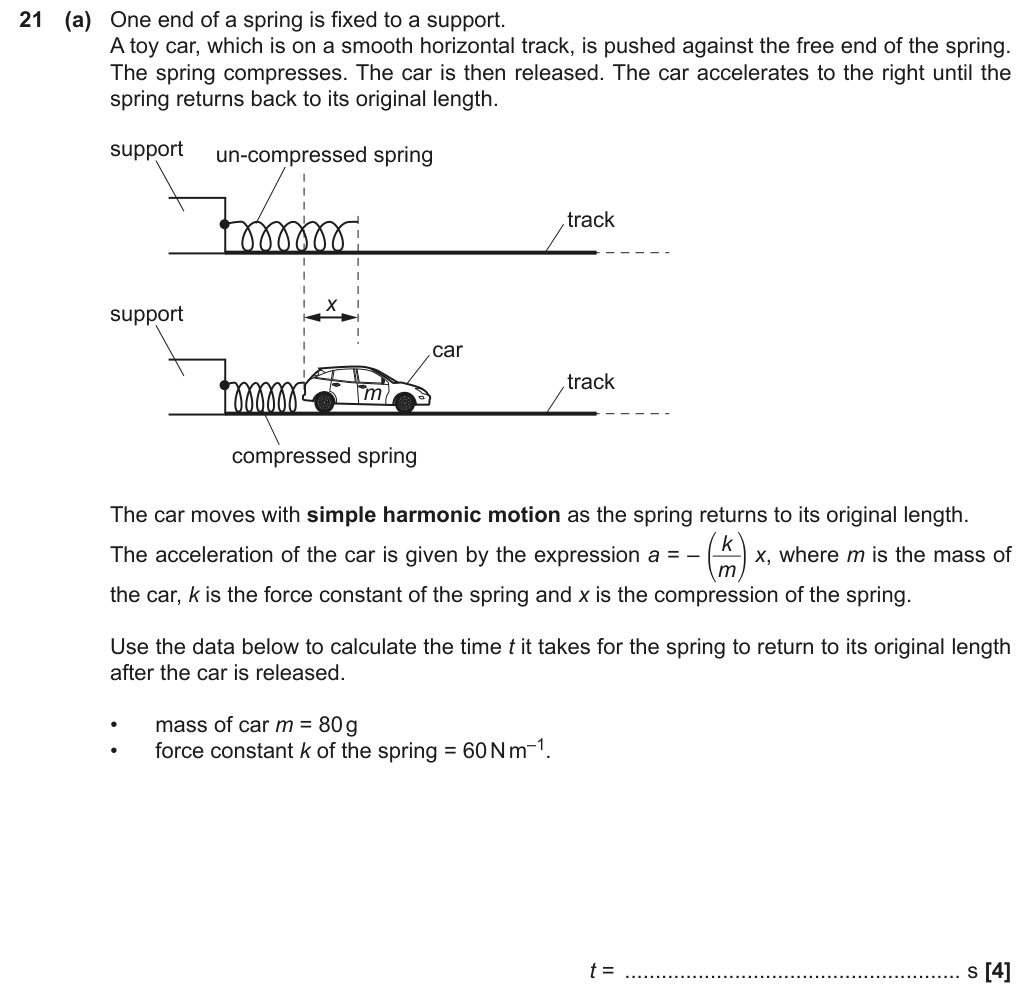
The exercise in this section completed successfully by most candidates was to perform standard calculations stating correct formulae and showing clear working to determine the required quantities. The example (exemplar 4) shown here is of a typical neat script. The most common error was to forget to square quantities in part (ii) or to use the amplitude calculated part (a) rather than the figure given in the stem of this part.
Skills: M2.3 Substitute numerical values into algebraic equations using appropriate units for physical quantities
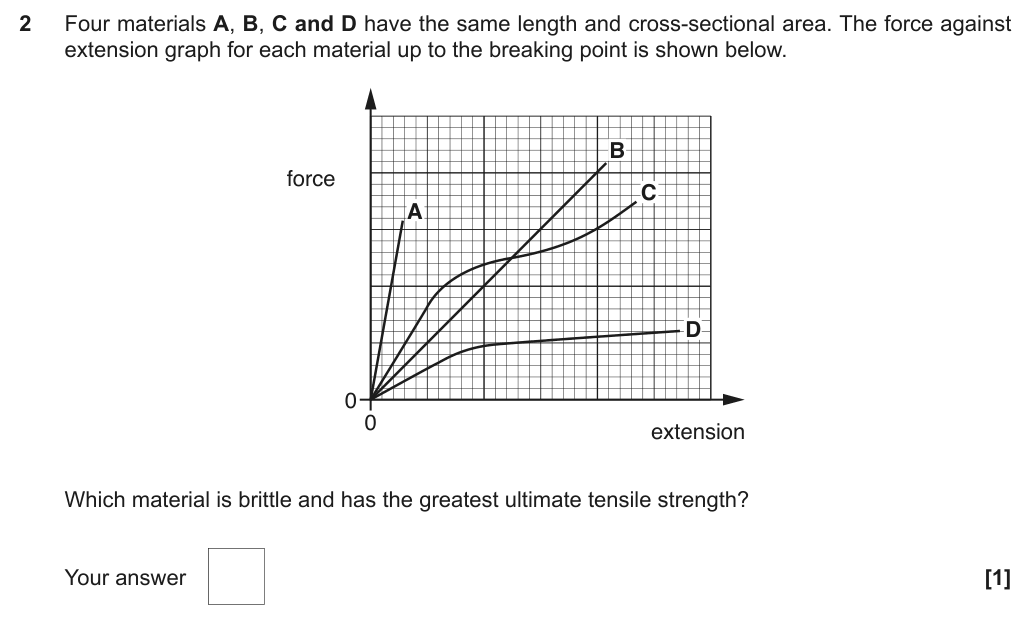
B
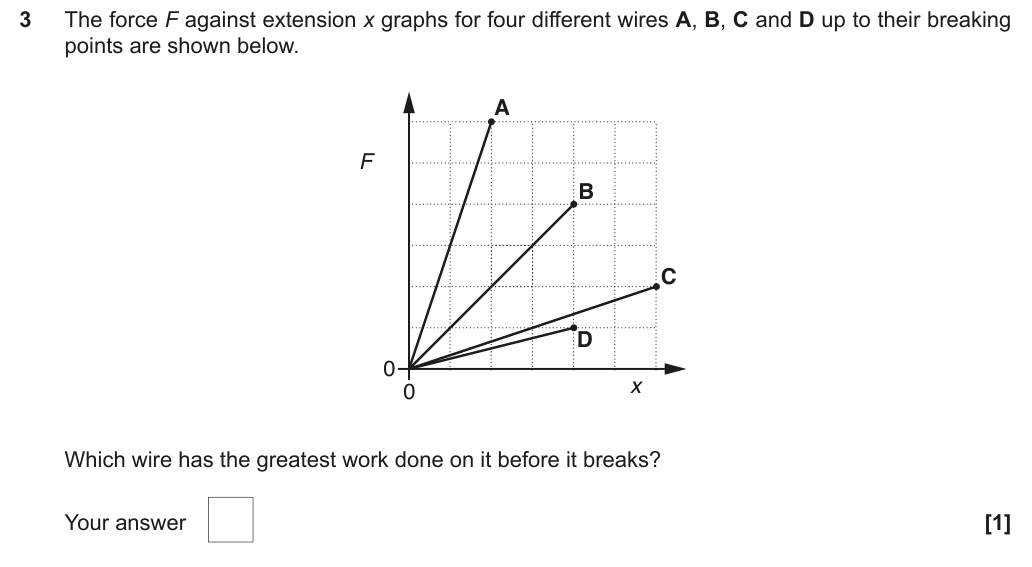
B
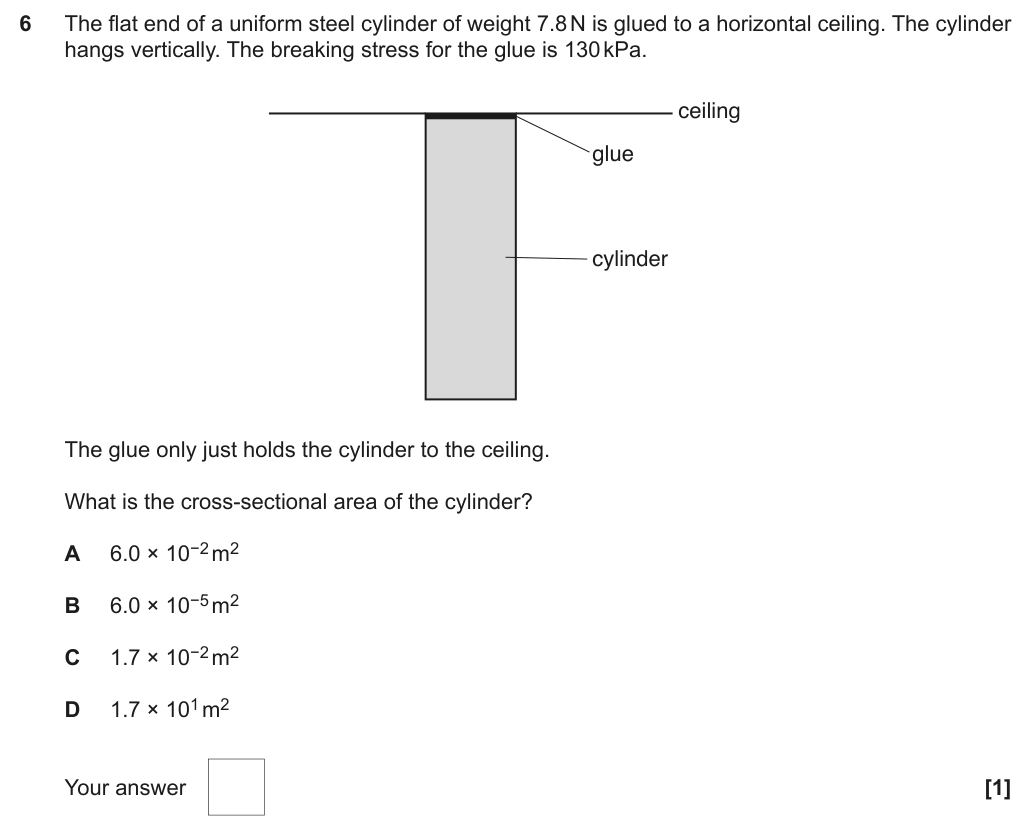
B
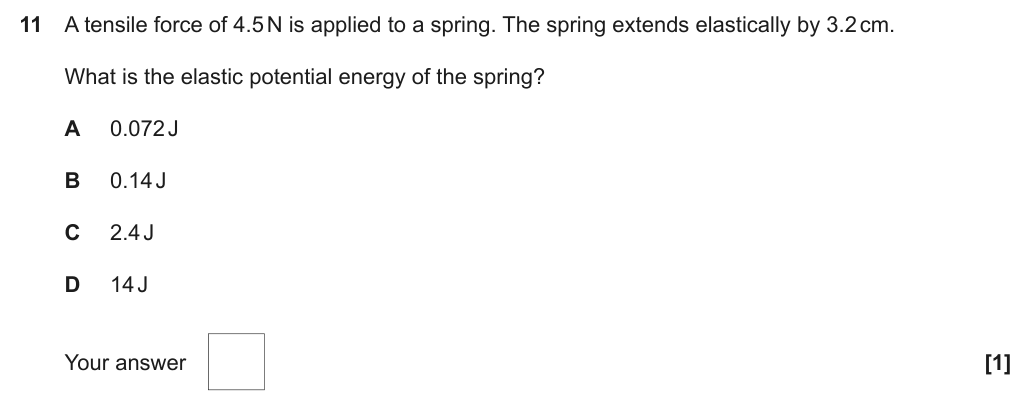
A
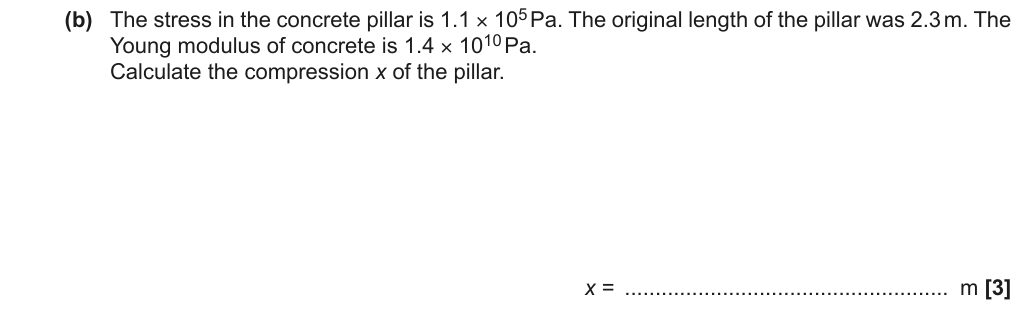
Skills: M0.2 Recognise and use expressions in decimal and standard form; M2.2 Change the subject of an equation, including non-linear equations; M2.3 Substitute numerical values into algebraic equations using appropriate units for physical quantities
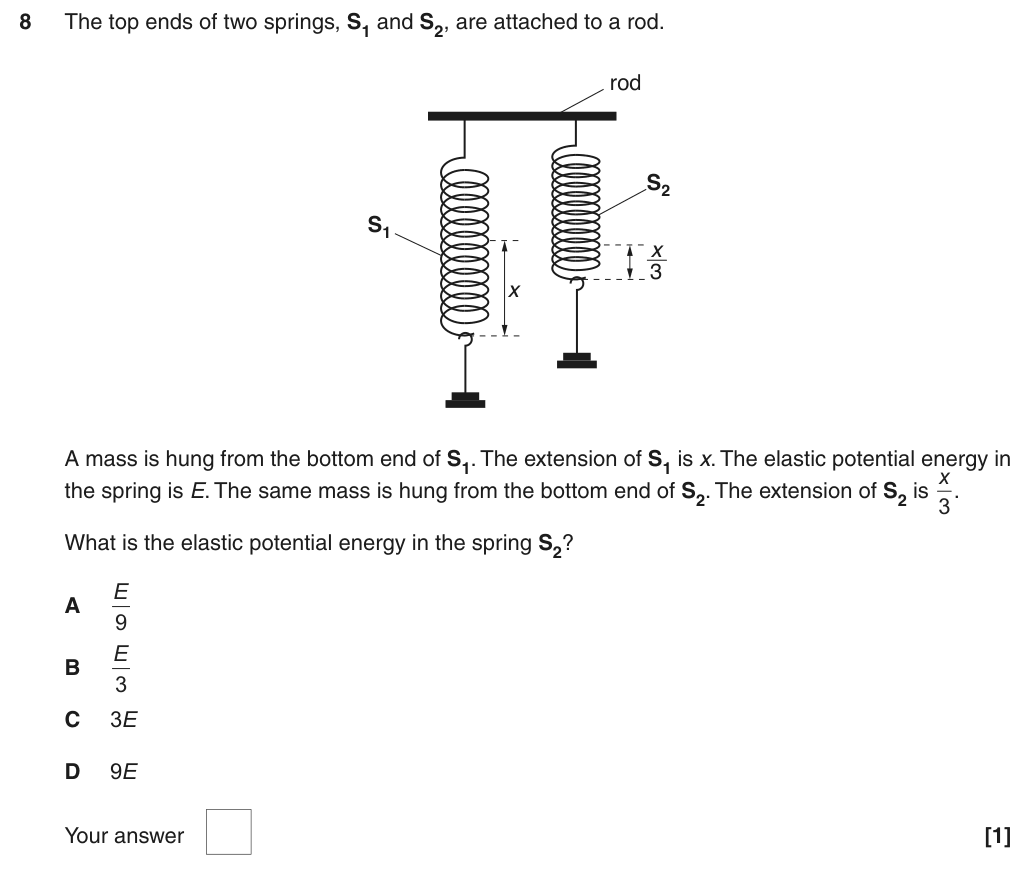
B
D
Skills: M4.3 Calculate areas of triangles, circumferences and areas of circles, surface areas and volumes of rectangular blocks, cylinders and spheres; PAG2 Investigating properties of materials
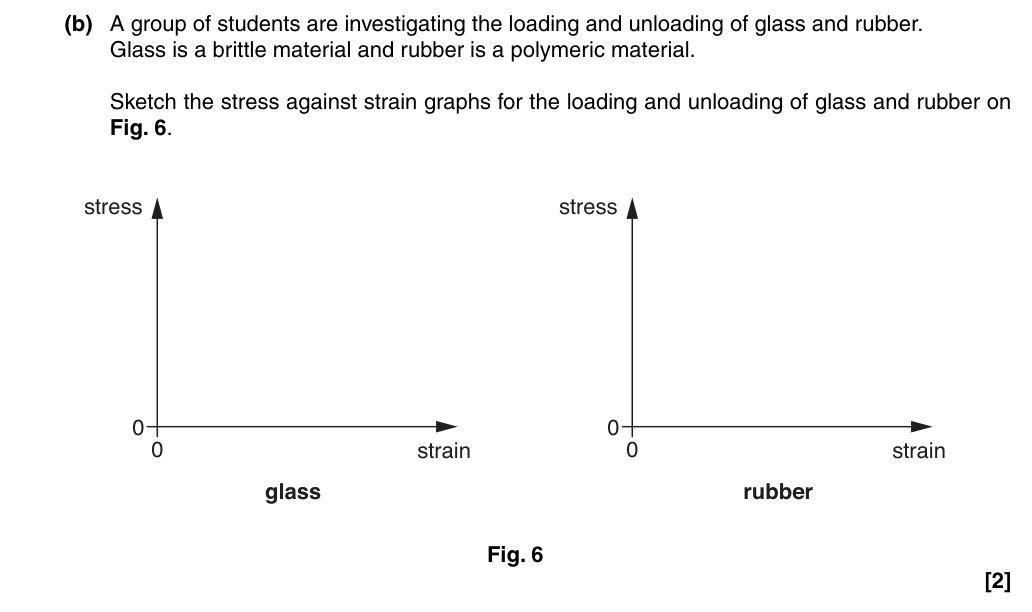
Skills: M3.12 Sketch relationships which are modelled by y = k/x, y = kx², y = k/x², y = kx, y = sin x, y = cos x, y = e^(±x) and y = sin²x, y = cos²x as applied to physical relationships
Dropping marks on calculations, practical questions or the six-mark level of response questions? Book a trial session with a specialist OCR physics tutor.