October 2021: Component 2

100 marks · 40 question parts · Paper, mark scheme and report on Eduqas's site · Have the Data Booklet beside you

Question by question

QTopicMarksAOType
1(a) d.c. circuits 1AO2=1Short answer
1(b)(i) d.c. circuits 3AO1=1,AO2=2Explanation
1(b)(ii) d.c. circuits, Resistance 3AO3=3Calculation
1(b)(iii) Resistance 2AO2=2Calculation
1(b)(iv) Resistance 1AO3=1Short answer
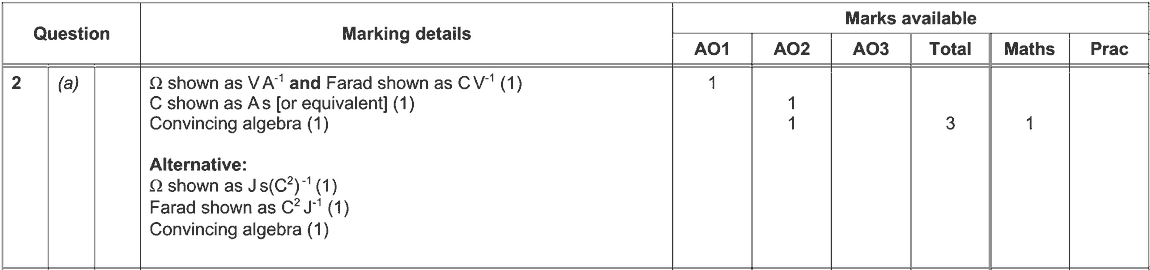
2(a) Basic physics: units, vectors and moments, Capacitance 3AO1=1,AO2=2Show that
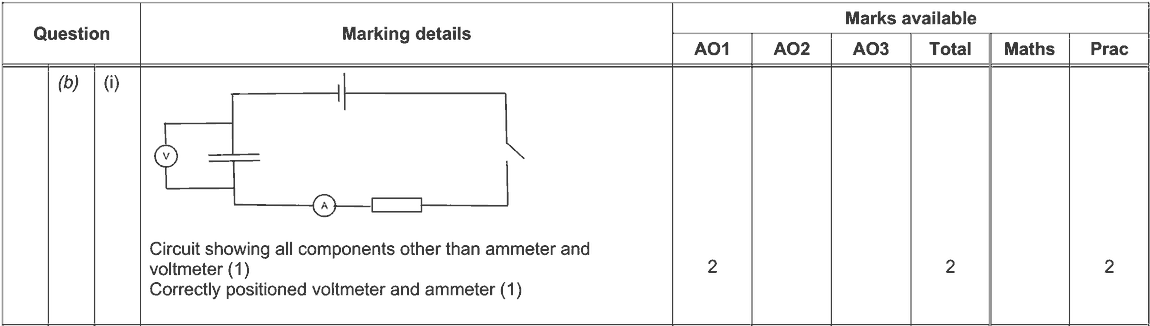
2(b)(i) Capacitance 2AO1=2Diagram or graph
2(b)(ii) Capacitance 4AO1=1,AO2=3Calculation
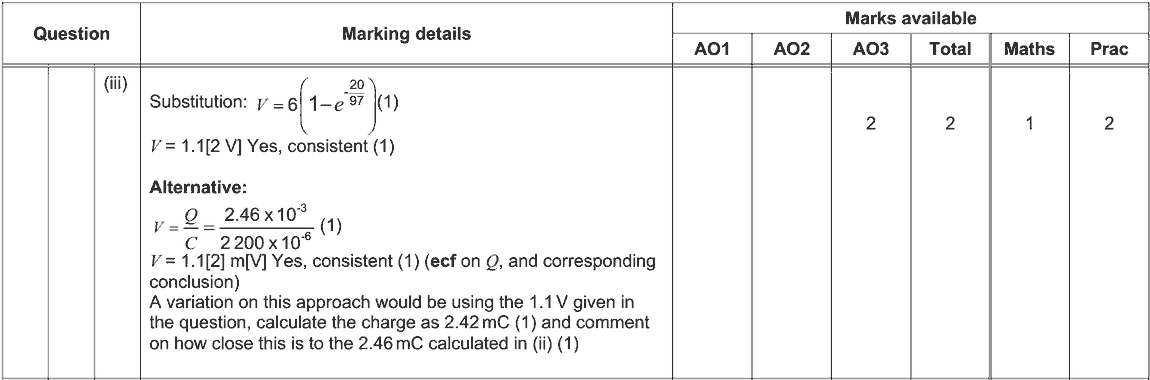
2(b)(iii) Capacitance 2AO3=2Calculation
2(c) Conduction of electricity, Capacitance 1AO2=1Calculation
3(a)(i) Resistance 1AO3=1Practical and data analysis
3(a)(ii) Resistance 2AO2=2Diagram or graph
3(a)(iii) Resistance 3AO2=3Practical and data analysis
3(a)(iv) Resistance 2AO2=2Practical and data analysis
3(b)(i) Resistance 2AO3=2Practical and data analysis
3(b)(ii) Resistance 5AO3=5Practical and data analysis
3(c) Resistance 2AO3=2Practical and data analysis
4(a)(i) Solids under stress 2AO1=2Explanation
4(a)(ii) Solids under stress 2AO1=2Explanation
4(b)(i) Solids under stress 3AO1=1,AO2=2Calculation
4(b)(ii) Solids under stress 2AO2=2Calculation
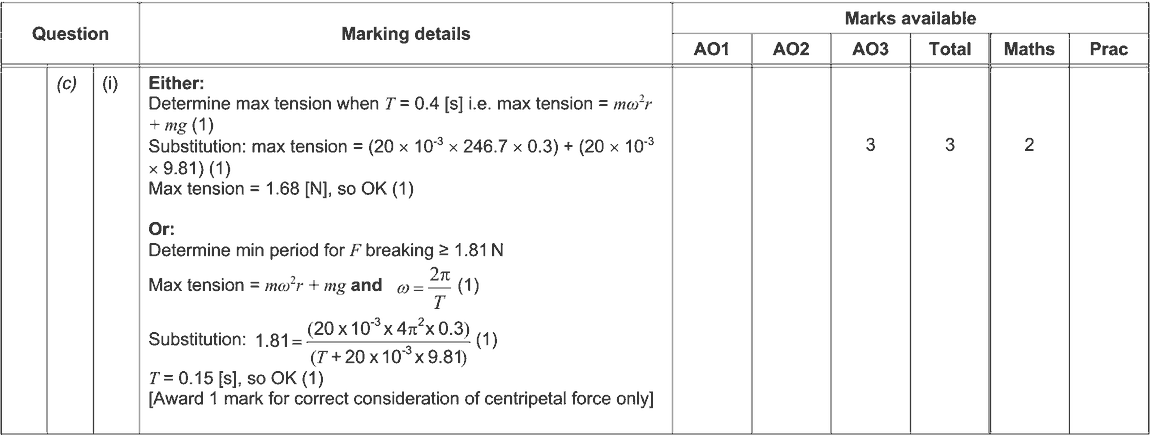
4(c)(i) Circular motion 3AO3=3Show that
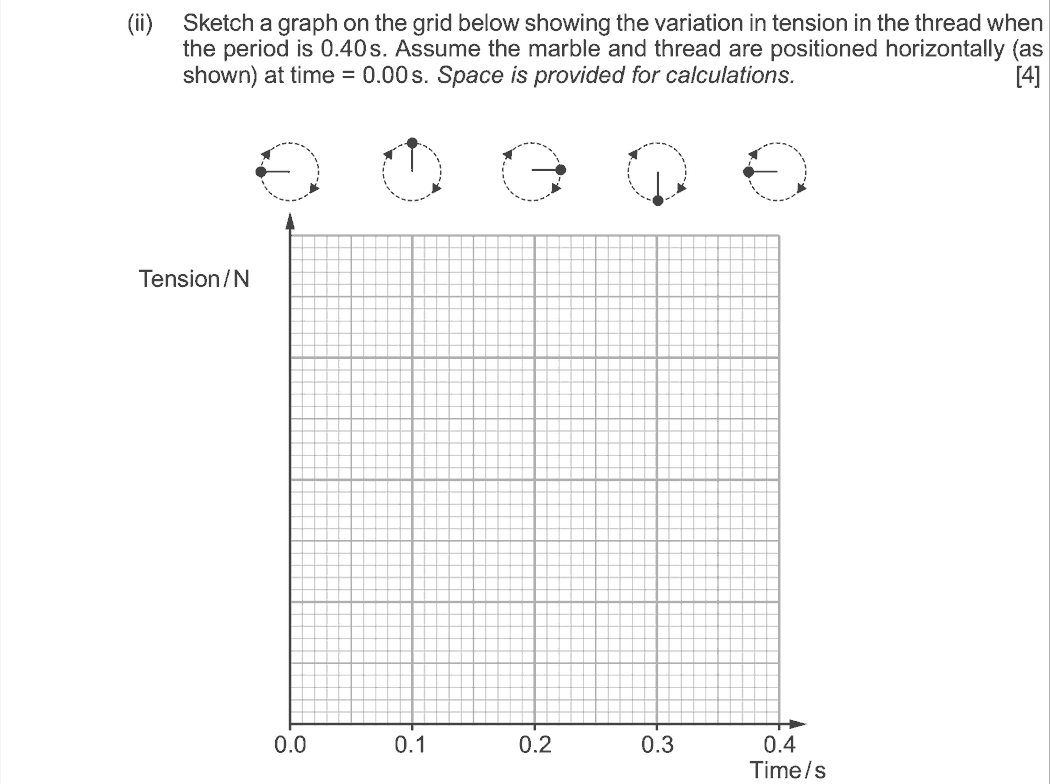
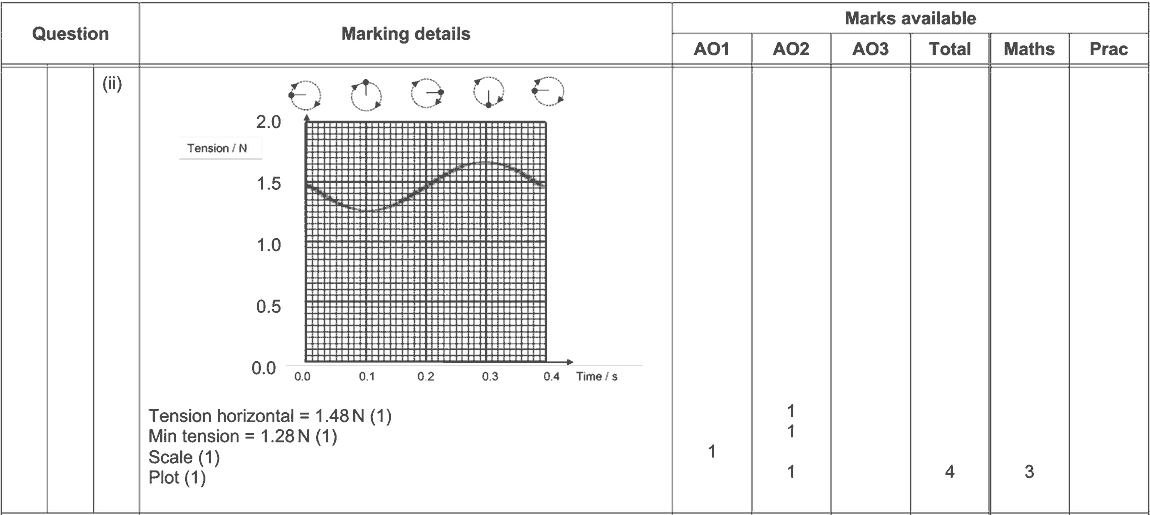
4(c)(ii) Circular motion 4AO1=1,AO2=3Diagram or graph
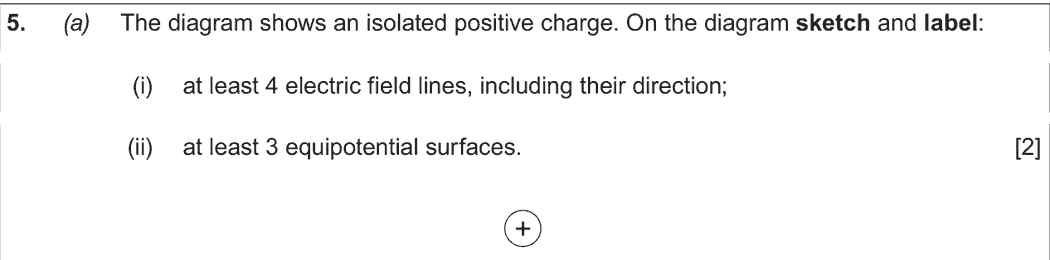
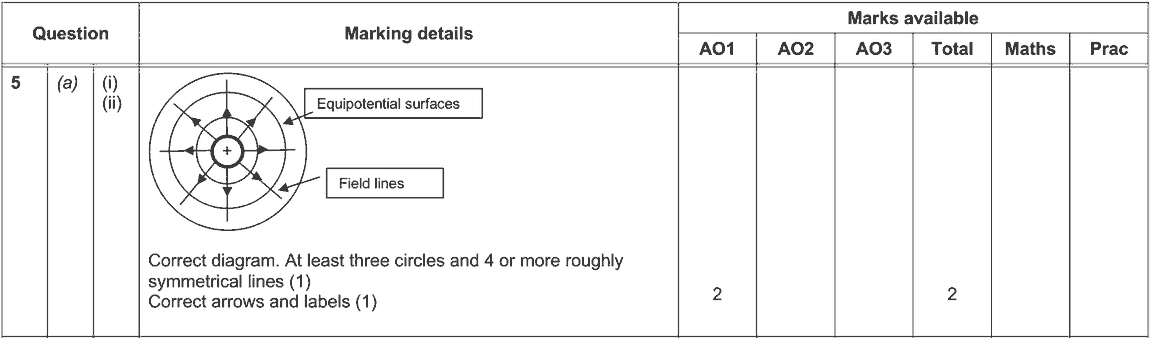
5(a)(ii) Electrostatic and gravitational fields of force 2AO1=2Diagram or graph
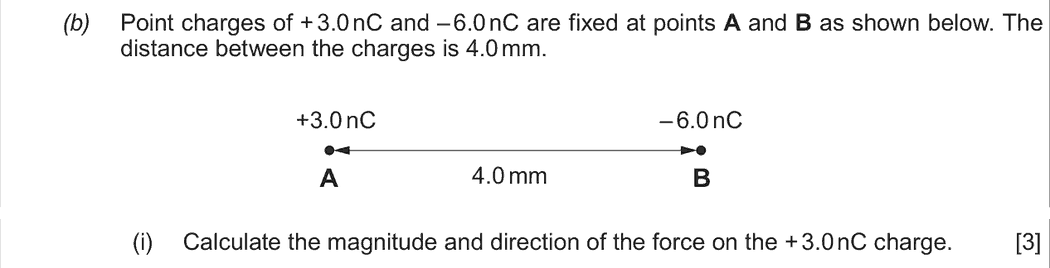
5(b)(i) Electrostatic and gravitational fields of force 3AO1=1,AO2=2Calculation
5(b)(ii) Dynamics: forces and momentum, Electrostatic and gravitational fields of force 2AO1=2Short answer
5(c)(i) Electrostatic and gravitational fields of force 1AO1=1Definition
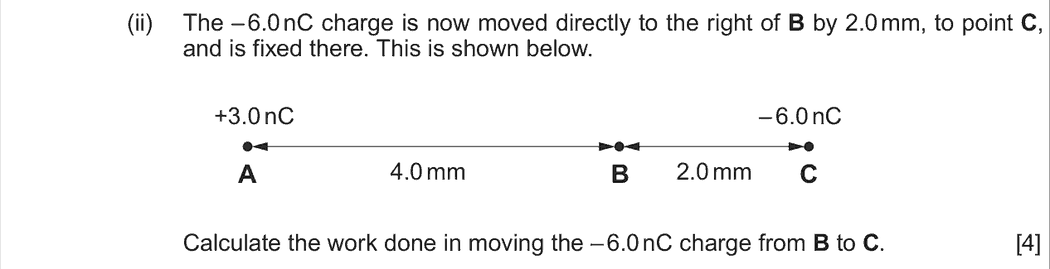
5(c)(ii) Electrostatic and gravitational fields of force 4AO1=1,AO2=3Calculation
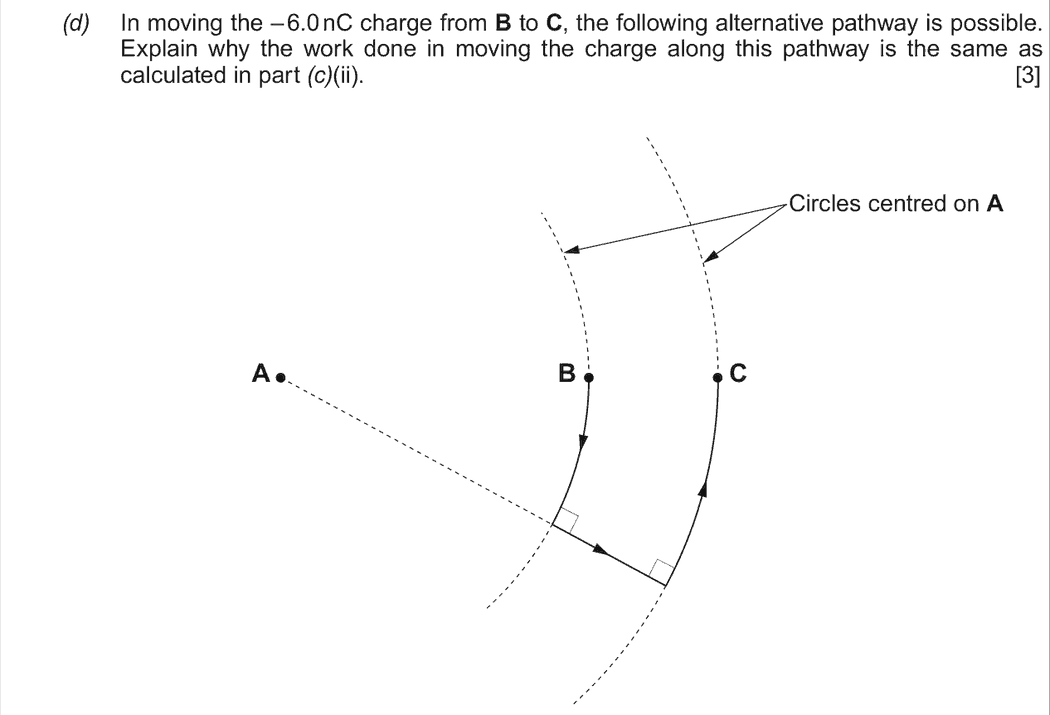
5(d) Electrostatic and gravitational fields of force 3AO1=3Explanation
6 Using radiation to investigate stars 6AO1=6Extended response
7(a)(i) Orbits and the wider universe 1AO2=1Short answer
7(a)(ii) Orbits and the wider universe 2AO2=2Show that
7(a)(iii) Orbits and the wider universe 3AO2=3Calculation
7(a)(iv) Orbits and the wider universe 2AO2=2Calculation
7(b)(i) Orbits and the wider universe 3AO1=1,AO2=2Calculation
7(b)(ii) Orbits and the wider universe 2AO2=2Calculation
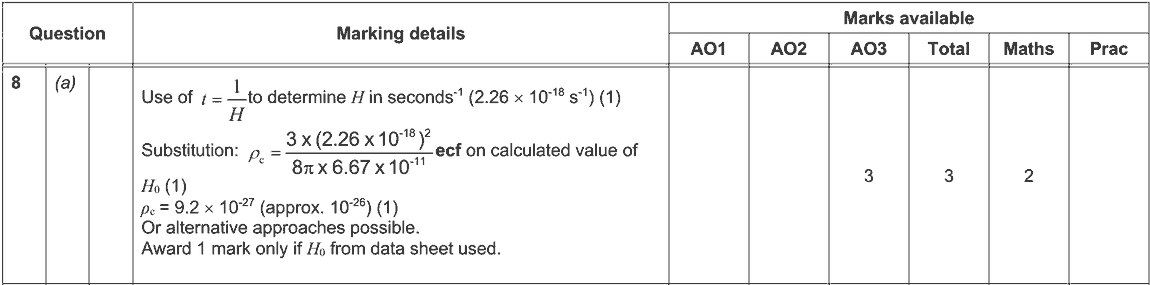
8(a) Orbits and the wider universe 3AO3=3Show that
8(b)(i) Orbits and the wider universe 2AO1=2Explanation
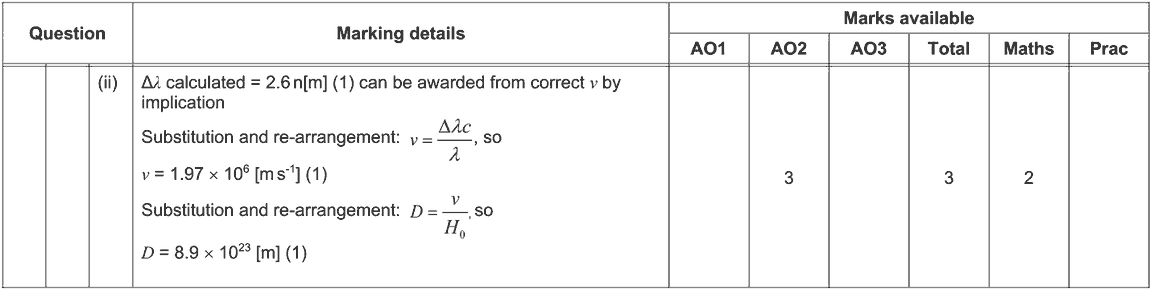
8(b)(ii) Orbits and the wider universe 3AO2=3Calculation
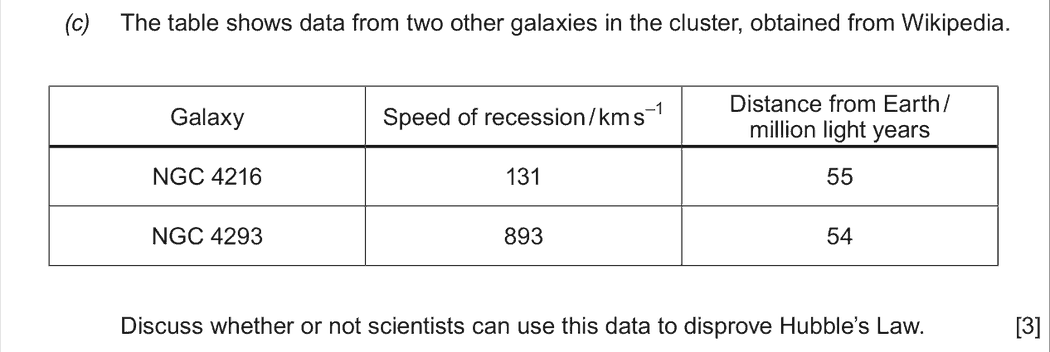
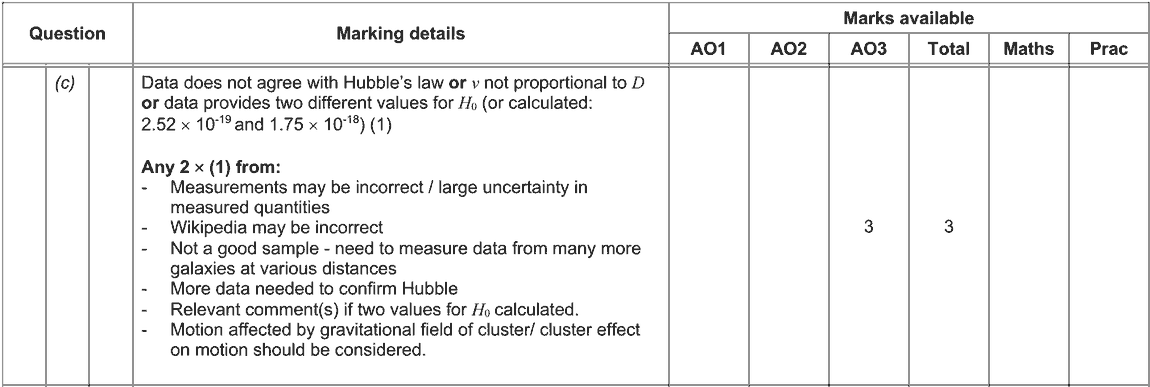
8(c) Orbits and the wider universe 3AO3=3Explanation

The questions

1(a)1(b)(i)1(b)(ii)1(b)(iii)1(b)(iv)2(a)2(b)(i)2(b)(ii)2(b)(iii)2(c)3(a)(i)3(a)(ii)3(a)(iii)3(a)(iv)3(b)(i)3(b)(ii)3(c)4(a)(i)4(a)(ii)4(b)(i)4(b)(ii)4(c)(i)4(c)(ii)5(a)(ii)5(b)(i)5(b)(ii)5(c)(i)5(c)(ii)5(d)67(a)(i)7(a)(ii)7(a)(iii)7(a)(iv)7(b)(i)7(b)(ii)8(a)8(b)(i)8(b)(ii)8(c)
October 2021 · Component 2 · Q1(a) 1 mark AO2=1 Short answer dc circuits
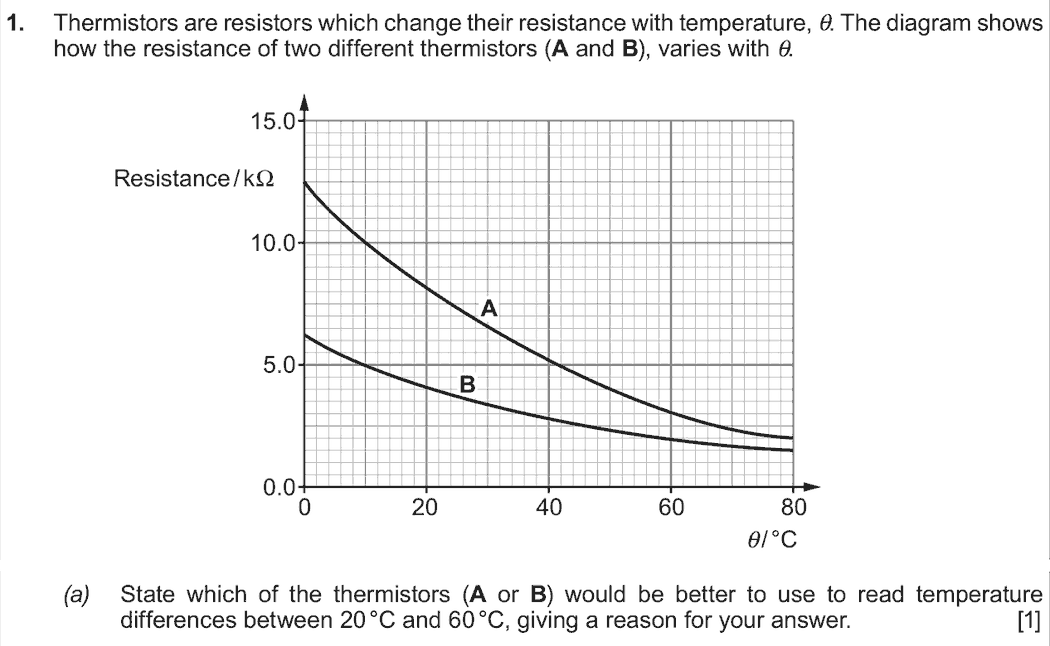
1. Thermistors are resistors which change their resistance with temperature, θ. The diagram shows how the resistance of two different thermistors (A and B), varies with θ. 15.0 Resistance / kΩ 10.0 A 5.0 B 0.0 0 20 40 60 80 θ / °C (a) State which of the thermistors (A or B) would be better to use to read temperature differences between 20 °C and 60 °C, giving a reason for your answer. [1]
October 2021 · Component 2 · Q1(b)(i) 3 marks AO1=1, AO2=2 Explanation dc circuits
Earlier part of question 1 that this part usesEarlier part of October 2021 Component 2 question 1
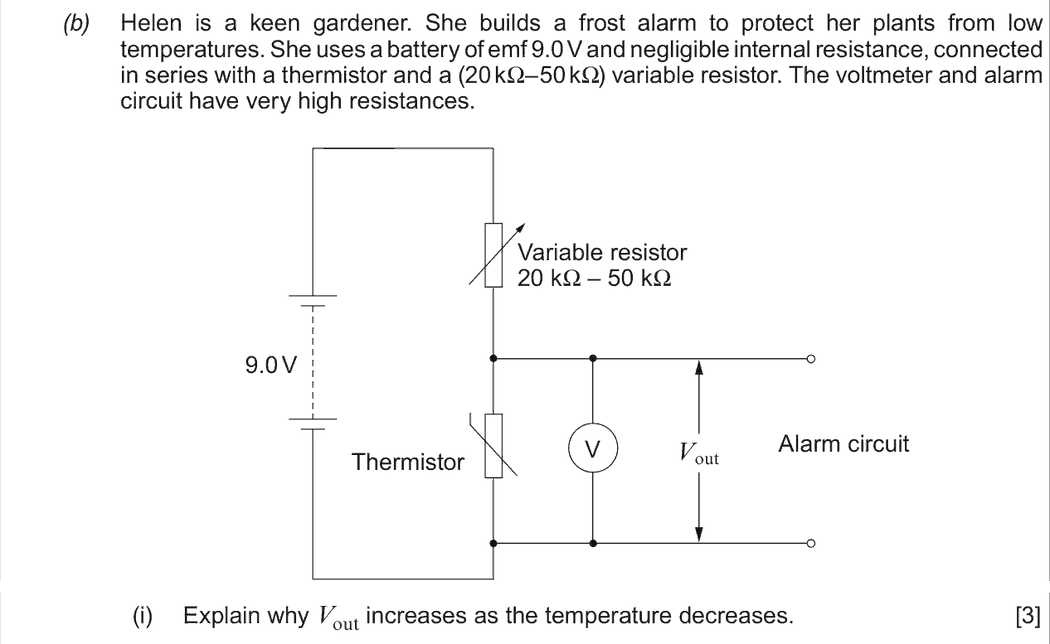
(b) Helen is a keen gardener. She builds a frost alarm to protect her plants from low temperatures. She uses a battery of emf 9.0 V and negligible internal resistance, connected in series with a thermistor and a (20 kΩ–50 kΩ) variable resistor. The voltmeter and alarm circuit have very high resistances. Variable resistor 20 kΩ – 50 kΩ 9.0 V V Alarm circuit Vout Thermistor (i) Explain why Vout increases as the temperature decreases. [3]
October 2021 · Component 2 · Q1(b)(ii) 3 marks AO3=3 Calculation dc circuitsresistance
Earlier parts of question 1 that this part usesEarlier part of October 2021 Component 2 question 1Earlier part of October 2021 Component 2 question 1
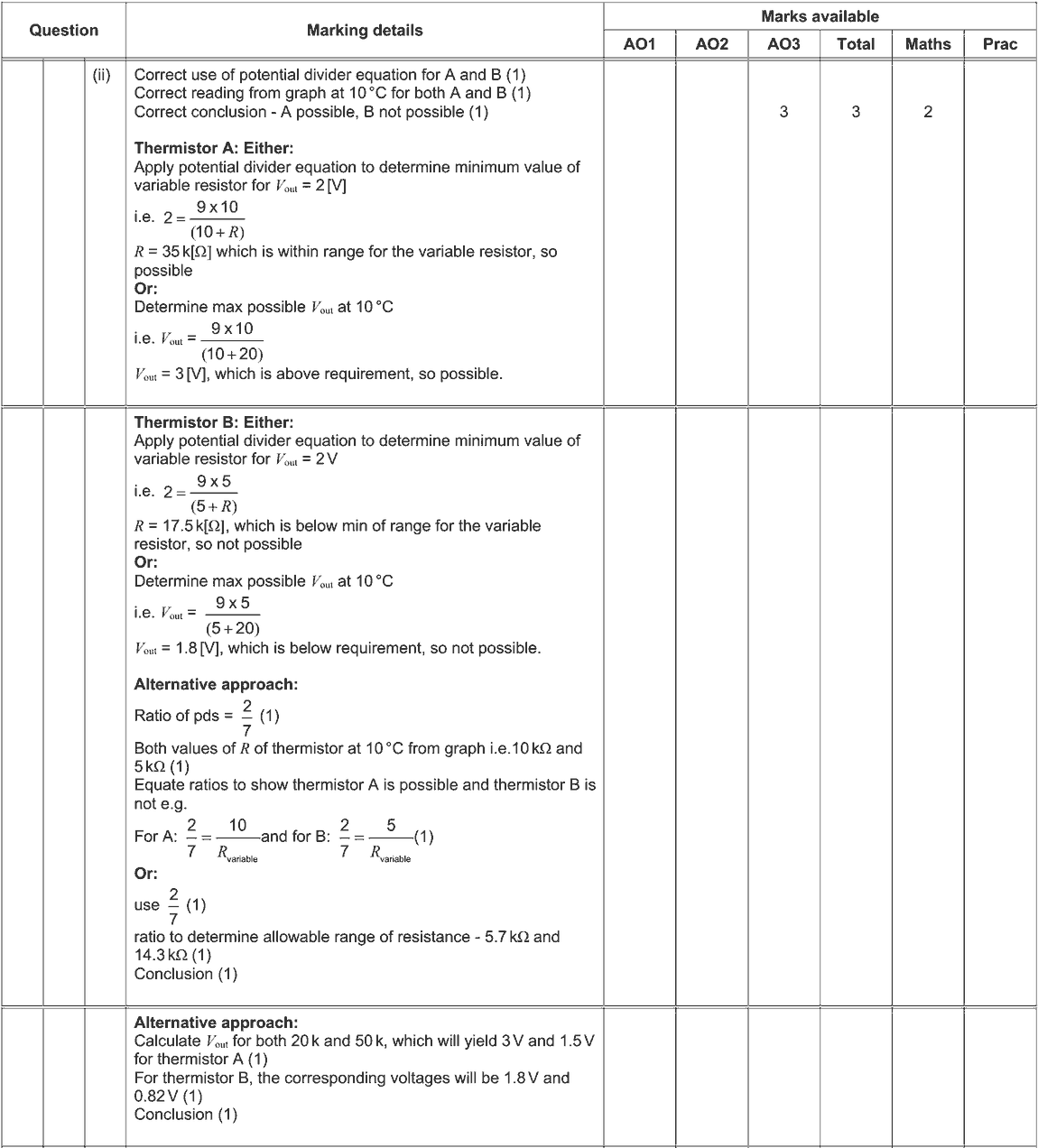
(ii) The alarm will trigger when Vout reaches 2.0 V. Helen wishes to be able to adjust the variable resistor to enable the alarm to be triggered at 10 °C. Determine whether thermistor A or thermistor B or both of them are suitable to use in this situation. [3]
October 2021 · Component 2 · Q1(b)(iii) 2 marks AO2=2 Calculation resistance
Earlier parts of question 1 that this part usesEarlier part of October 2021 Component 2 question 1Earlier part of October 2021 Component 2 question 1
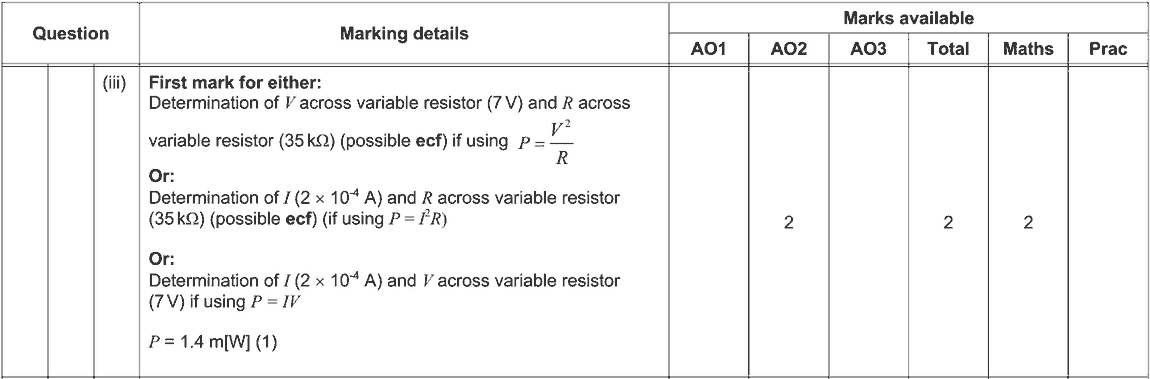
(iii) Hence calculate the power dissipated by the variable resistor when the alarm is activated. [2]
October 2021 · Component 2 · Q1(b)(iv) 1 mark AO3=1 Short answer resistance
Earlier parts of question 1 that this part usesEarlier part of October 2021 Component 2 question 1Earlier part of October 2021 Component 2 question 1
(iv) When deciding where to locate the circuit, Helen places the variable resistor a few mm away from the thermistor. Comment on this decision in light of your answer to part (iii). [1]
October 2021 · Component 2 · Q2(a) 3 marks AO1=1, AO2=2 Show that basic physicscapacitance
2. (a) Show how the unit of the time constant, RC, can be given as the ‘second’. [3]
October 2021 · Component 2 · Q2(b)(i) 2 marks AO1=2 Diagram or graph capacitance
Earlier part of question 2 that this part usesEarlier part of October 2021 Component 2 question 2
(b) A student investigates the charging of a 2 200 μF capacitor through a 44 kΩ resistor placed in series with it. He measures the pd across the capacitor and the current as it is charged from a battery of emf 6.0 V. (i) Sketch a diagram of the circuit he would use to obtain data. [2]
October 2021 · Component 2 · Q2(b)(ii) 4 marks AO1=1, AO2=3 Calculation capacitance
Earlier parts of question 2 that this part usesEarlier part of October 2021 Component 2 question 2Earlier part of October 2021 Component 2 question 2
(ii) Calculate the charge on the capacitor after 20 seconds. [4]
October 2021 · Component 2 · Q2(b)(iii) 2 marks AO3=2 Calculation capacitance
Earlier parts of question 2 that this part usesEarlier part of October 2021 Component 2 question 2Earlier part of October 2021 Component 2 question 2
(iii) The reading on the voltmeter after 20 seconds is noted as 1.1 V. Determine whether or not this is consistent with your answer to part (b)(ii). [2]
October 2021 · Component 2 · Q2(c) 1 mark AO2=1 Calculation conduction of electricitycapacitance
Earlier part of question 2 that this part usesEarlier part of October 2021 Component 2 question 2
(c) Calculate the number of electrons transferred from the positive plate to the negative plate of the capacitor when it is fully charged. [1]
October 2021 · Component 2 · Q3(a)(i) 1 mark AO3=1 Practical and data analysis resistance
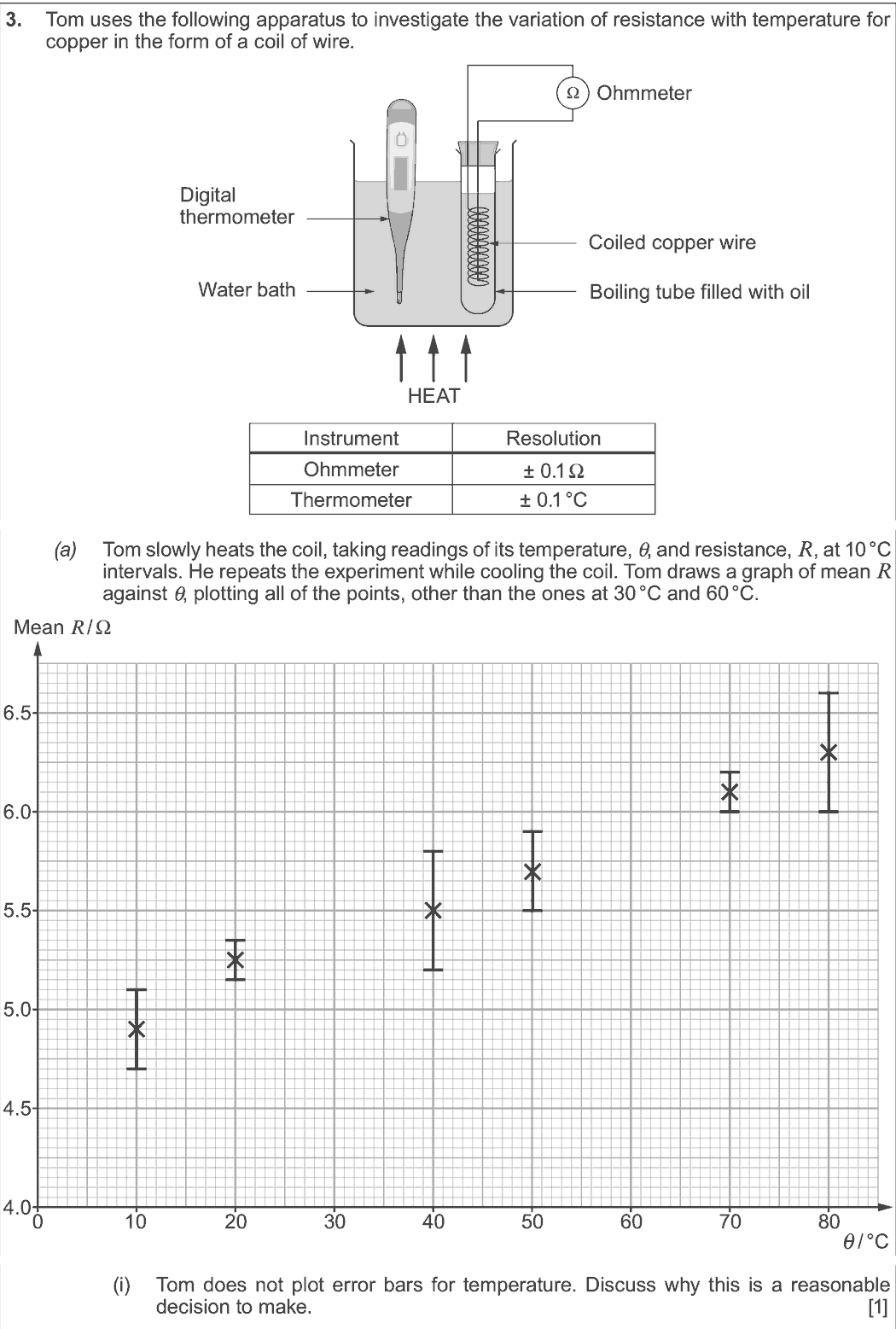
3. Tom uses the following apparatus to investigate the variation of resistance with temperature for copper in the form of a coil of wire. Ω Ohmmeter Digital thermometer Coiled copper wire Water bath Boiling tube filled with oil HEAT Instrument Resolution Ohmmeter ± 0.1 Ω Thermometer ± 0.1 °C (a) Tom slowly heats the coil, taking readings of its temperature, θ, and resistance, R, at 10 °C intervals. He repeats the experiment while cooling the coil. Tom draws a graph of mean R against θ, plotting all of the points, other than the ones at 30 °C and 60 °C. Mean R / Ω 6.5 6.0 5.5 5.0 4.5 4.0 0 10 20 30 40 50 60 70 80 θ / °C (i) Tom does not plot error bars for temperature. Discuss why this is a reasonable decision to make. [1]
October 2021 · Component 2 · Q3(a)(ii) 2 marks AO2=2 Diagram or graph resistance
Earlier part of question 3 that this part usesEarlier part of October 2021 Component 2 question 3
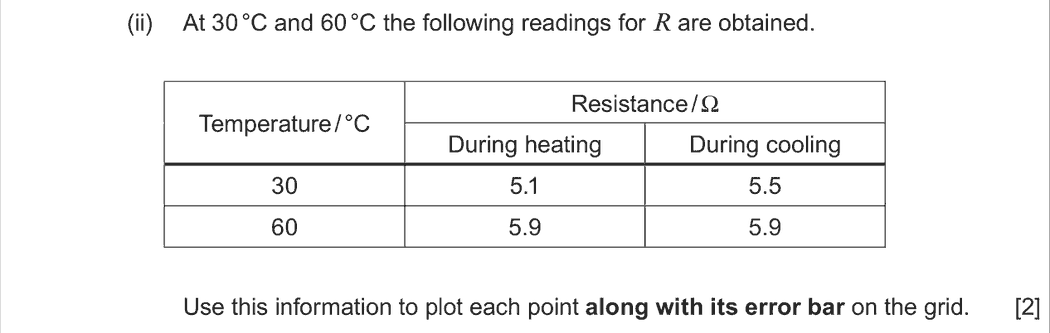
(ii) At 30 °C and 60 °C the following readings for R are obtained. Resistance / Ω Temperature / °C During heating During cooling 30 5.1 5.5 60 5.9 5.9 Use this information to plot each point along with its error bar on the grid. [2]
October 2021 · Component 2 · Q3(a)(iii) 3 marks AO2=3 Practical and data analysis resistance
Earlier part of question 3 that this part usesEarlier part of October 2021 Component 2 question 3
(iii) Draw lines of maximum and minimum gradients and determine the gradients of both lines. [3]
October 2021 · Component 2 · Q3(a)(iv) 2 marks AO2=2 Practical and data analysis resistance
Earlier part of question 3 that this part usesEarlier part of October 2021 Component 2 question 3
(iv) Hence calculate the mean gradient and the percentage uncertainty in its value. [2]
October 2021 · Component 2 · Q3(b)(i) 2 marks AO3=2 Practical and data analysis resistance
Earlier part of question 3 that this part usesEarlier part of October 2021 Component 2 question 3
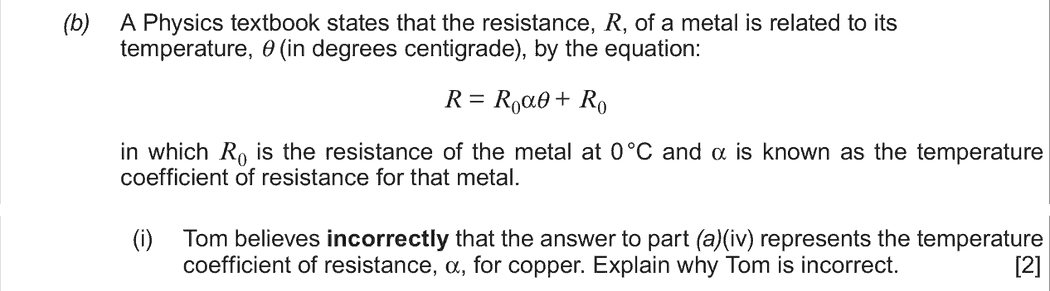
(b) A Physics textbook states that the resistance, R, of a metal is related to its temperature, θ (in degrees centigrade), by the equation: R = R0αθ + R0 in which R0 is the resistance of the metal at 0 °C and α is known as the temperature coefficient of resistance for that metal. (i) Tom believes incorrectly that the answer to part (a)(iv) represents the temperature coefficient of resistance, α, for copper. Explain why Tom is incorrect. [2]
October 2021 · Component 2 · Q3(b)(ii) 5 marks AO3=5 Practical and data analysis resistance
Earlier parts of question 3 that this part usesEarlier part of October 2021 Component 2 question 3Earlier part of October 2021 Component 2 question 3
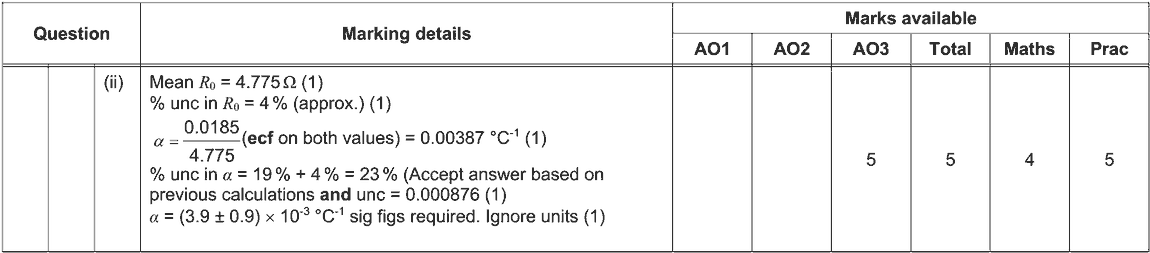
(ii) Determine α for copper, along with its absolute uncertainty. [5]
October 2021 · Component 2 · Q3(c) 2 marks AO3=2 Practical and data analysis resistance
Earlier part of question 3 that this part usesEarlier part of October 2021 Component 2 question 3
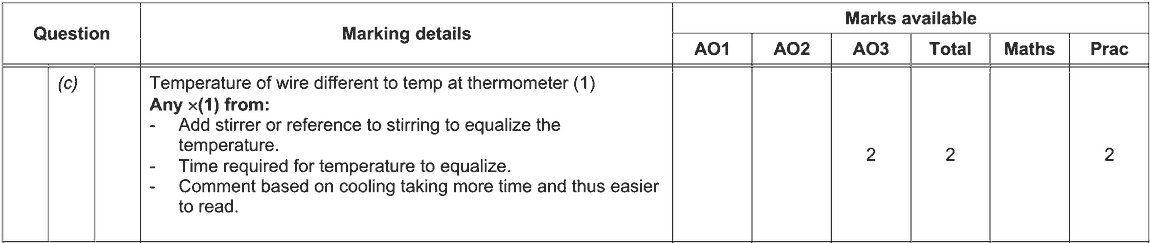
(c) Tom notes that some of the error bars on his graph are large. Give a possible reason for this and suggest what practical steps Tom could have taken to reduce their size. [2]
October 2021 · Component 2 · Q4(a)(i) 2 marks AO1=2 Explanation solids under stress
4. (a) (i) Glass is a brittle material. Briefly describe the process by which glass fractures. [2]
October 2021 · Component 2 · Q4(a)(ii) 2 marks AO1=2 Explanation solids under stress
Earlier part of question 4 that this part usesEarlier part of October 2021 Component 2 question 4
(ii) Car windscreens are made from pre-stressed glass. During production, jets of air cool the hot glass which causes the outside to contract and harden while the inside remains soft. Later, the inside cools and contracts, putting the outside surface under greater compression. Explain how this process makes the windscreen less likely to fracture. [2]


October 2021 · Component 2 · Q4(b)(i) 3 marks AO1=1, AO2=2 Calculation solids under stress
Earlier part of question 4 that this part usesEarlier part of October 2021 Component 2 question 4
(b) (i) A glass marble of mass 20 g is securely attached to a thin nylon thread of length 0.30 m and diameter 0.16 mm. Determine the extension of the thread when the marble is suspended vertically. [Enylon = 2.00 × 10⁹ Pa] [3]
October 2021 · Component 2 · Q4(b)(ii) 2 marks AO2=2 Calculation solids under stress
Earlier parts of question 4 that this part usesEarlier part of October 2021 Component 2 question 4Earlier part of October 2021 Component 2 question 4
(ii) The maximum stress that nylon can withstand before breaking is 9.00 × 10⁷ Pa. Determine the breaking force for this thread. [2]
October 2021 · Component 2 · Q4(c)(i) 3 marks AO3=3 Show that circular motion
Earlier part of question 4 that this part usesEarlier part of October 2021 Component 2 question 4
(c) (i) Ian is a keen Physics student and believes he can whirl the marble, still attached to the thread, in a vertical circle at a rate of 0.40 seconds per complete rotation quite safely, without breaking the thread. Show that he is correct. [Assume the speed is the same throughout the rotation and the length of the thread does not change.] [3]
October 2021 · Component 2 · Q4(c)(ii) 4 marks AO1=1, AO2=3 Diagram or graph circular motion
Earlier parts of question 4 that this part usesEarlier part of October 2021 Component 2 question 4Earlier part of October 2021 Component 2 question 4
(ii) Sketch a graph on the grid below showing the variation in tension in the thread when the period is 0.40 s. Assume the marble and thread are positioned horizontally (as shown) at time = 0.00 s. Space is provided for calculations. [4] Tension / N 0.0 0.1 0.2 0.3 0.4 Time / s
October 2021 · Component 2 · Q5(a)(ii) 2 marks AO1=2 Diagram or graph electrostatic and gravitational fields
5. (a) The diagram shows an isolated positive charge. On the diagram sketch and label: (i) at least 4 electric field lines, including their direction; (ii) at least 3 equipotential surfaces. [2] +
October 2021 · Component 2 · Q5(b)(i) 3 marks AO1=1, AO2=2 Calculation electrostatic and gravitational fields
Earlier part of question 5 that this part usesEarlier part of October 2021 Component 2 question 5
(b) Point charges of + 3.0 nC and – 6.0 nC are fixed at points A and B as shown below. The distance between the charges is 4.0 mm. +3.0 nC – 6.0 nC A 4.0 mm B (i) Calculate the magnitude and direction of the force on the + 3.0 nC charge. [3]
October 2021 · Component 2 · Q5(b)(ii) 2 marks AO1=2 Short answer dynamicselectrostatic and gravitational fields
Earlier parts of question 5 that this part usesEarlier part of October 2021 Component 2 question 5Earlier part of October 2021 Component 2 question 5
(ii) Without further calculation, state the force on the – 6.0 nC charge, giving a reason for your answer. [2]
October 2021 · Component 2 · Q5(c)(i) 1 mark AO1=1 Definition electrostatic and gravitational fields
Earlier part of question 5 that this part usesEarlier part of October 2021 Component 2 question 5
(c) (i) Define electric potential, V, at a point in an electric field. [1]
October 2021 · Component 2 · Q5(c)(ii) 4 marks AO1=1, AO2=3 Calculation electrostatic and gravitational fields
Earlier parts of question 5 that this part usesEarlier part of October 2021 Component 2 question 5Earlier part of October 2021 Component 2 question 5
(ii) The – 6.0 nC charge is now moved directly to the right of B by 2.0 mm, to point C, and is fixed there. This is shown below. +3.0 nC – 6.0 nC A 4.0 mm B 2.0 mm C Calculate the work done in moving the – 6.0 nC charge from B to C. [4]
October 2021 · Component 2 · Q5(d) 3 marks AO1=3 Explanation electrostatic and gravitational fields
Earlier part of question 5 that this part usesEarlier part of October 2021 Component 2 question 5
(d) In moving the – 6.0 nC charge from B to C, the following alternative pathway is possible. Explain why the work done in moving the charge along this pathway is the same as calculated in part (c)(ii). [3] Circles centred on A A B C
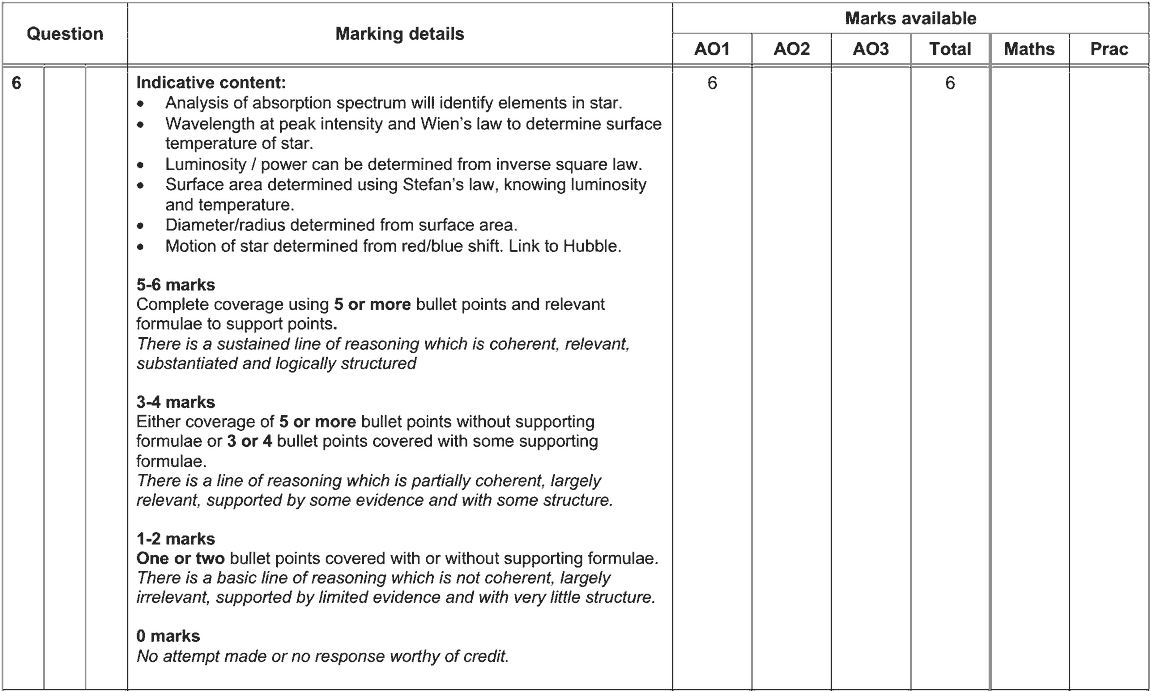
October 2021 · Component 2 · Q6 6 marks AO1=6 6-mark extended response radiation and stars
6. Astronomers can learn much about a star from: • measuring the intensity of radiation originating from the star; • knowing its distance from the Earth; • studying its spectrum. Explain how this information can be used to determine the properties of a star. [6 QER]
October 2021 · Component 2 · Q7(a)(i) 1 mark AO2=1 Short answer orbits and the wider universe
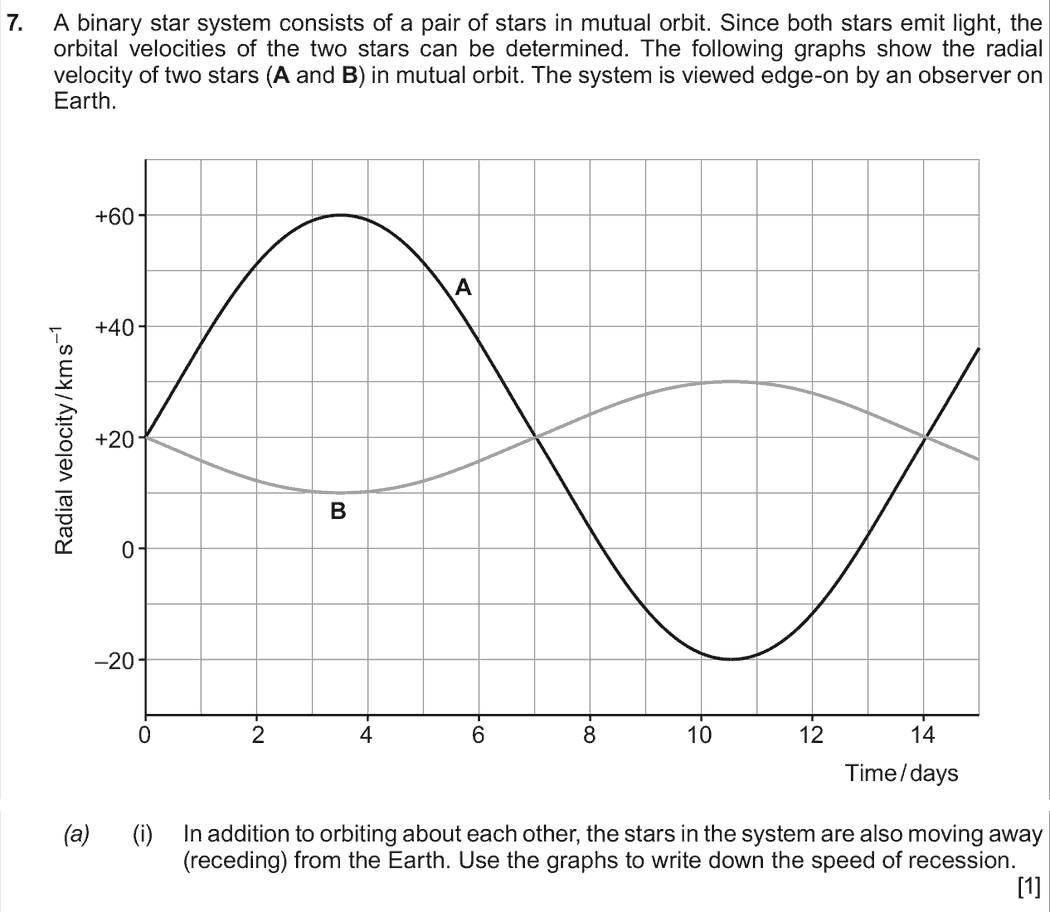
7. A binary star system consists of a pair of stars in mutual orbit. Since both stars emit light, the orbital velocities of the two stars can be determined. The following graphs show the radial velocity of two stars (A and B) in mutual orbit. The system is viewed edge-on by an observer on Earth. +60 A +40 velocity / km s–1 +20 Radial B 0 –20 0 2 4 6 8 10 12 14 Time / days (a) (i) In addition to orbiting about each other, the stars in the system are also moving away (receding) from the Earth. Use the graphs to write down the speed of recession. [1]
October 2021 · Component 2 · Q7(a)(ii) 2 marks AO2=2 Show that orbits and the wider universe
Earlier part of question 7 that this part usesEarlier part of October 2021 Component 2 question 7
(ii) Show that: the orbiting speed of star A = 4 × the orbiting speed of star B. [2]
October 2021 · Component 2 · Q7(a)(iii) 3 marks AO2=3 Calculation orbits and the wider universe
Earlier part of question 7 that this part usesEarlier part of October 2021 Component 2 question 7
(iii) Calculate the radius of the orbit of star A. [3]
October 2021 · Component 2 · Q7(a)(iv) 2 marks AO2=2 Calculation orbits and the wider universe
Earlier part of question 7 that this part usesEarlier part of October 2021 Component 2 question 7
(iv) Hence calculate the separation of the stars. [2]
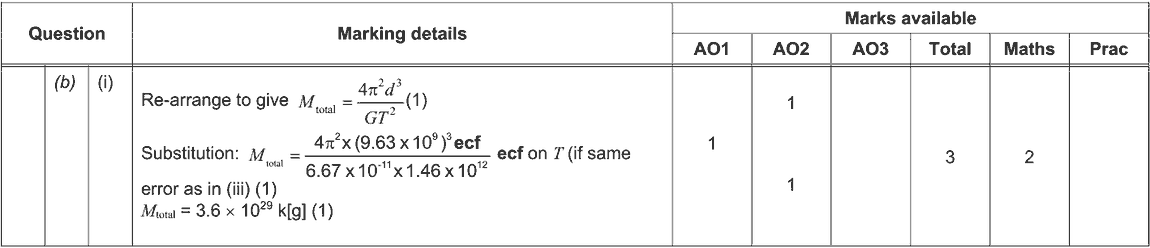
October 2021 · Component 2 · Q7(b)(i) 3 marks AO1=1, AO2=2 Calculation orbits and the wider universe
Earlier part of question 7 that this part usesEarlier part of October 2021 Component 2 question 7
(b) (i) Calculate the total mass of the binary star system. [3]
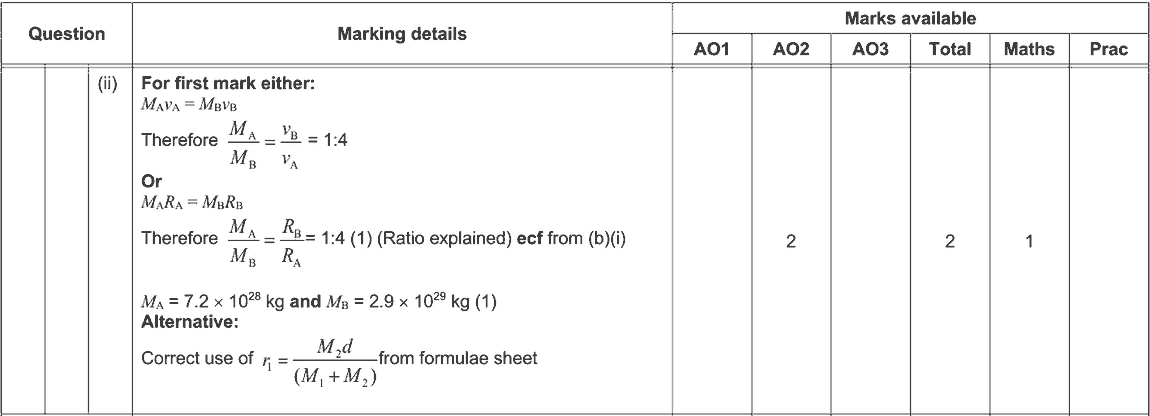
October 2021 · Component 2 · Q7(b)(ii) 2 marks AO2=2 Calculation orbits and the wider universe
Earlier parts of question 7 that this part usesEarlier part of October 2021 Component 2 question 7Earlier part of October 2021 Component 2 question 7
(ii) Explaining your reasoning, determine the individual masses of both star A and star B. [2]
October 2021 · Component 2 · Q8(a) 3 marks AO3=3 Show that orbits and the wider universe
8. (a) A Physics textbook states: ‘The universe was created about 14 billion years ago.’ Show that this statement is consistent with the current critical density of the universe of about 10–26 kg m–3. [1 billion years = 109 years] [3]
October 2021 · Component 2 · Q8(b)(i) 2 marks AO1=2 Explanation orbits and the wider universe
Earlier part of question 8 that this part usesEarlier part of October 2021 Component 2 question 8
(b) The Virgo cluster contains roughly 1 300 galaxies. NGC 4152 is one galaxy in this cluster. Astronomers measure the wavelength of a specific spectral line from NGC 4152 to be 399.4 nm. The laboratory wavelength is 396.8 nm. (i) Explain what the astronomers can deduce about the galaxy’s movement in relation to the Earth. [No calculations are required]. [2]
October 2021 · Component 2 · Q8(b)(ii) 3 marks AO2=3 Calculation orbits and the wider universe
Earlier parts of question 8 that this part usesEarlier part of October 2021 Component 2 question 8Earlier part of October 2021 Component 2 question 8
(ii) Determine the distance of NGC 4152 from the Earth. [3]
October 2021 · Component 2 · Q8(c) 3 marks AO3=3 Explanation orbits and the wider universe
Earlier part of question 8 that this part usesEarlier part of October 2021 Component 2 question 8
(c) The table shows data from two other galaxies in the cluster, obtained from Wikipedia. Distance from Earth / Galaxy Speed of recession / km s–1 million light years NGC 4216 131 55 NGC 4293 893 54 Discuss whether or not scientists can use this data to disprove Hubble’s Law. [3]

Work with an Eduqas physics tutor

Want a paper marked and gone through with you? Message us.

Prefer email? Send an enquiry

If you are under 18, please include a parent's contact details. Enquiries go to enquiries@physicsaleveltutor.com and are deleted once handled. All tutoring is online.