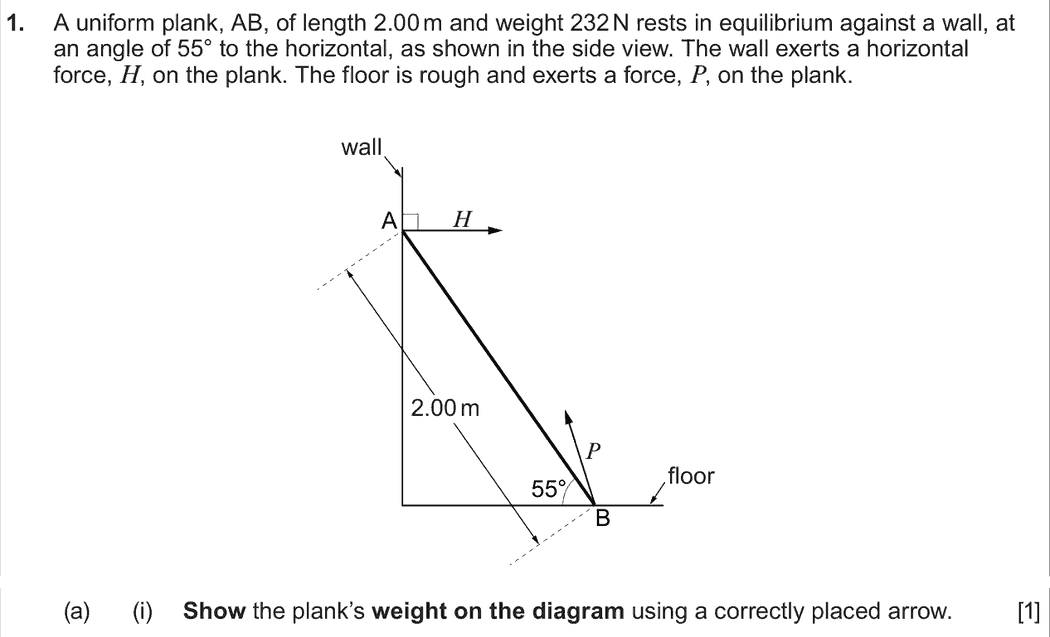
| 1(a)(i) | Basic physics: units, vectors and moments | 1 | AO1=1 | Diagram or graph |
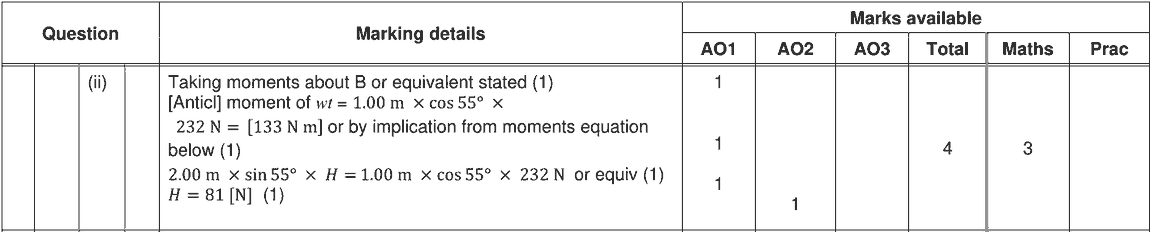
| 1(a)(ii) | Basic physics: units, vectors and moments | 4 | AO1=3,AO2=1 | Show that |
| 1(a)(iii) | Basic physics: units, vectors and moments | 3 | AO2=3 | Calculation |
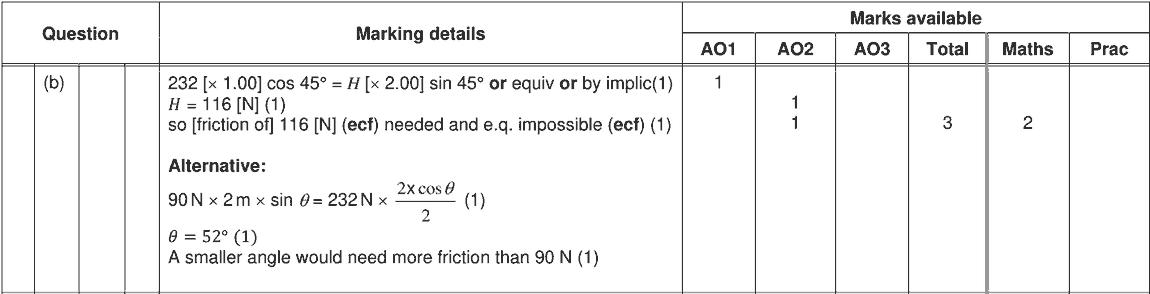
| 1(b) | Basic physics: units, vectors and moments | 3 | AO1=1,AO2=2 | Show that |
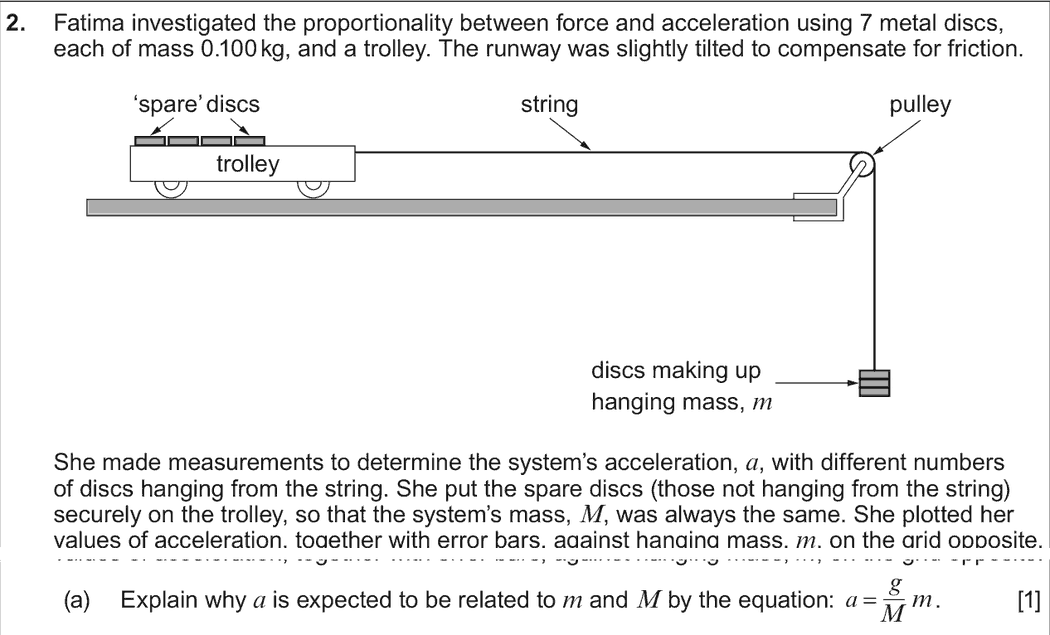
| 2(a) | Dynamics: forces and momentum | 1 | AO2=1 | Practical and data analysis |
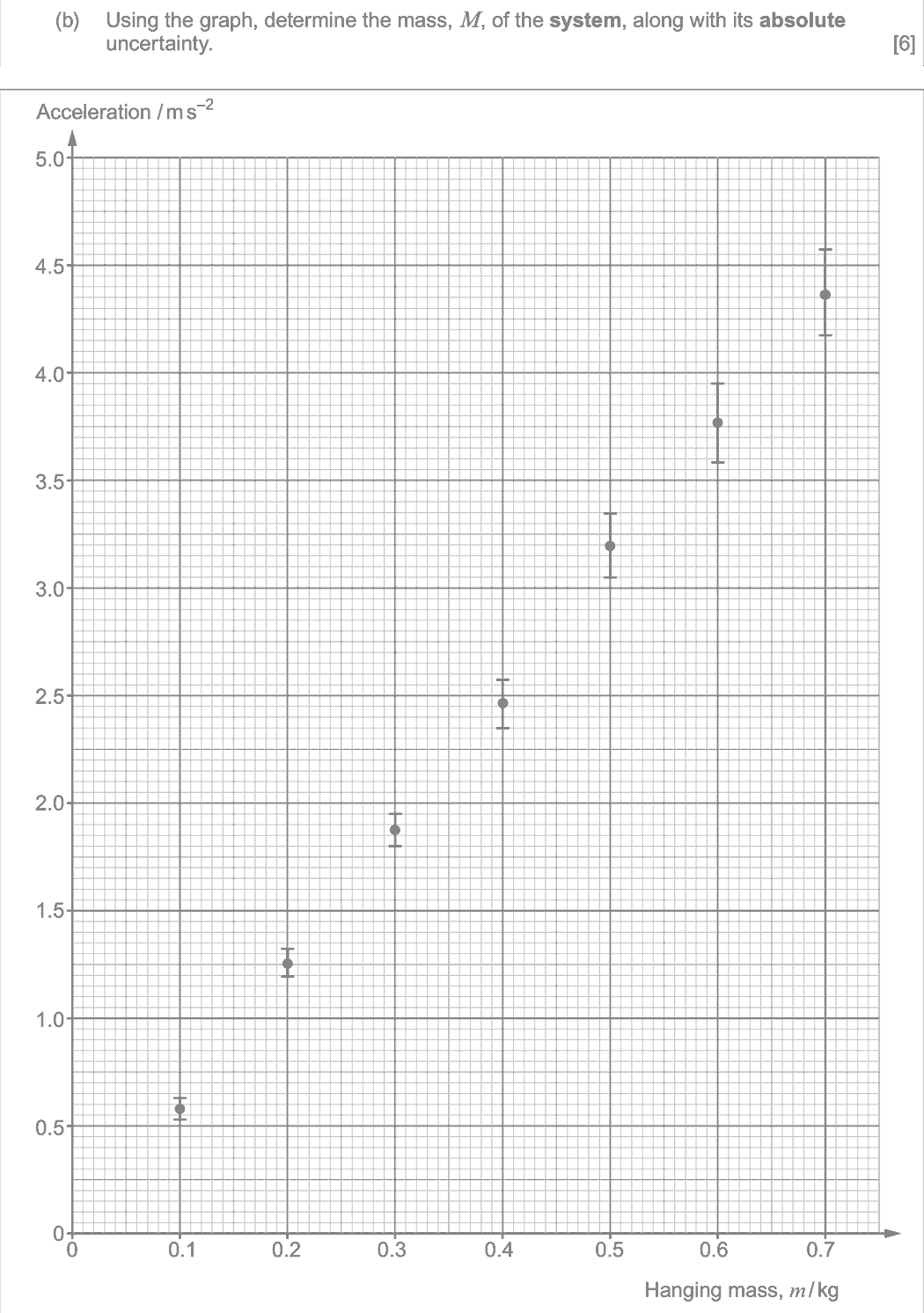
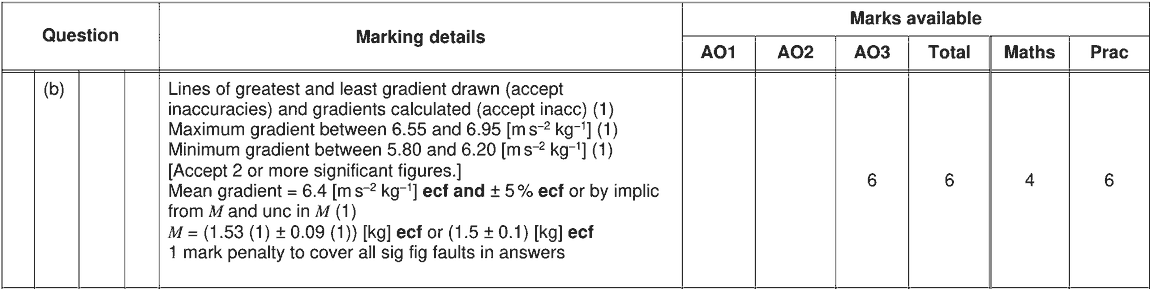
| 2(b) | Dynamics: forces and momentum | 6 | AO3=6 | Practical and data analysis |
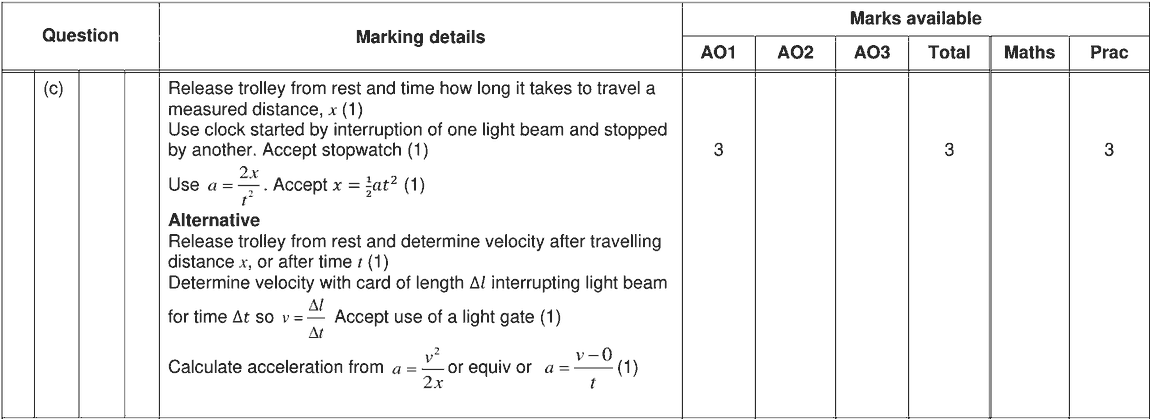
| 2(c) | Dynamics: forces and momentum, Kinematics | 3 | AO1=3 | Practical and data analysis |
| 3(a)(i) | Dynamics: forces and momentum | 2 | AO1=2 | Definition |
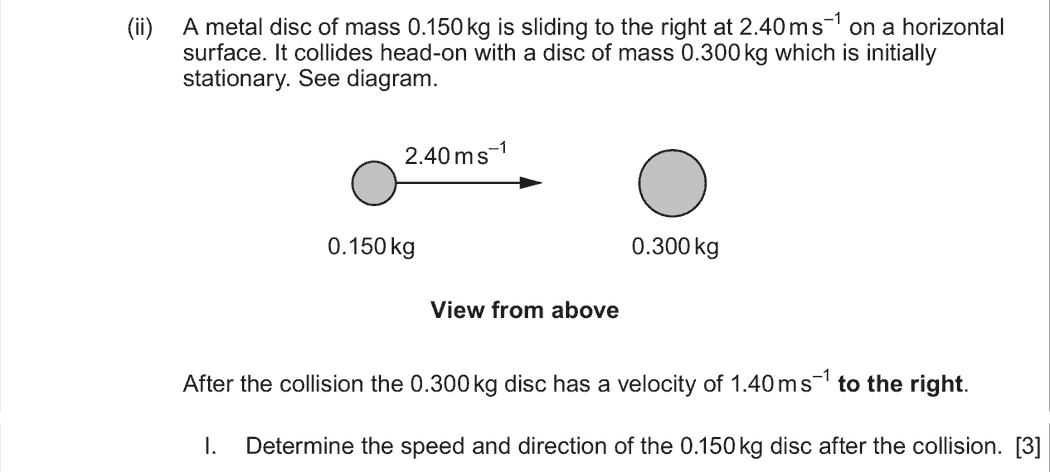
| 3(a)(ii)I | Dynamics: forces and momentum | 3 | AO1=1,AO2=2 | Calculation |
| 3(a)(ii)II | Dynamics: forces and momentum, Energy concepts | 2 | AO1=1,AO2=1 | Calculation |
| 3(a)(ii)III | Energy concepts | 2 | AO1=2 | Explanation |
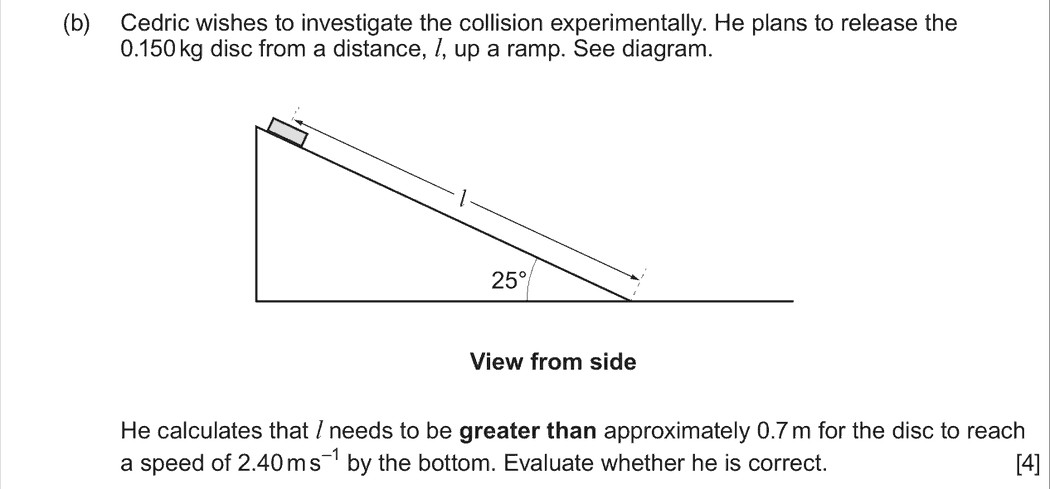
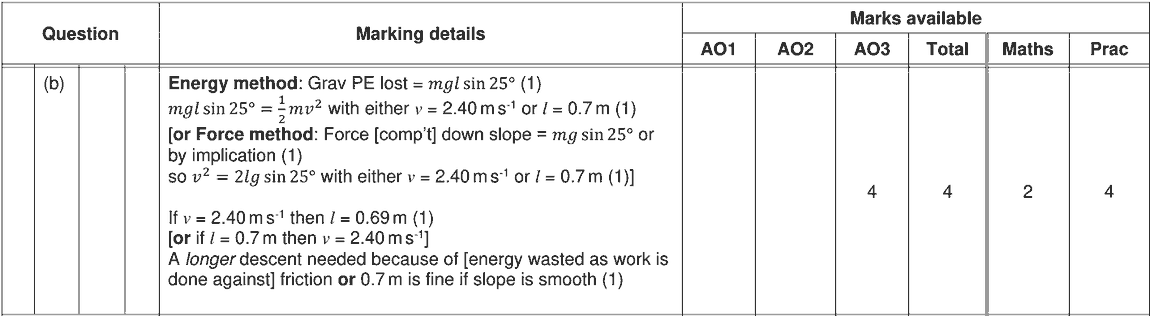
| 3(b) | Energy concepts, Basic physics: units, vectors and moments | 4 | AO3=4 | Calculation |
| 4(a) | Circular motion | 2 | AO1=2 | Explanation |
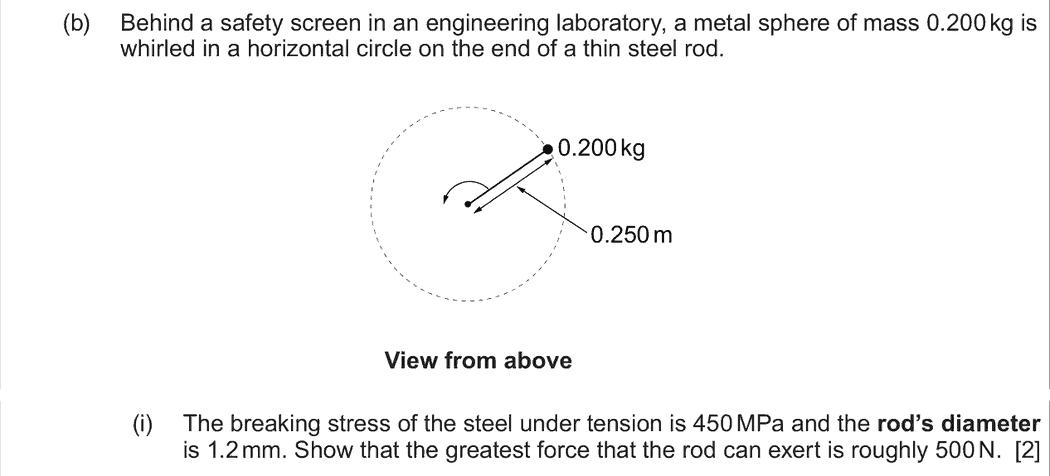
| 4(b)(i) | Solids under stress | 2 | AO1=1,AO2=1 | Show that |
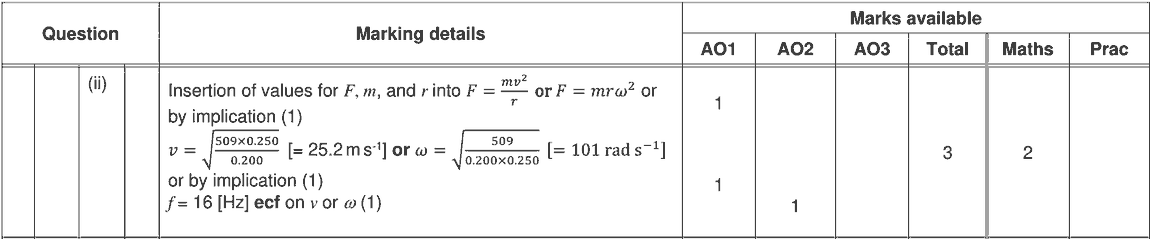
| 4(b)(ii) | Circular motion | 3 | AO1=2,AO2=1 | Calculation |
| 4(b)(iii)I | Circular motion | 1 | AO2=1 | Short answer |
| 4(b)(iii)II | Circular motion | 1 | AO3=1 | Explanation |
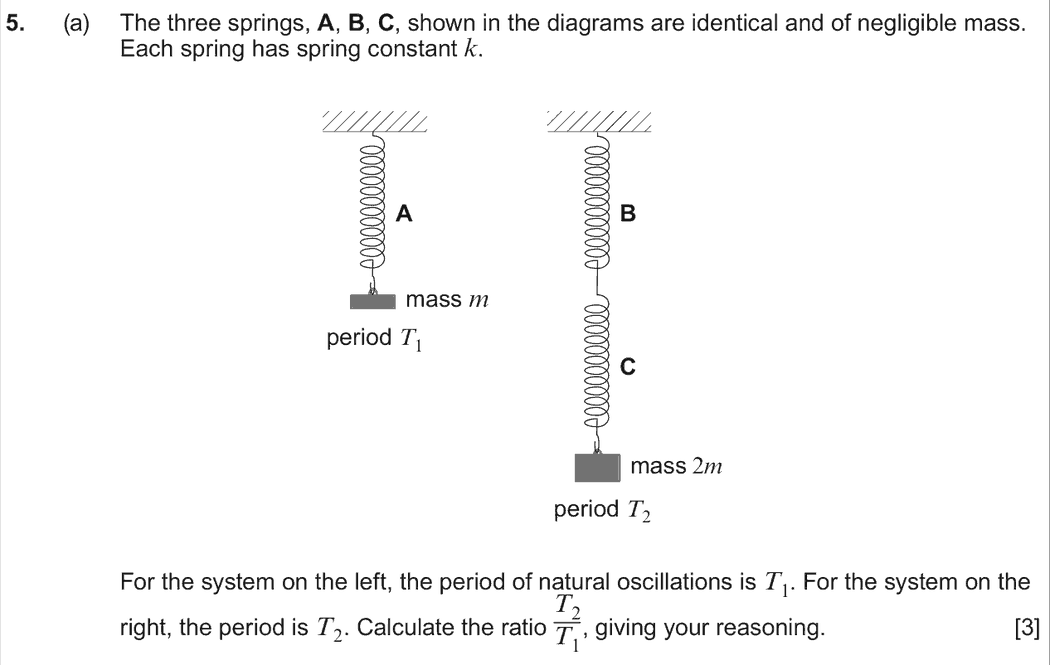
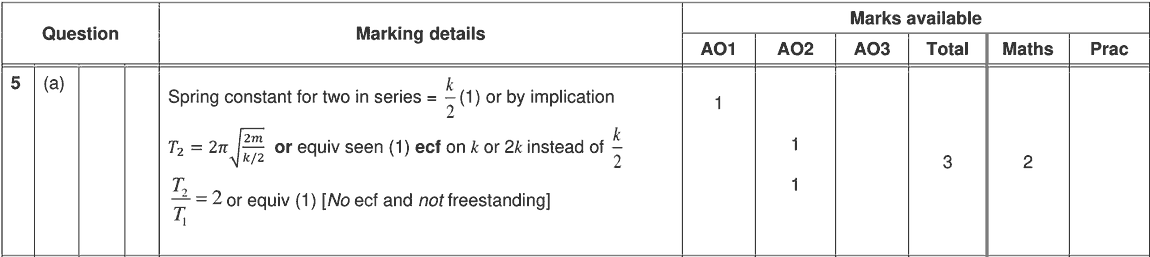
| 5(a) | Vibrations: simple harmonic motion | 3 | AO1=1,AO2=2 | Calculation |
| 5(b)(i) | Vibrations: simple harmonic motion | 2 | AO2=2 | Show that |
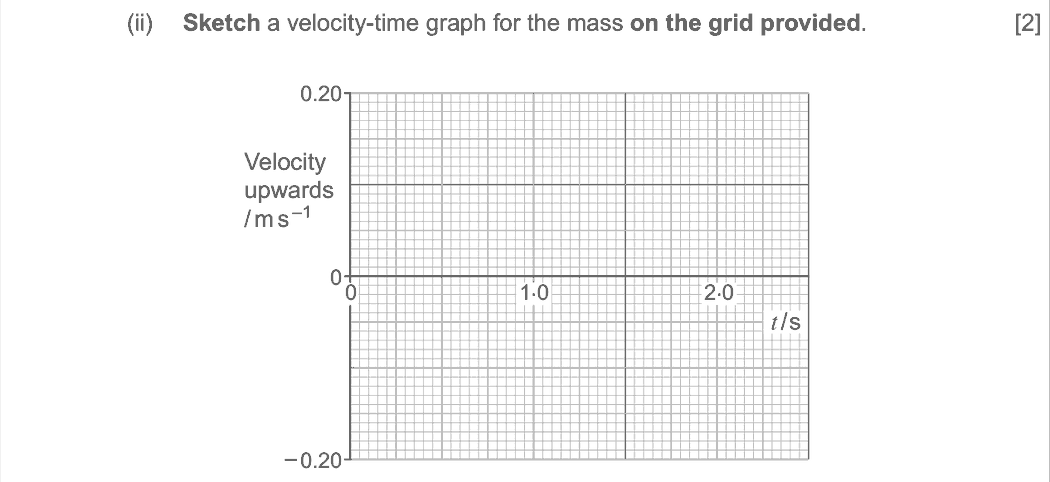
| 5(b)(ii) | Vibrations: simple harmonic motion | 2 | AO1=1,AO2=1 | Diagram or graph |
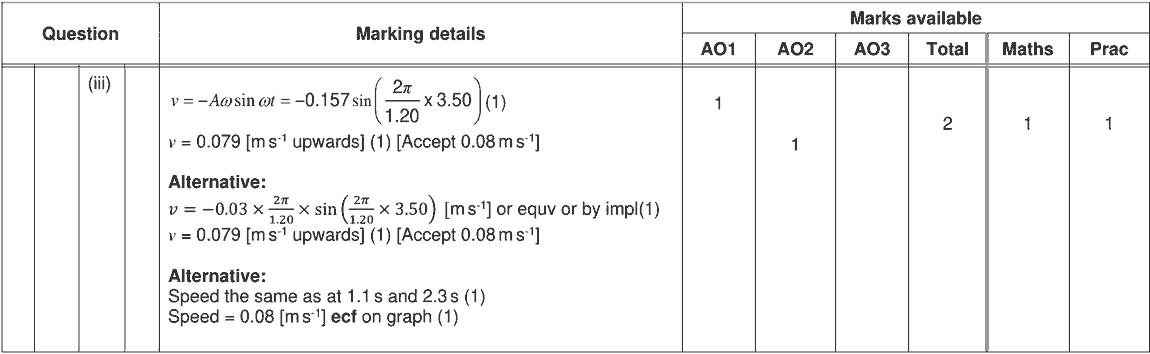
| 5(b)(iii) | Vibrations: simple harmonic motion | 2 | AO1=1,AO2=1 | Calculation |
| 5(b)(iv) | Vibrations: simple harmonic motion | 2 | AO3=2 | Explanation |
| 5(c)(i) | Vibrations: simple harmonic motion | 1 | AO3=1 | Practical and data analysis |
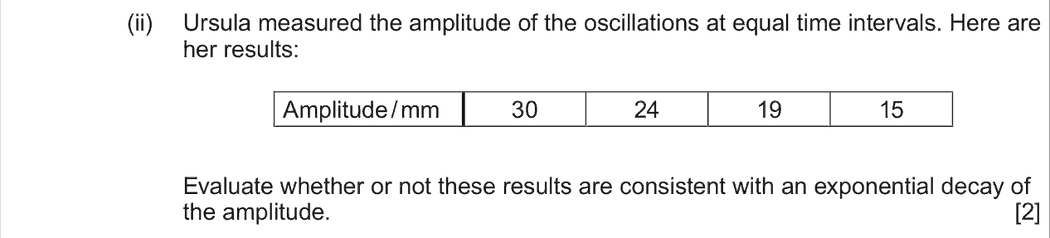
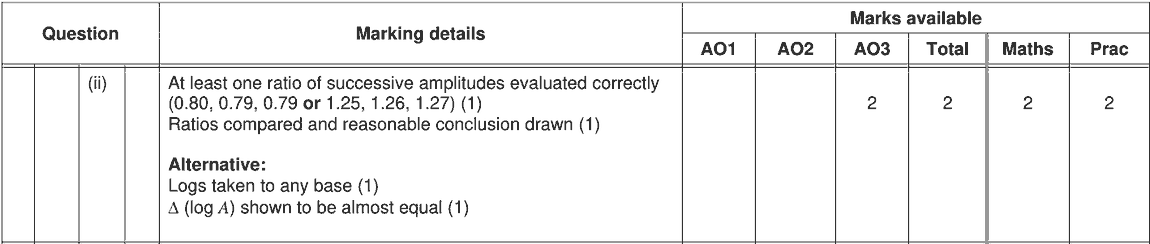
| 5(c)(ii) | Vibrations: simple harmonic motion | 2 | AO3=2 | Practical and data analysis |
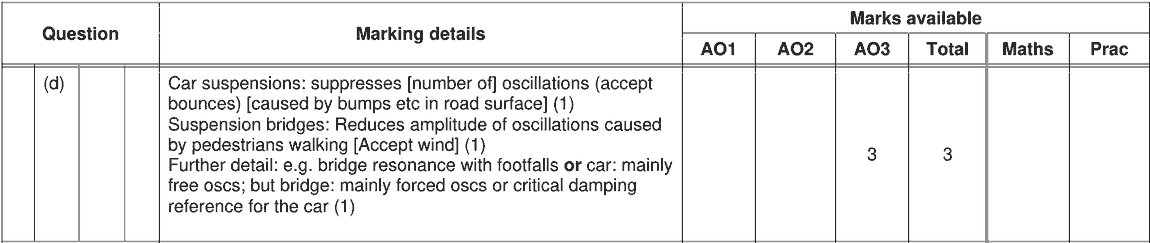
| 5(d) | Vibrations: simple harmonic motion | 3 | AO3=3 | Explanation |
| 6(a) | Kinetic theory | 1 | AO1=1 | Definition |
| 6(b)(i) | Kinetic theory | 2 | AO2=2 | Explanation |
| 6(b)(ii) | Kinetic theory | 2 | AO2=2 | Calculation |
| 6(c)(i) | Kinetic theory | 2 | AO2=2 | Calculation |
| 6(c)(ii) | Kinetic theory | 2 | AO1=2 | Short answer |
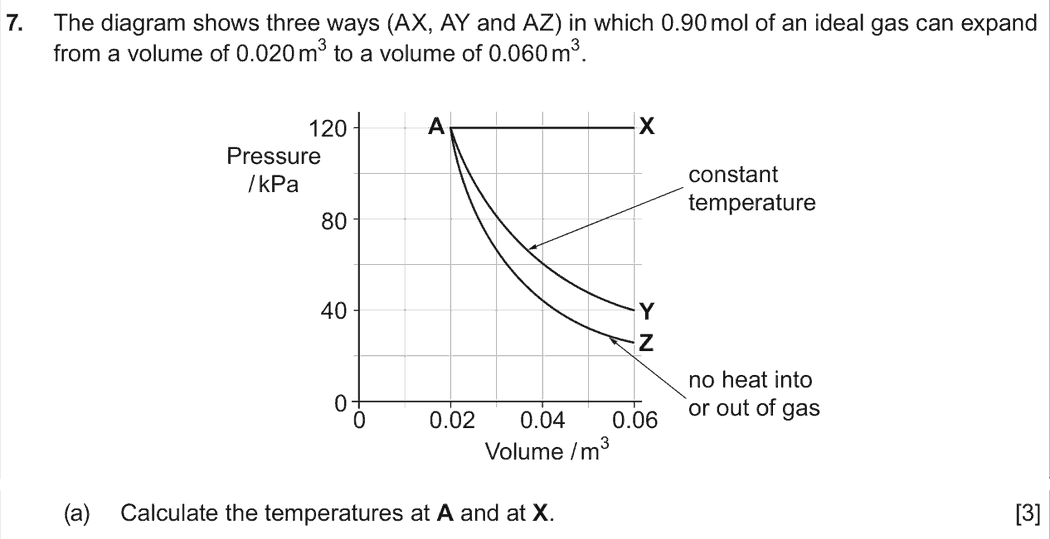
| 7(a) | Kinetic theory | 3 | AO1=1,AO2=2 | Calculation |
| 7(b) | Thermal physics | 2 | AO1=1,AO2=1 | Calculation |
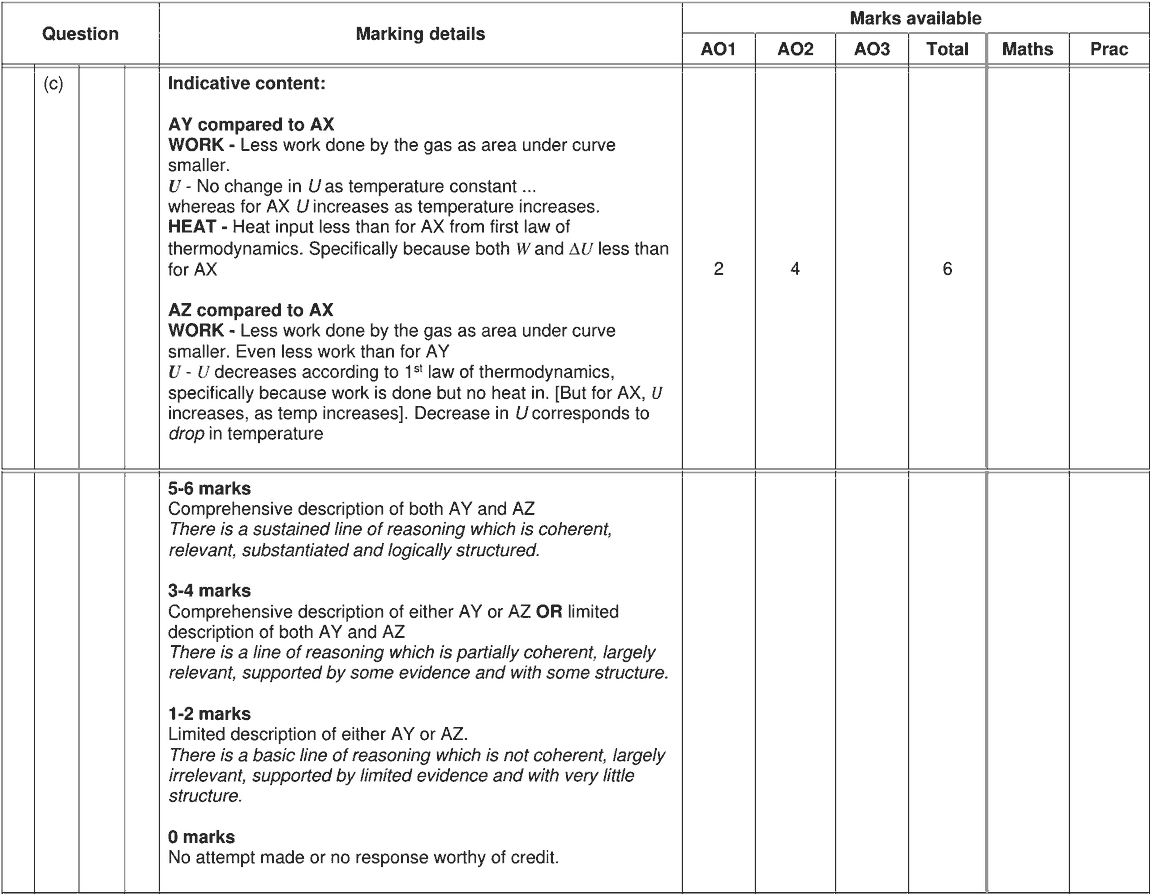
| 7(c) | Thermal physics | 6 | AO1=2,AO2=4 | Extended response |
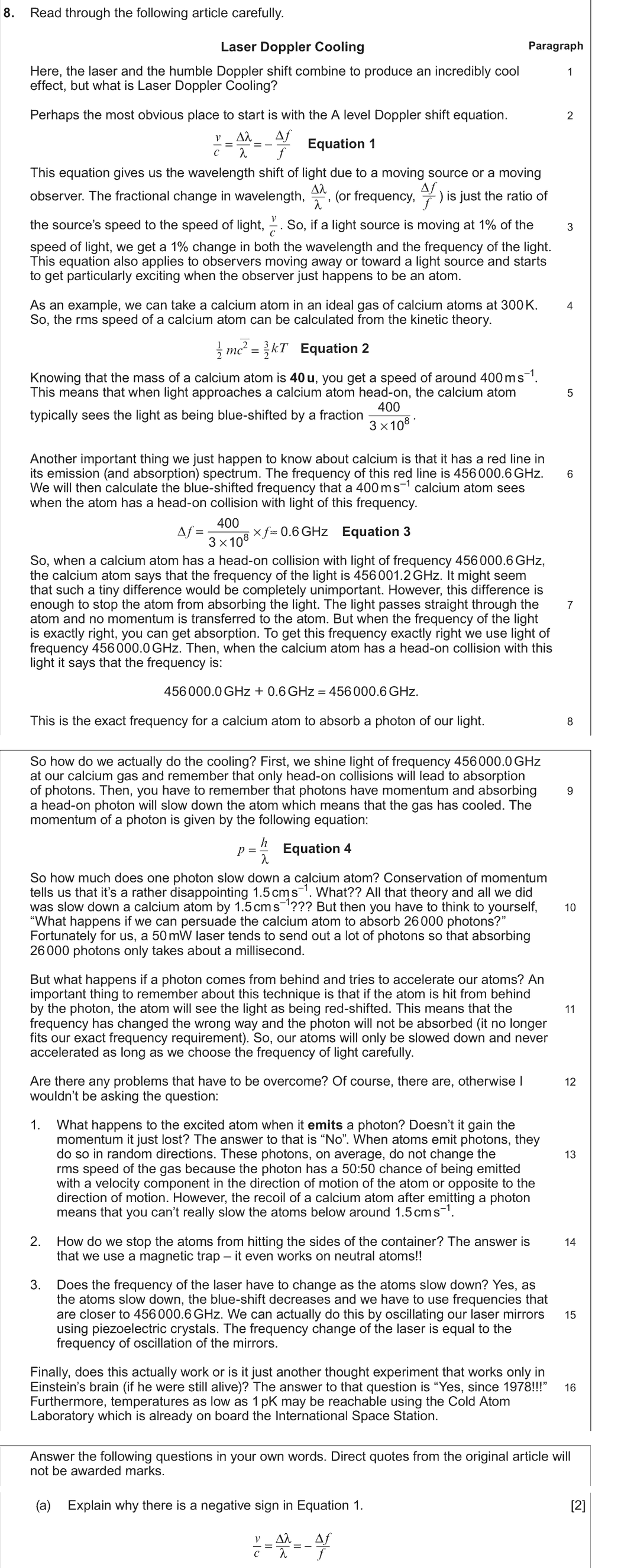
| 8(a) | The nature of waves, Comprehension: the Component 1 article questions | 2 | AO2=2 | Explanation |
| 8(b)(i) | Orbits and the wider universe, Photons, Comprehension: the Component 1 article questions | 2 | AO2=2 | Explanation |
| 8(b)(ii) | Orbits and the wider universe, Photons, Comprehension: the Component 1 article questions | 1 | AO2=1 | Short answer |
| 8(b)(iii) | Photons, Comprehension: the Component 1 article questions | 1 | AO2=1 | Short answer |
| 8(c) | Orbits and the wider universe, Comprehension: the Component 1 article questions | 4 | AO1=1,AO2=3 | Calculation |
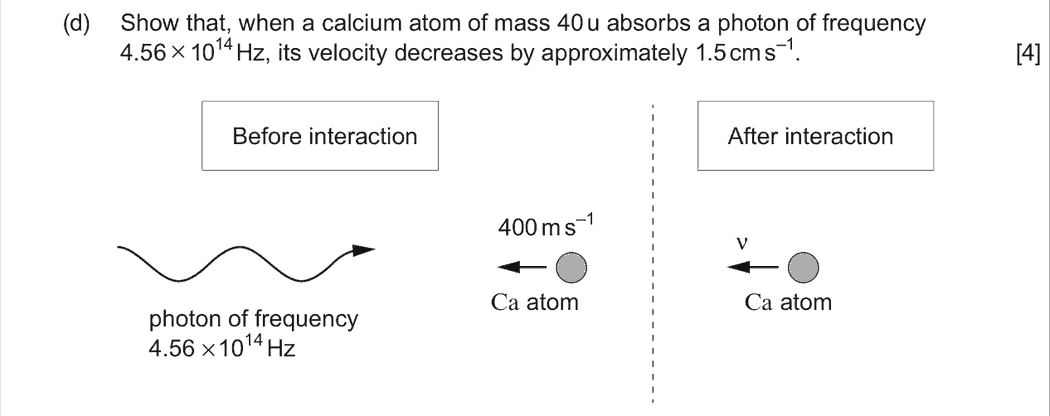
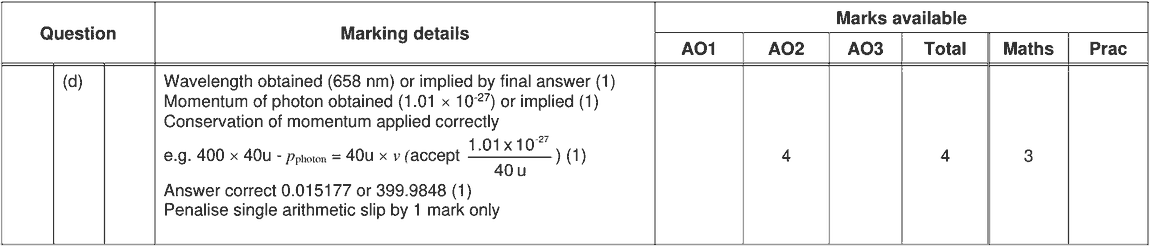
| 8(d) | Photons, Dynamics: forces and momentum, Comprehension: the Component 1 article questions | 4 | AO2=4 | Show that |
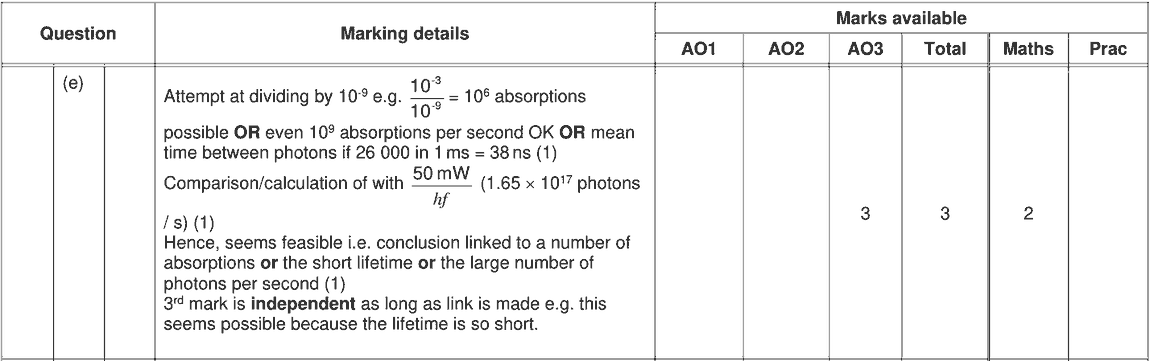
| 8(e) | Photons, Comprehension: the Component 1 article questions | 3 | AO3=3 | Calculation |
| 8(f) | Kinetic theory, Comprehension: the Component 1 article questions | 3 | AO3=3 | Calculation |