Mark scheme

Notes from the mark scheme and report
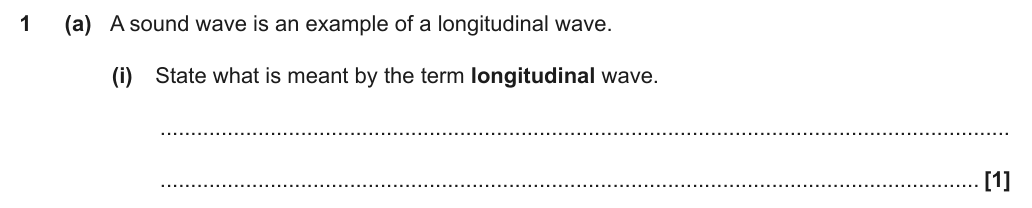
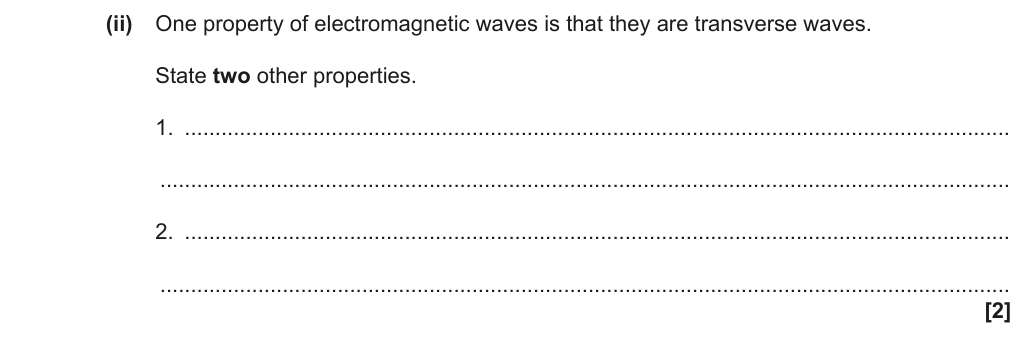
- oscillations parallel to the direction of travel / energy transfer
70 marks · 31 question parts · Paper, mark scheme and report on OCR's site · An autumn series using the paper written for the cancelled summer exams · Have the Data, Formulae and Relationships Booklet beside you
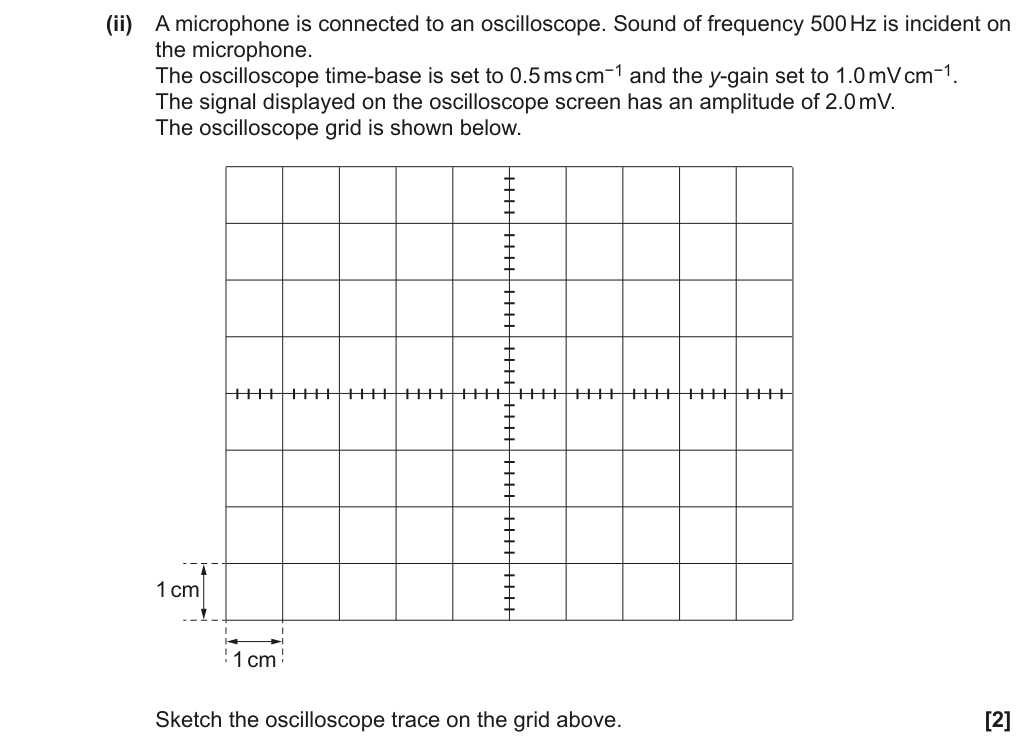
Other In Question 1 (a)(ii), candidates were required to sketch the trace.
Skills: M0.1 Recognise and make use of appropriate units in calculations; M3.1 Translate information between graphical, numerical and algebraic forms; PAG5 Investigating waves
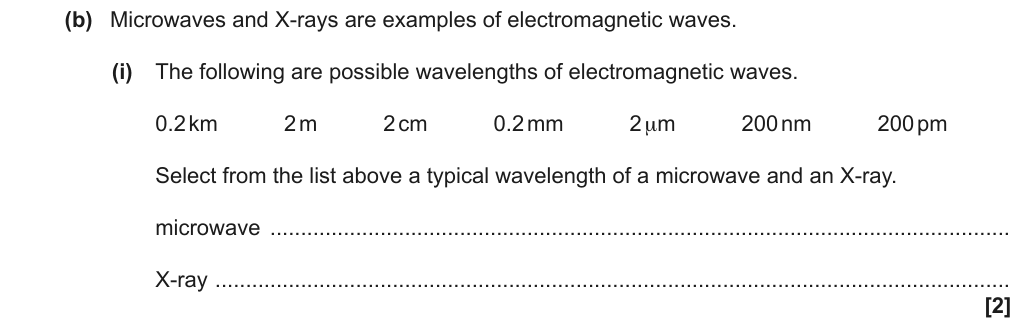
For example, in Question 1 (b)(i) many candidates seemed unsure of the difference between 200 nm and 200 pm.
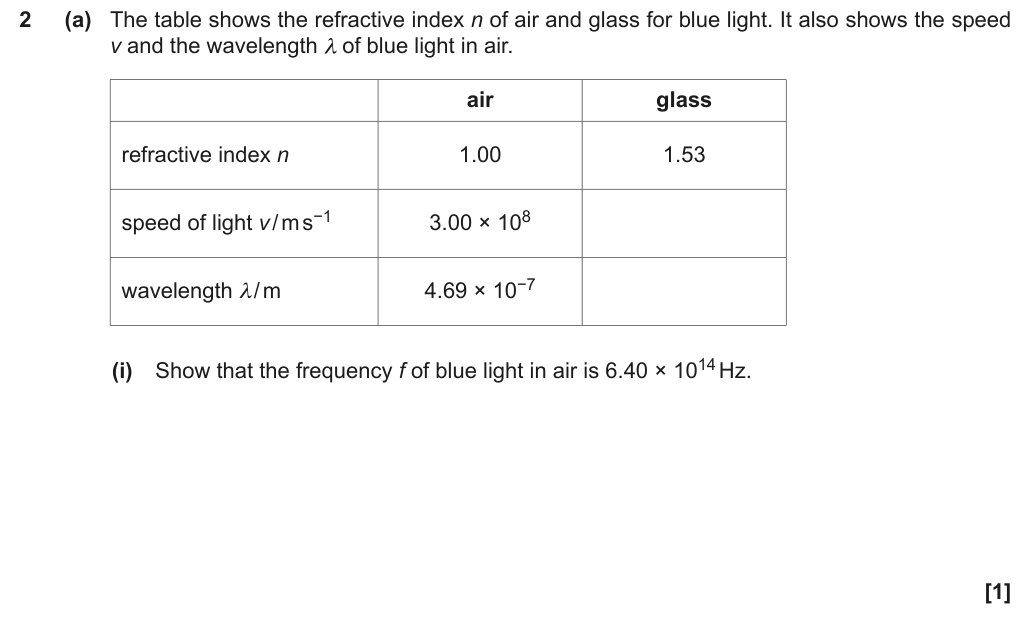
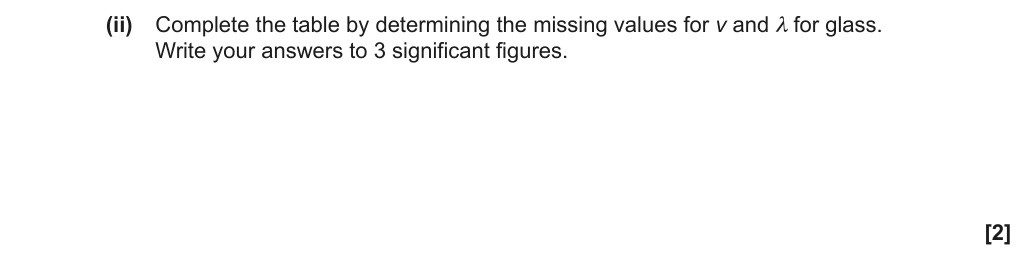
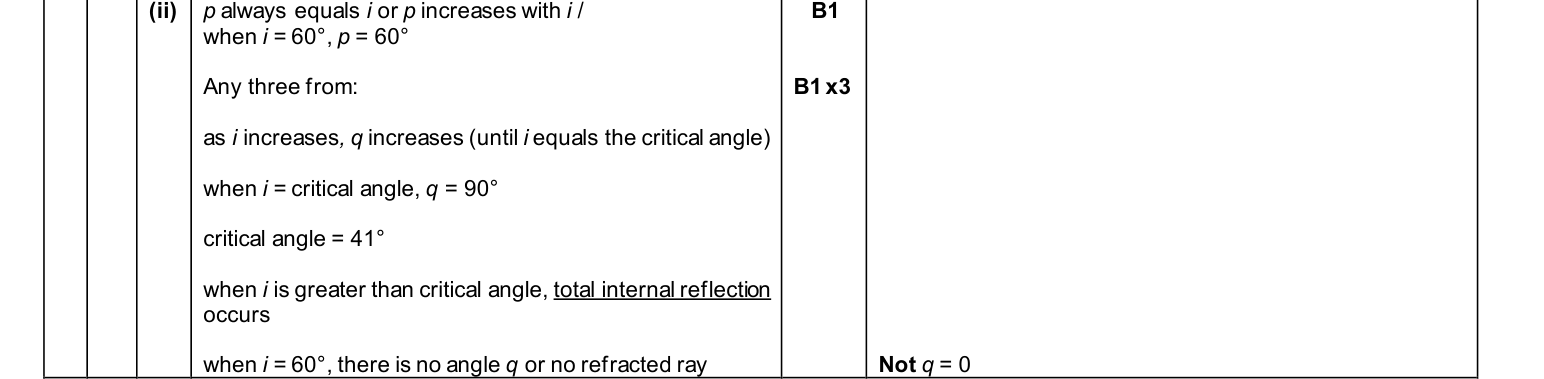
For example, in Question 2(a)(ii) answers of 4.59 × 10⁸ m s–1 (larger than the speed of light).
Skills: M1.1 Use an appropriate number of significant figures; M2.2 Change the subject of an equation, including non-linear equations; M2.3 Substitute numerical values into algebraic equations using appropriate units for physical quantities
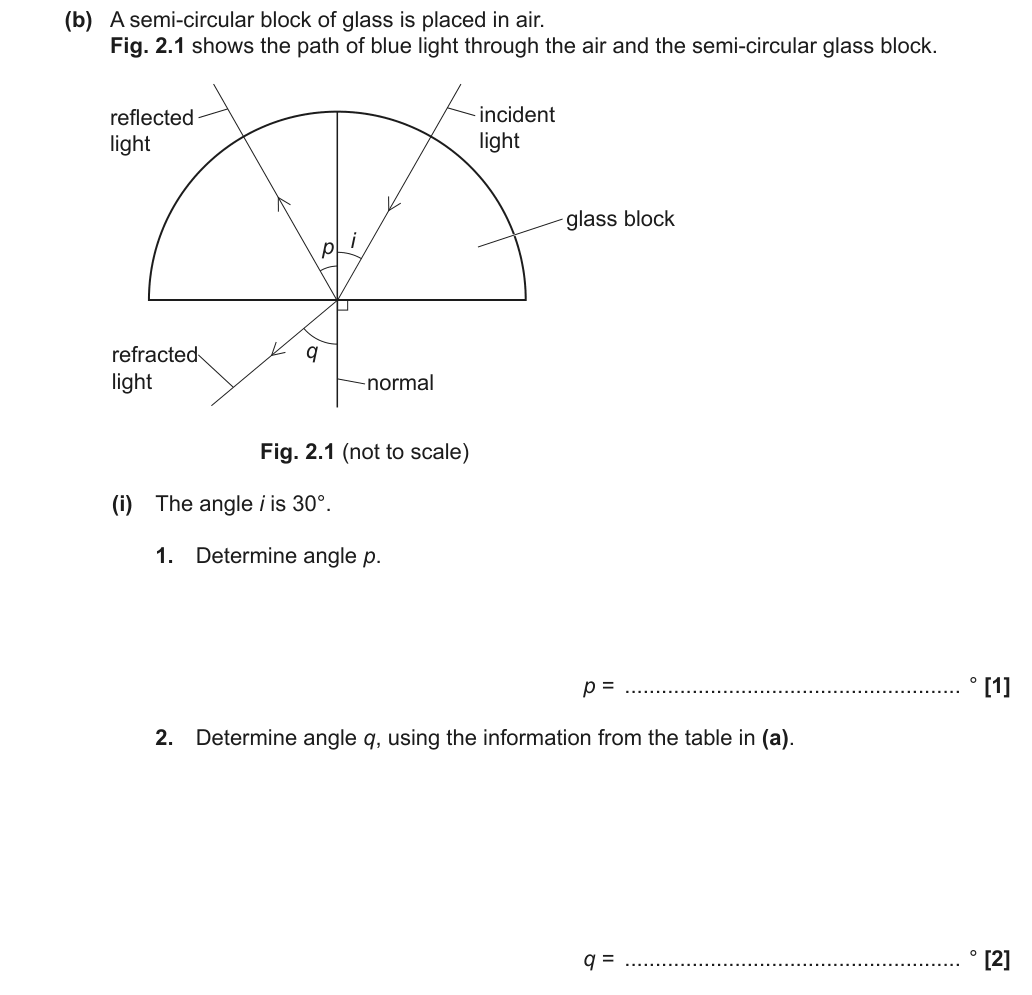
Skills: M0.6 Use calculators to handle sin x, cos x and tan x when x is expressed in degrees or radians; M2.3 Substitute numerical values into algebraic equations using appropriate units for physical quantities
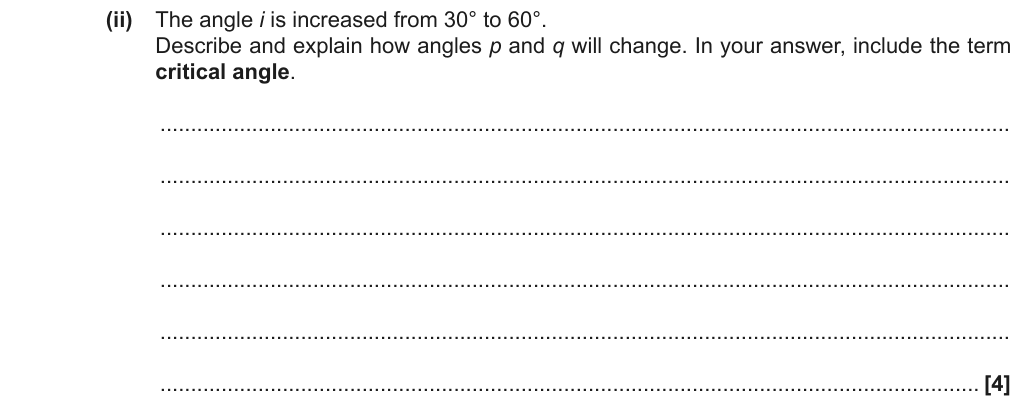
Skills: M0.6 Use calculators to handle sin x, cos x and tan x when x is expressed in degrees or radians
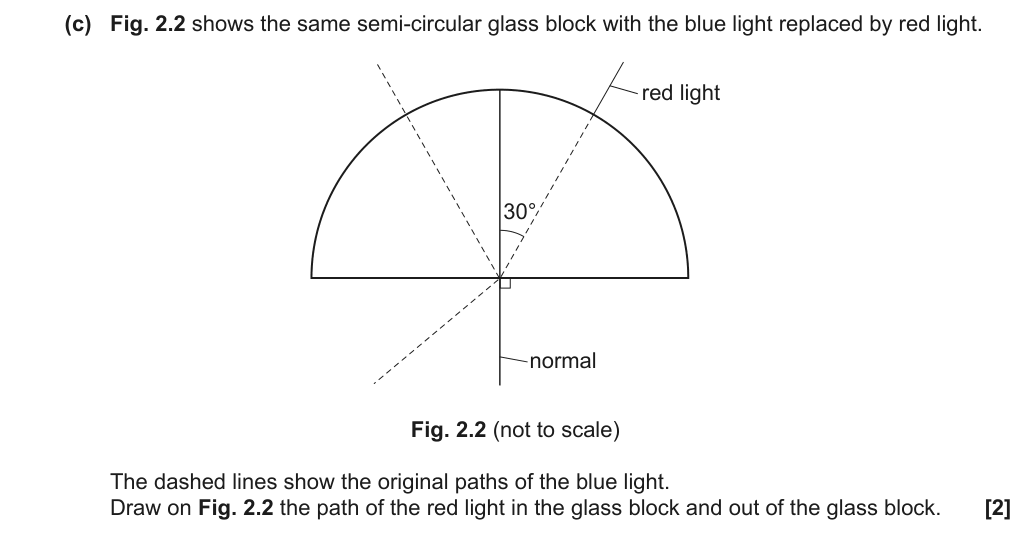
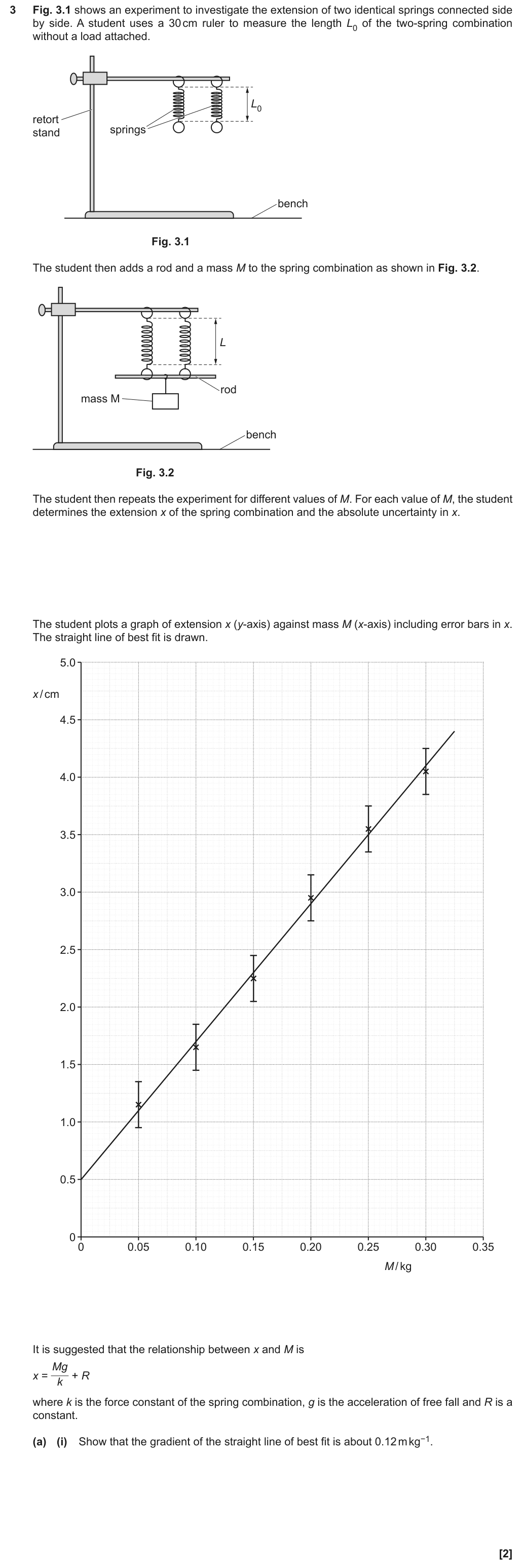
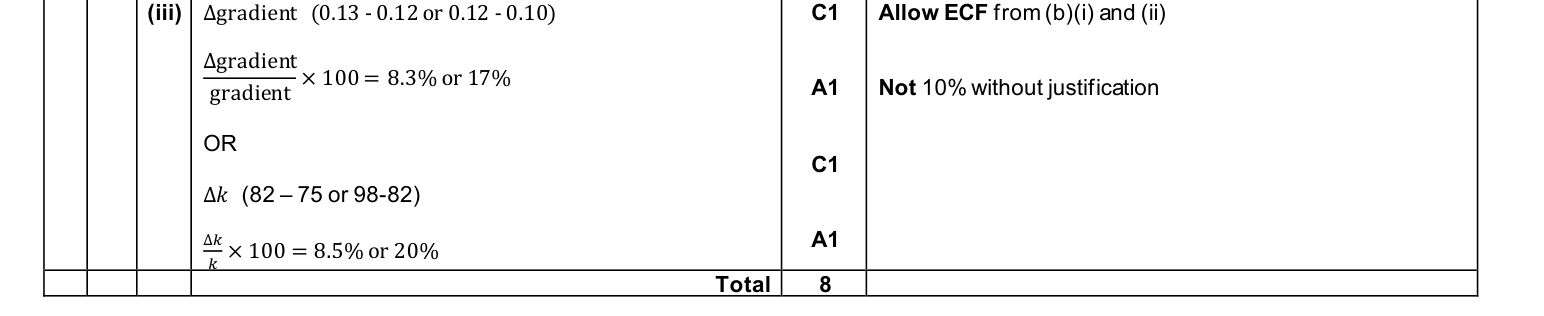
In Question 3, most candidates clearly identified the points on the line that were to be used for the gradient calculation.
Skills: M3.4 Determine the slope and intercept of a linear graph; PAG2 Investigating properties of materials
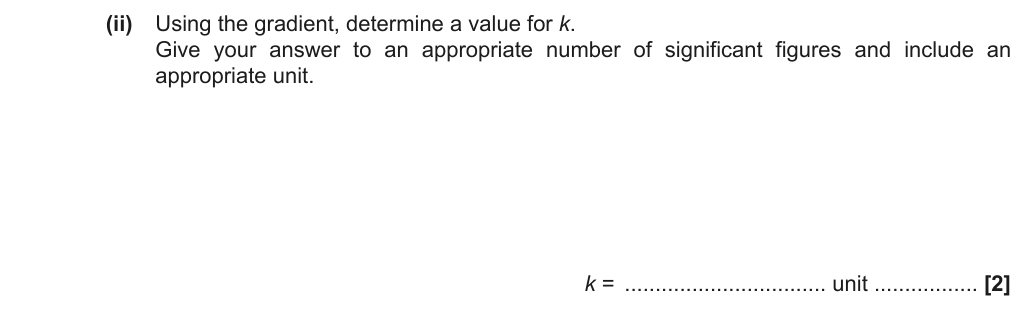
In Question 3, most candidates clearly identified the points on the line that were to be used for the gradient calculation.
Skills: M0.1 Recognise and make use of appropriate units in calculations; M1.1 Use an appropriate number of significant figures; M3.3 Understand that y = mx + c represents a linear relationship; PAG2 Investigating properties of materials

In Question 3, most candidates clearly identified the points on the line that were to be used for the gradient calculation.
Skills: M1.5 Identify uncertainties in measurements and use simple techniques to determine uncertainty when data are combined; M3.2 Plot two variables from experimental or other data
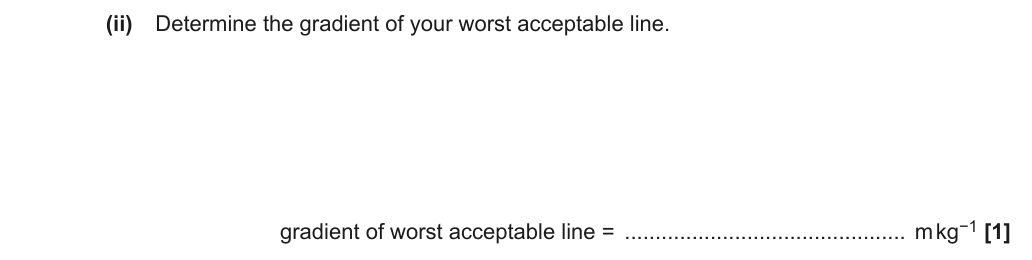
In Question 3, most candidates clearly identified the points on the line that were to be used for the gradient calculation.
Skills: M3.4 Determine the slope and intercept of a linear graph
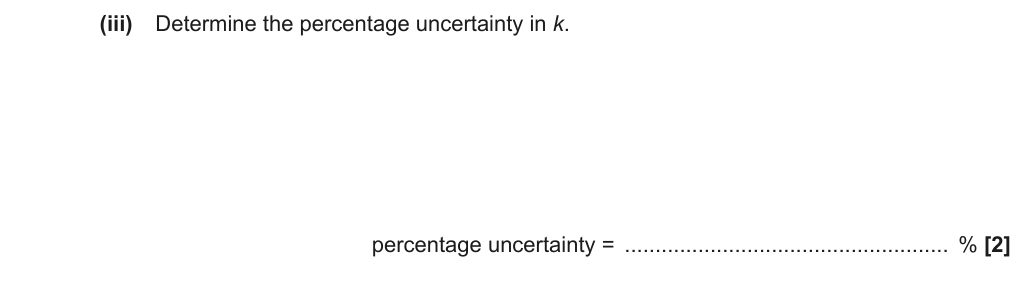
In Question 3, most candidates clearly identified the points on the line that were to be used for the gradient calculation.
Skills: M0.3 Use ratios, fractions and percentages; M1.5 Identify uncertainties in measurements and use simple techniques to determine uncertainty when data are combined
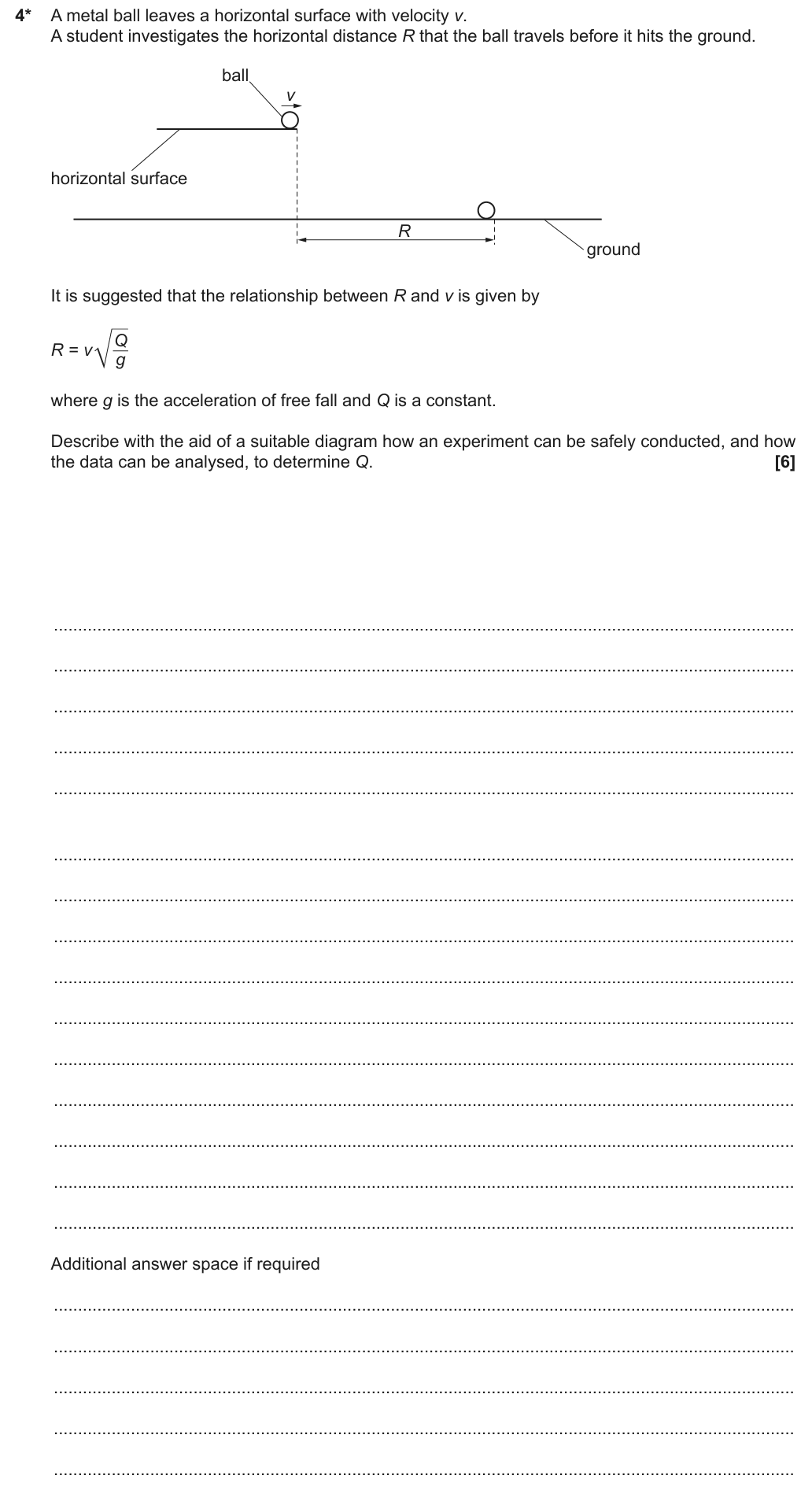
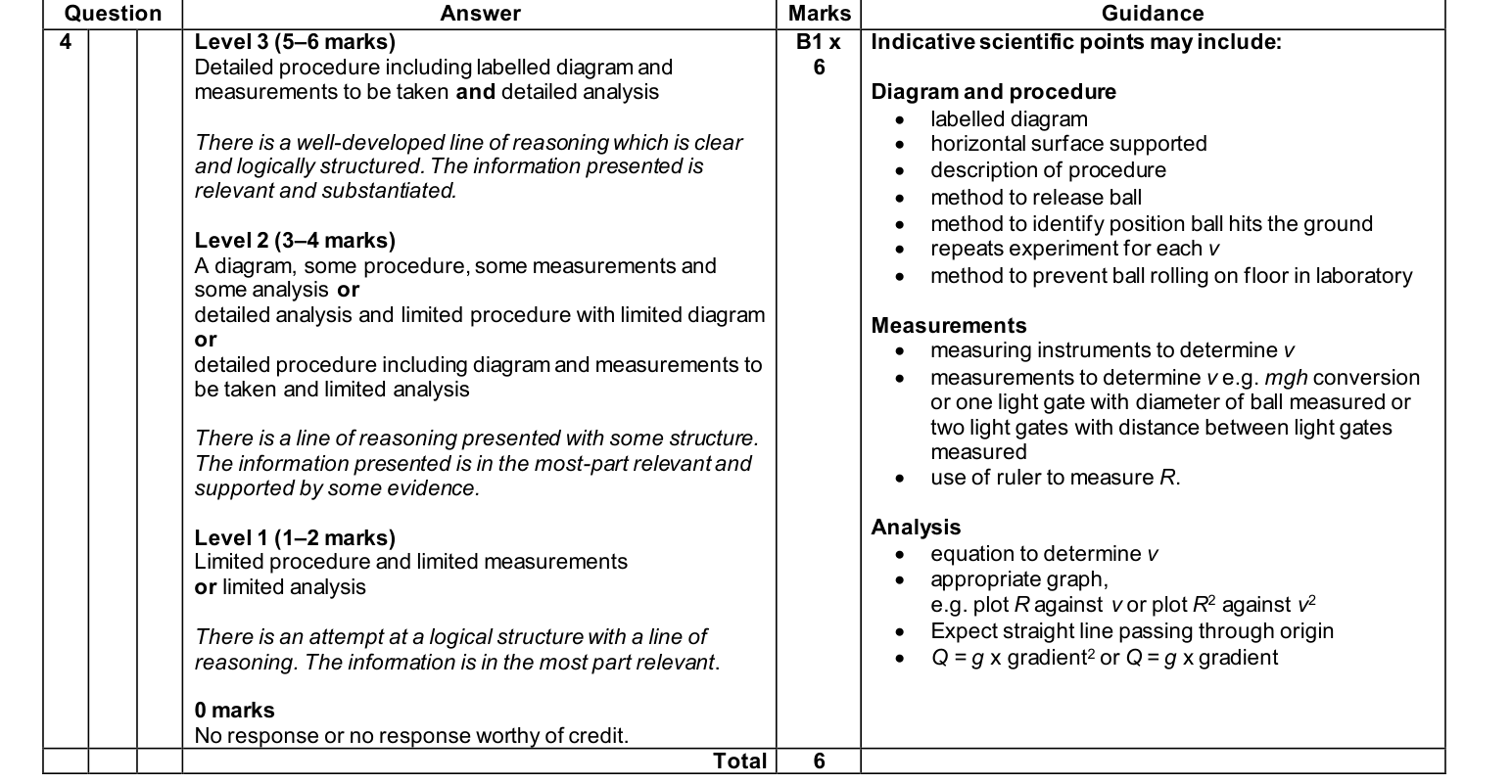
Comments on responses by question type Level of response questions The two LoR questions were Question 4 and Question 8. In Question 4, candidates were required to plan an experiment.
Skills: M3.3 Understand that y = mx + c represents a linear relationship; M3.4 Determine the slope and intercept of a linear graph; PAG1 Investigating motion
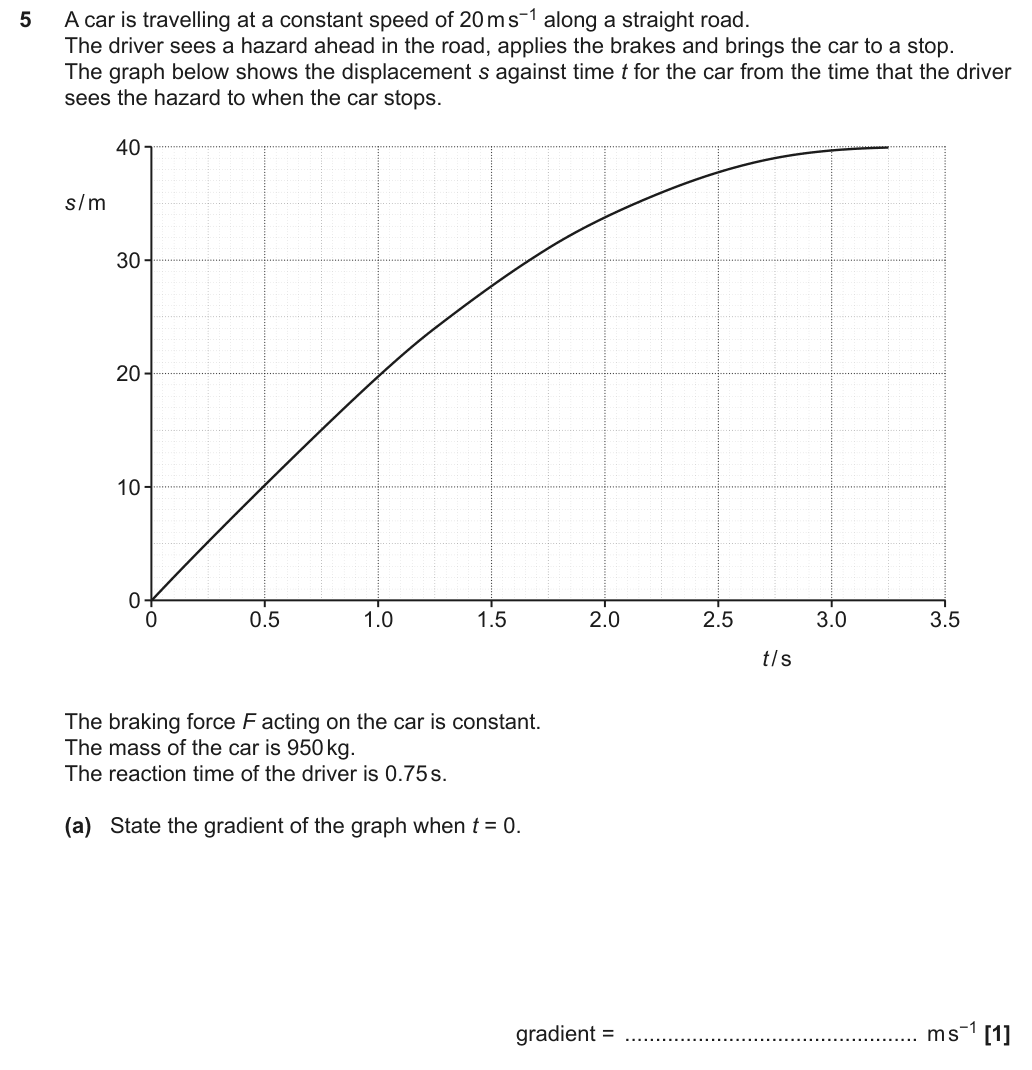

In Question 5 (b) some candidates were vague in their responses, for example, stating that the gradient changes rather than stating that the gradient decreases.
Skills: M3.1 Translate information between graphical, numerical and algebraic forms
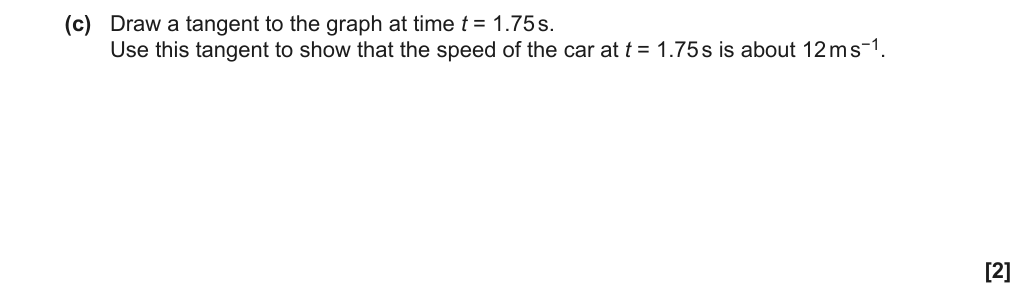
Skills: M3.4 Determine the slope and intercept of a linear graph; M3.6 Draw and use the slope of a tangent to a curve as a measure of rate of change
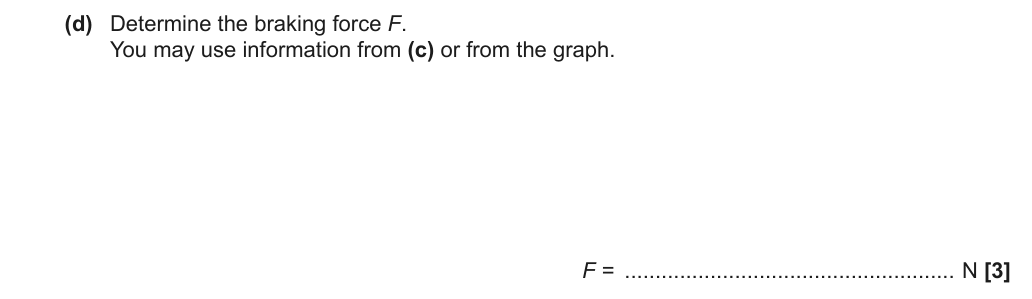
Skills: M2.3 Substitute numerical values into algebraic equations using appropriate units for physical quantities; M3.1 Translate information between graphical, numerical and algebraic forms
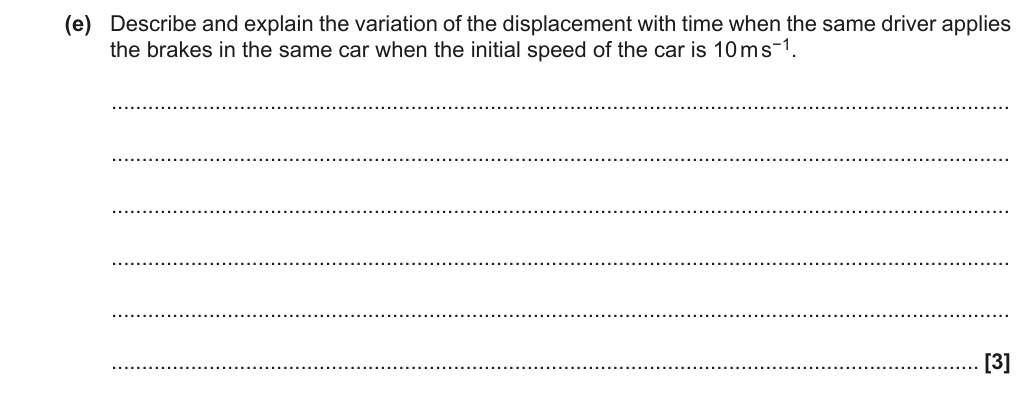
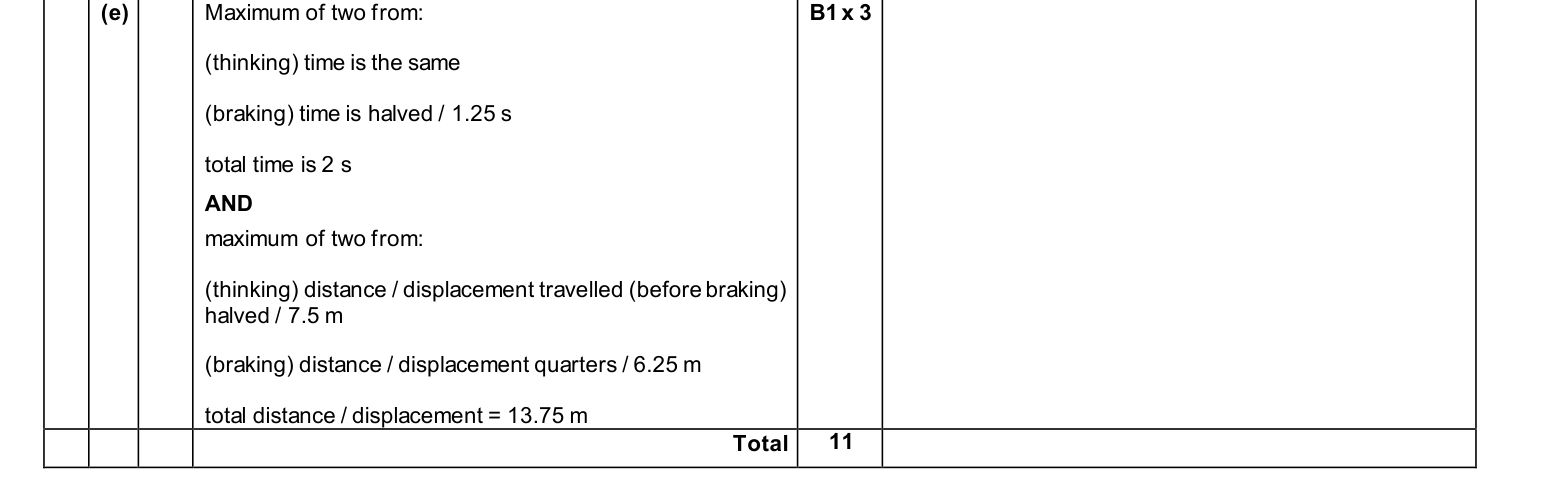
In Question 5 (e) the distances and times should have been calculated or compared in terms of halving/quartering.
Skills: M0.3 Use ratios, fractions and percentages
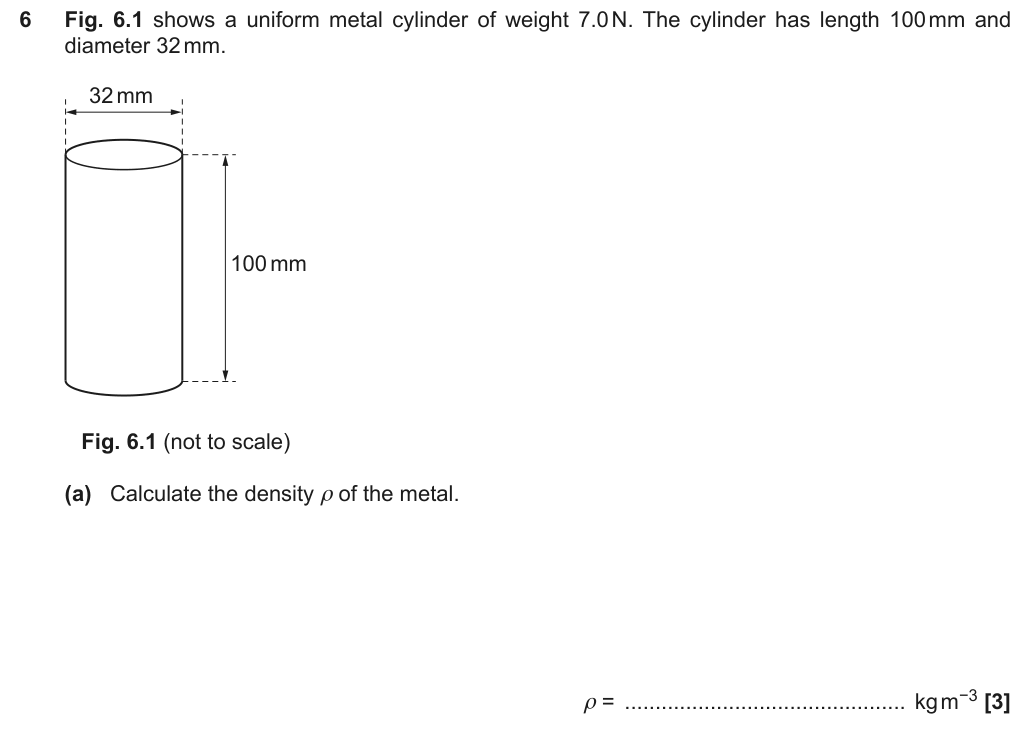
In Question 6 (a), most candidates answered this well although a significant minority confused the calculation of the volume.
Skills: M0.1 Recognise and make use of appropriate units in calculations; M2.3 Substitute numerical values into algebraic equations using appropriate units for physical quantities; M4.3 Calculate areas of triangles, circumferences and areas of circles, surface areas and volumes of rectangular blocks, cylinders and spheres
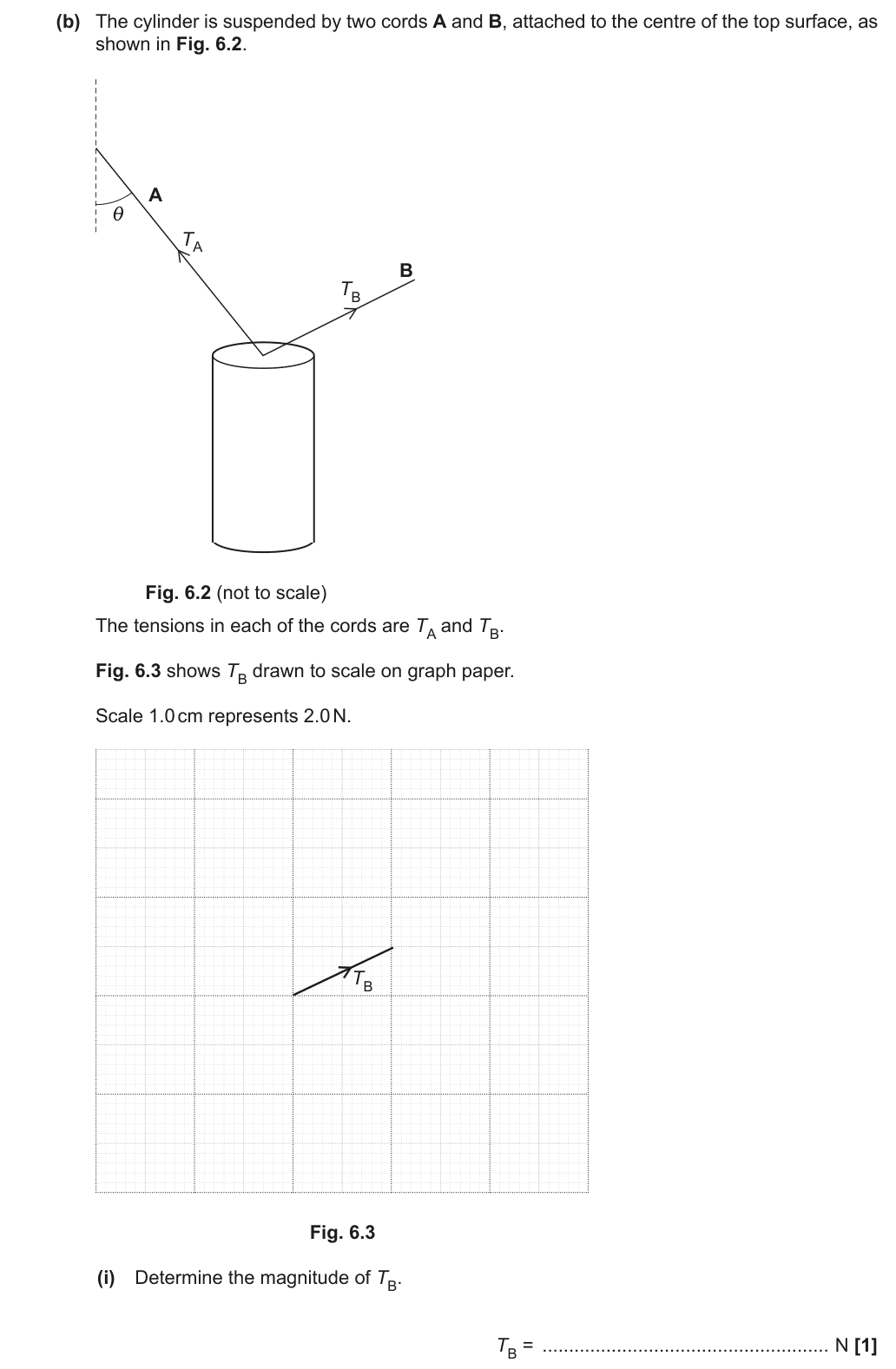
Skills: M0.3 Use ratios, fractions and percentages; M4.2 Visualise and represent 2D and 3D forms, including two-dimensional representations of 3D objects
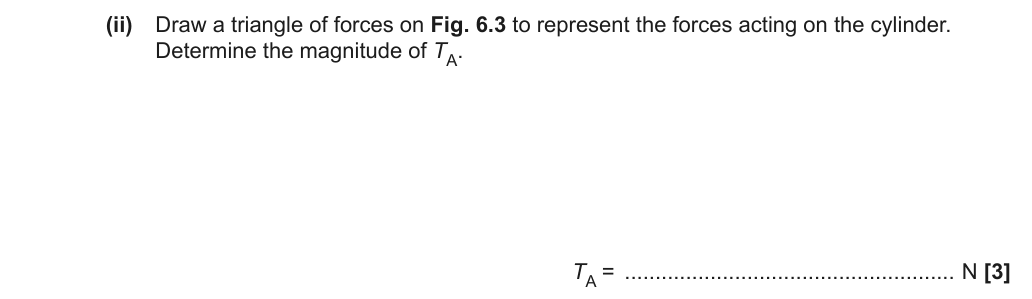
Skills: M4.2 Visualise and represent 2D and 3D forms, including two-dimensional representations of 3D objects

Skills: M4.5 Use sin, cos and tan in physical problems
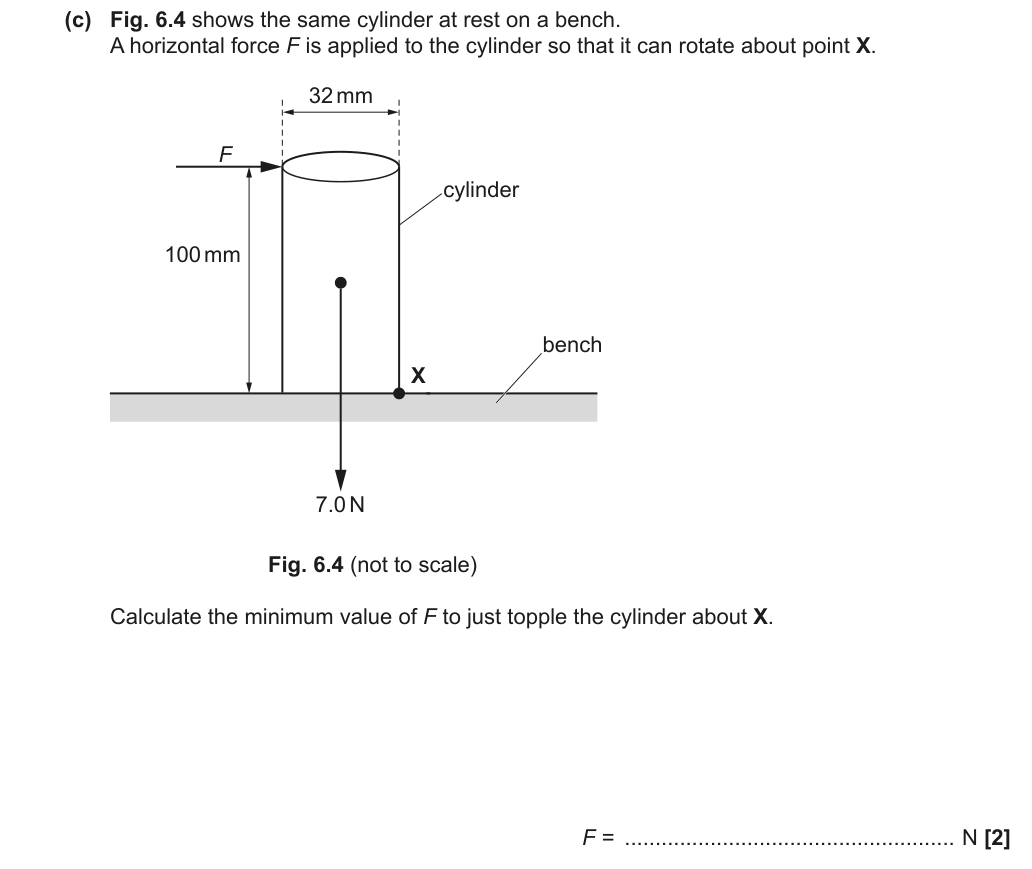
Skills: M2.3 Substitute numerical values into algebraic equations using appropriate units for physical quantities
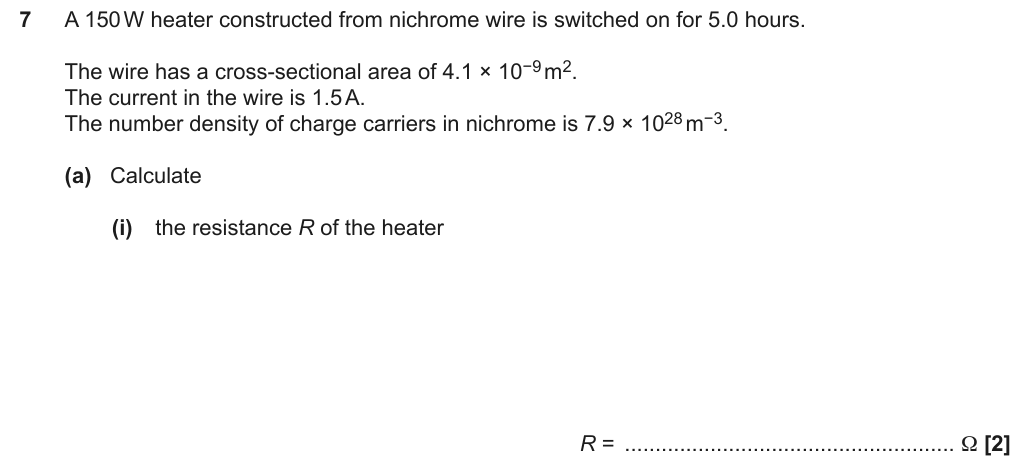
High achieving candidates found Question 7 straightforward.
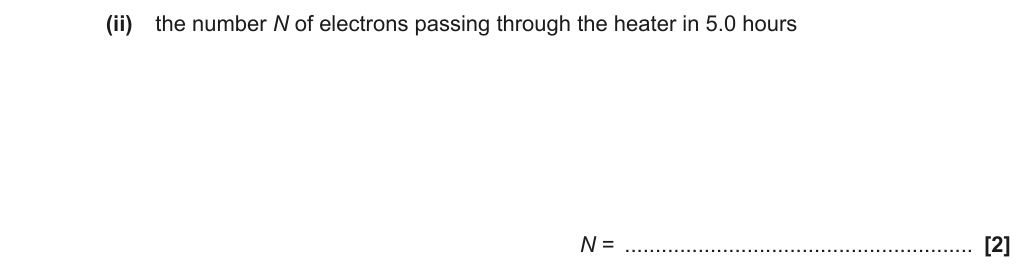
High achieving candidates found Question 7 straightforward.
Skills: M0.1 Recognise and make use of appropriate units in calculations; M0.2 Recognise and use expressions in decimal and standard form; M2.3 Substitute numerical values into algebraic equations using appropriate units for physical quantities
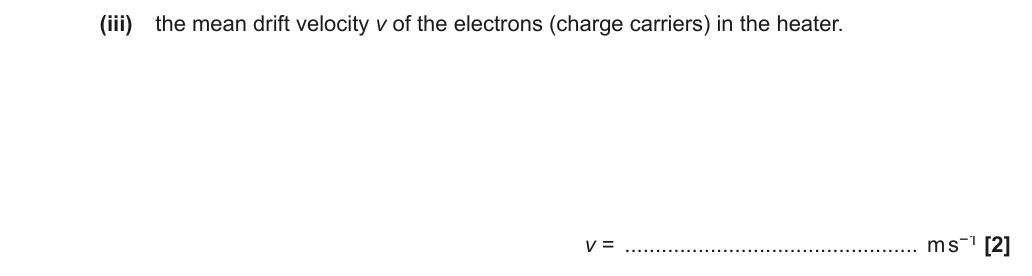
High achieving candidates found Question 7 straightforward.
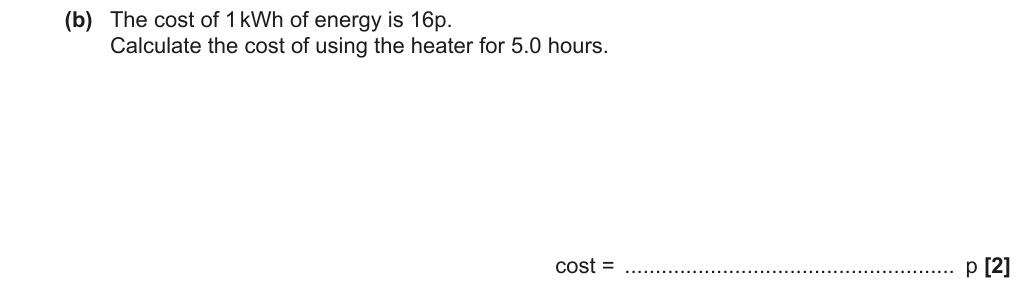
High achieving candidates found Question 7 straightforward.
Skills: M0.1 Recognise and make use of appropriate units in calculations; M2.3 Substitute numerical values into algebraic equations using appropriate units for physical quantities
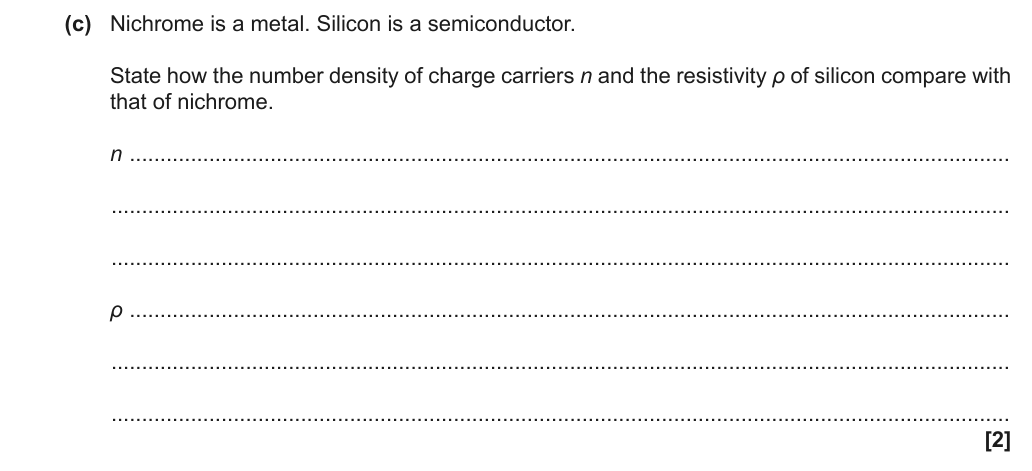
High achieving candidates found Question 7 straightforward.
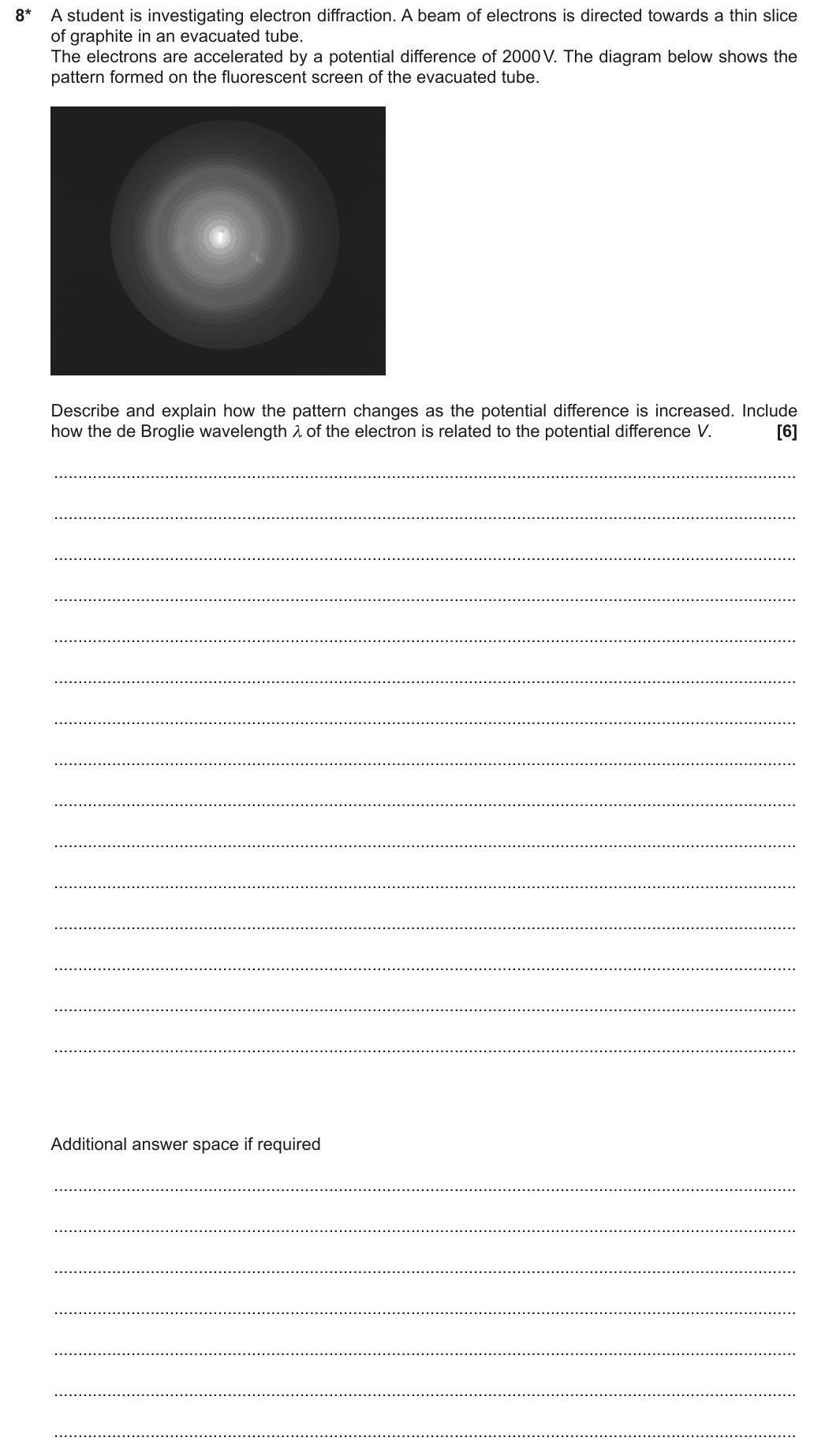
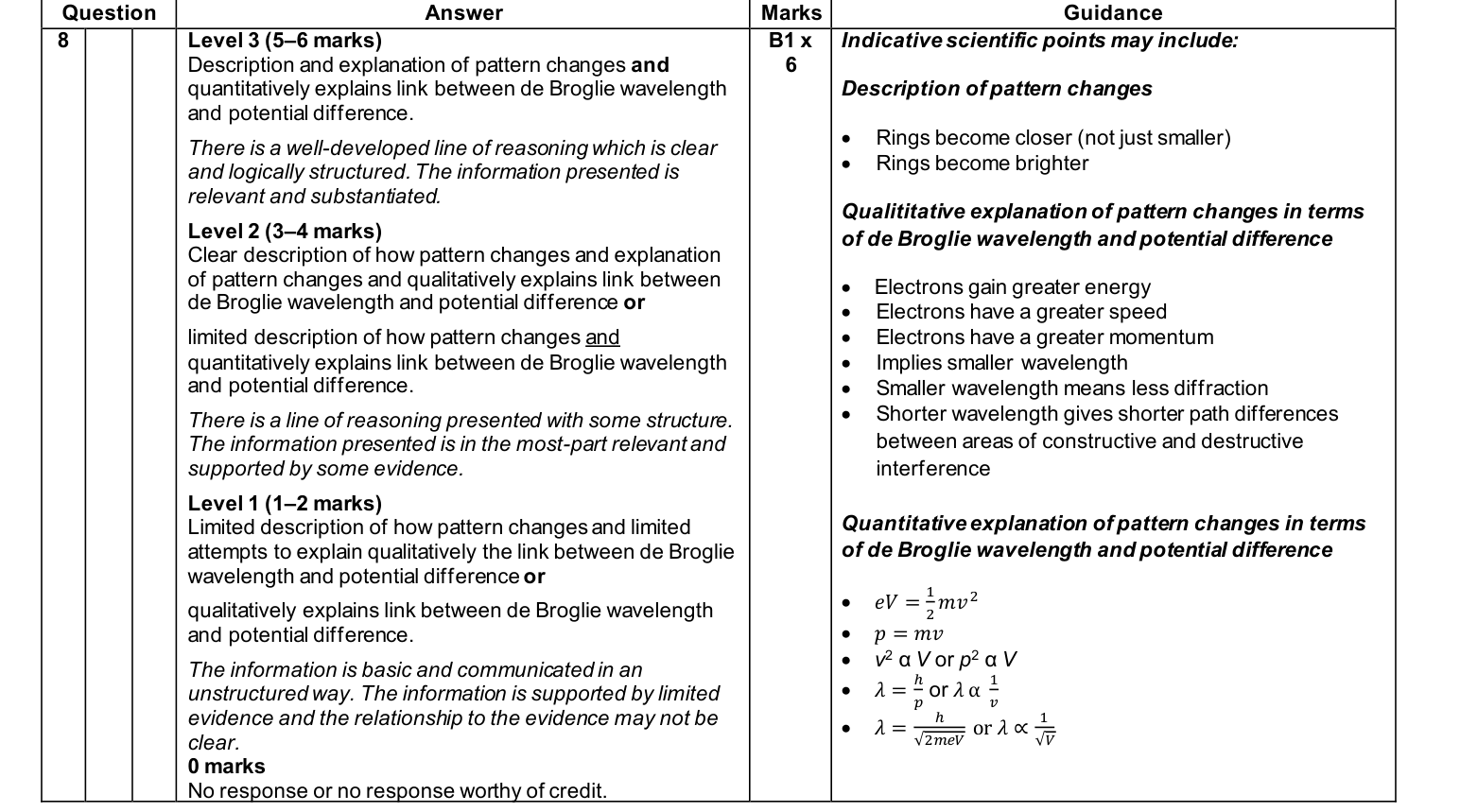
Comments on responses by question type Level of response questions The two LoR questions were Question 4 and Question 8. Question 8 tested an understanding of electron diffraction.
Skills: M0.3 Use ratios, fractions and percentages; M2.2 Change the subject of an equation, including non-linear equations
Want a paper marked and gone through with you? Message us.