
June 2019: AS Paper 2, Depth in physics

70 marks · 31 question parts · Paper, mark scheme and report on OCR's site · Have the Data, Formulae and Relationships Booklet beside you

Question by question

QTopicMarksAOType
1(a)(i) Kinematics: displacement, velocity and motion graphs, Linear motion: the suvat equations and free fall 1Show that
1(a)(ii) Work, energy and power 2Short answer
1(b)(i) Work, energy and power 3Calculation
1(b)(ii) Kinematics: displacement, velocity and motion graphs, Linear motion: the suvat equations and free fall 2Diagram or graph
1(b)(iii) Kinematics: displacement, velocity and motion graphs, Linear motion: the suvat equations and free fall 2Calculation
1(c) Dynamics, drag and terminal velocity, Kinematics: displacement, velocity and motion graphs 2Explanation
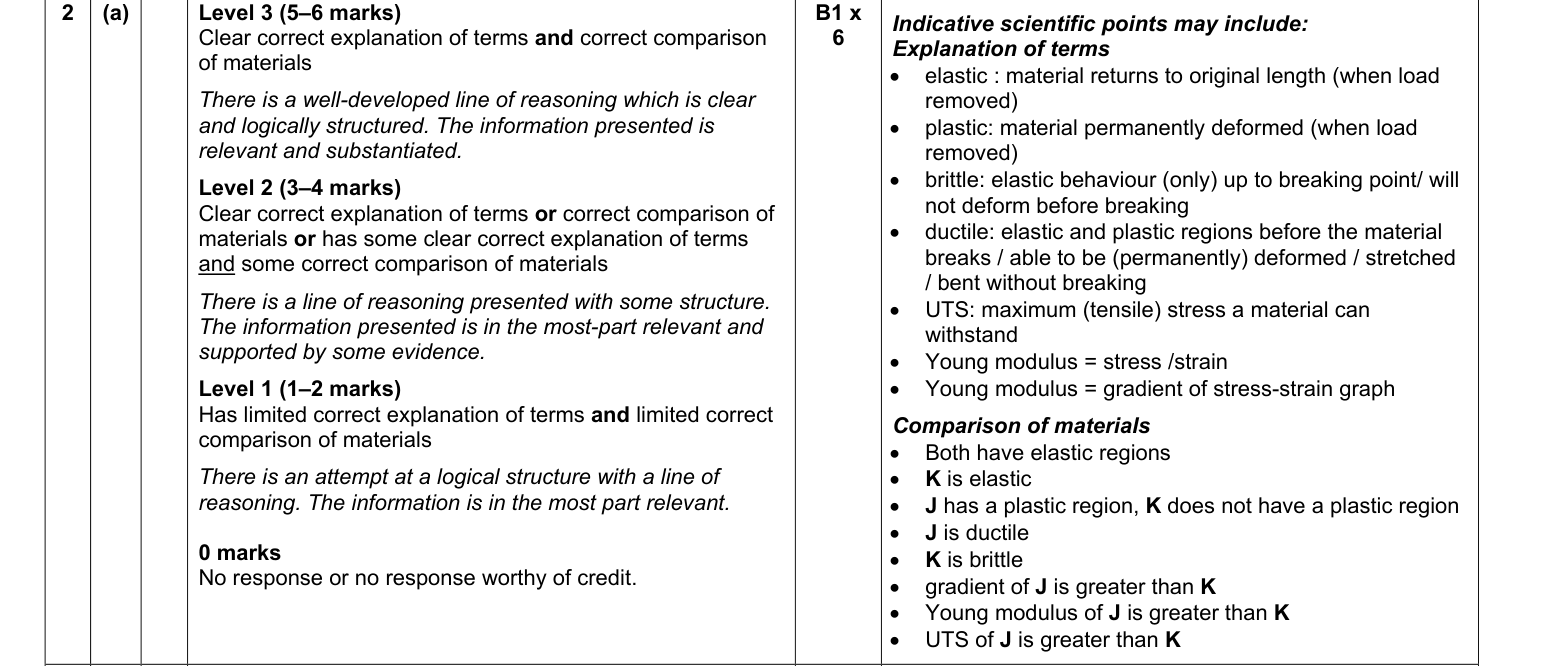
2(a) Mechanical properties of matter: stress, strain and the Young modulus 6Extended response
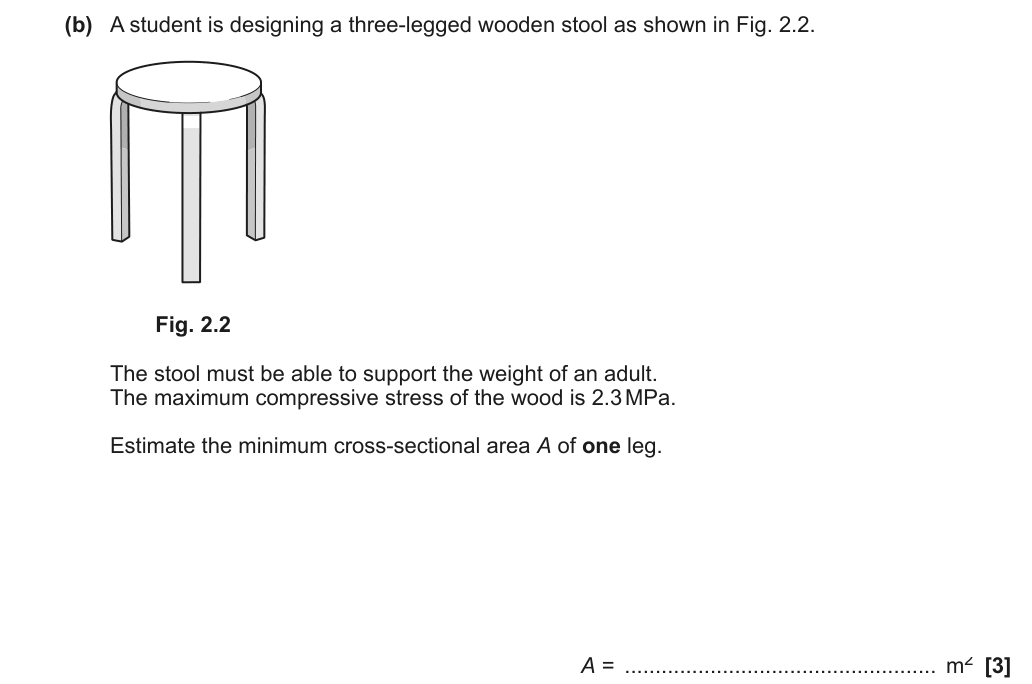
2(b) Mechanical properties of matter: stress, strain and the Young modulus, Physical quantities and S.I. units, Dynamics, drag and terminal velocity 3Calculation
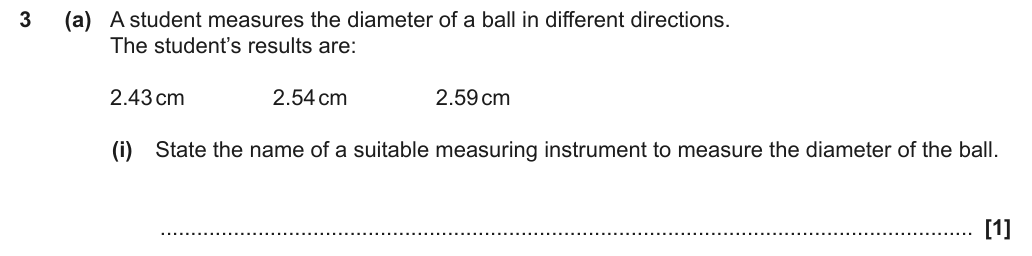
3(a)(i) Practical skills: planning, analysis and evaluation 1Short answer
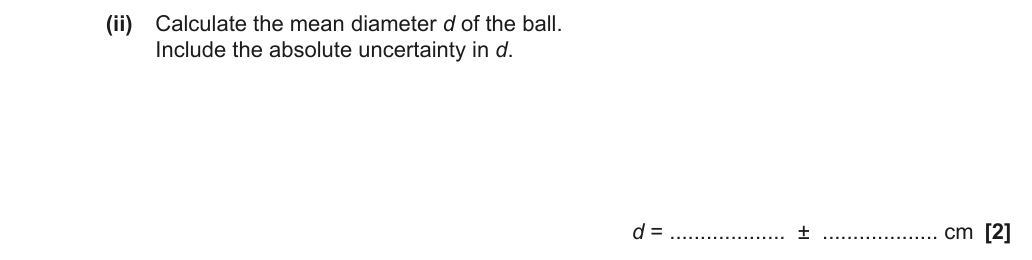
3(a)(ii) Measurements and uncertainties, Practical skills: planning, analysis and evaluation 2Calculation
3(a)(iii) Practical skills: planning, analysis and evaluation 1Show that
3(a)(iv) Density, pressure and upthrust, Practical skills: planning, analysis and evaluation 2Calculation
3(a)(v) Measurements and uncertainties 2Calculation
3(b) Springs and Hooke's law, Dynamics, drag and terminal velocity 3Calculation
3(c)(i) Density, pressure and upthrust, Equilibrium: moments, couples and centre of mass, Springs and Hooke's law 2Calculation
3(c)(ii) Density, pressure and upthrust 2Calculation
4(a)(i) Series and parallel circuits: Kirchhoff's laws 2Show that
4(a)(ii) Potential dividers, E.m.f., p.d., resistance and I–V characteristics, Series and parallel circuits: Kirchhoff's laws 2Calculation
4(a)(iii) Charge, current and mean drift velocity, E.m.f., p.d., resistance and I–V characteristics 3Calculation
4(a)(iv) E.m.f., p.d., resistance and I–V characteristics, Electrical power and energy 1Calculation
4(b) Charge, current and mean drift velocity, Series and parallel circuits: Kirchhoff's laws 3Explanation
4(c) Charge, current and mean drift velocity 3Explanation
5(a)(i) Wave motion: progressive waves, the wave equation and intensity 1Calculation
5(a)(ii) Wave motion: progressive waves, the wave equation and intensity 1Calculation
5(a)(iii) Wave motion: progressive waves, the wave equation and intensity 2Calculation
5(a)(iv) Wave motion: progressive waves, the wave equation and intensity 2Calculation
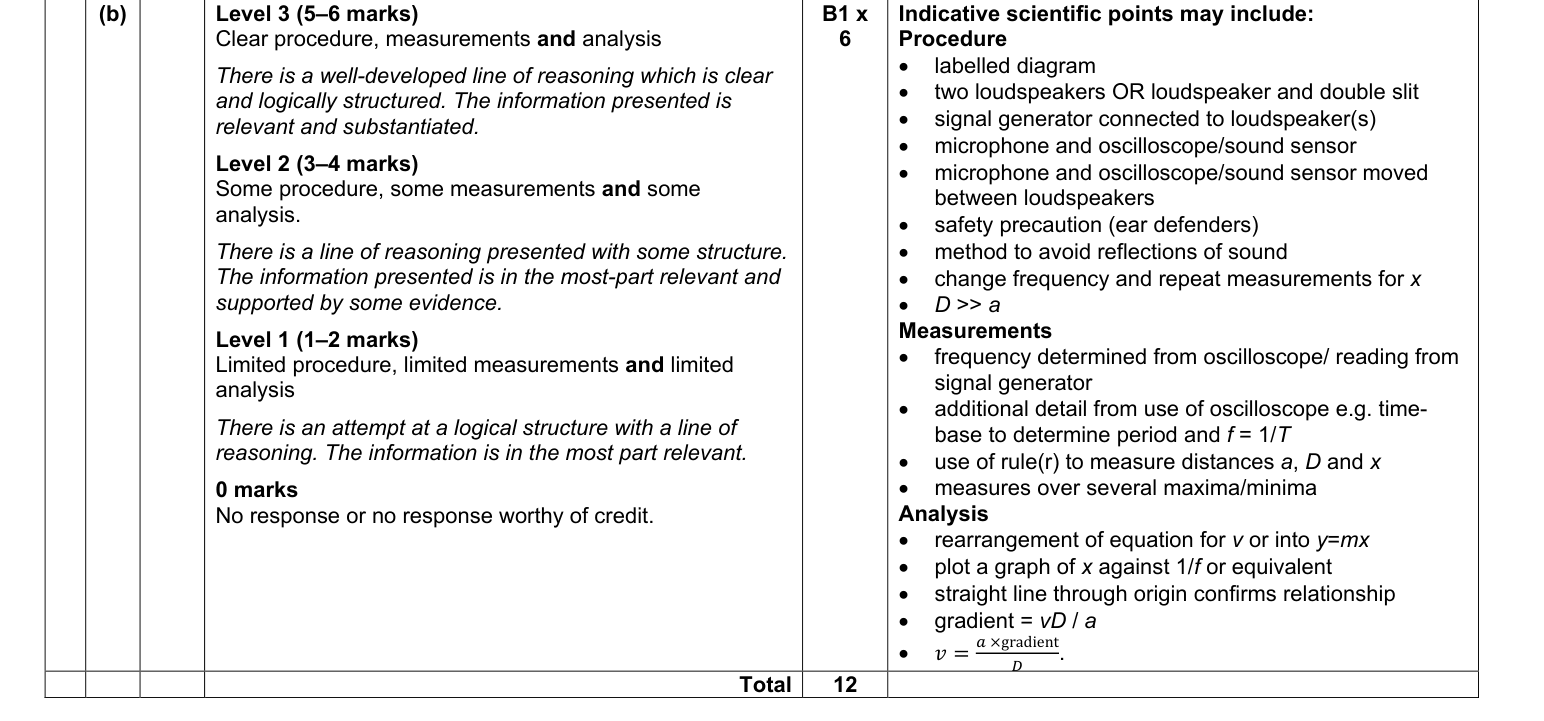
5(b) Superposition, interference and the double slit, Practical skills: planning, analysis and evaluation, Wave motion: progressive waves, the wave equation and intensity 6Extended response
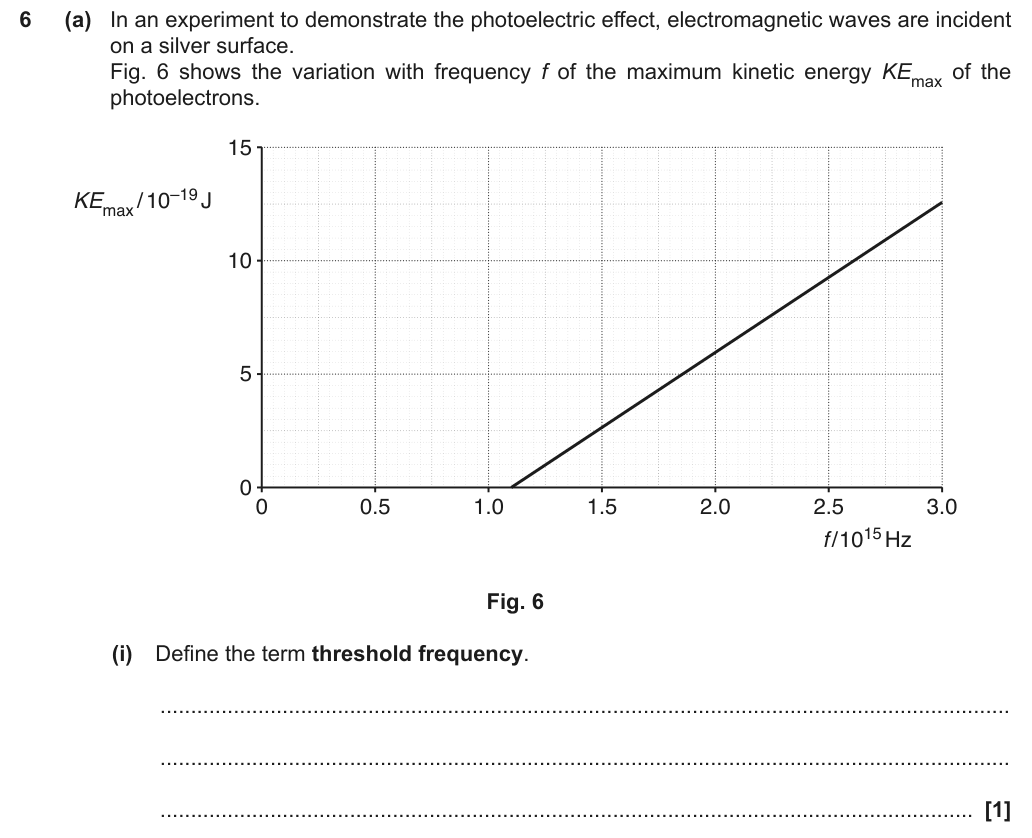
6(a)(i) The photoelectric effect 1Short answer
6(a)(ii) The photoelectric effect 1Practical and data analysis
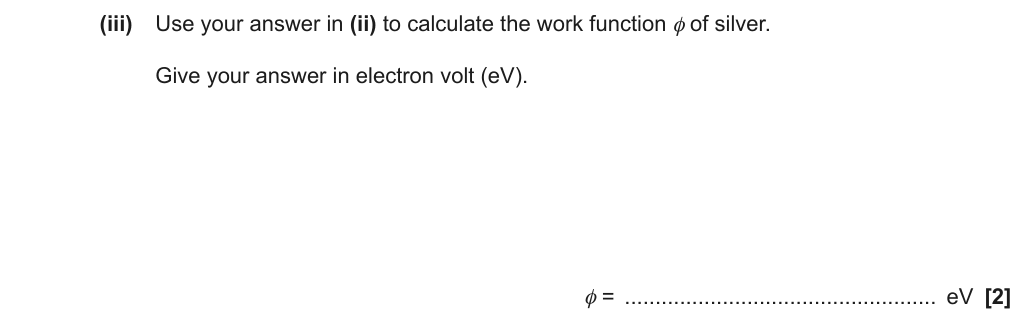
6(a)(iii) The photoelectric effect, Photons and the Planck constant 2Calculation
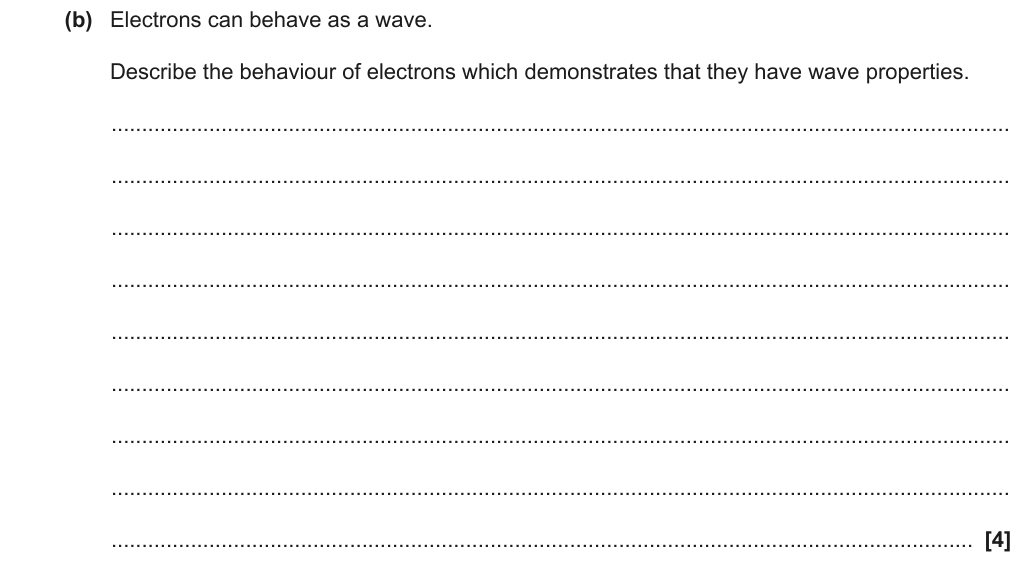
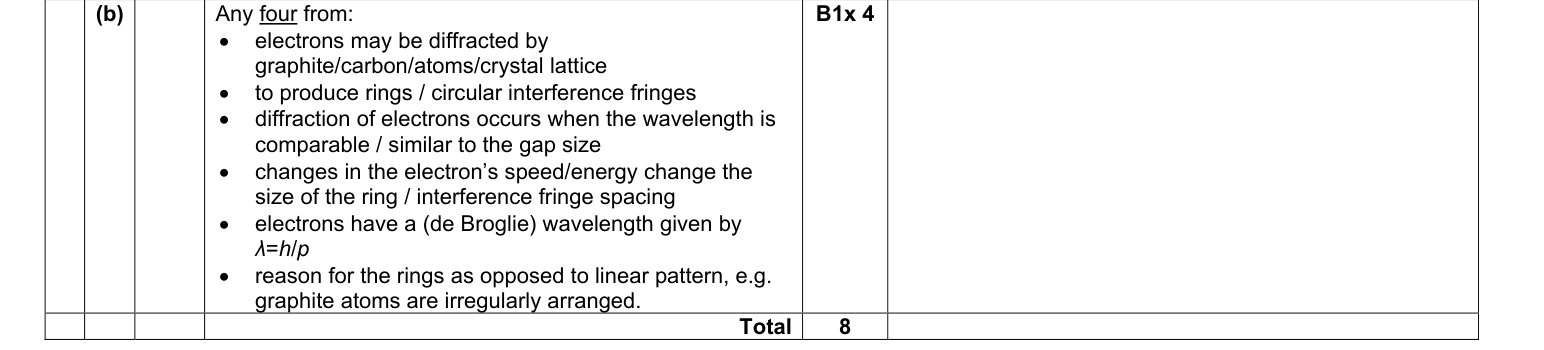
6(b) Wave–particle duality and the de Broglie equation 4Explanation

The questions

1(a)(i)1(a)(ii)1(b)(i)1(b)(ii)1(b)(iii)1(c)2(a)2(b)3(a)(i)3(a)(ii)3(a)(iii)3(a)(iv)3(a)(v)3(b)3(c)(i)3(c)(ii)4(a)(i)4(a)(ii)4(a)(iii)4(a)(iv)4(b)4(c)5(a)(i)5(a)(ii)5(a)(iii)5(a)(iv)5(b)6(a)(i)6(a)(ii)6(a)(iii)6(b)
June 2019 · AS Paper 2 · Q1(a)(i) 1 mark Show that Medium kinematicslinear motion
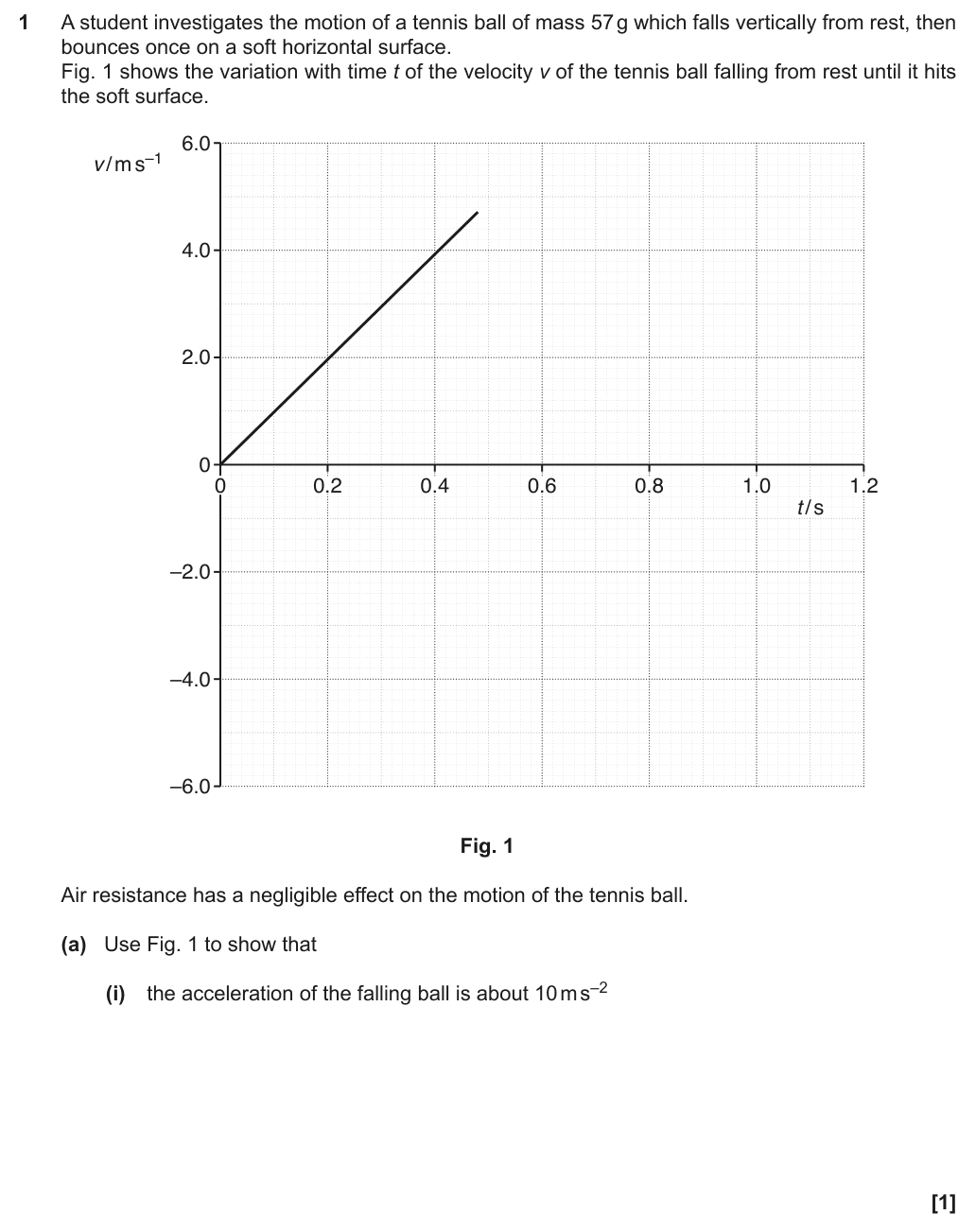
1 A student investigates the motion of a tennis ball of mass 57 g which falls vertically from rest, then
bounces once on a soft horizontal surface.
Fig. 1 shows the variation with time t of the velocity v of the tennis ball falling from rest until it hits
the soft surface.
6.0
v / m s–1
4.0
2.0
0
0 0.2 0.4 0.6 0.8 1.0 1.2
t / s
–2.0
–4.0
–6.0
Fig. 1
Air resistance has a negligible effect on the motion of the tennis ball.
(a) Use Fig. 1 to show that
(i) the acceleration of the falling ball is about 10 m s–2
[1]
June 2019 · AS Paper 2 · Q1(a)(ii) 2 marks Short answer Medium work energy and power
Earlier part of question 1 that this part usesEarlier part of June 2019 Paper 2 question 1
(ii) the kinetic energy of the ball just before impact with the surface is 0.63 J.
[2]
June 2019 · AS Paper 2 · Q1(b)(i) 3 marks Calculation Hard work energy and power
Earlier parts of question 1 that this part usesEarlier part of June 2019 Paper 2 question 1Earlier part of June 2019 Paper 2 question 1
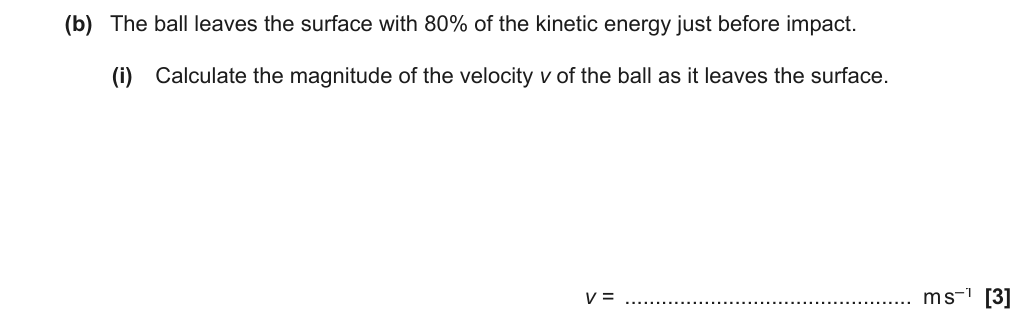
(b) The ball leaves the surface with 80% of the kinetic energy just before impact.
(i) Calculate the magnitude of the velocity v of the ball as it leaves the surface.
v =  ............................................... m s–1 [3]
June 2019 · AS Paper 2 · Q1(b)(ii) 2 marks Diagram or graph Medium kinematicslinear motion
Earlier parts of question 1 that this part usesEarlier part of June 2019 Paper 2 question 1Earlier part of June 2019 Paper 2 question 1
(ii) Complete Fig. 1 to show the variation of the velocity of the ball after it leaves the surface
until it is at rest again.
[2]
June 2019 · AS Paper 2 · Q1(b)(iii) 2 marks Calculation Medium kinematicslinear motion
Earlier parts of question 1 that this part usesEarlier part of June 2019 Paper 2 question 1Earlier part of June 2019 Paper 2 question 1Earlier part of June 2019 Paper 2 question 1
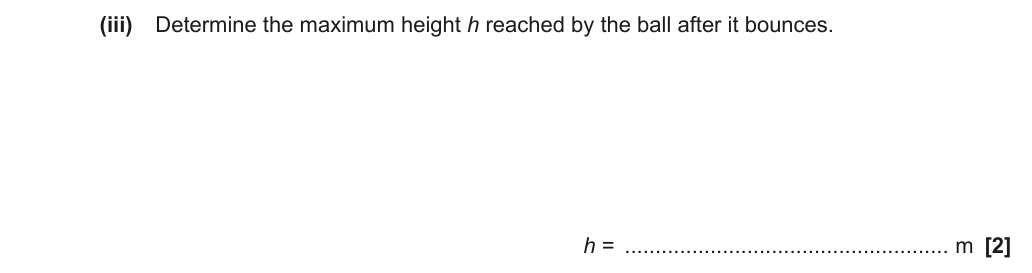
(iii) Determine the maximum height h reached by the ball after it bounces.
h =  ..................................................... m [2]
June 2019 · AS Paper 2 · Q1(c) 2 marks Explanation Hard dynamics and terminal velocitykinematics
Earlier part of question 1 that this part usesEarlier part of June 2019 Paper 2 question 1
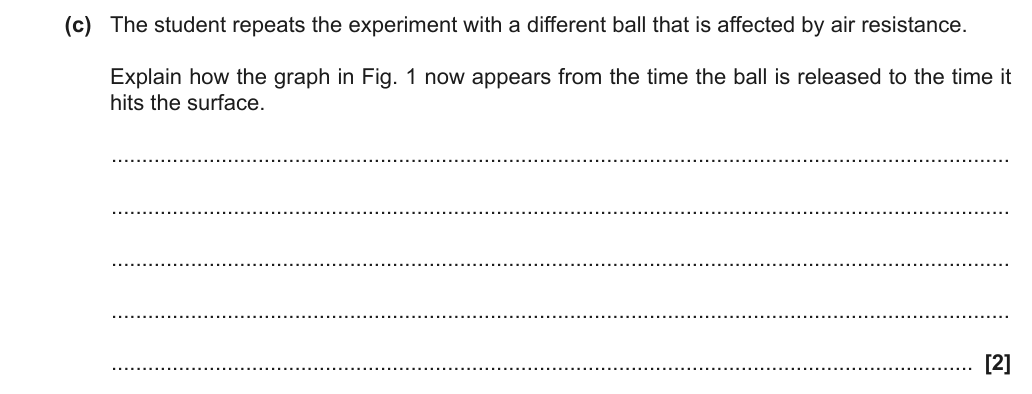
(c) The student repeats the experiment with a different ball that is affected by air resistance.
Explain how the graph in Fig. 1 now appears from the time the ball is released to the time it
hits the surface.
...................................................................................................................................................
...................................................................................................................................................
...................................................................................................................................................
...................................................................................................................................................
............................................................................................................................................. [2]
June 2019 · AS Paper 2 · Q2(a) 6 marks 6-mark extended response Medium materials and young modulus
2 (a)* A student is investigating the stretching of materials.
The student applies varying loads to material J and determines the stress and the strain until
the material breaks.
The experiment is then repeated for a second material K.
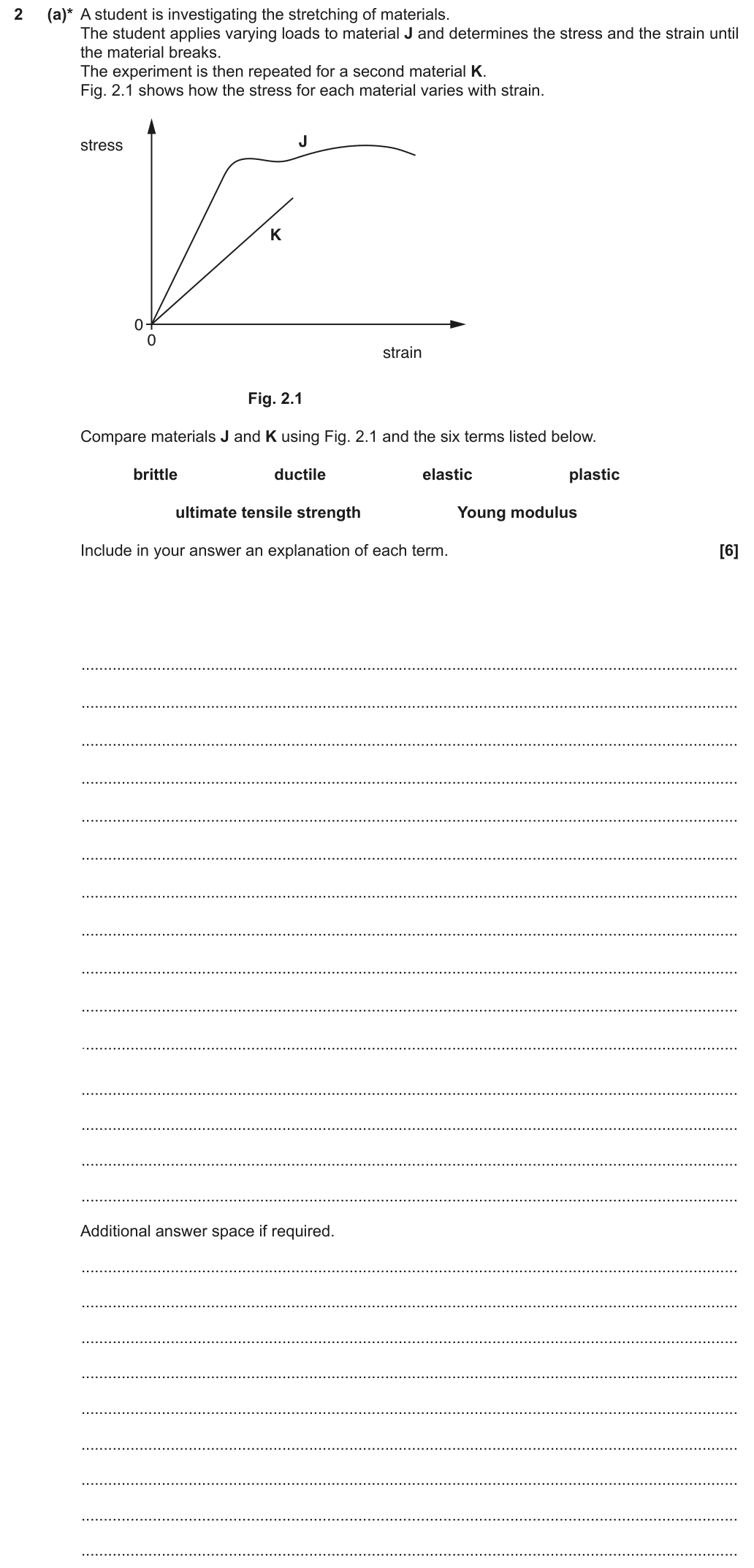
Fig. 2.1 shows how the stress for each material varies with strain.
stress J
K
0
0
strain
Fig. 2.1
Compare materials J and K using Fig. 2.1 and the six terms listed below.
brittle      ductile      elastic      plastic
ultimate tensile strength      Young modulus
Include in your answer an explanation of each term. [6]
...................................................................................................................................................
...................................................................................................................................................
...................................................................................................................................................
...................................................................................................................................................
...................................................................................................................................................
...................................................................................................................................................
...................................................................................................................................................
...................................................................................................................................................
...................................................................................................................................................
...................................................................................................................................................
...................................................................................................................................................
...................................................................................................................................................
...................................................................................................................................................
...................................................................................................................................................
...................................................................................................................................................
Additional answer space if required.
...................................................................................................................................................
...................................................................................................................................................
...................................................................................................................................................
...................................................................................................................................................
...................................................................................................................................................
...................................................................................................................................................
...................................................................................................................................................
...................................................................................................................................................
...................................................................................................................................................
June 2019 · AS Paper 2 · Q2(b) 3 marks Calculation Hard materials and young modulusquantities and unitsdynamics and terminal velocity
(b) A student is designing a three-legged wooden stool as shown in Fig. 2.2.
Fig. 2.2
The stool must be able to support the weight of an adult.
The maximum compressive stress of the wood is 2.3 MPa.
Estimate the minimum cross-sectional area A of one leg.
A =  ................................................... m2 [3]
June 2019 · AS Paper 2 · Q3(a)(i) 1 mark Short answer Easy practical skills
3 (a) A student measures the diameter of a ball in different directions.
The student’s results are:
2.43 cm    2.54 cm    2.59 cm
(i) State the name of a suitable measuring instrument to measure the diameter of the ball.
..................................................................................................................................... [1]
June 2019 · AS Paper 2 · Q3(a)(ii) 2 marks Calculation Easy measurements and uncertaintiespractical skills
Earlier part of question 3 that this part usesEarlier part of June 2019 Paper 2 question 3
(ii) Calculate the mean diameter d of the ball.
Include the absolute uncertainty in d.
d = ...................  ±  ................... cm [2]
June 2019 · AS Paper 2 · Q3(a)(iii) 1 mark Show that Hard practical skills
Earlier part of question 3 that this part usesEarlier part of June 2019 Paper 2 question 3
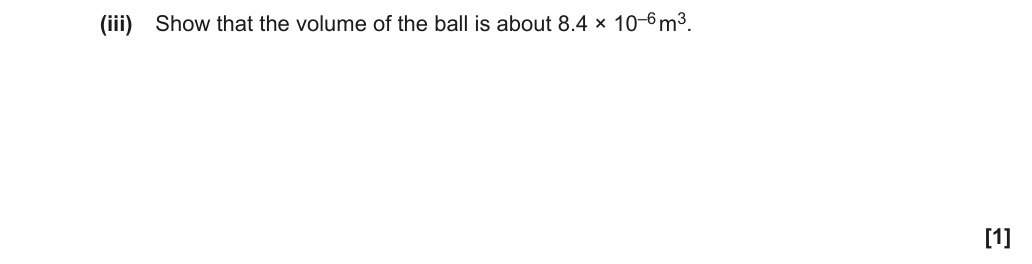
(iii) Show that the volume of the ball is about 8.4 × 10⁻⁶ m3.
[1]
June 2019 · AS Paper 2 · Q3(a)(iv) 2 marks Calculation Medium density and pressurepractical skills
Earlier part of question 3 that this part usesEarlier part of June 2019 Paper 2 question 3
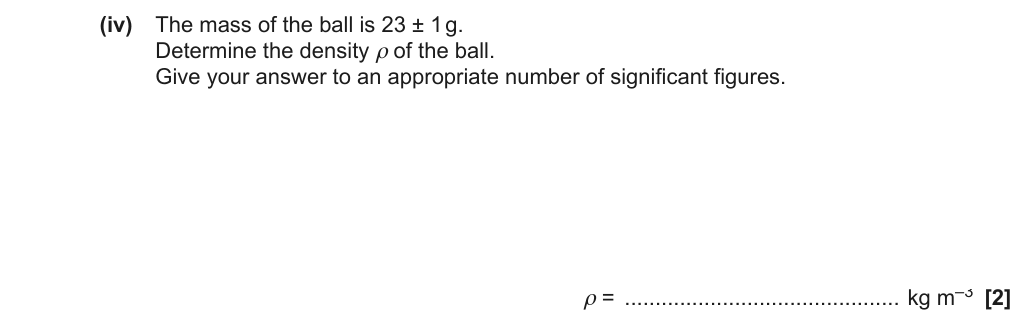
(iv) The mass of the ball is 23 ± 1 g.
Determine the density ρ of the ball.
Give your answer to an appropriate number of significant figures.
ρ =  ............................................. kg m–3 [2]
June 2019 · AS Paper 2 · Q3(a)(v) 2 marks Calculation Hard measurements and uncertainties
Earlier parts of question 3 that this part usesEarlier part of June 2019 Paper 2 question 3Earlier part of June 2019 Paper 2 question 3
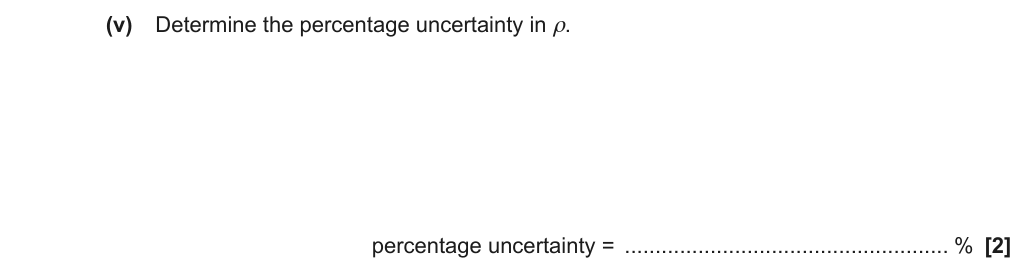
(v) Determine the percentage uncertainty in ρ.
percentage uncertainty =  ..................................................... % [2]
June 2019 · AS Paper 2 · Q3(b) 3 marks Calculation Medium springsdynamics and terminal velocity
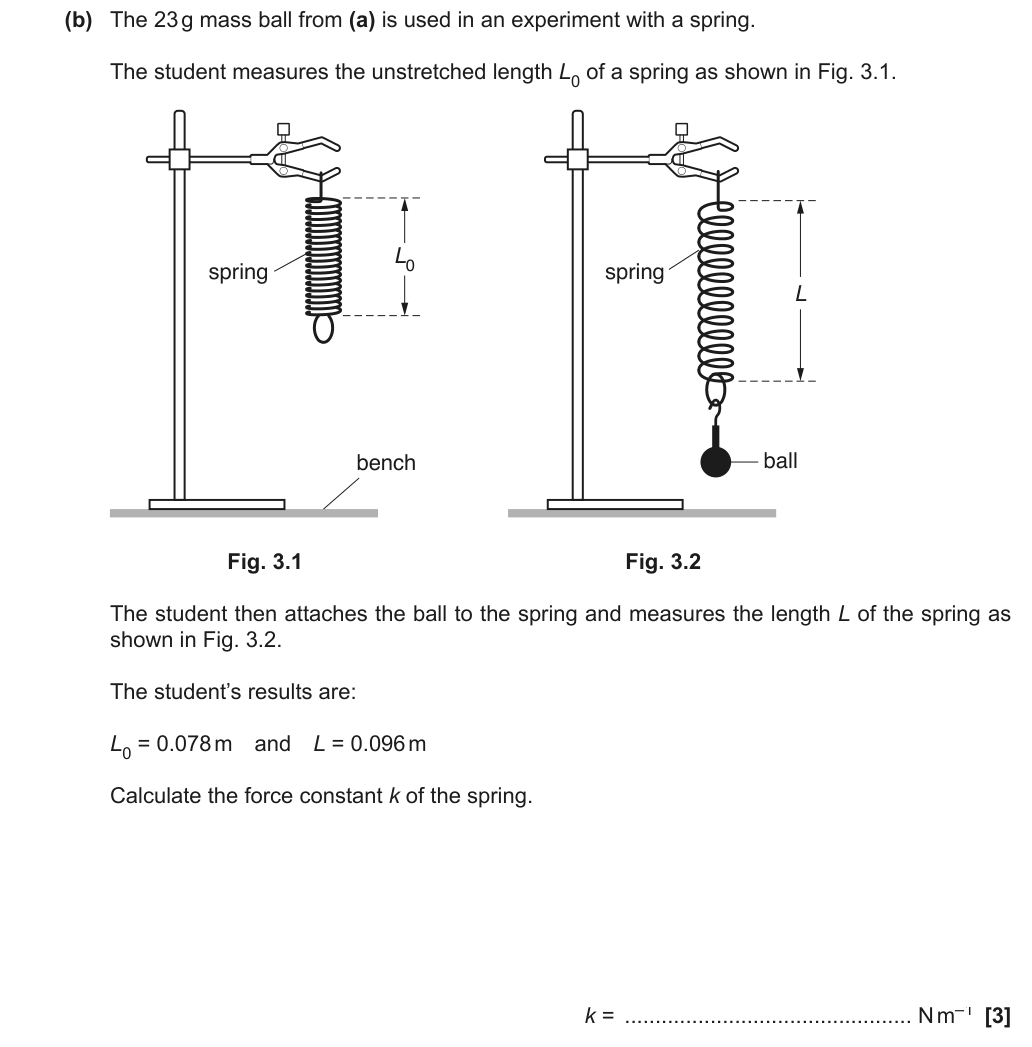
(b) The 23 g mass ball from (a) is used in an experiment with a spring.
The student measures the unstretched length L0 of a spring as shown in Fig. 3.1.
L0
spring spring
L
bench ball
Fig. 3.1 Fig. 3.2
The student then attaches the ball to the spring and measures the length L of the spring as
shown in Fig. 3.2.
The student’s results are:
L0 = 0.078 m and L = 0.096 m
Calculate the force constant k of the spring.
k =  ............................................... N m–1 [3]
June 2019 · AS Paper 2 · Q3(c)(i) 2 marks Calculation Medium density and pressureequilibrium and momentssprings
Earlier part of question 3 that this part usesEarlier part of June 2019 Paper 2 question 3
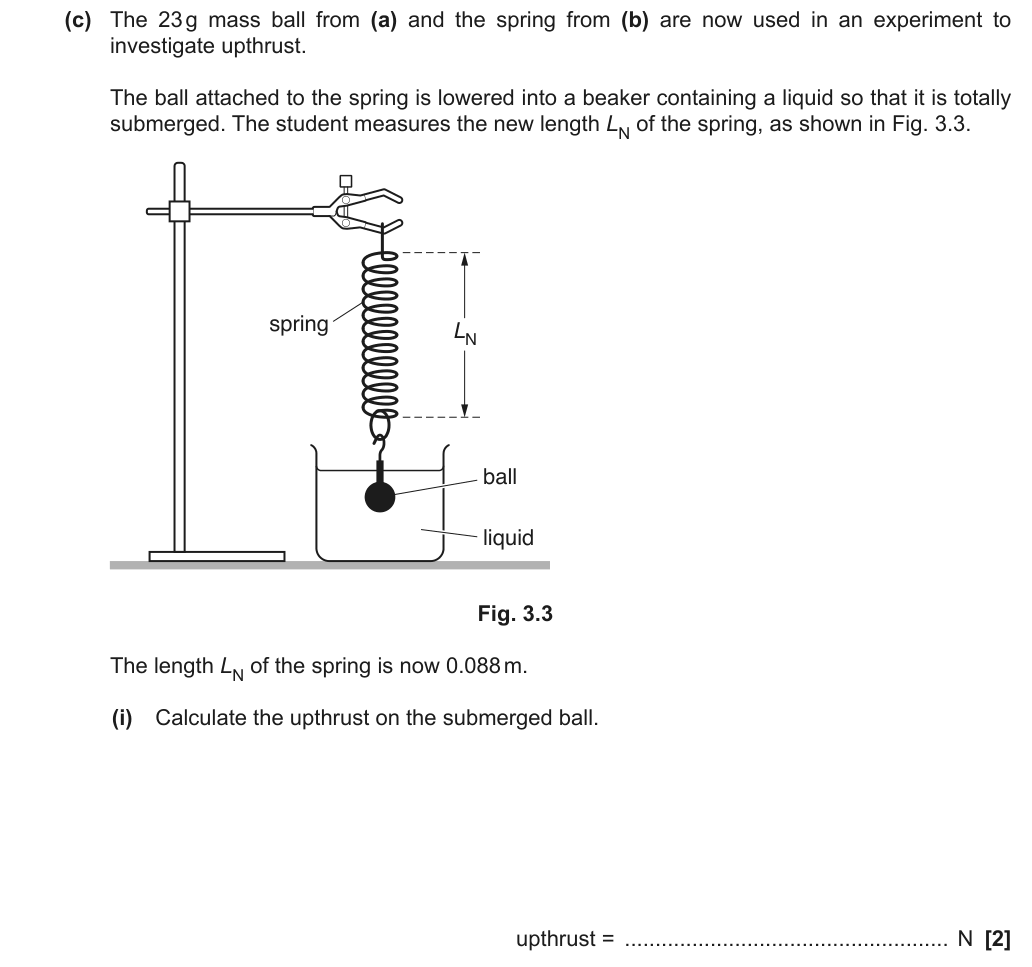
(c) The 23 g mass ball from (a) and the spring from (b) are now used in an experiment to
investigate upthrust.
The ball attached to the spring is lowered into a beaker containing a liquid so that it is totally
submerged. The student measures the new length LN of the spring, as shown in Fig. 3.3.
spring LN
ball
liquid
Fig. 3.3
The length LN of the spring is now 0.088 m.
(i) Calculate the upthrust on the submerged ball.
upthrust =  ..................................................... N [2]
June 2019 · AS Paper 2 · Q3(c)(ii) 2 marks Calculation Hard density and pressure
Earlier parts of question 3 that this part usesEarlier part of June 2019 Paper 2 question 3Earlier part of June 2019 Paper 2 question 3
(ii) Calculate the density of the liquid.
density of liquid =  ............................................. kg m–3 [2]
June 2019 · AS Paper 2 · Q4(a)(i) 2 marks Show that Easy series and parallel circuits
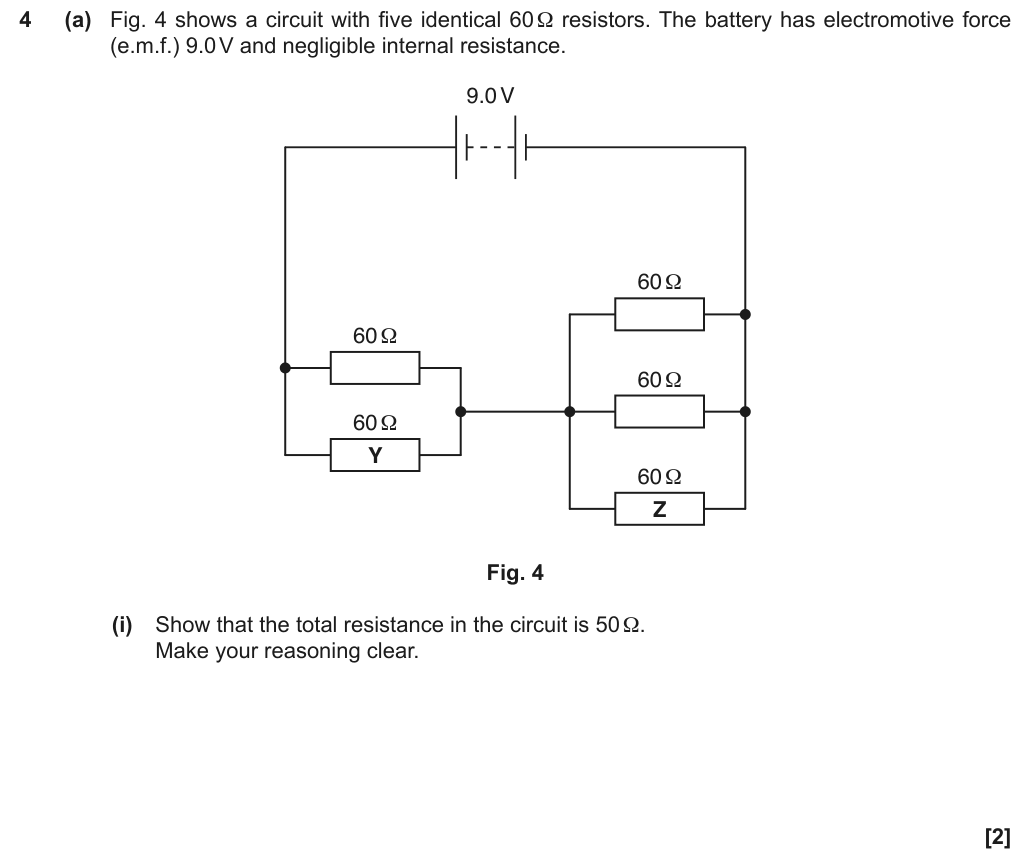
4 (a) Fig. 4 shows a circuit with five identical 60 Ω resistors. The battery has electromotive force
(e.m.f.) 9.0 V and negligible internal resistance.
9.0 V
60 Ω
60 Ω
60 Ω
60 Ω
Y
60 Ω
Z
Fig. 4
(i) Show that the total resistance in the circuit is 50 Ω.
Make your reasoning clear.
[2]
June 2019 · AS Paper 2 · Q4(a)(ii) 2 marks Calculation Medium potential dividersemf pd and resistanceseries and parallel circuits
Earlier part of question 4 that this part usesEarlier part of June 2019 Paper 2 question 4
(ii) Calculate the potential difference V across resistor Y.
V =  ..................................................... V [2]
June 2019 · AS Paper 2 · Q4(a)(iii) 3 marks Calculation Medium charge and currentemf pd and resistance
Earlier parts of question 4 that this part usesEarlier part of June 2019 Paper 2 question 4Earlier part of June 2019 Paper 2 question 4
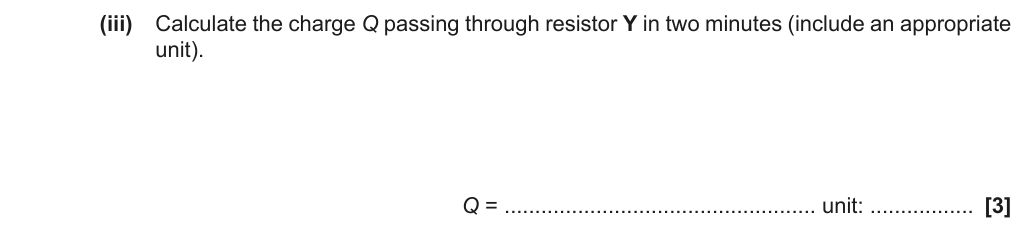
(iii) Calculate the charge Q passing through resistor Y in two minutes (include an appropriate
unit).
Q = ................................................... unit: ................. [3]
June 2019 · AS Paper 2 · Q4(a)(iv) 1 mark Calculation Medium emf pd and resistanceelectrical power
Earlier parts of question 4 that this part usesEarlier part of June 2019 Paper 2 question 4Earlier part of June 2019 Paper 2 question 4
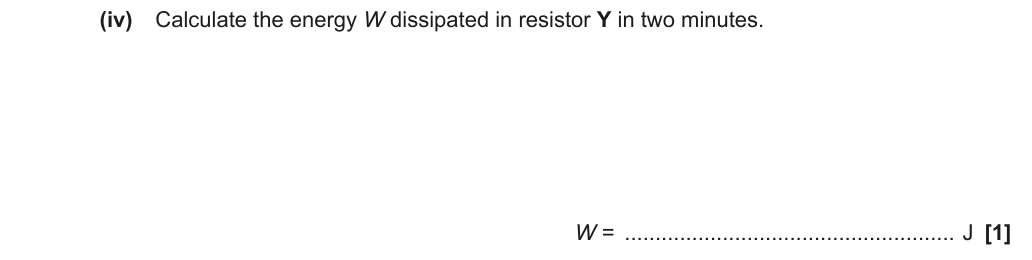
(iv) Calculate the energy W dissipated in resistor Y in two minutes.
W =  ...................................................... J [1]
June 2019 · AS Paper 2 · Q4(b) 3 marks Explanation Hard charge and currentseries and parallel circuits
Earlier part of question 4 that this part usesEarlier part of June 2019 Paper 2 question 4
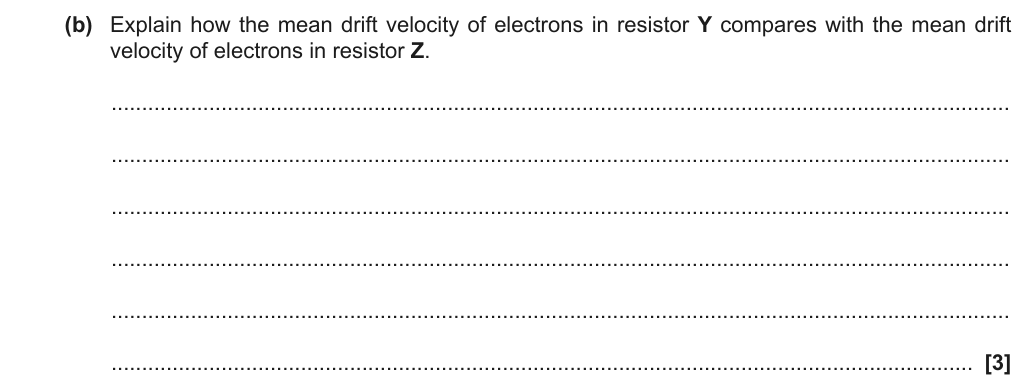
(b) Explain how the mean drift velocity of electrons in resistor Y compares with the mean drift
velocity of electrons in resistor Z.
...................................................................................................................................................
...................................................................................................................................................
...................................................................................................................................................
...................................................................................................................................................
...................................................................................................................................................
............................................................................................................................................. [3]
June 2019 · AS Paper 2 · Q4(c) 3 marks Explanation Medium charge and current
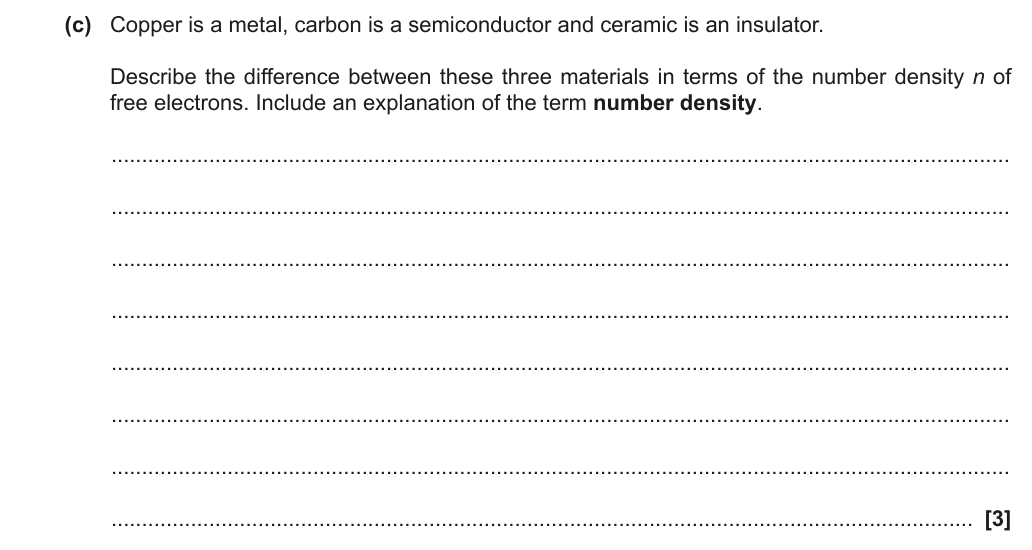
(c) Copper is a metal, carbon is a semiconductor and ceramic is an insulator.
Describe the difference between these three materials in terms of the number density n of
free electrons. Include an explanation of the term number density.
...................................................................................................................................................
...................................................................................................................................................
...................................................................................................................................................
...................................................................................................................................................
...................................................................................................................................................
...................................................................................................................................................
...................................................................................................................................................
............................................................................................................................................. [3]
June 2019 · AS Paper 2 · Q5(a)(i) 1 mark Calculation Easy wave motion
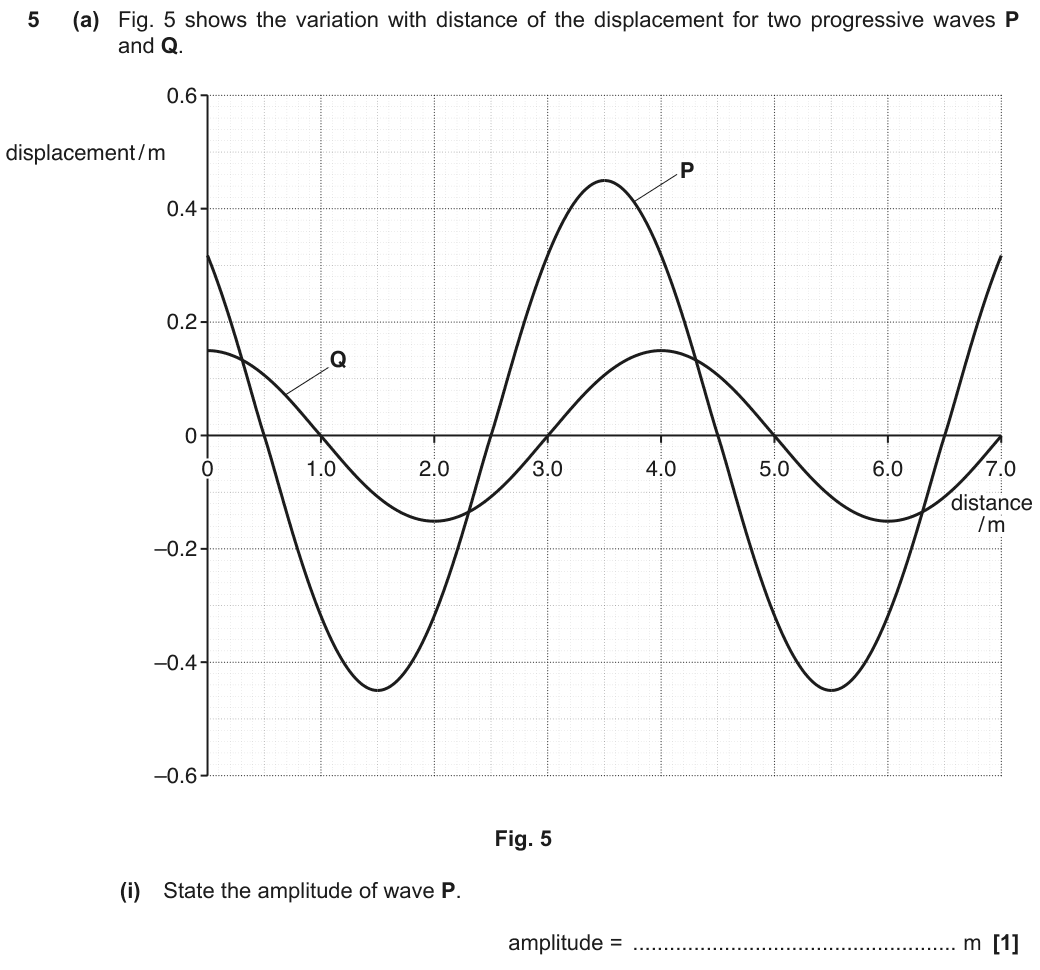
5 (a) Fig. 5 shows the variation with distance of the displacement for two progressive waves P
and Q.
0.6
displacement / m
P
0.4
0.2
Q
0
0 1.0 2.0 3.0 4.0 5.0 6.0 7.0
distance
/ m
–0.2
–0.4
–0.6
Fig. 5
(i) State the amplitude of wave P.
amplitude =  ..................................................... m [1]
June 2019 · AS Paper 2 · Q5(a)(ii) 1 mark Calculation Easy wave motion
Earlier part of question 5 that this part usesEarlier part of June 2019 Paper 2 question 5
(ii) State the wavelength of wave P.
wavelength =  ..................................................... m [1]
June 2019 · AS Paper 2 · Q5(a)(iii) 2 marks Calculation Medium wave motion
Earlier parts of question 5 that this part usesEarlier part of June 2019 Paper 2 question 5Earlier part of June 2019 Paper 2 question 5
(iii) Determine the phase difference, in radians, between wave P and wave Q.
phase difference =  .................................................. rad [2]
June 2019 · AS Paper 2 · Q5(a)(iv) 2 marks Calculation Hard wave motion
Earlier part of question 5 that this part usesEarlier part of June 2019 Paper 2 question 5
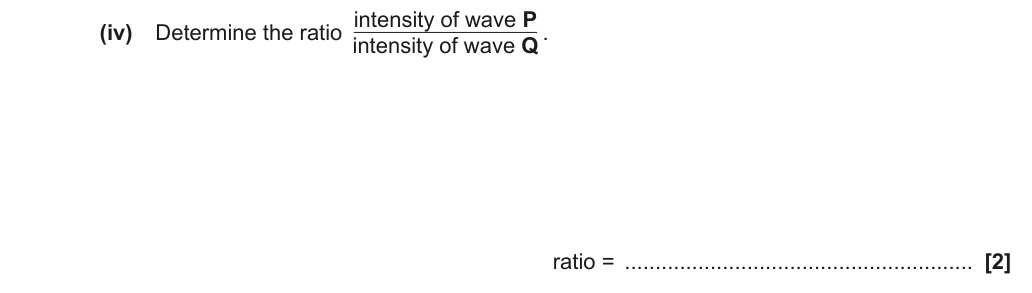
(iv) Determine the ratio intensity of wave P
intensity of wave Q .
ratio =  ......................................................... [2]
June 2019 · AS Paper 2 · Q5(b) 6 marks 6-mark extended response Medium superposition and interferencepractical skillswave motion
(b)* A student wishes to investigate how the fringe spacing x of an interference pattern produced
by sound waves varies with the frequency f of the sound waves.
It is suggested that v f = ax
D where
a is the separation of the sources of sound
D is the distance from the sources of sound to the interference maxima and minima
v is the speed of sound in air.
Describe with the aid of a suitable diagram how an experiment can be safely conducted in the
laboratory, and how the data can be analysed to determine v. [6]
...................................................................................................................................................
...................................................................................................................................................
...................................................................................................................................................
...................................................................................................................................................
...................................................................................................................................................
...................................................................................................................................................
...................................................................................................................................................
...................................................................................................................................................
...................................................................................................................................................
...................................................................................................................................................
...................................................................................................................................................
...................................................................................................................................................
...................................................................................................................................................
...................................................................................................................................................
...................................................................................................................................................
Additional answer space if required.
...................................................................................................................................................
...................................................................................................................................................
...................................................................................................................................................
...................................................................................................................................................
...................................................................................................................................................
...................................................................................................................................................
...................................................................................................................................................
...................................................................................................................................................
...................................................................................................................................................
...................................................................................................................................................
...................................................................................................................................................
...................................................................................................................................................
...................................................................................................................................................
...................................................................................................................................................
...................................................................................................................................................
June 2019 · AS Paper 2 · Q6(a)(i) 1 mark Short answer Medium photoelectric effect
6 (a) In an experiment to demonstrate the photoelectric effect, electromagnetic waves are incident
on a silver surface.
Fig. 6 shows the variation with frequency f of the maximum kinetic energy KEmax of the
photoelectrons.
15
KEmax / 10–19 J
10
5
0
0 0.5 1.0 1.5 2.0 2.5 3.0
f / 1015 Hz
Fig. 6
(i) Define the term threshold frequency.
...........................................................................................................................................
...........................................................................................................................................
..................................................................................................................................... [1]
June 2019 · AS Paper 2 · Q6(a)(ii) 1 mark Practical and data analysis Easy photoelectric effect
Earlier part of question 6 that this part usesEarlier part of June 2019 Paper 2 question 6
(ii) Use Fig. 6 to state the threshold frequency f0 for silver.
f0  ................................................... Hz [1]
June 2019 · AS Paper 2 · Q6(a)(iii) 2 marks Calculation Medium photoelectric effectphotons
Earlier parts of question 6 that this part usesEarlier part of June 2019 Paper 2 question 6Earlier part of June 2019 Paper 2 question 6
(iii) Use your answer in (ii) to calculate the work function φ of silver.
Give your answer in electron volt (eV).
φ =  ................................................... eV [2]
June 2019 · AS Paper 2 · Q6(b) 4 marks Explanation Easy wave particle duality
(b) Electrons can behave as a wave.
Describe the behaviour of electrons which demonstrates that they have wave properties.
...................................................................................................................................................
...................................................................................................................................................
...................................................................................................................................................
...................................................................................................................................................
...................................................................................................................................................
...................................................................................................................................................
...................................................................................................................................................
...................................................................................................................................................
............................................................................................................................................. [4]

Work with an OCR physics tutor

Want a paper marked and gone through with you? Message us.

Prefer email? Send an enquiry

If you are under 18, please include a parent's contact details. Enquiries go to enquiries@physicsaleveltutor.com and are deleted once handled. All tutoring is online.