Mark scheme

Notes from the mark scheme and report
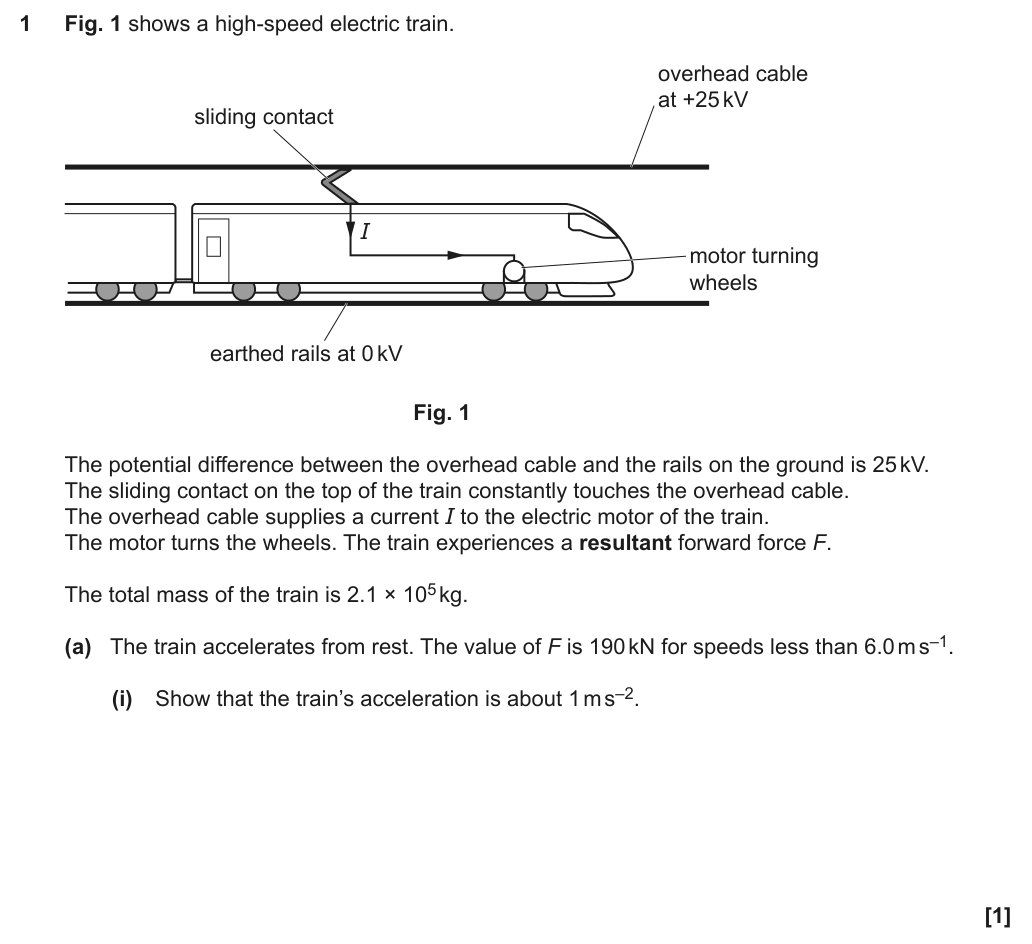
- substitution and a = 0.90 (0.905) must be seen
Skills: M0.1 Recognise and make use of appropriate units in calculations; M2.2 Change the subject of an equation, including non-linear equations
70 marks · 27 question parts · Paper, mark scheme and report on OCR's site · An autumn series using the paper written for the cancelled summer exams · Have the Data, Formulae and Relationships Booklet beside you
Skills: M0.1 Recognise and make use of appropriate units in calculations; M2.2 Change the subject of an equation, including non-linear equations
Skills: M2.2 Change the subject of an equation, including non-linear equations; M2.3 Substitute numerical values into algebraic equations using appropriate units for physical quantities
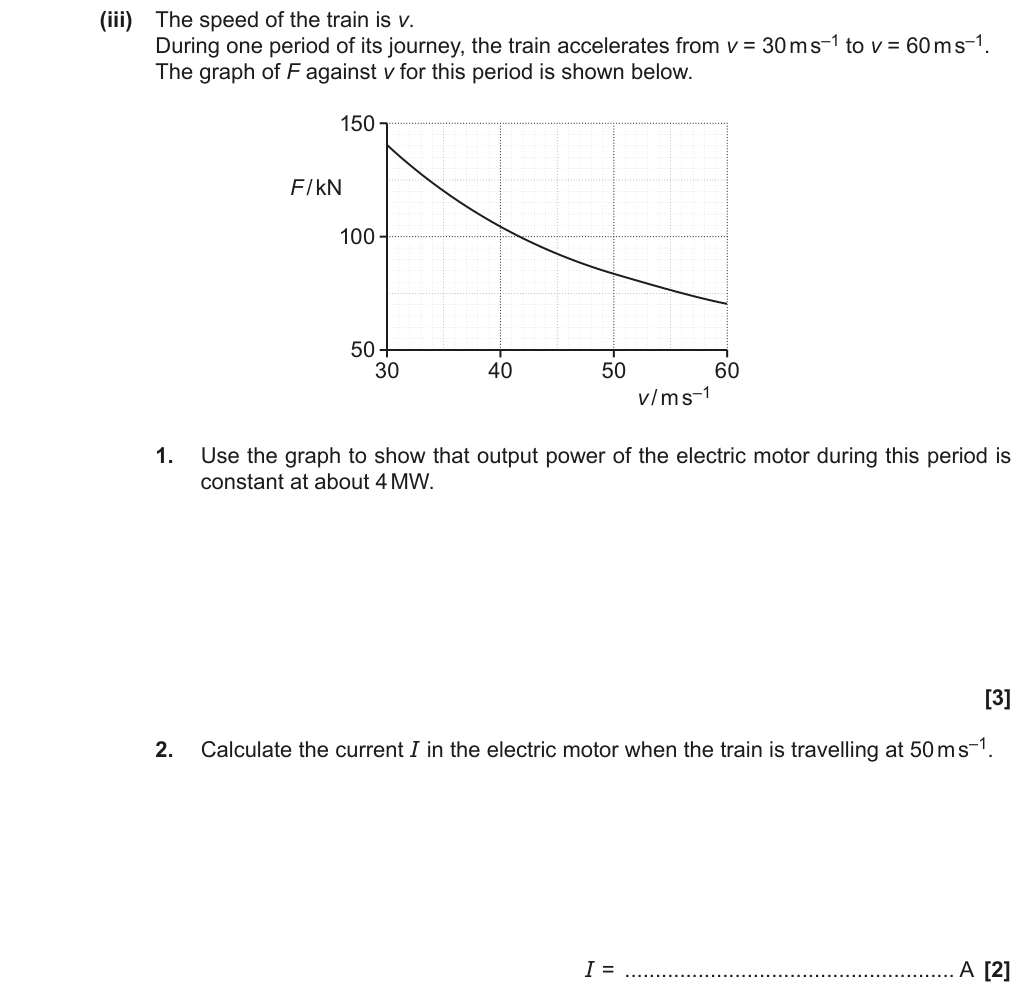
Skills: M0.1 Recognise and make use of appropriate units in calculations; M2.3 Substitute numerical values into algebraic equations using appropriate units for physical quantities; M3.1 Translate information between graphical, numerical and algebraic forms
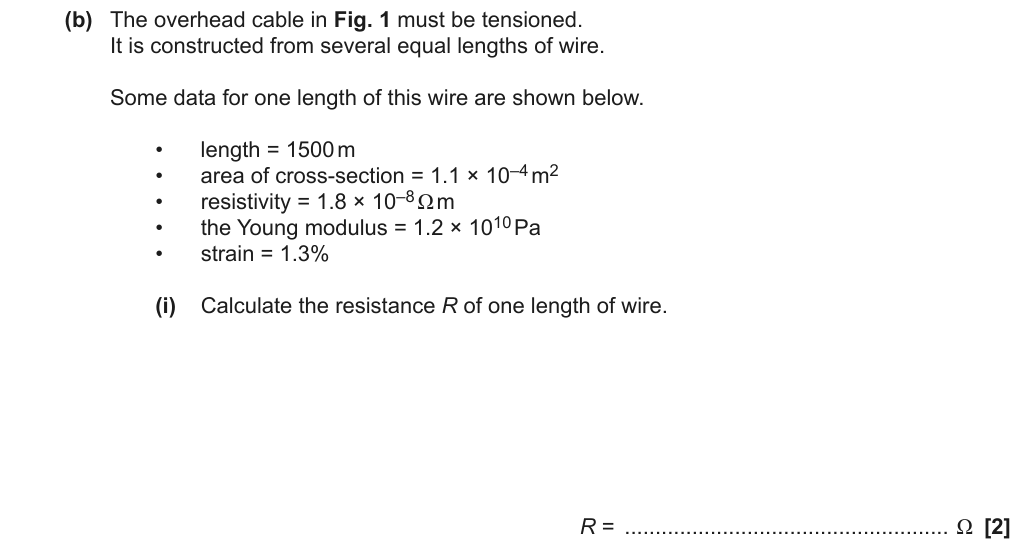
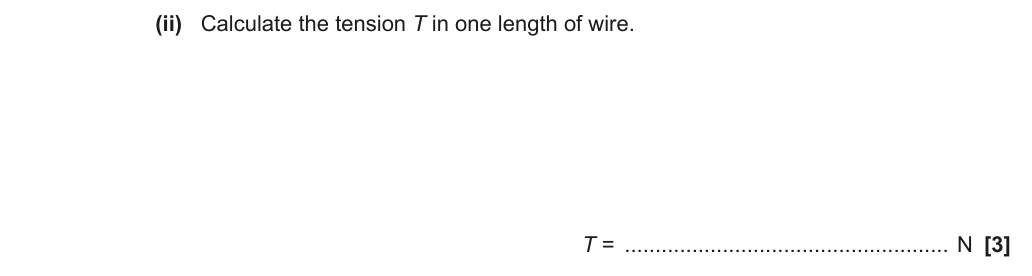
Skills: M0.3 Use ratios, fractions and percentages; M2.2 Change the subject of an equation, including non-linear equations; M2.3 Substitute numerical values into algebraic equations using appropriate units for physical quantities
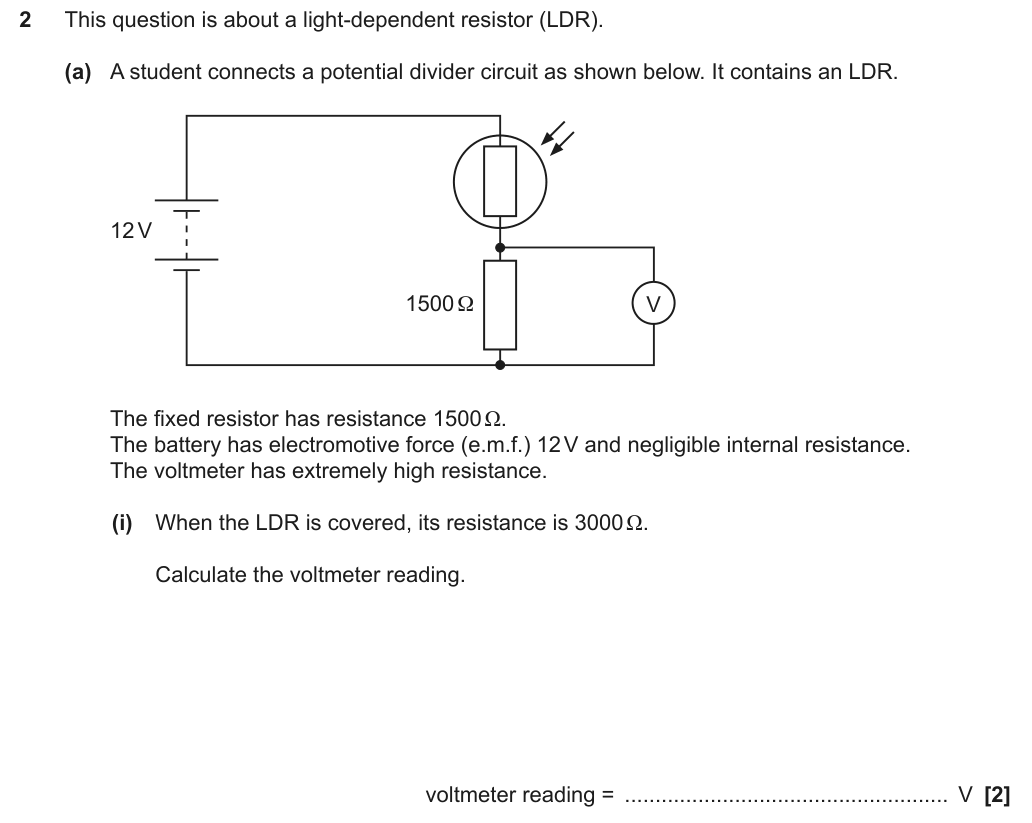
Skills: M2.3 Substitute numerical values into algebraic equations using appropriate units for physical quantities
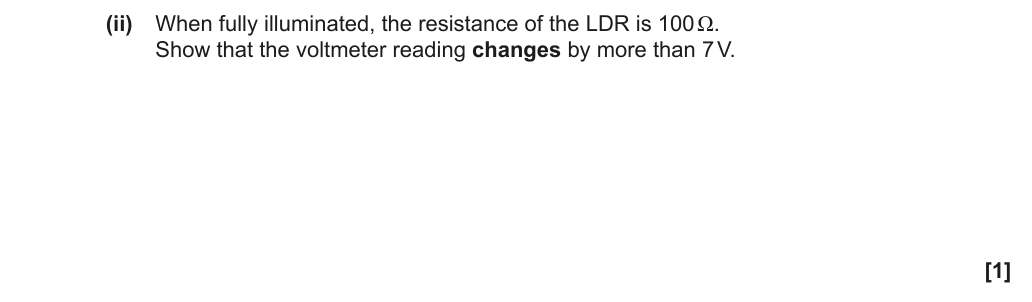
Skills: M2.3 Substitute numerical values into algebraic equations using appropriate units for physical quantities
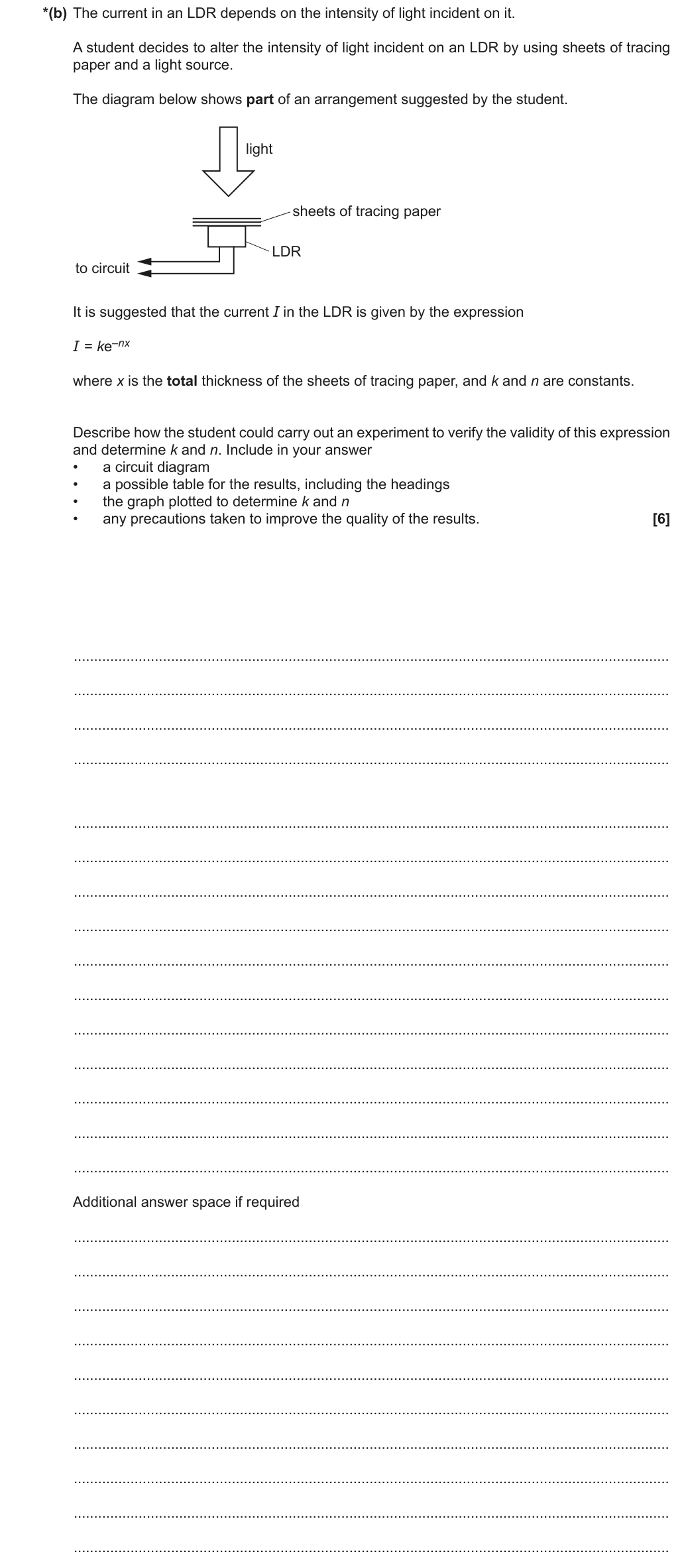
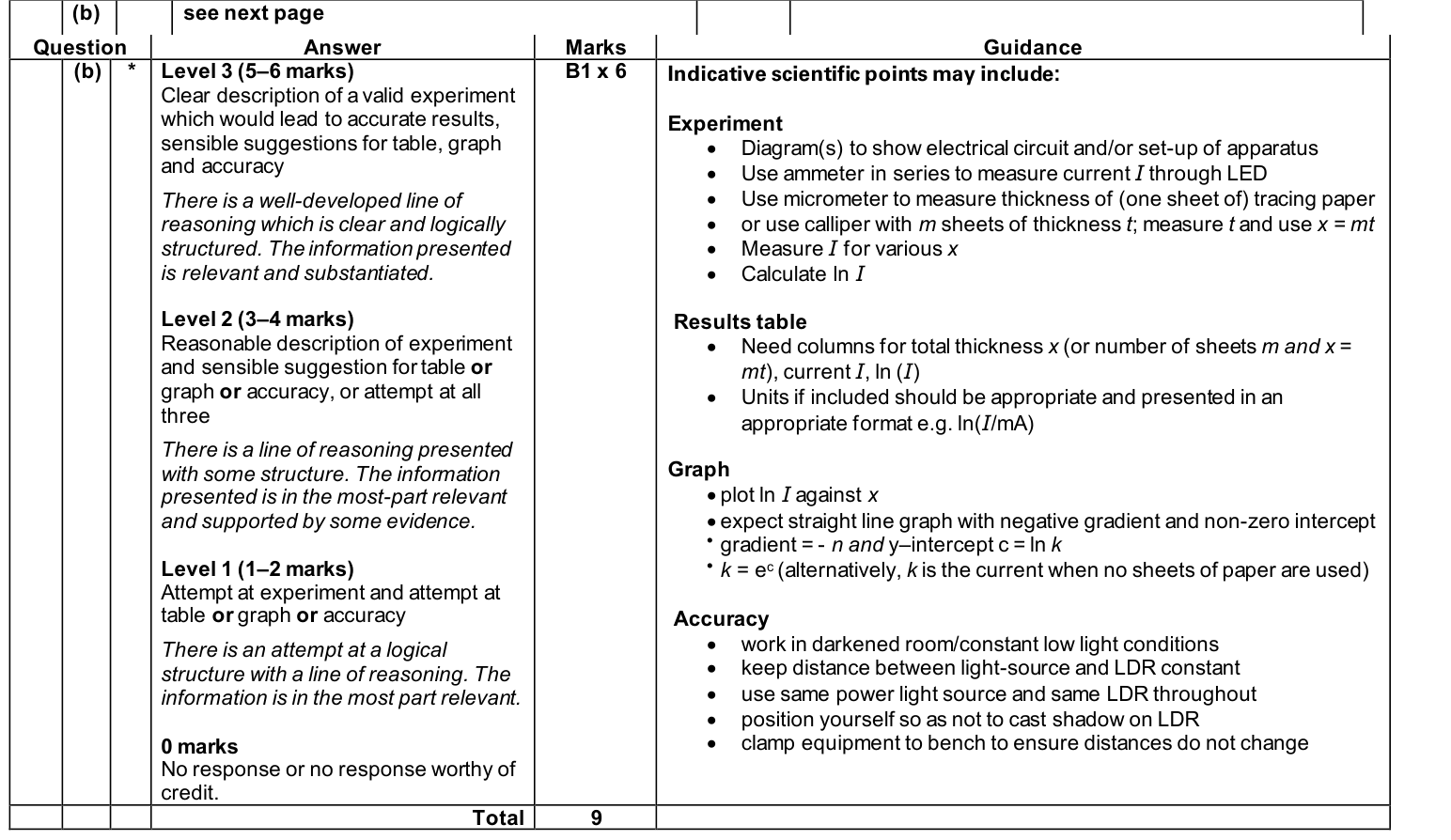
For example, they are asked to analyse and interpret experimental data, as in Question 5(b), or to design an experiment in order to test a conclusion, as in Question 2(b). The first, Question 2(b), tested the candidates’ ability to plan and carry out an experiment they were unlikely to have seen before.
Skills: M2.5 Use logarithms in relation to quantities that range over several orders of magnitude; M3.11 Use logarithmic plots to test exponential and power law variations; M3.3 Understand that y = mx + c represents a linear relationship; PAG4 Investigating electrical circuits

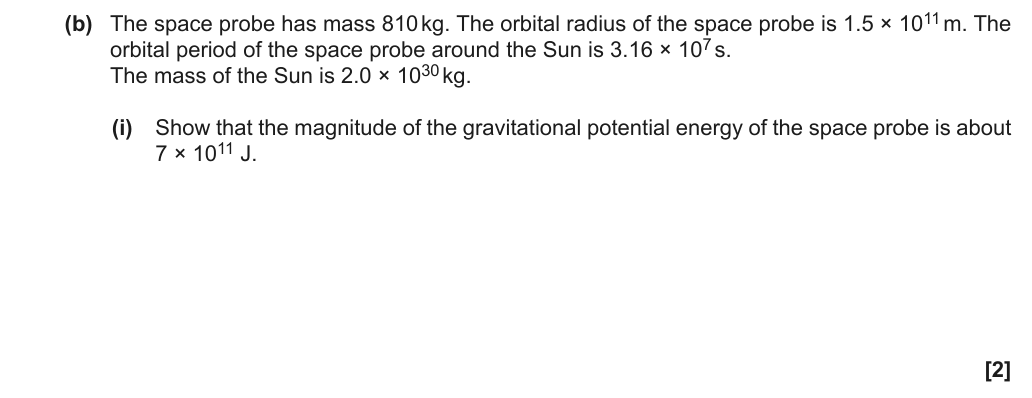
Key teaching and learning point Question 3(b) was a question designed to test candidates’ knowledge that gravitational potential energy is always negative.
Skills: M0.2 Recognise and use expressions in decimal and standard form; M2.3 Substitute numerical values into algebraic equations using appropriate units for physical quantities
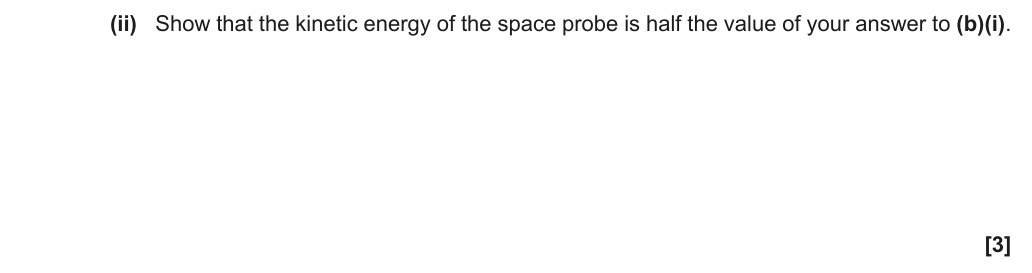
Key teaching and learning point Question 3(b) was a question designed to test candidates’ knowledge that gravitational potential energy is always negative.
Skills: M0.2 Recognise and use expressions in decimal and standard form; M2.3 Substitute numerical values into algebraic equations using appropriate units for physical quantities
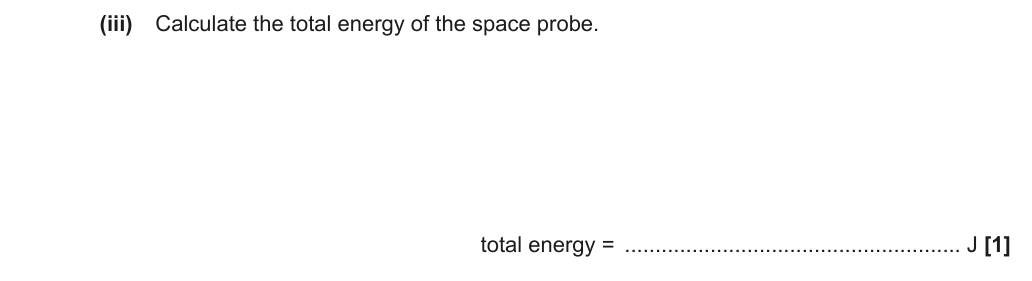
Key teaching and learning point Question 3(b) was a question designed to test candidates’ knowledge that gravitational potential energy is always negative.
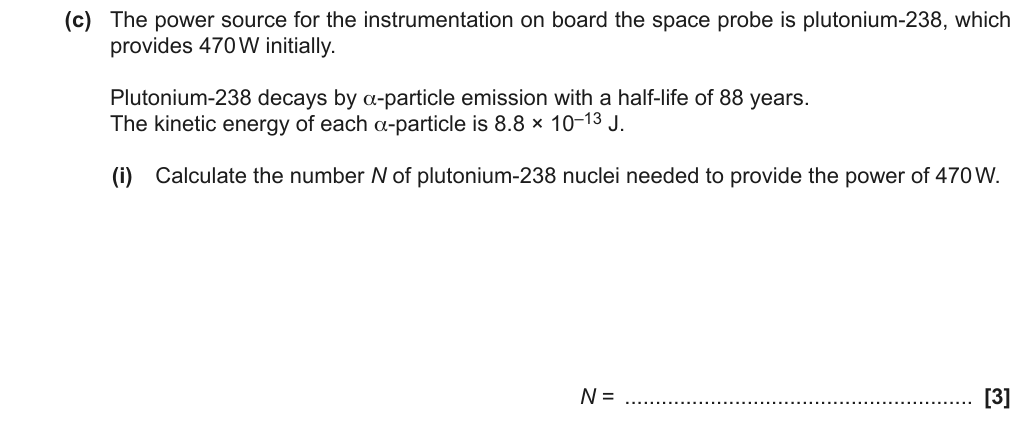
Skills: M0.1 Recognise and make use of appropriate units in calculations; M0.2 Recognise and use expressions in decimal and standard form; M2.2 Change the subject of an equation, including non-linear equations; M2.3 Substitute numerical values into algebraic equations using appropriate units for physical quantities
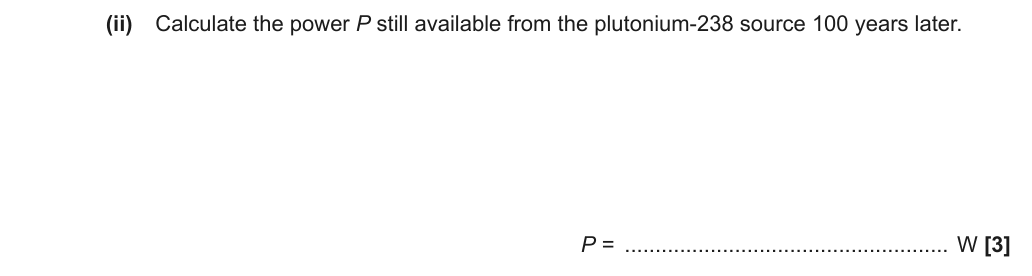
Skills: M0.5 Use calculators to find and use power, exponential and logarithmic functions; M2.3 Substitute numerical values into algebraic equations using appropriate units for physical quantities
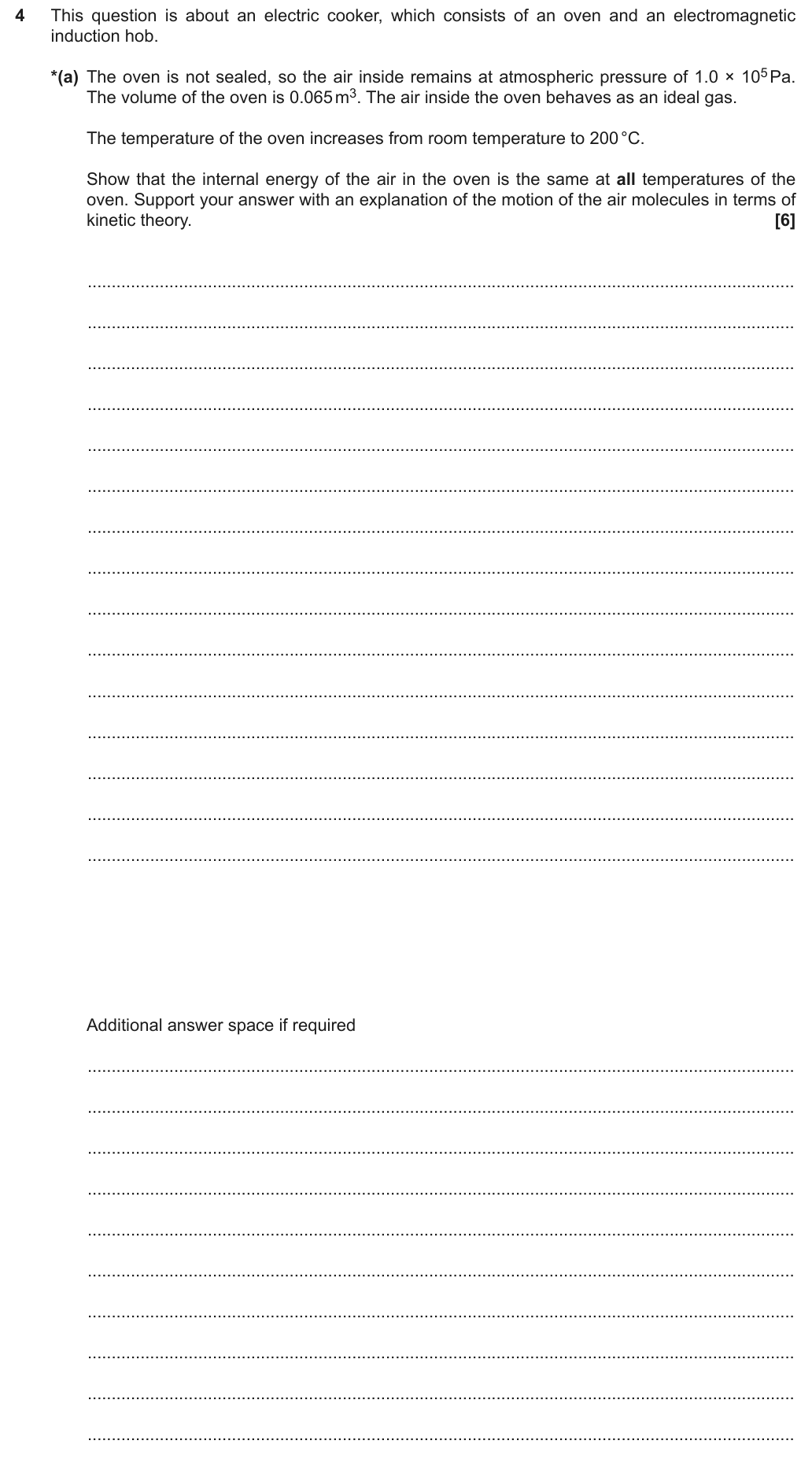
Skills: M2.2 Change the subject of an equation, including non-linear equations; M2.3 Substitute numerical values into algebraic equations using appropriate units for physical quantities
Skills: M4.2 Visualise and represent 2D and 3D forms, including two-dimensional representations of 3D objects
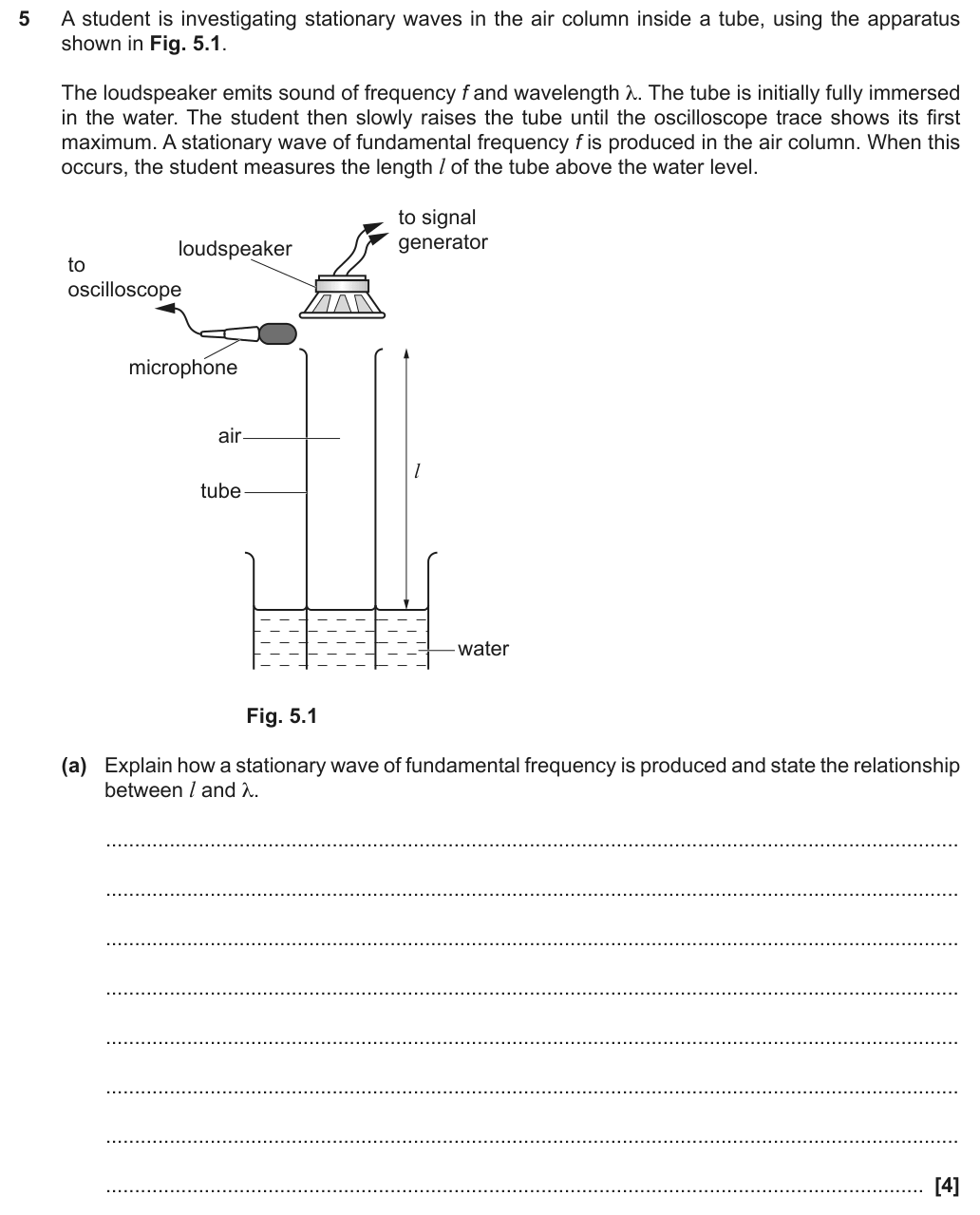
A good example where this approach would help is for Question 5(a), where many candidates either explained how a stationary wave is produced in general, with no reference to the fundamental frequency or l = ¼, or drew diagrams of several different harmonics, or gave the general equation l = (2n – 1)/4 × .
Skills: PAG5 Investigating waves
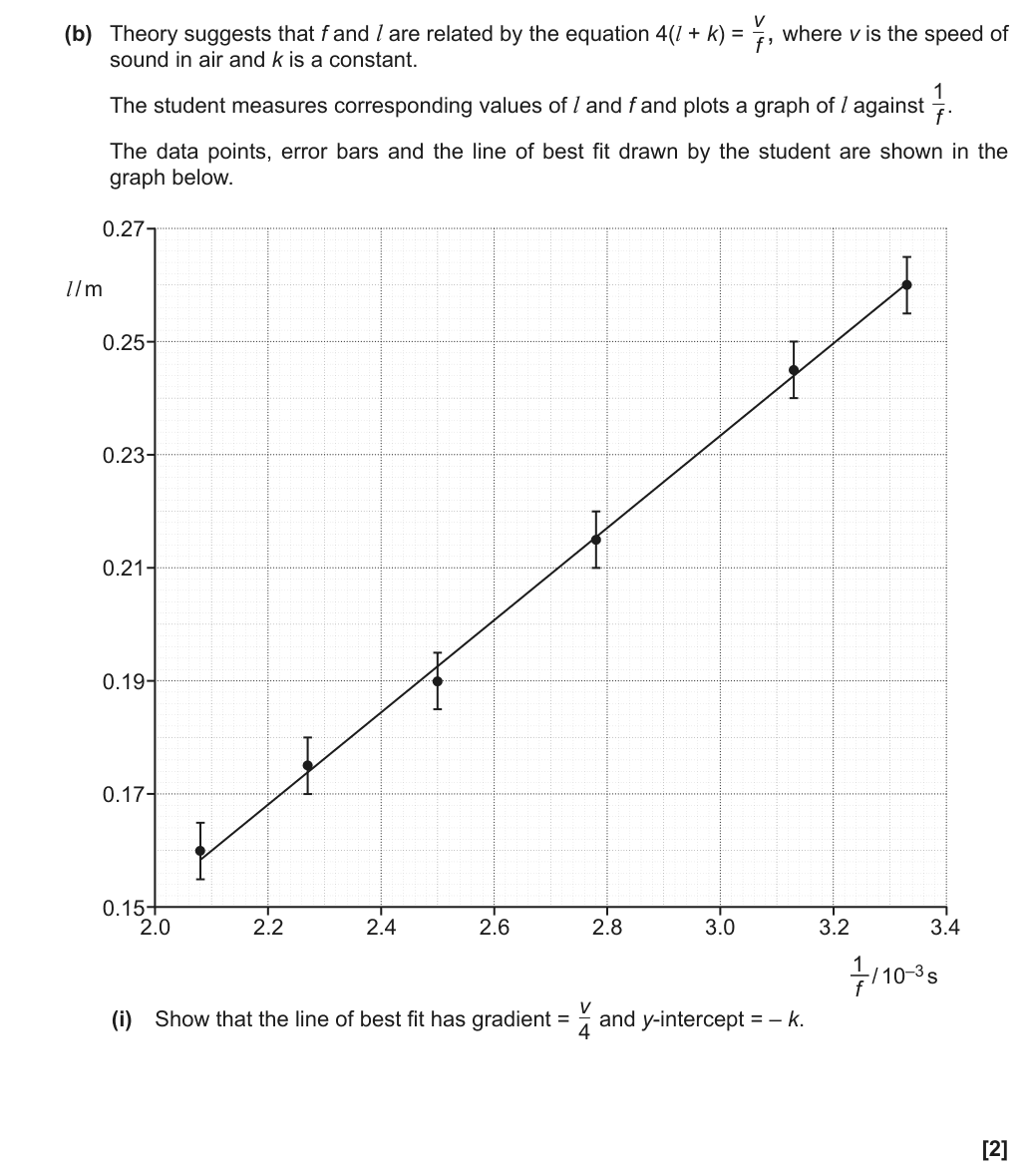
For example, they are asked to analyse and interpret experimental data, as in Question 5(b), or to design an experiment in order to test a conclusion, as in Question 2(b). Spotlight on Question 5(b) as an example A good illustrative example is the data analysis question, 5(b).
Skills: M2.2 Change the subject of an equation, including non-linear equations; M3.3 Understand that y = mx + c represents a linear relationship
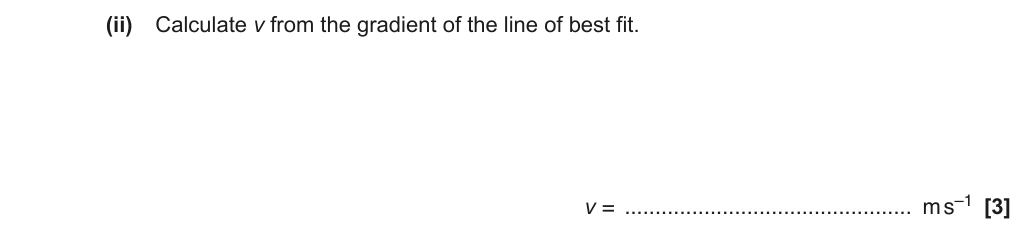
For example, they are asked to analyse and interpret experimental data, as in Question 5(b), or to design an experiment in order to test a conclusion, as in Question 2(b). Spotlight on Question 5(b) as an example A good illustrative example is the data analysis question, 5(b).
Skills: M3.4 Determine the slope and intercept of a linear graph; PAG5 Investigating waves
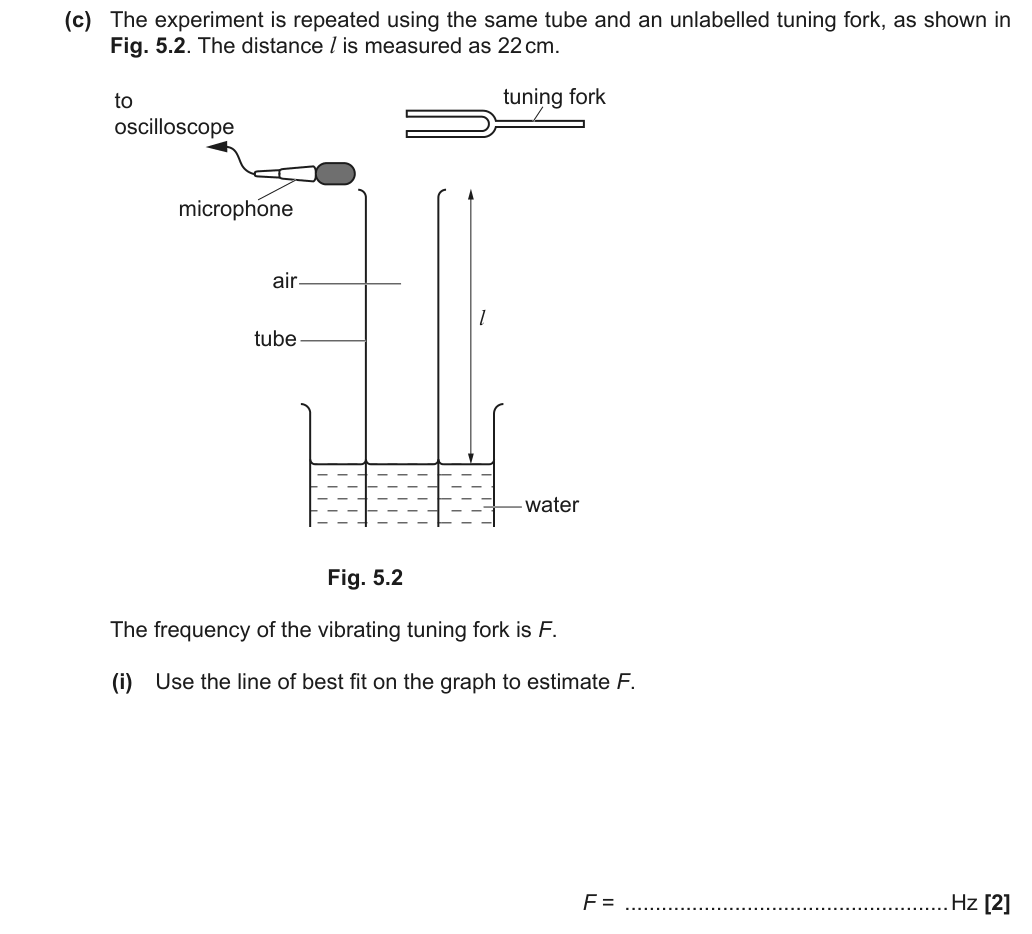
Skills: M3.1 Translate information between graphical, numerical and algebraic forms; PAG5 Investigating waves
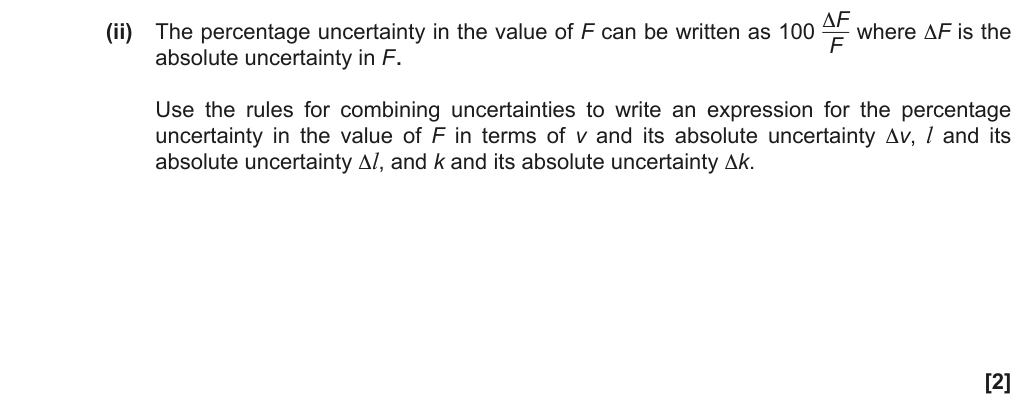
Skills: M1.5 Identify uncertainties in measurements and use simple techniques to determine uncertainty when data are combined; M2.2 Change the subject of an equation, including non-linear equations
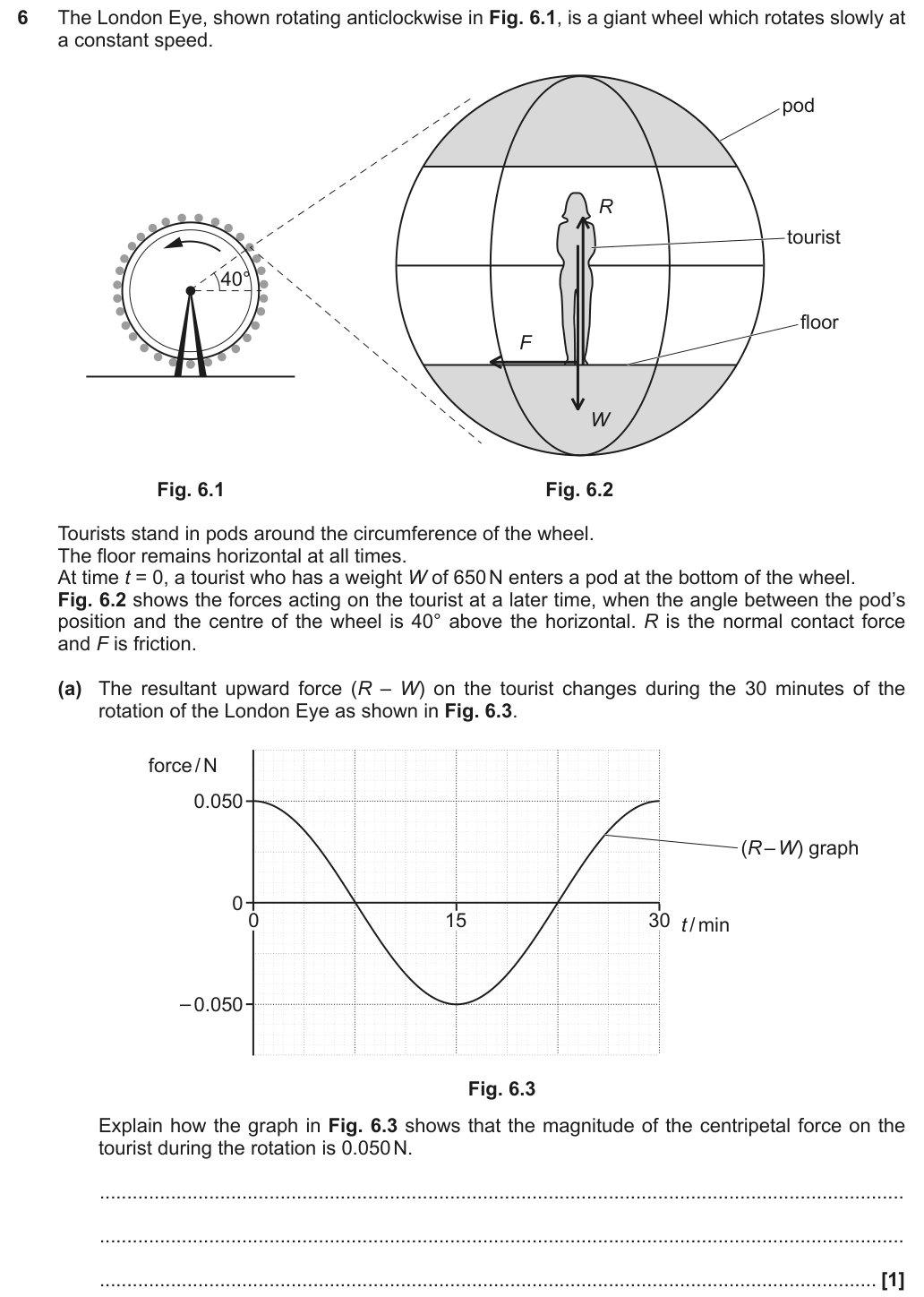
Common misconceptions Candidates often struggle to answer questions on circular motion, and Question 6 threw up the usual misconceptions. In Question 6, the two available forces are R – W, which acts vertically, and F, which acts horizontally.
Skills: M3.1 Translate information between graphical, numerical and algebraic forms
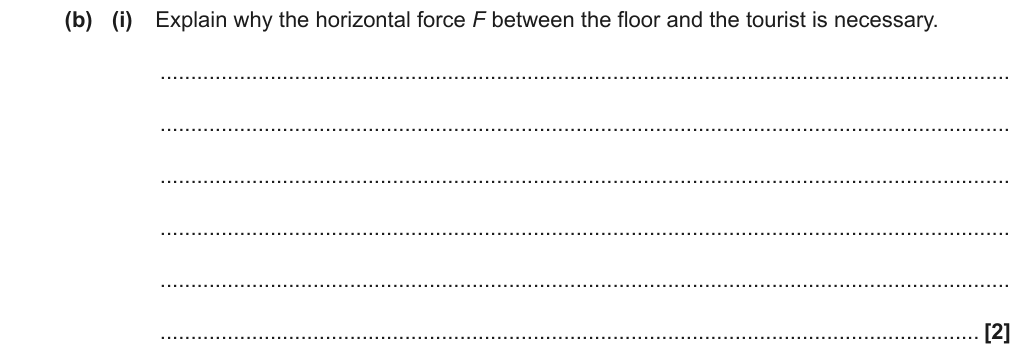
Common misconceptions Candidates often struggle to answer questions on circular motion, and Question 6 threw up the usual misconceptions. In Question 6, the two available forces are R – W, which acts vertically, and F, which acts horizontally.
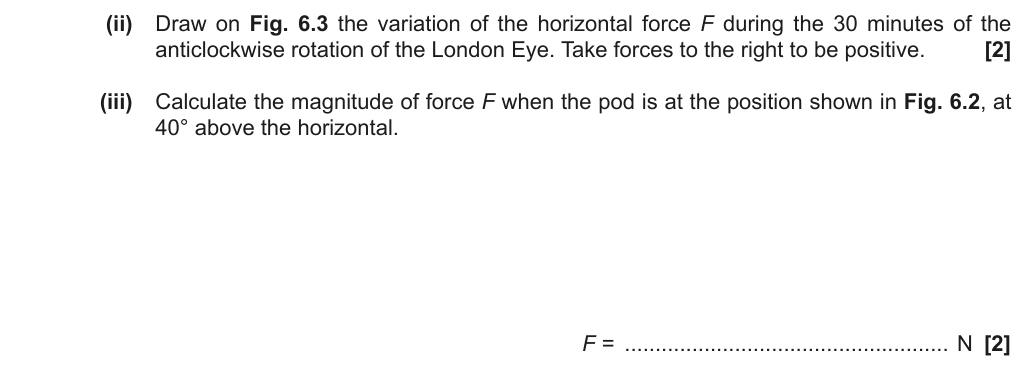
Common misconceptions Candidates often struggle to answer questions on circular motion, and Question 6 threw up the usual misconceptions. In Question 6, the two available forces are R – W, which acts vertically, and F, which acts horizontally.
Skills: M0.6 Use calculators to handle sin x, cos x and tan x when x is expressed in degrees or radians; M3.12 Sketch relationships which are modelled by y = k/x, y = kx², y = k/x², y = kx, y = sin x, y = cos x, y = e^(±x) and y = sin²x, y = cos²x as applied to physical relationships; M4.5 Use sin, cos and tan in physical problems
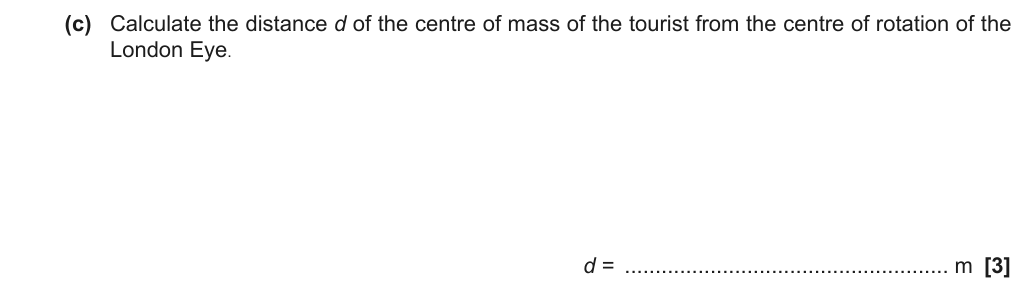
Common misconceptions Candidates often struggle to answer questions on circular motion, and Question 6 threw up the usual misconceptions. In Question 6, the two available forces are R – W, which acts vertically, and F, which acts horizontally.
Skills: M2.2 Change the subject of an equation, including non-linear equations; M2.3 Substitute numerical values into algebraic equations using appropriate units for physical quantities
Want a paper marked and gone through with you? Message us.