Answer
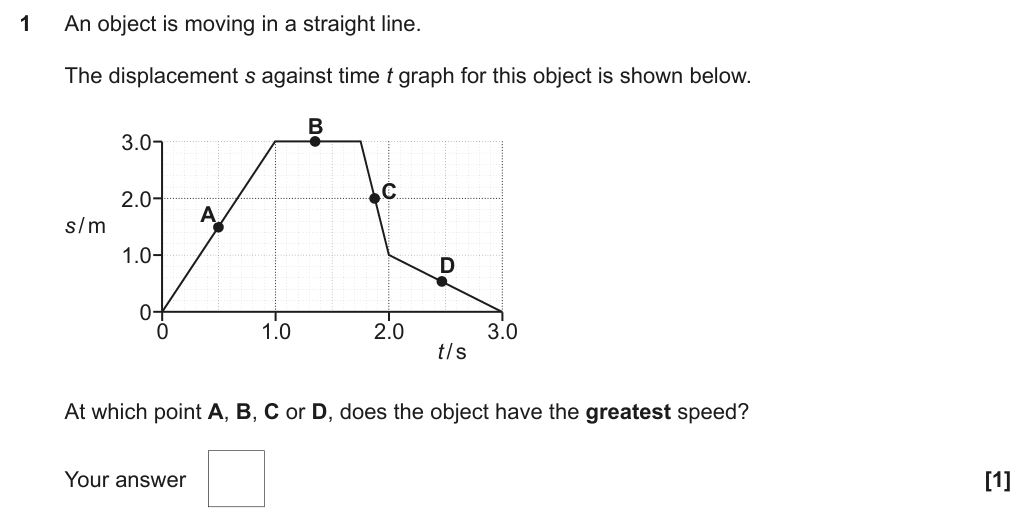
C
Mark scheme

100 marks · 49 question parts · Paper, mark scheme and report on OCR's site · An autumn series using the paper written for the cancelled summer exams · Have the Data, Formulae and Relationships Booklet beside you
C
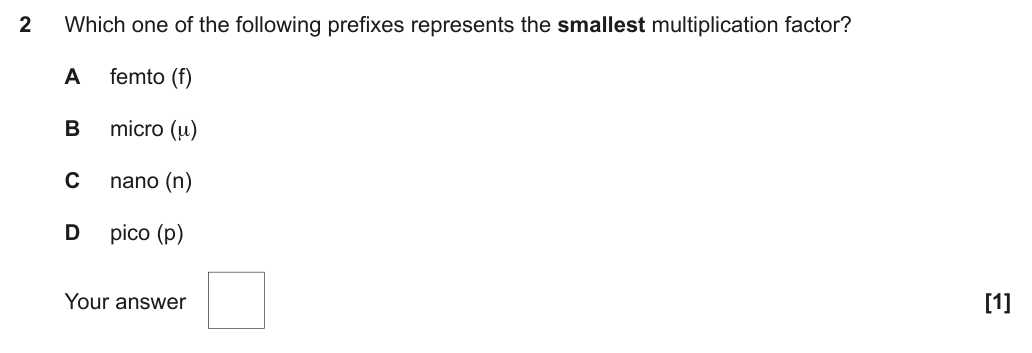
A
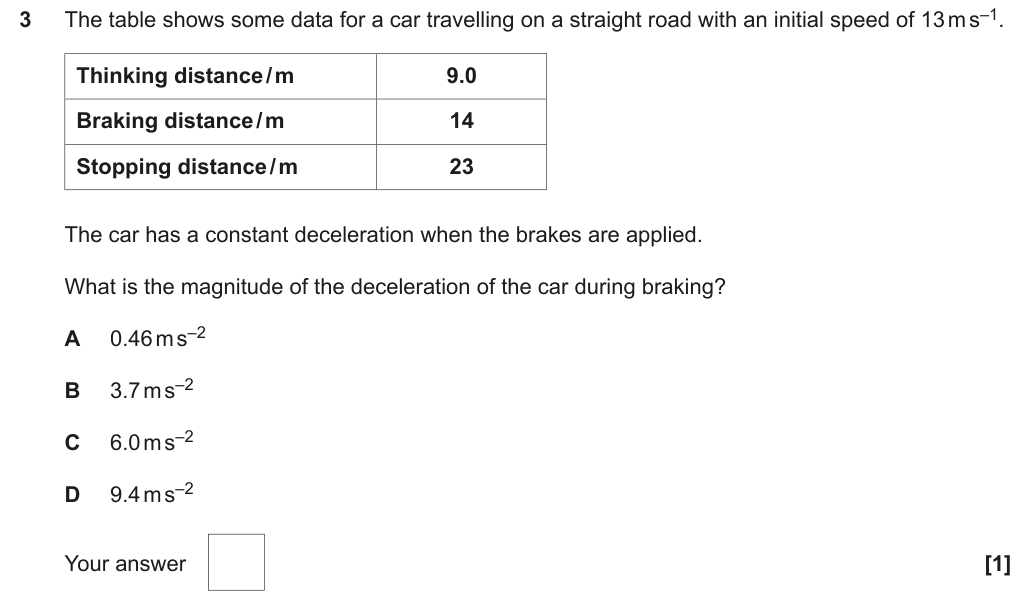
C
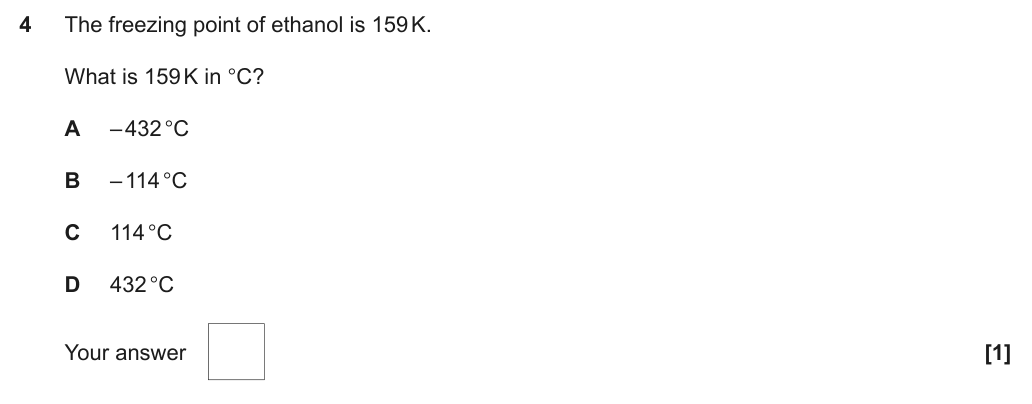
B
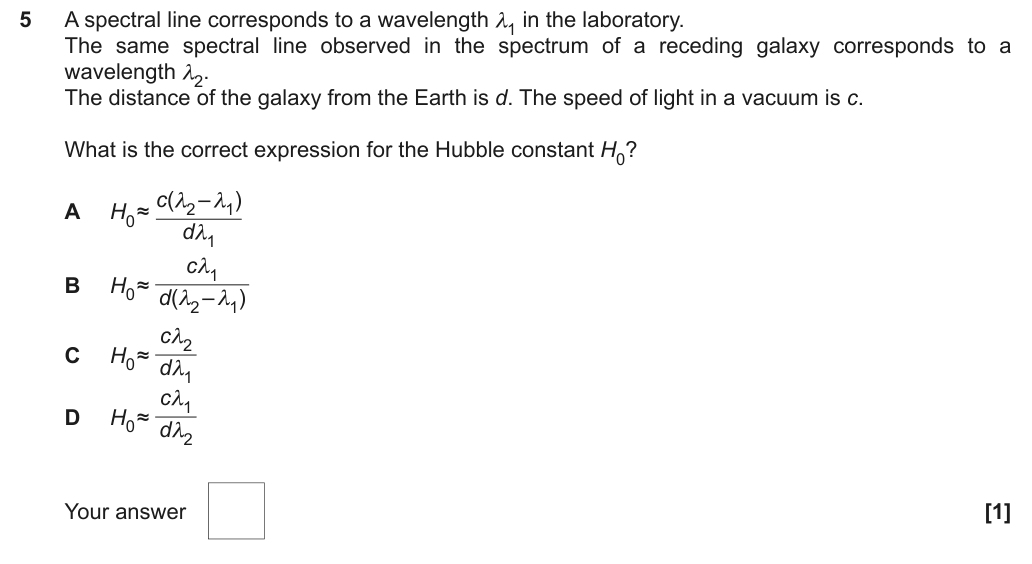
A
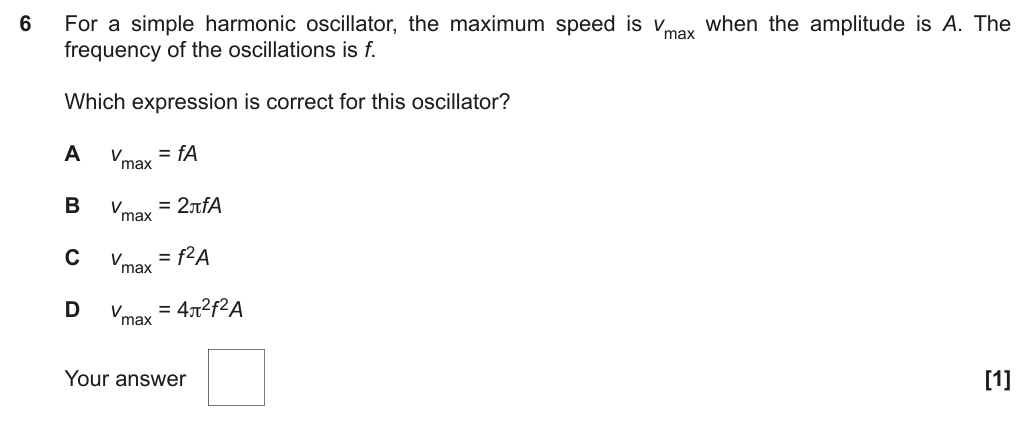
B
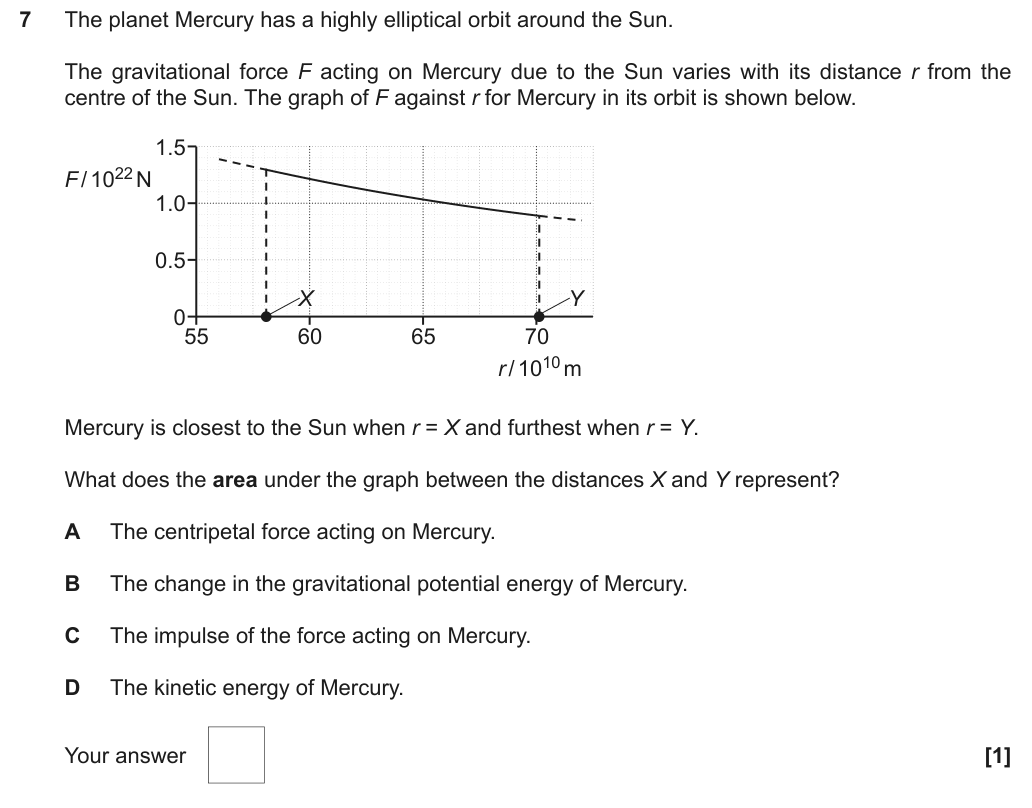
B
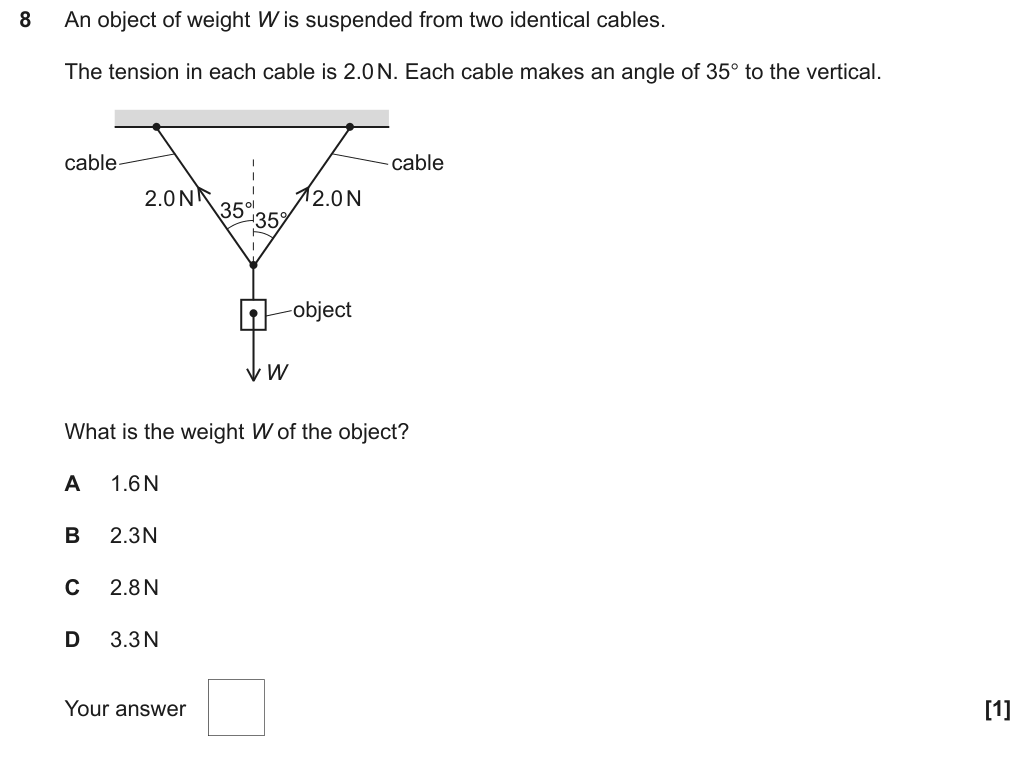
D
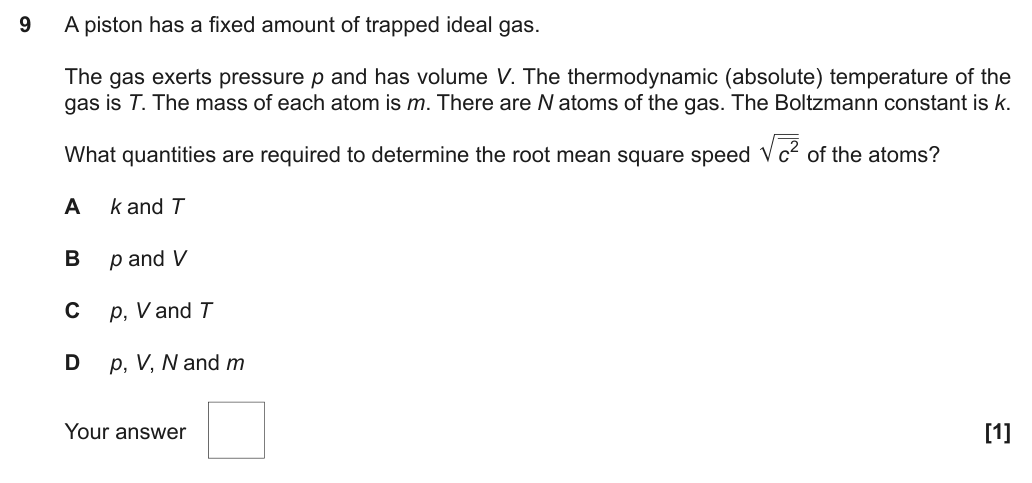
D
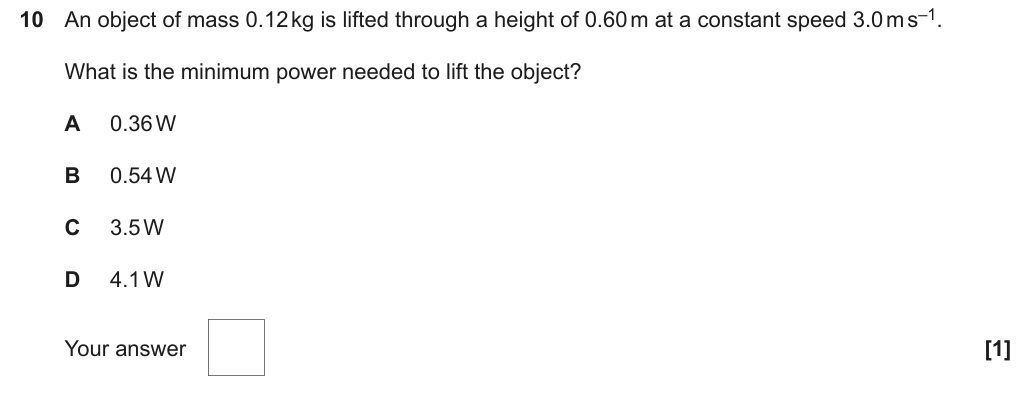
C
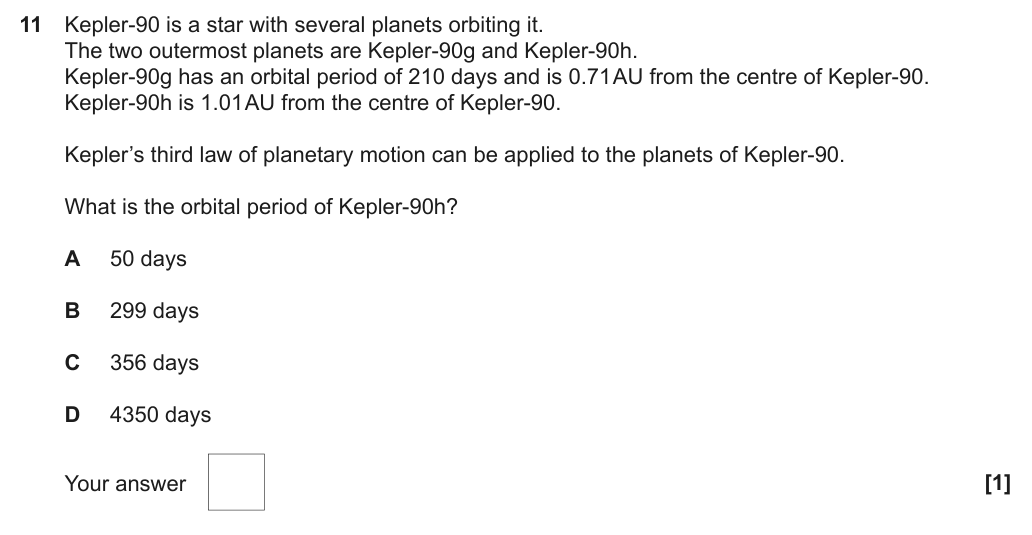
C
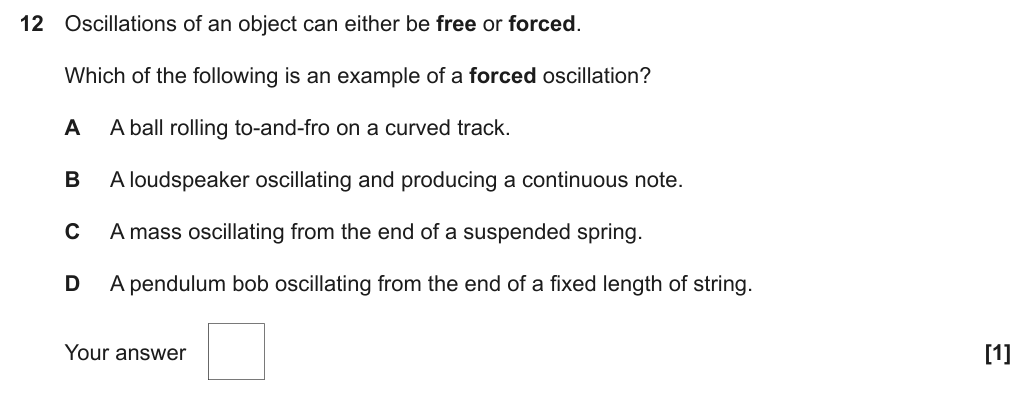
B
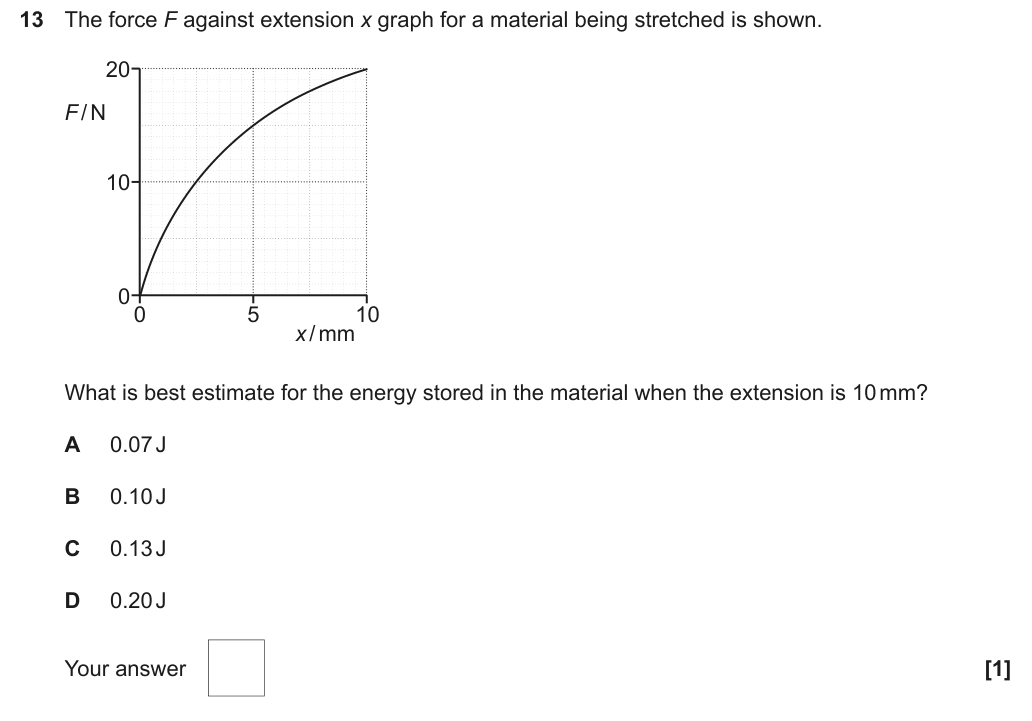
C
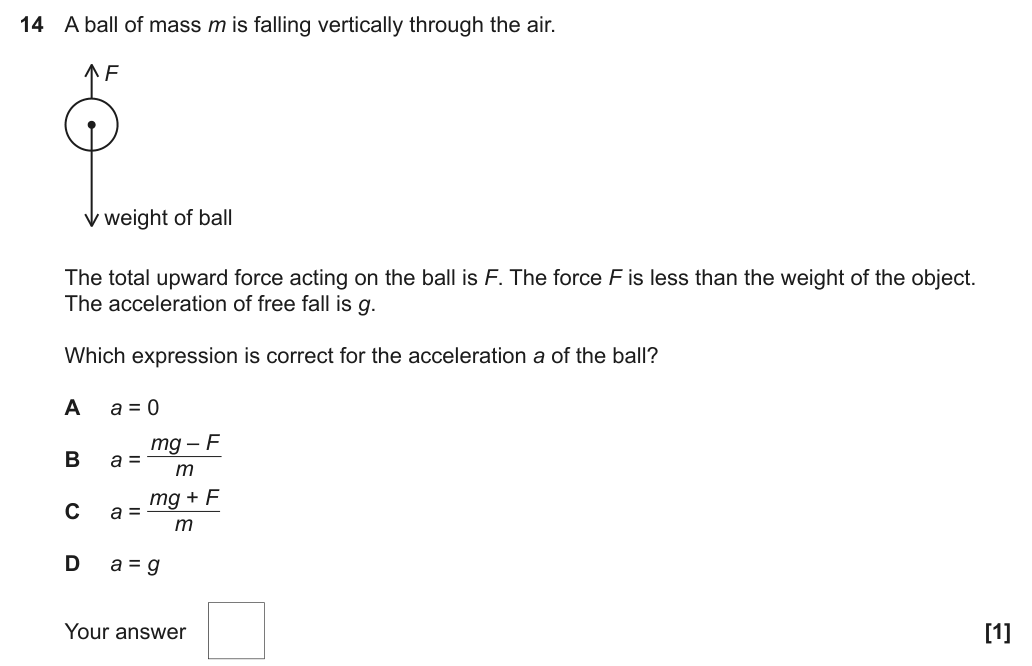
B
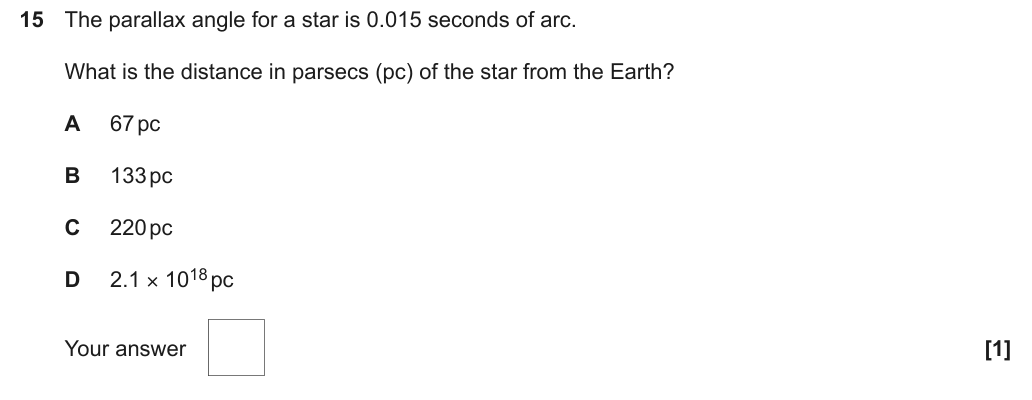
A
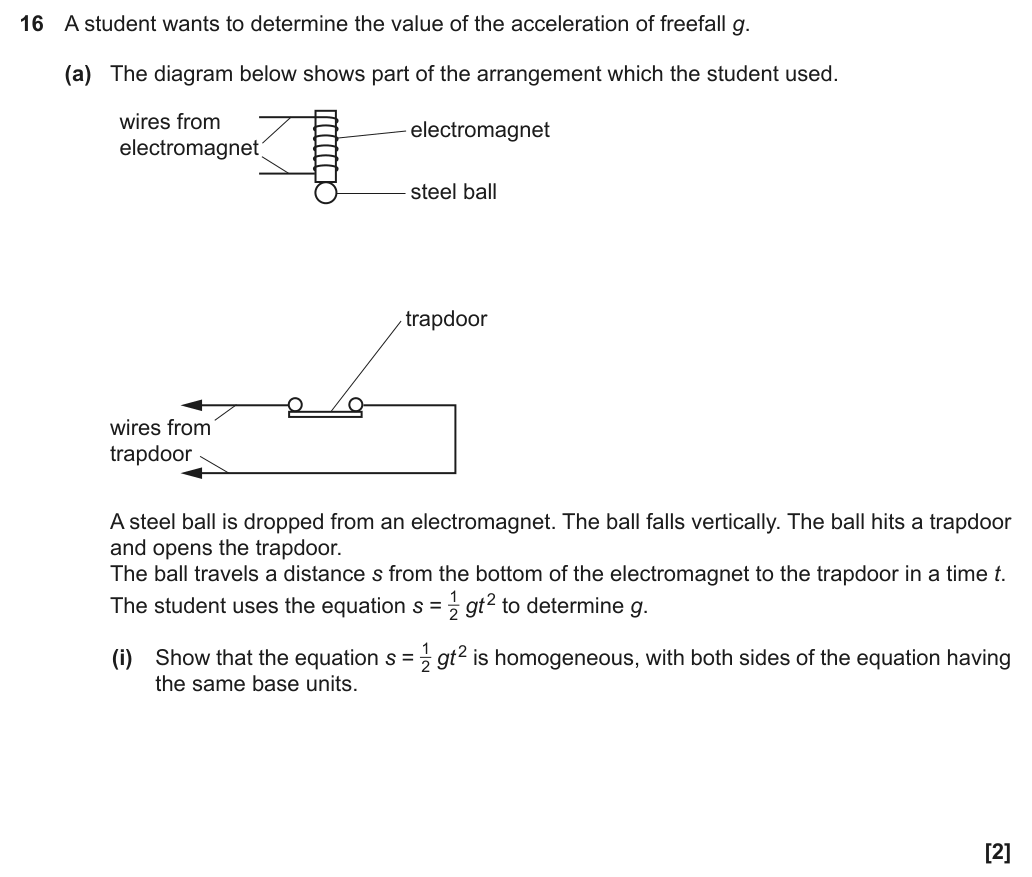
Skills: M0.1 Recognise and make use of appropriate units in calculations
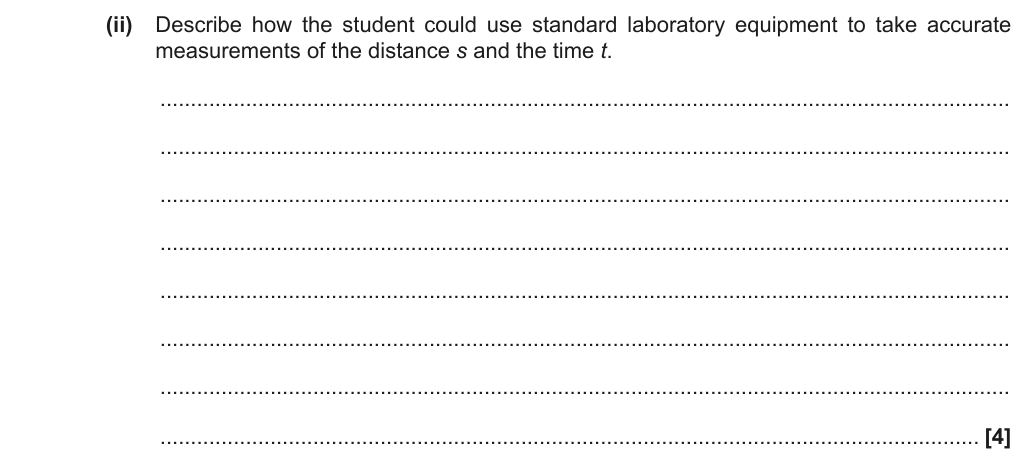
Skills: PAG1 Investigating motion
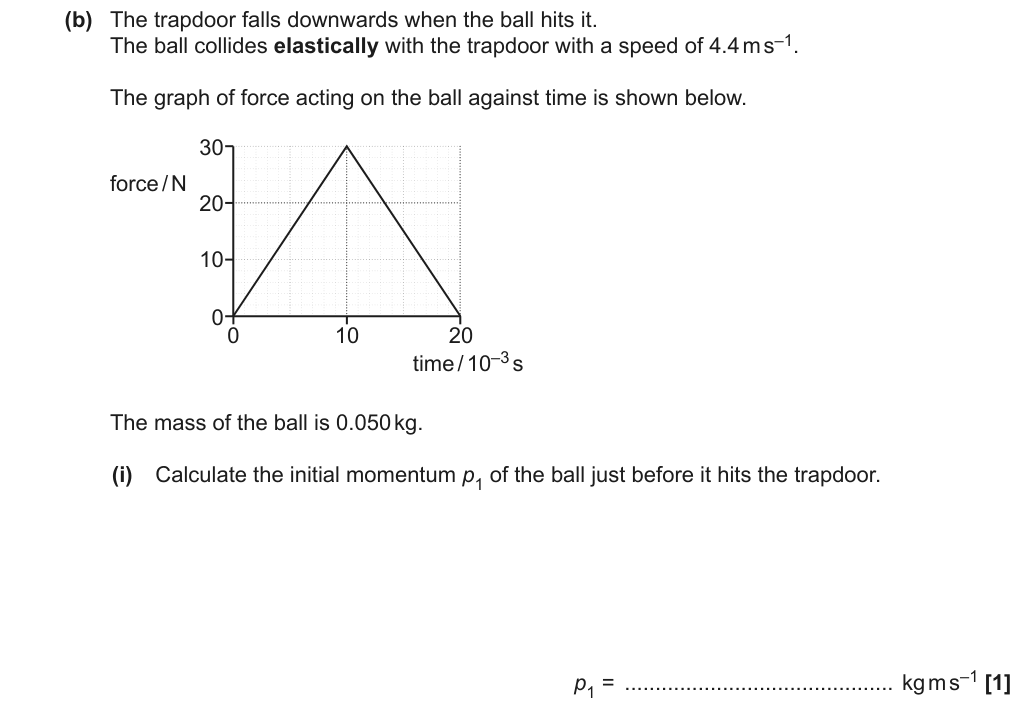
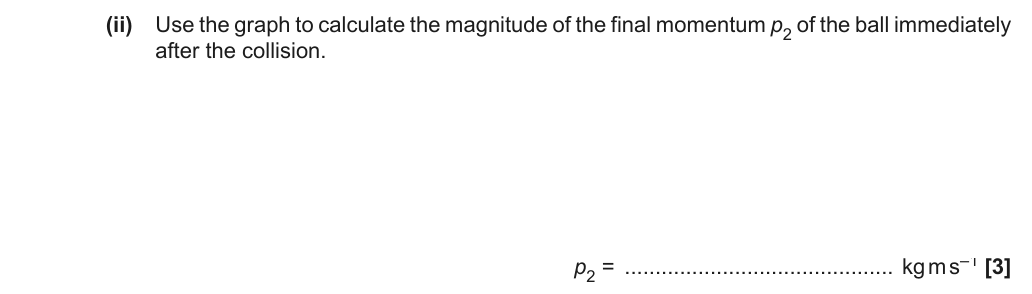
Skills: M2.2 Change the subject of an equation, including non-linear equations; M3.8 Understand the possible physical significance of the area between a curve and the x axis and be able to calculate it or estimate it by graphical methods as appropriate; M4.3 Calculate areas of triangles, circumferences and areas of circles, surface areas and volumes of rectangular blocks, cylinders and spheres
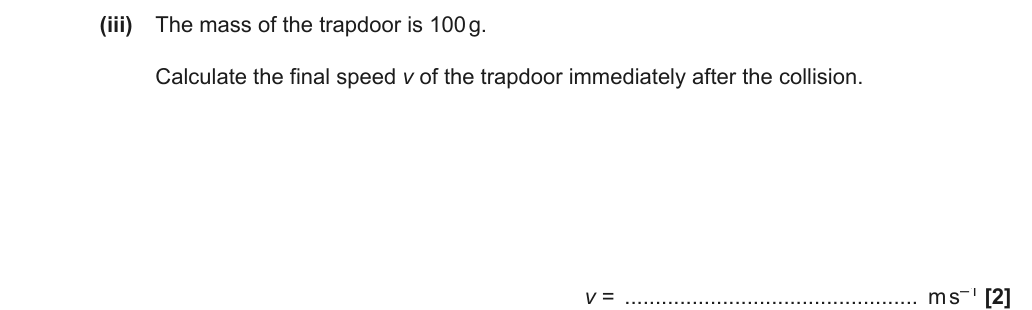
In Q16(b)(iii), the momentum of the trapdoor is not equal to the final momentum of the ball but is equal to the impulse provided to the ball by the trapdoor (albeit in the opposite direction to that of the rebounding ball).
Skills: M2.3 Substitute numerical values into algebraic equations using appropriate units for physical quantities
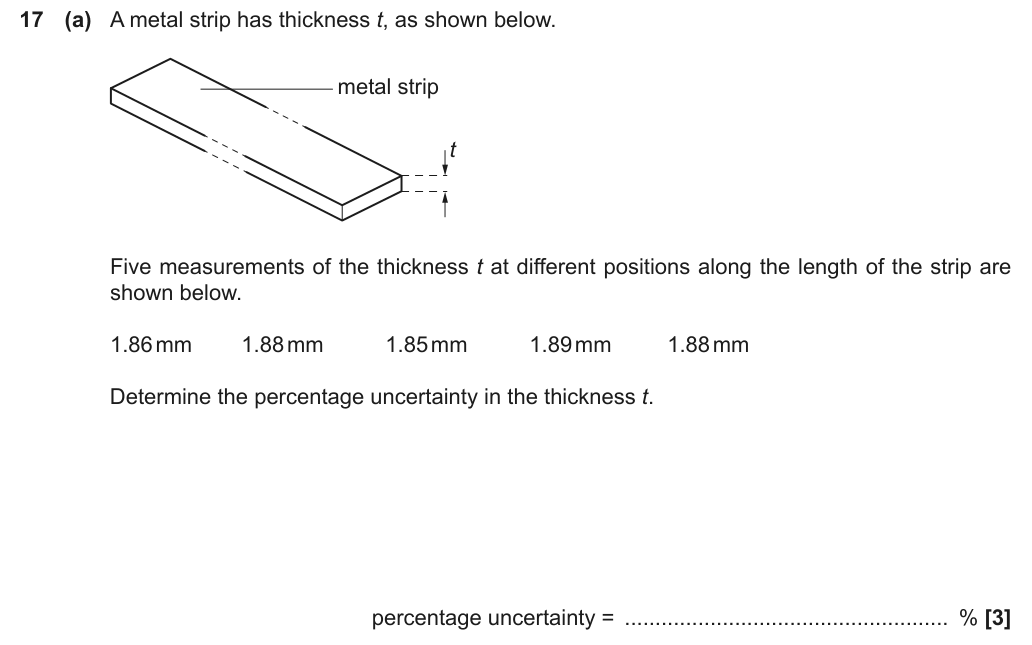
Skills: M1.2 Find arithmetic means; M1.5 Identify uncertainties in measurements and use simple techniques to determine uncertainty when data are combined
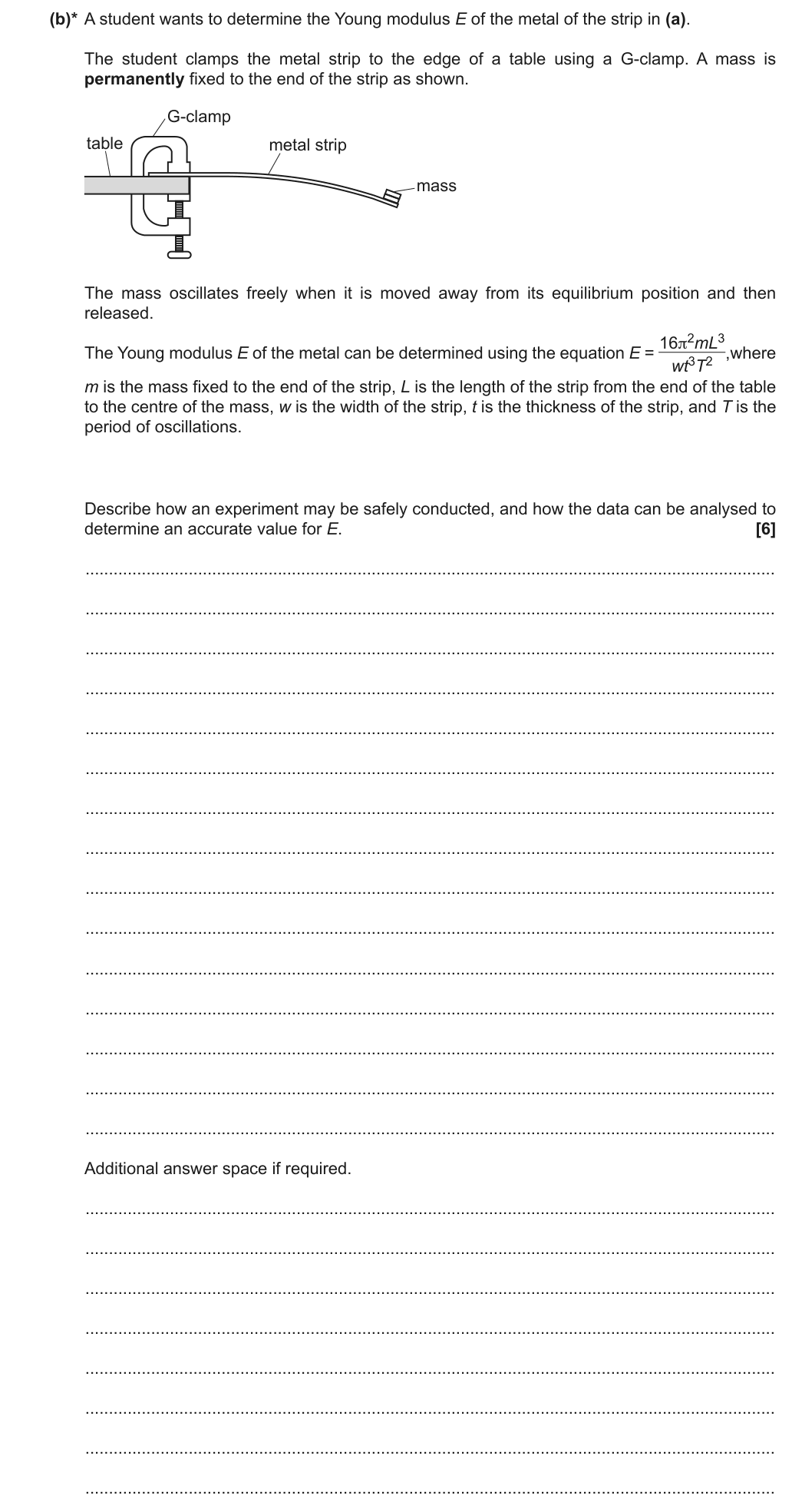
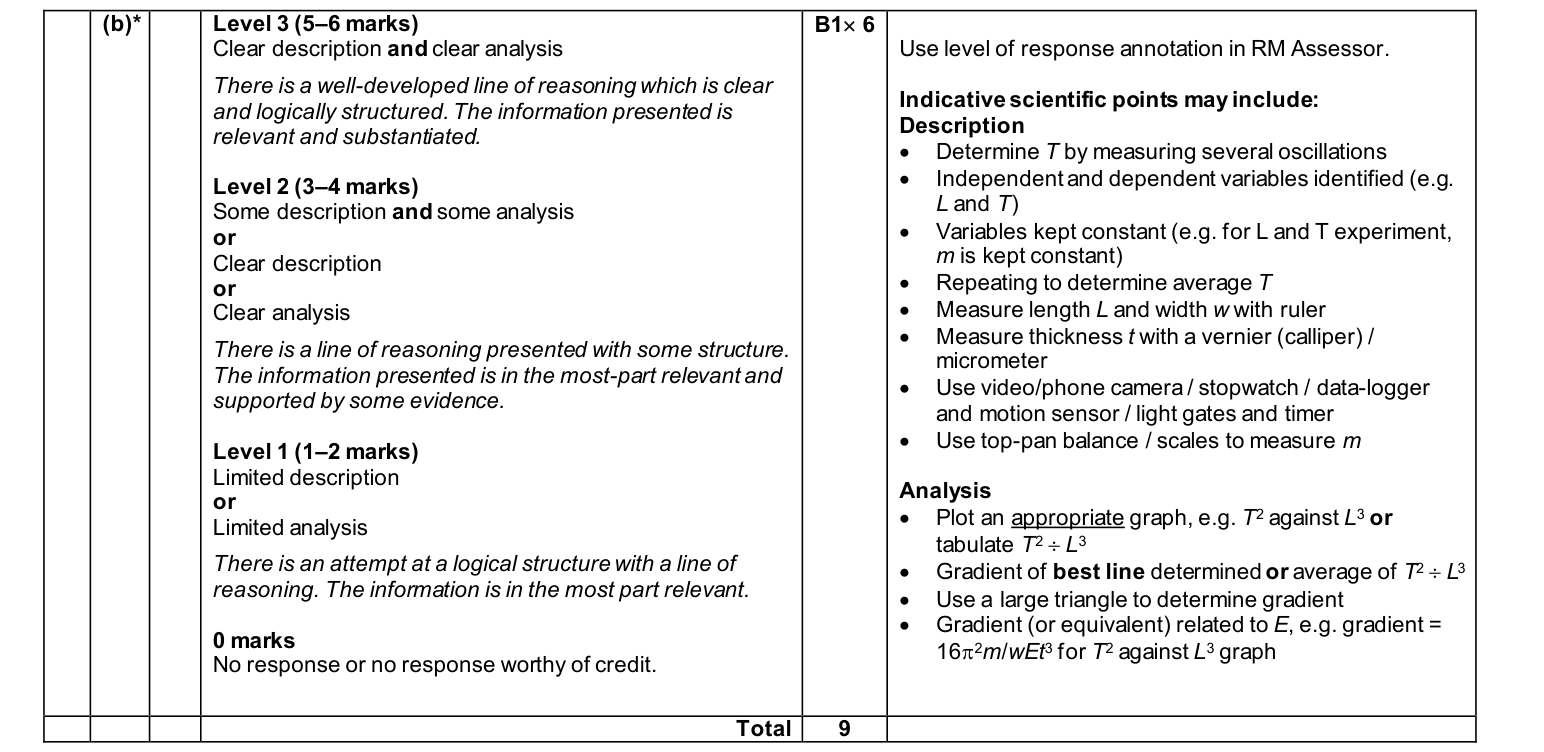
Skills: M3.3 Understand that y = mx + c represents a linear relationship; M3.4 Determine the slope and intercept of a linear graph; PAG10 Investigating simple harmonic motion
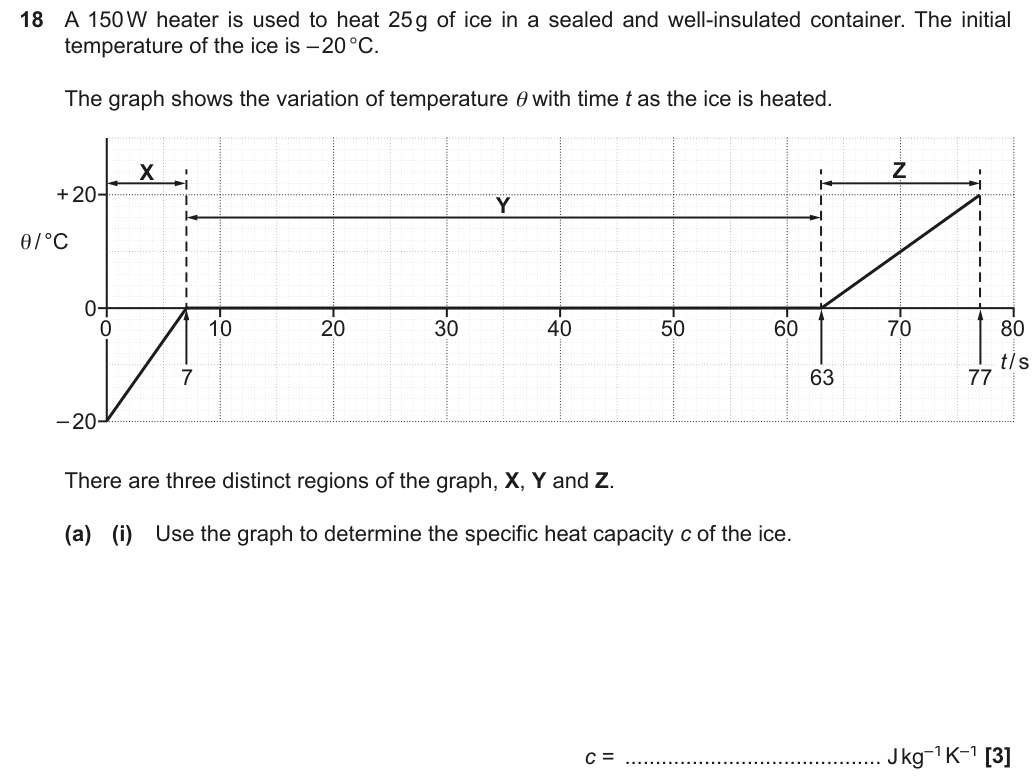
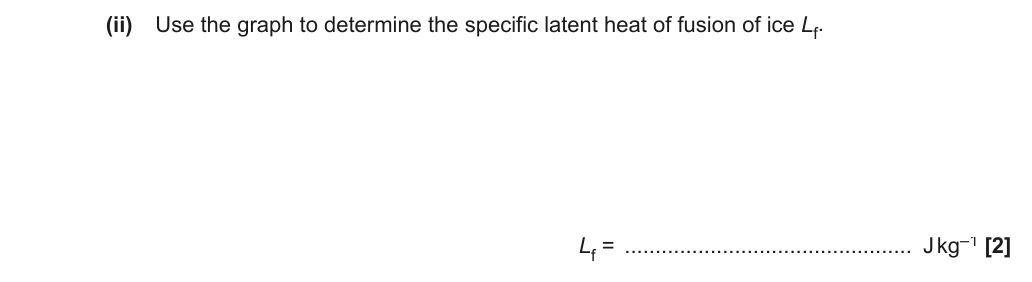
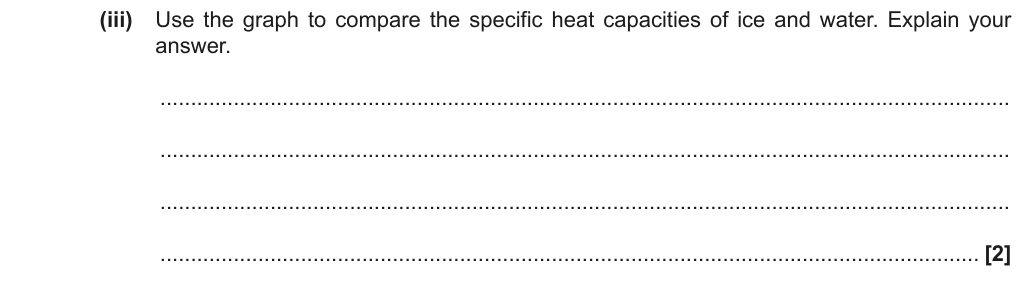
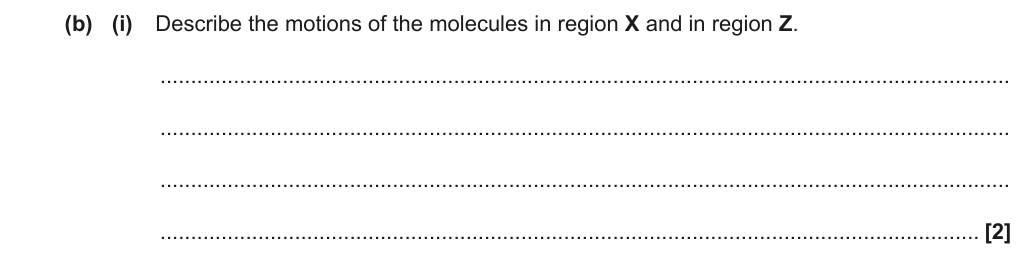
Skills: M3.1 Translate information between graphical, numerical and algebraic forms; M3.5 Calculate rate of change from a graph showing a linear relationship

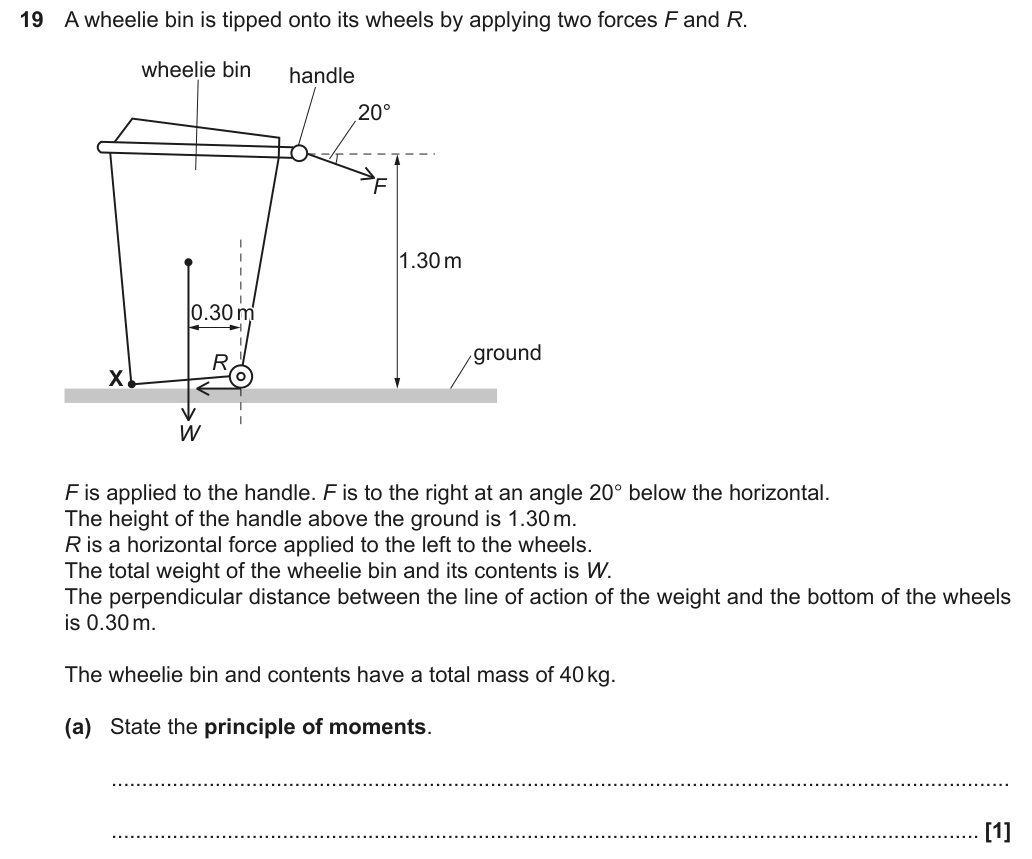
The principle of moments only applies when an object is in equilibrium as required in Q19a.
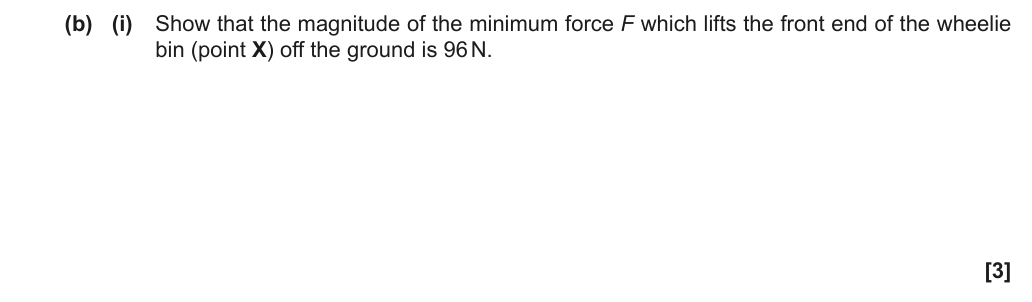
The principle of moments only applies when an object is in equilibrium as required in Q19a.
Skills: M0.6 Use calculators to handle sin x, cos x and tan x when x is expressed in degrees or radians; M2.3 Substitute numerical values into algebraic equations using appropriate units for physical quantities; M4.5 Use sin, cos and tan in physical problems
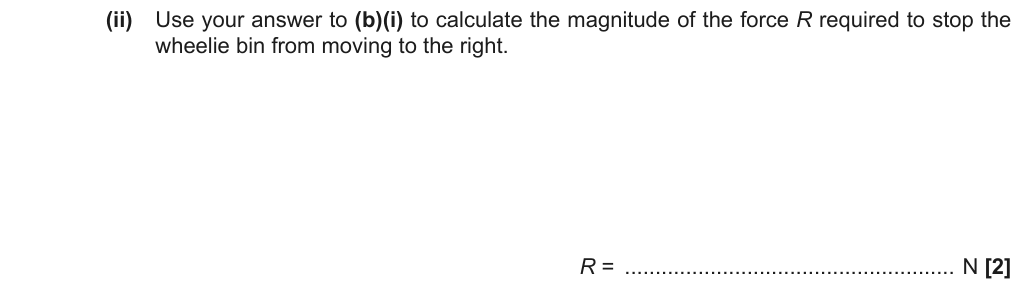
The principle of moments only applies when an object is in equilibrium as required in Q19a.
Skills: M0.6 Use calculators to handle sin x, cos x and tan x when x is expressed in degrees or radians; M4.5 Use sin, cos and tan in physical problems
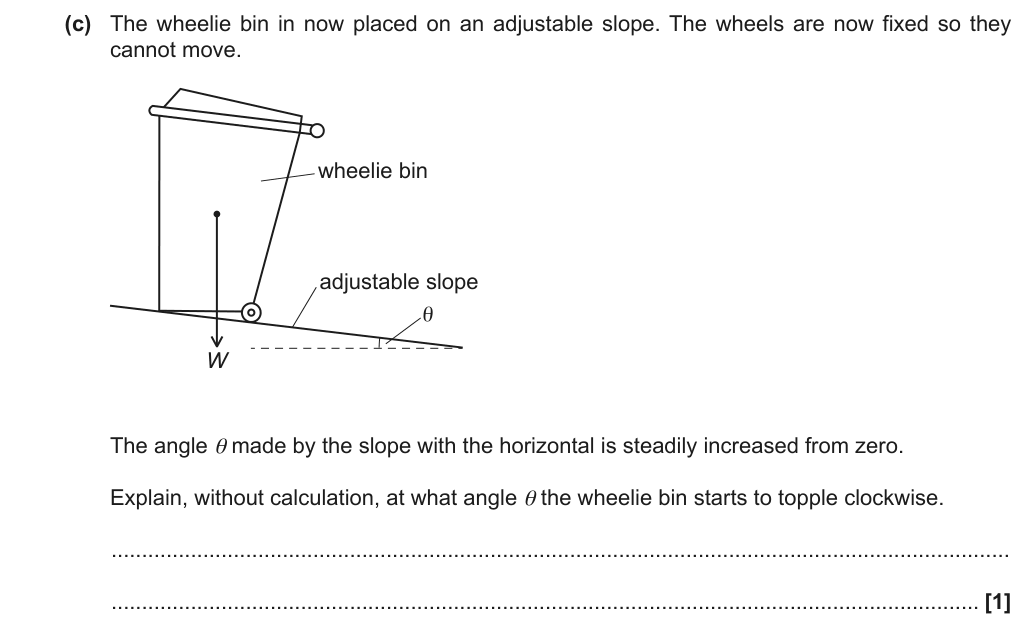
The principle of moments only applies when an object is in equilibrium as required in Q19a.
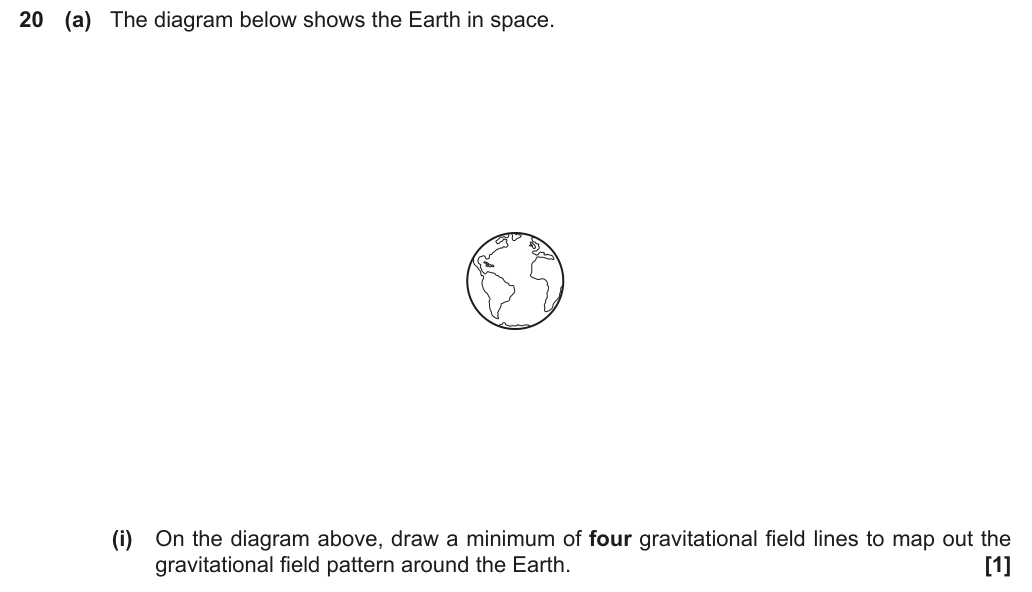

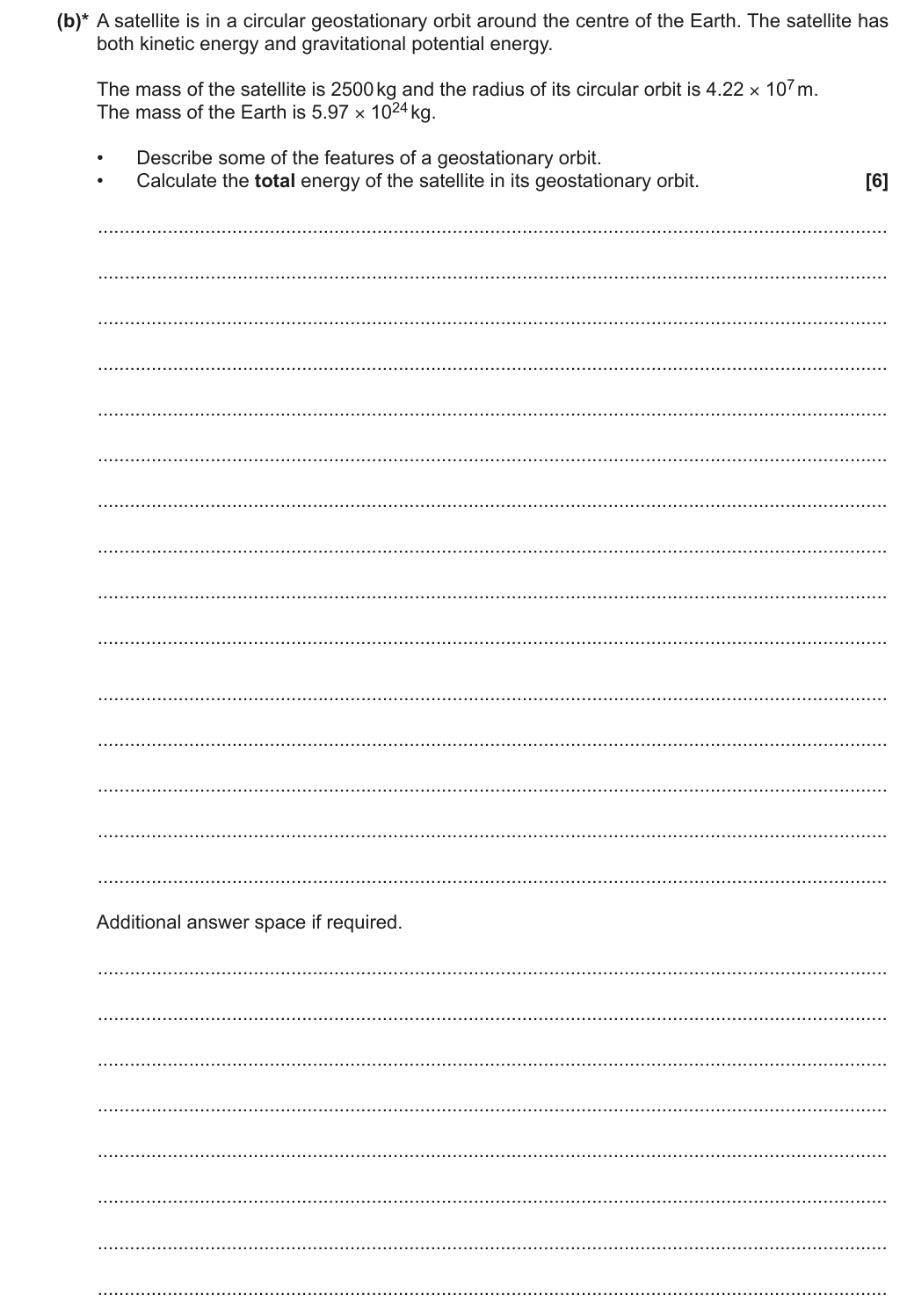
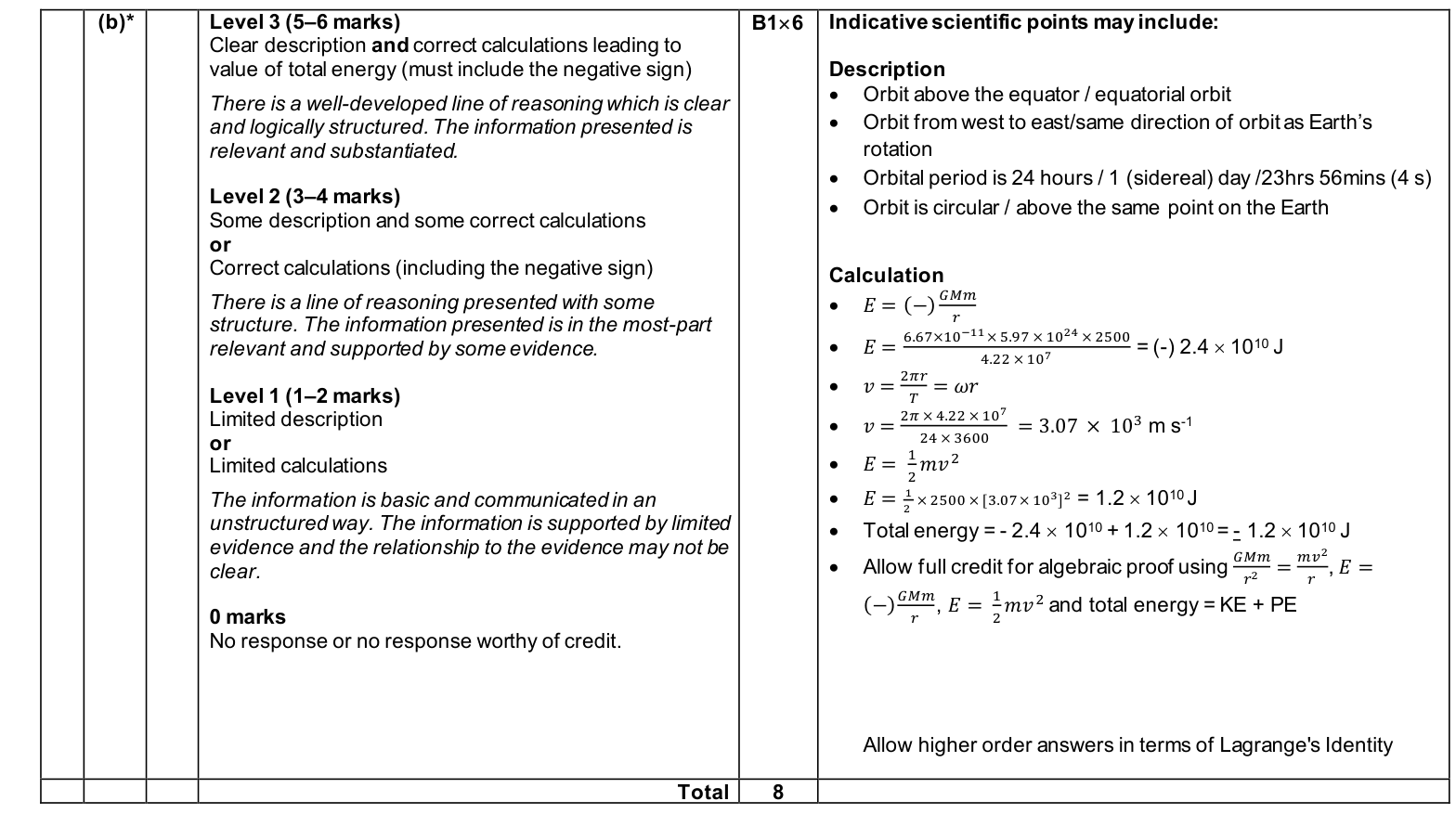
Common misconceptions Almost all candidates forgot that Gravitational Potential Energy is negative in Q20(b).
Skills: M0.2 Recognise and use expressions in decimal and standard form; M2.3 Substitute numerical values into algebraic equations using appropriate units for physical quantities
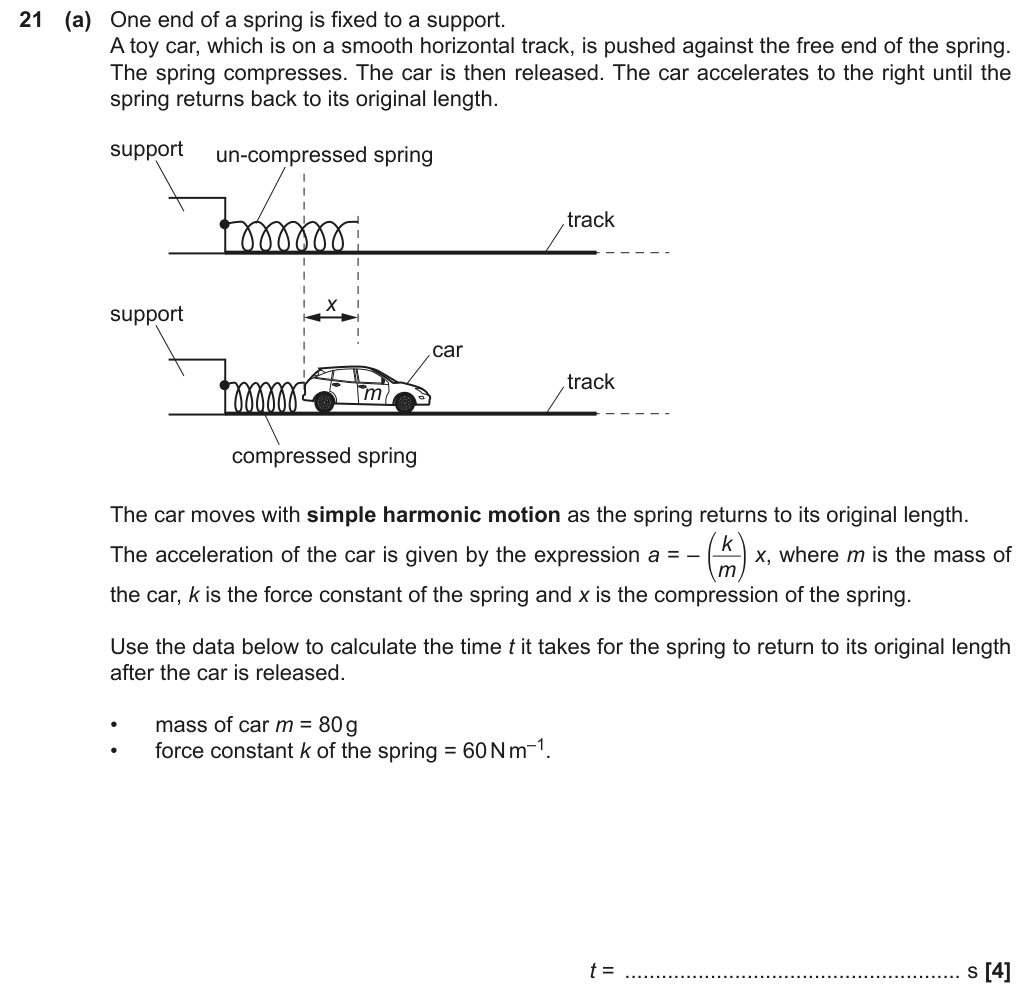
Skills: M0.1 Recognise and make use of appropriate units in calculations; M2.2 Change the subject of an equation, including non-linear equations; M2.3 Substitute numerical values into algebraic equations using appropriate units for physical quantities
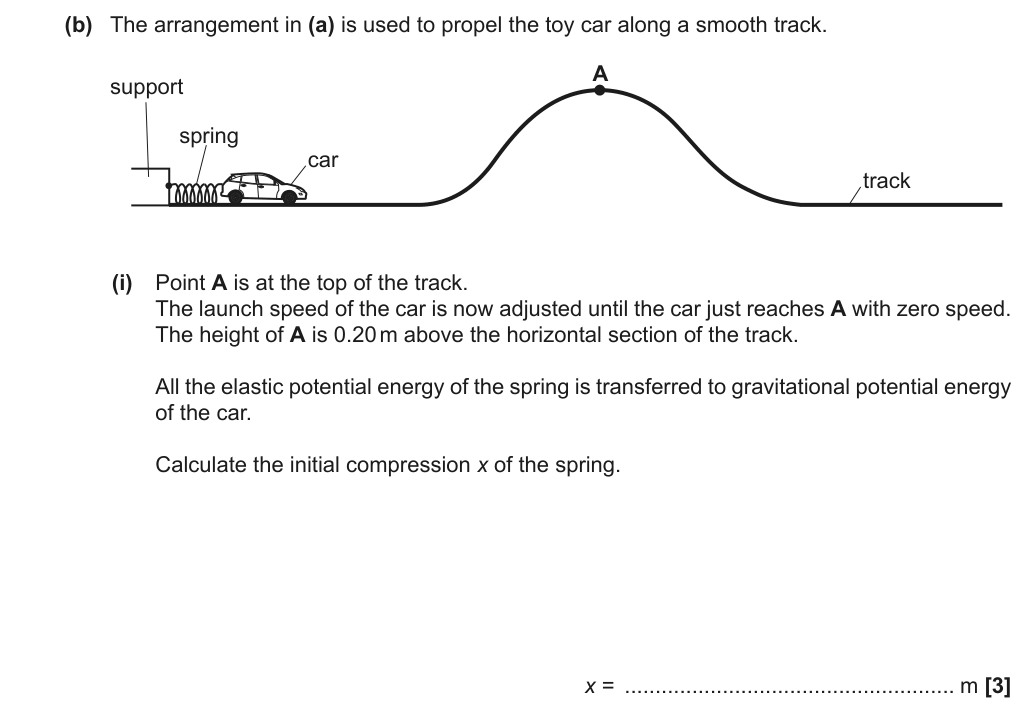
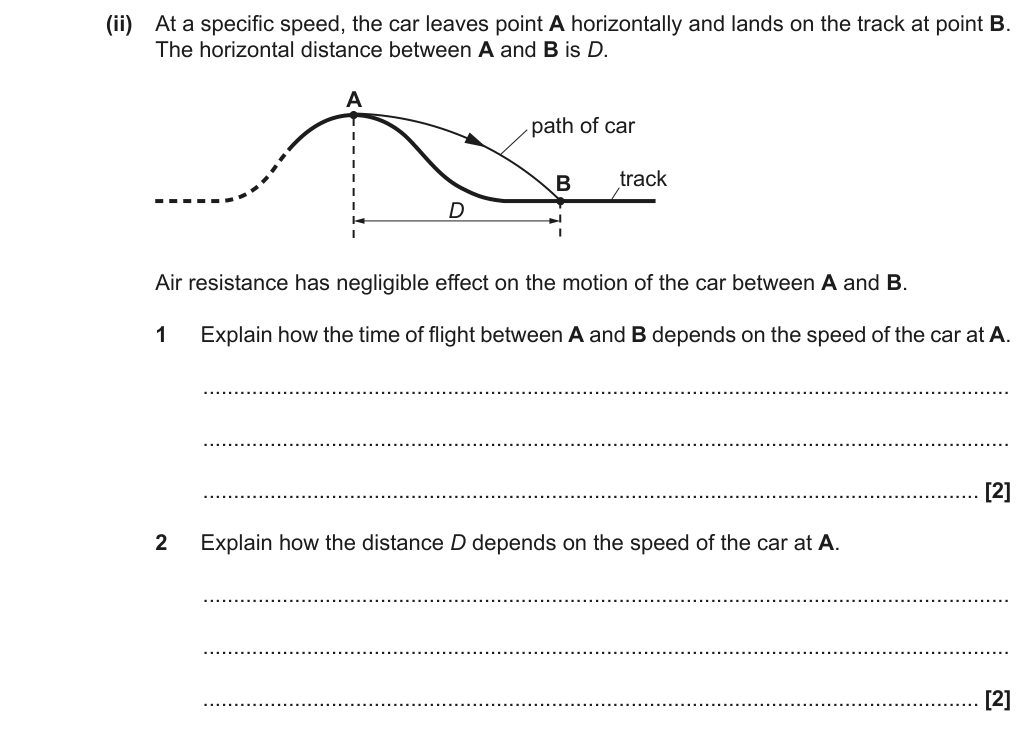
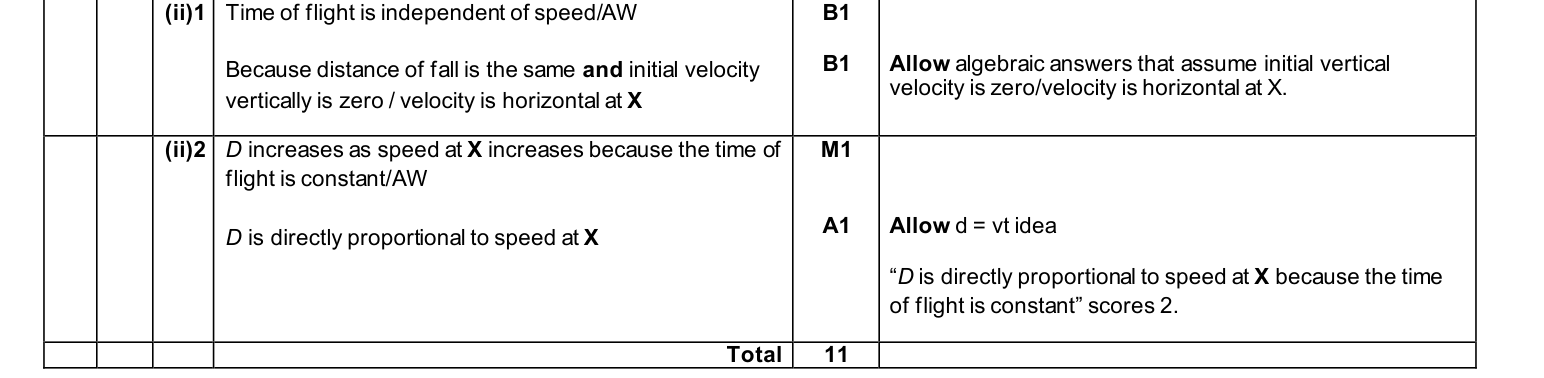
Q21(b)(ii) showed that many candidates thought that the time of flight of the car depended on the take-off speed of the car.
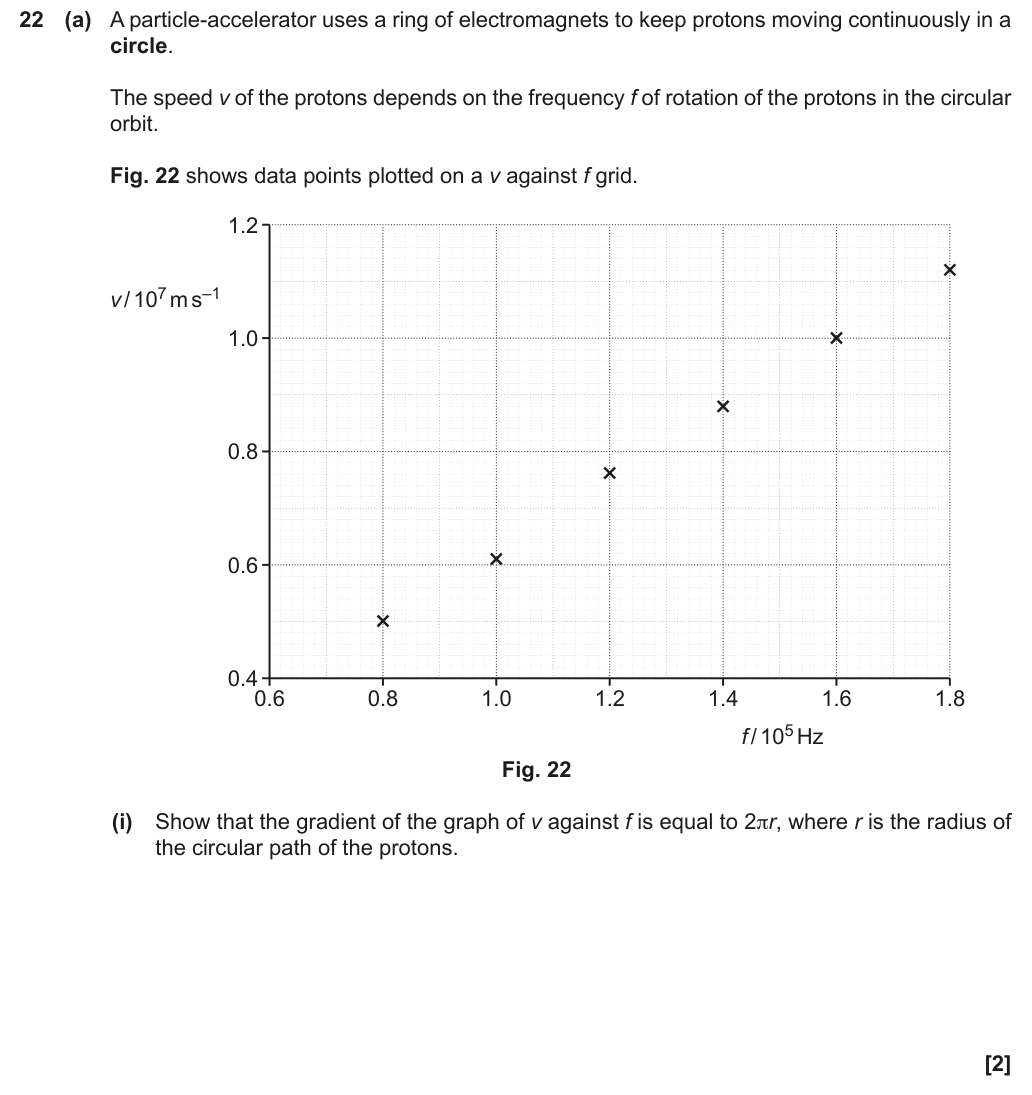
Skills: M3.3 Understand that y = mx + c represents a linear relationship
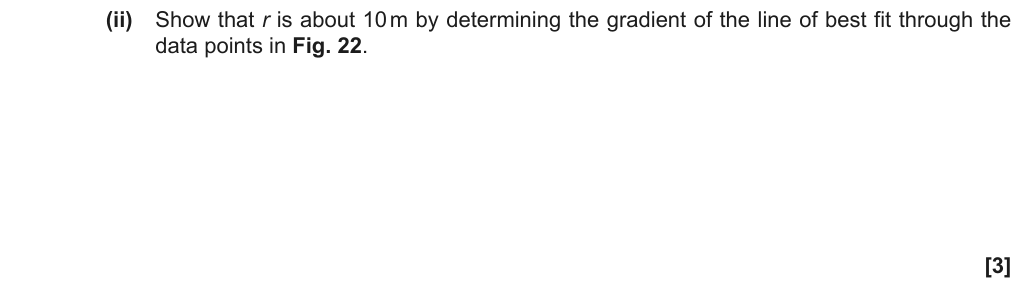
Skills: M3.2 Plot two variables from experimental or other data; M3.4 Determine the slope and intercept of a linear graph
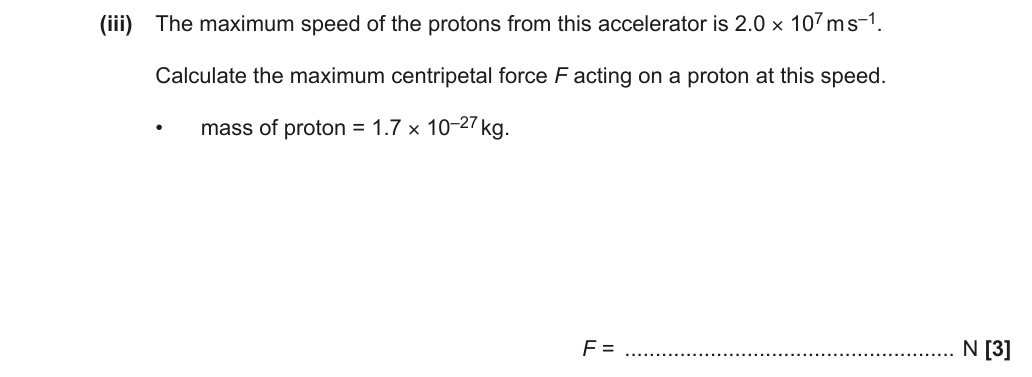
Skills: M0.2 Recognise and use expressions in decimal and standard form; M2.3 Substitute numerical values into algebraic equations using appropriate units for physical quantities
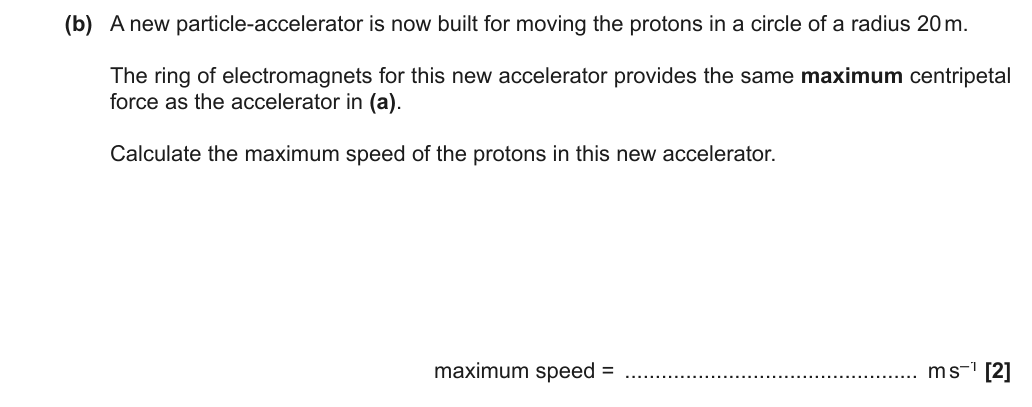
Skills: M0.3 Use ratios, fractions and percentages; M2.2 Change the subject of an equation, including non-linear equations
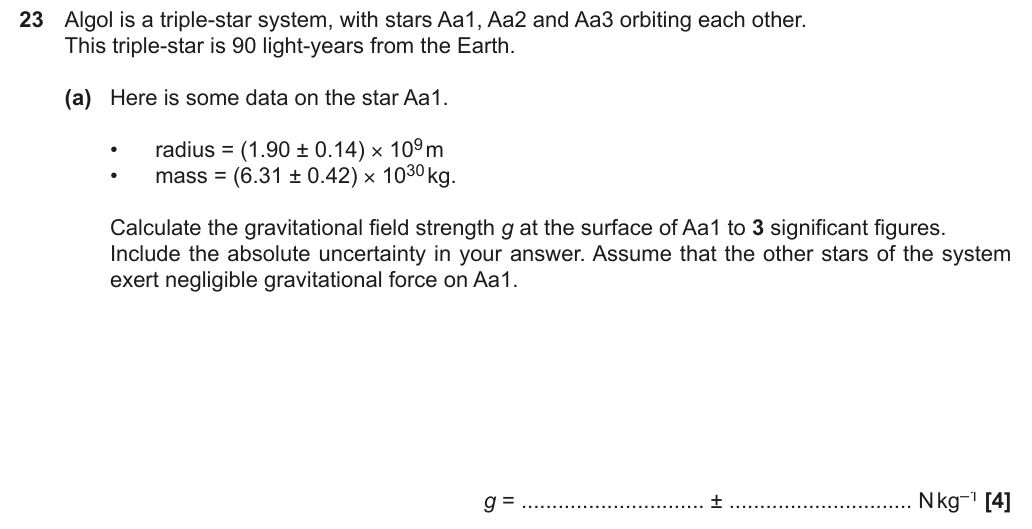
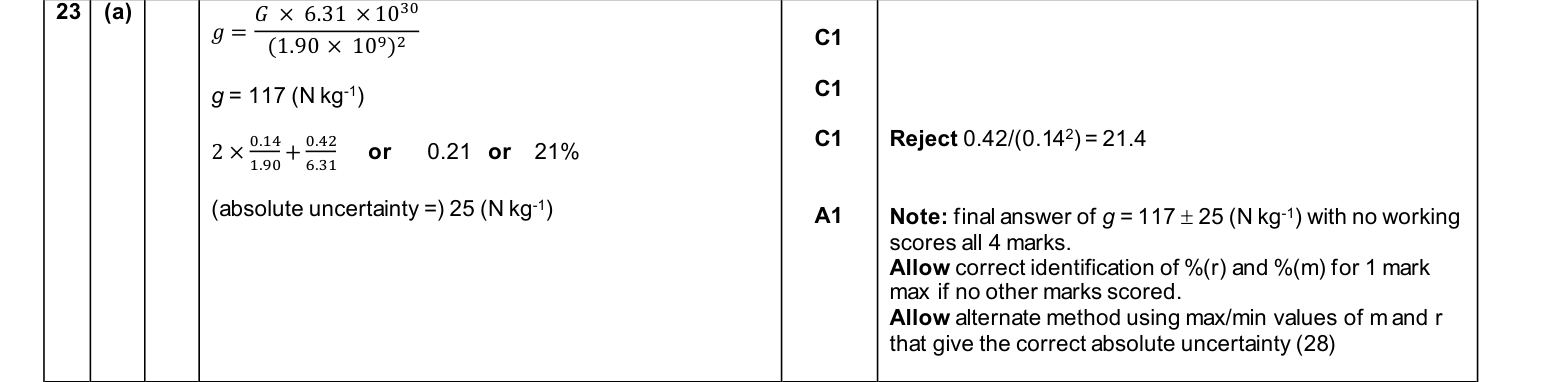
Skills: M1.1 Use an appropriate number of significant figures; M1.5 Identify uncertainties in measurements and use simple techniques to determine uncertainty when data are combined; M2.3 Substitute numerical values into algebraic equations using appropriate units for physical quantities
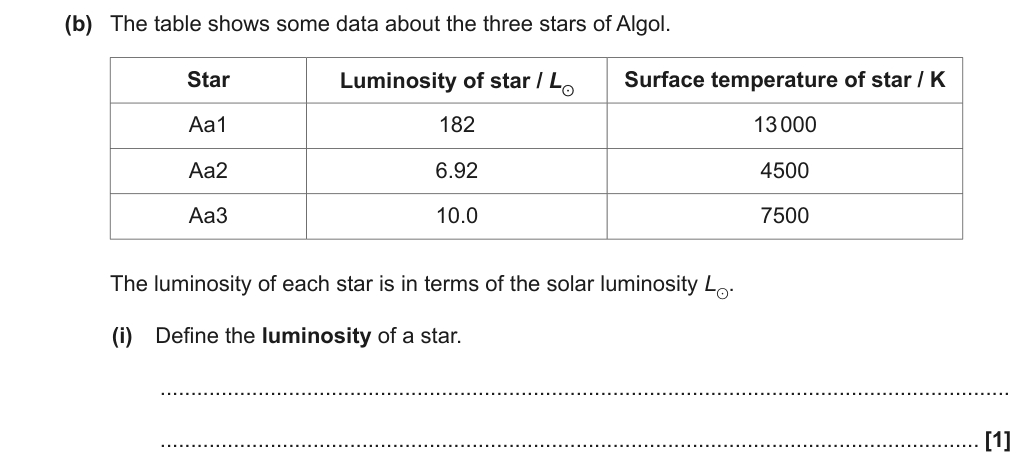
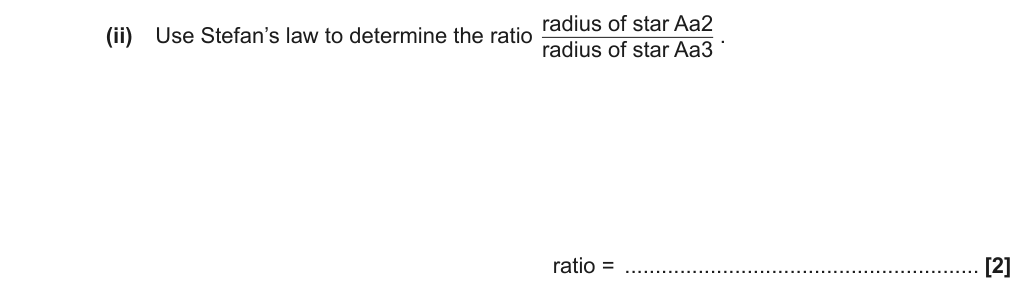
Skills: M0.3 Use ratios, fractions and percentages; M2.2 Change the subject of an equation, including non-linear equations
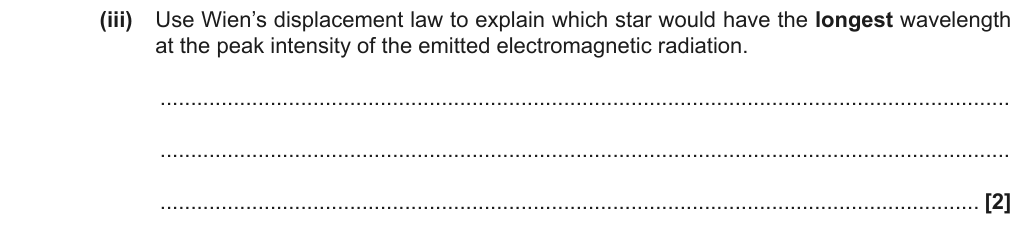

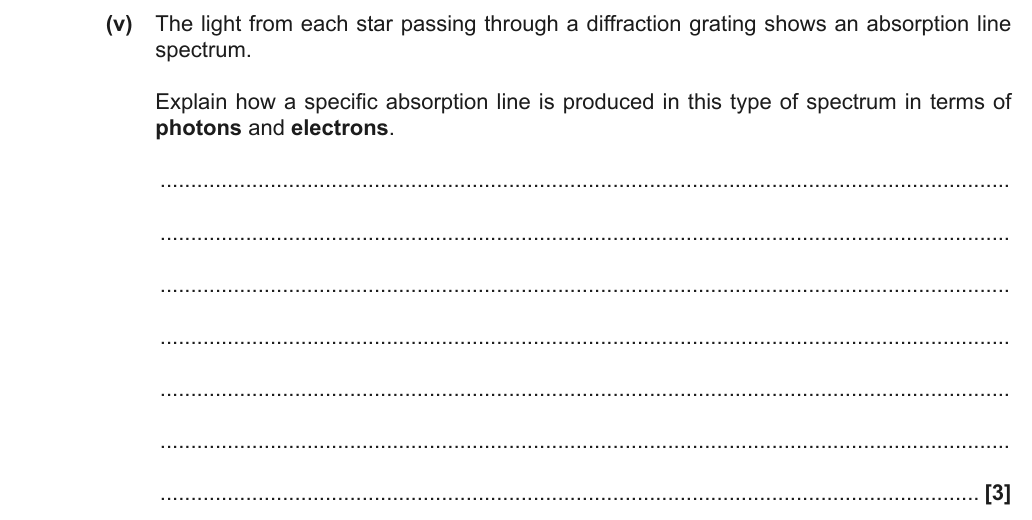
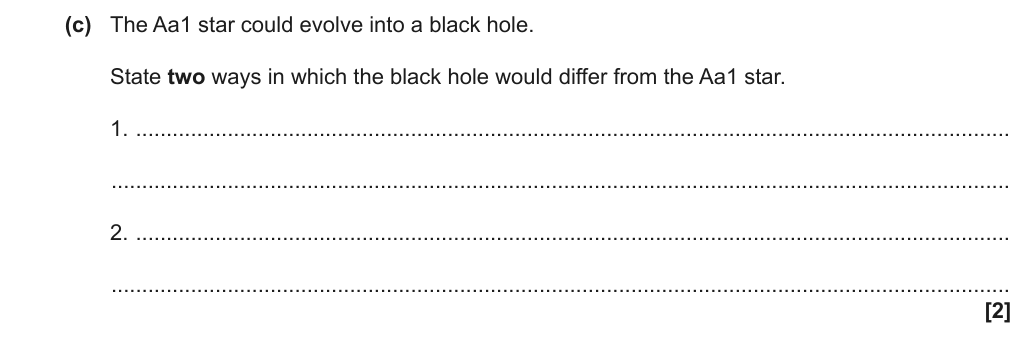
Want a paper marked and gone through with you? Message us.