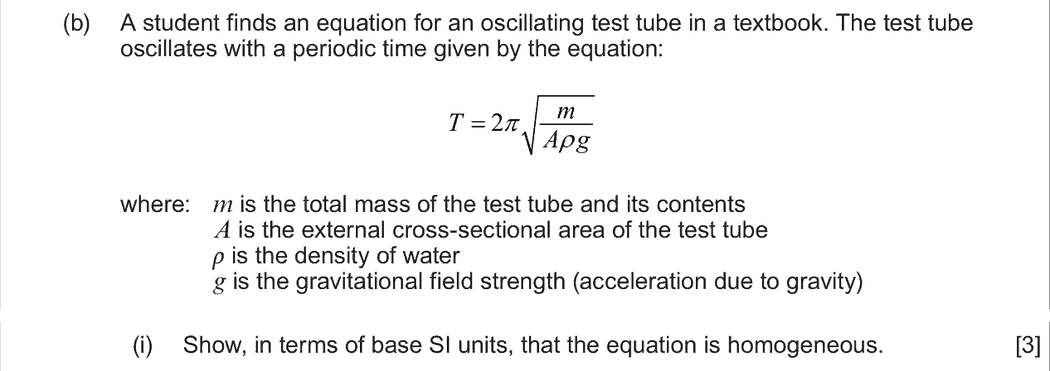
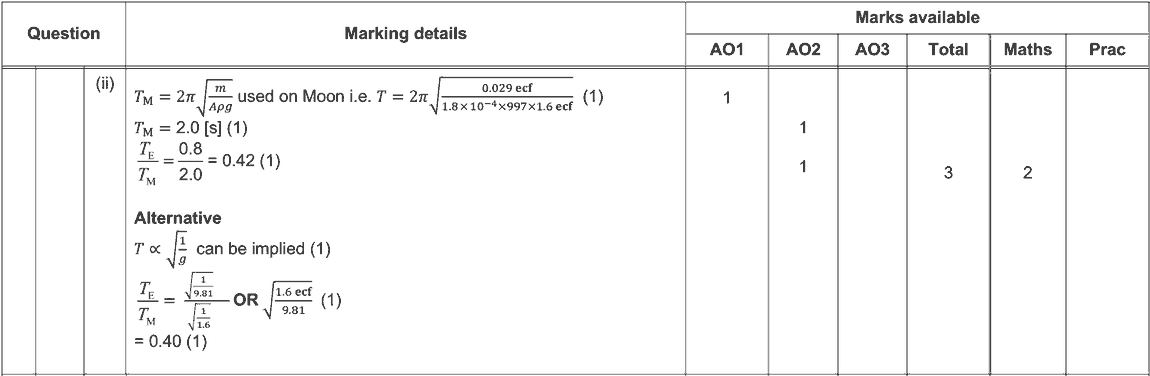
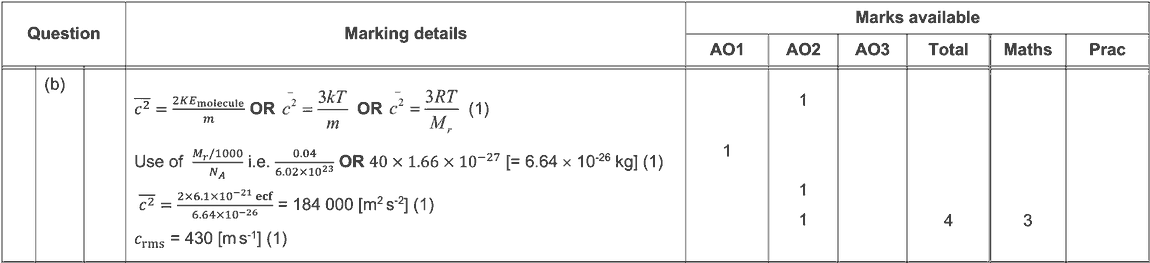
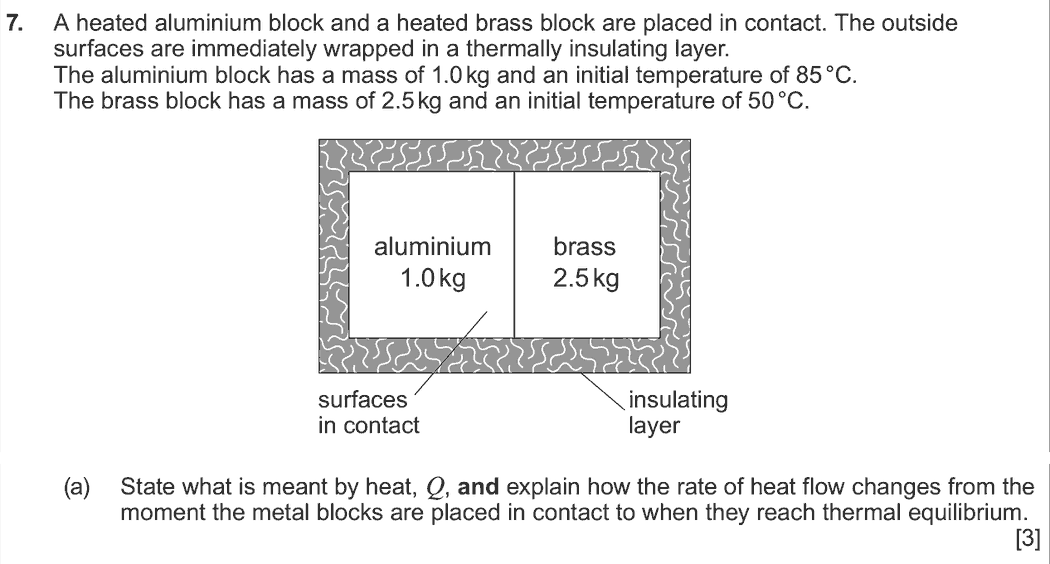
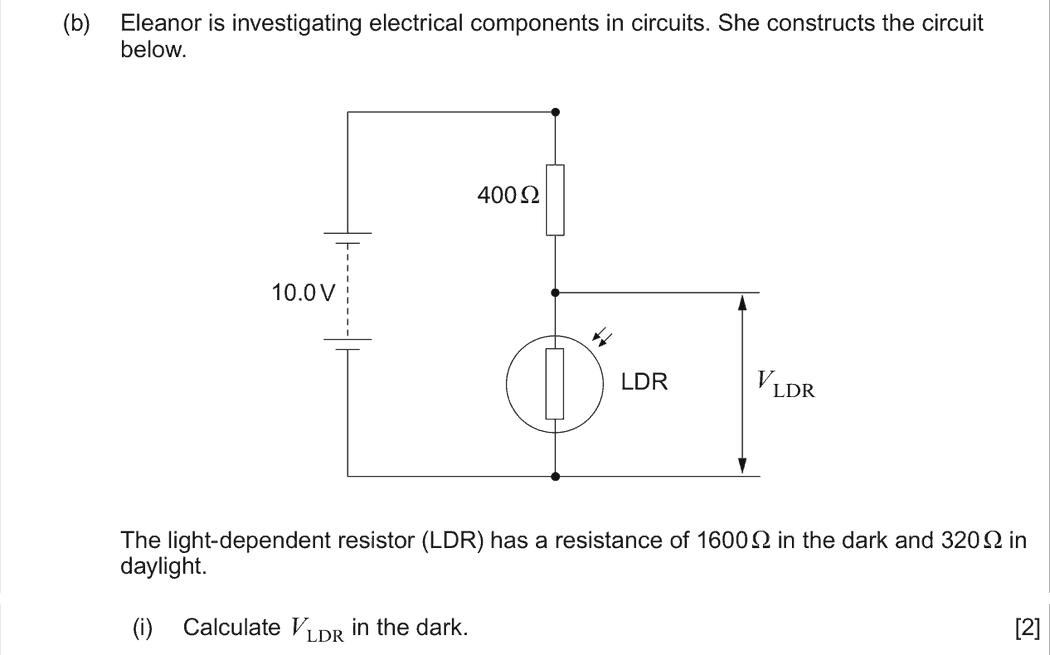
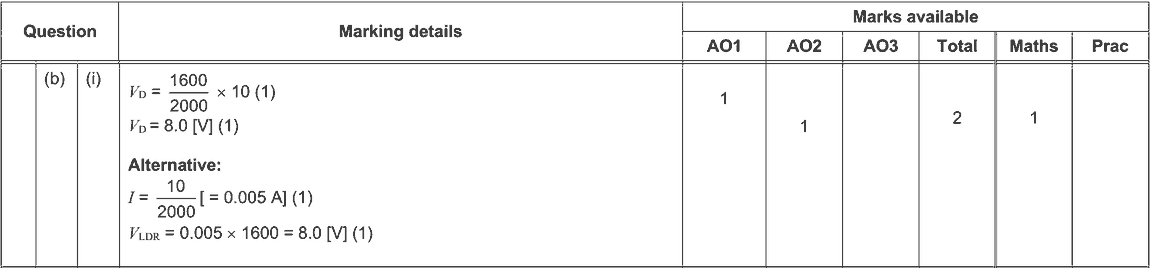
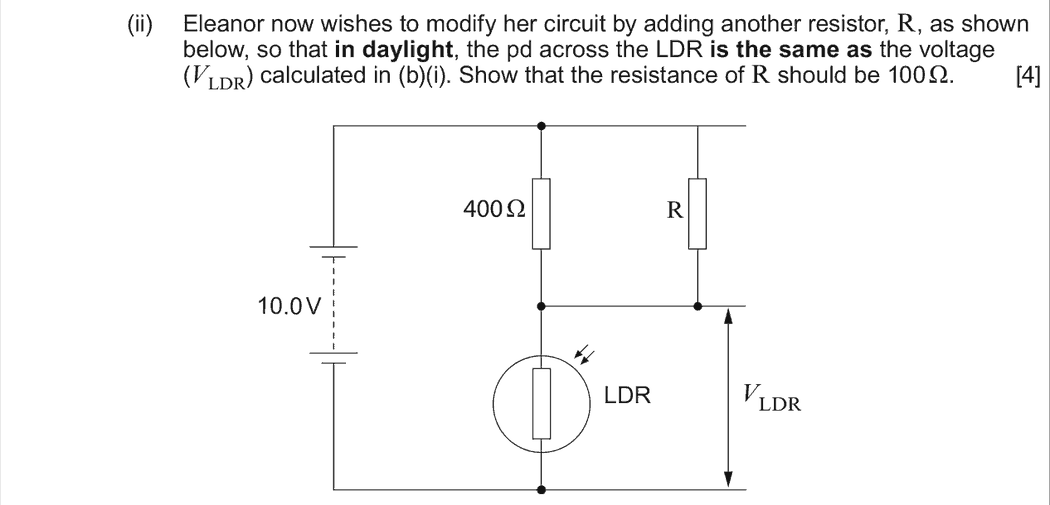
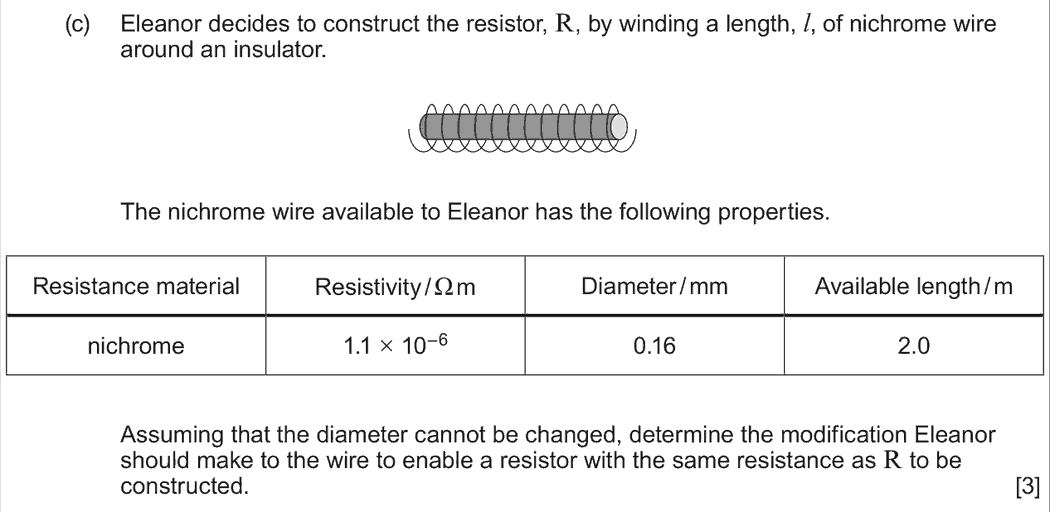
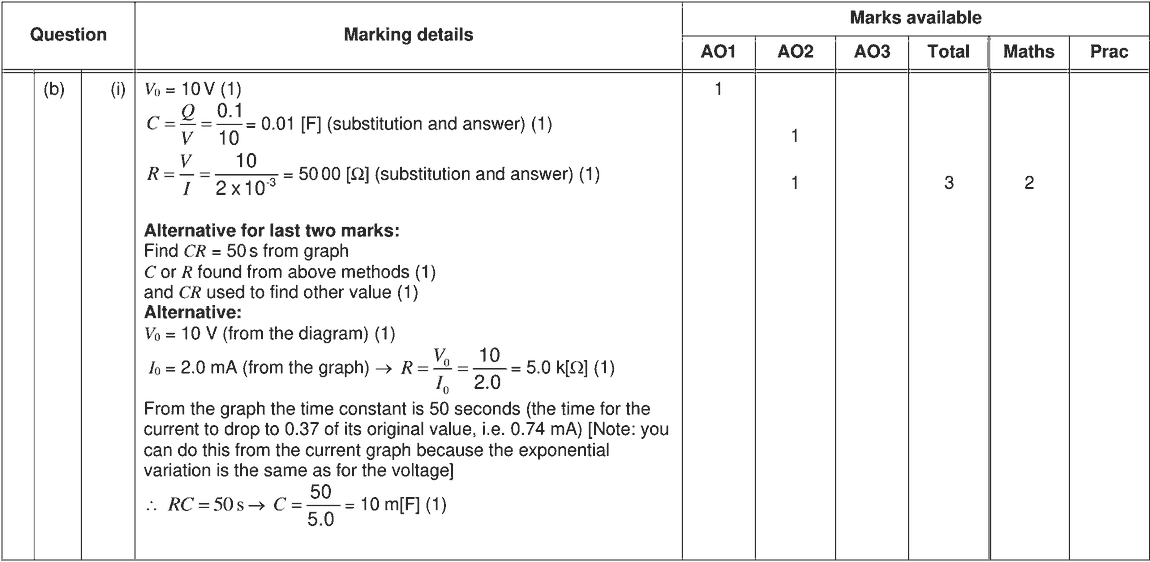
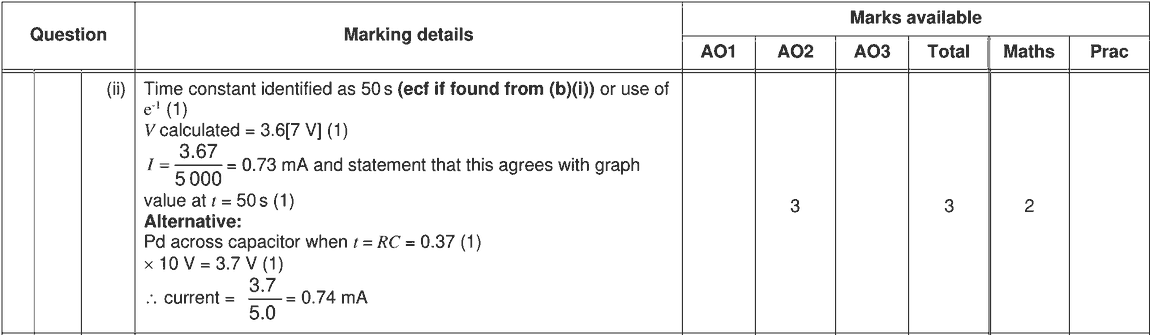
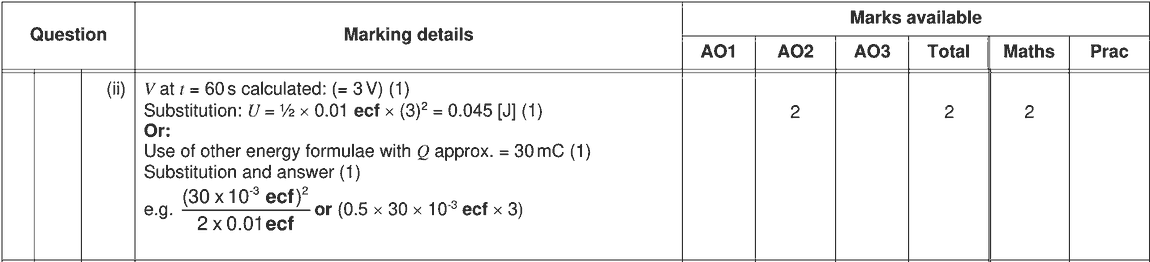
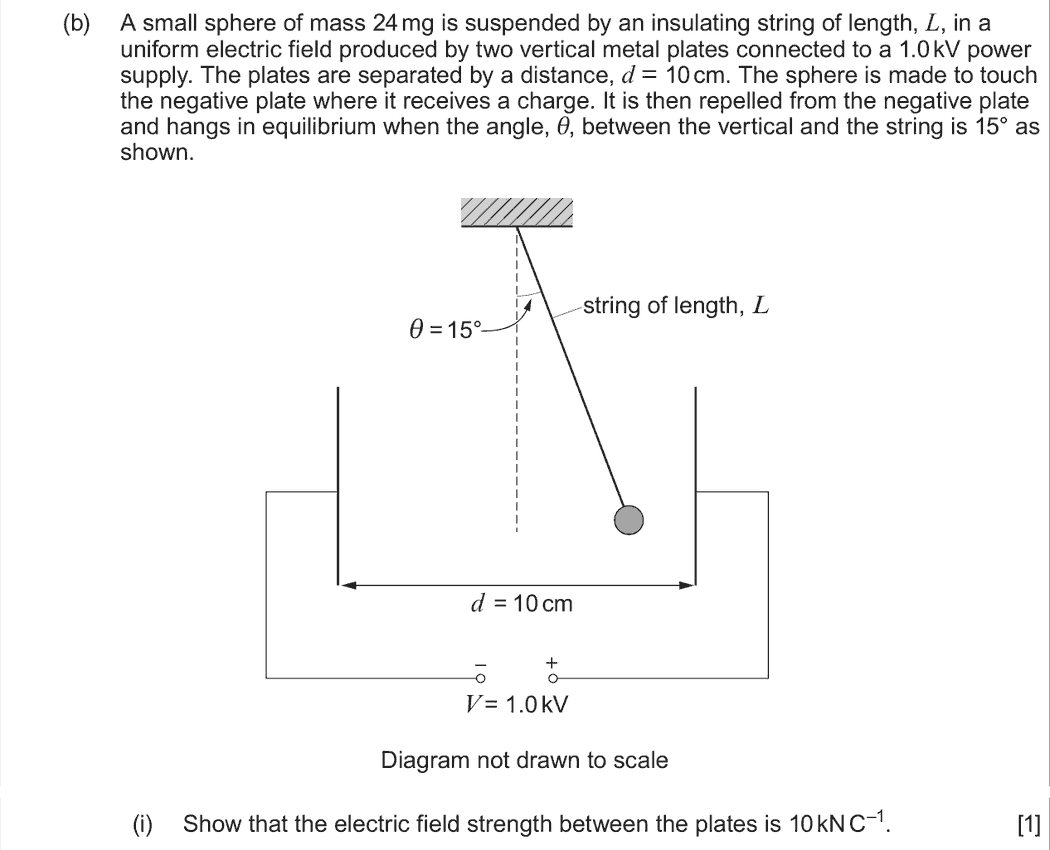
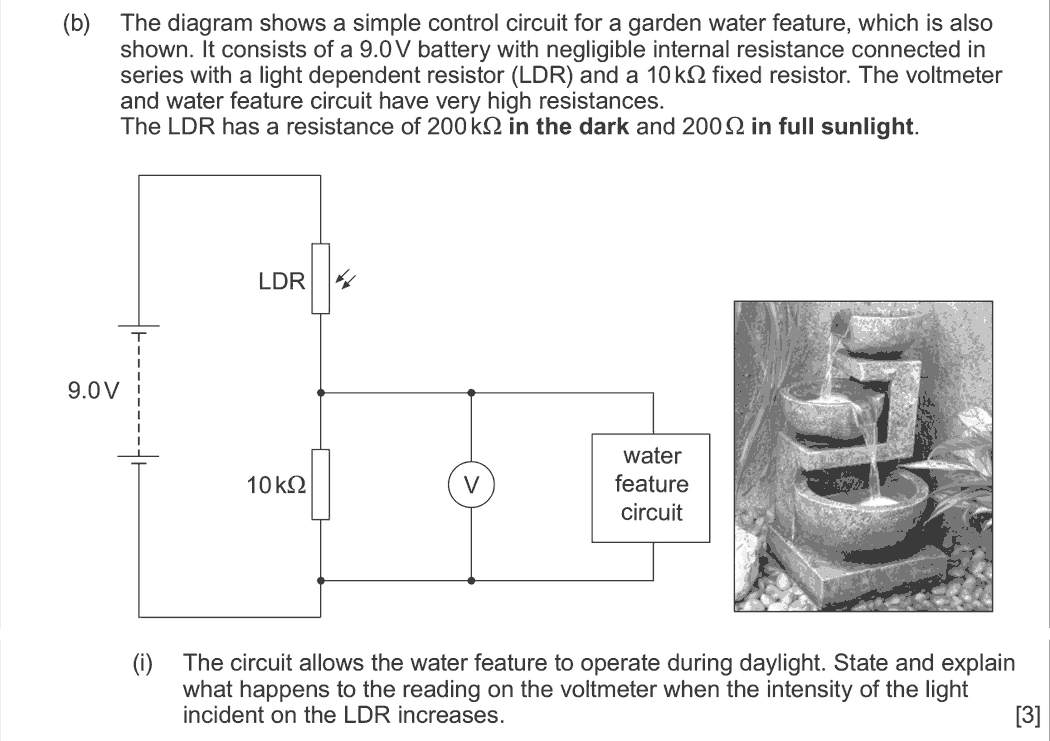
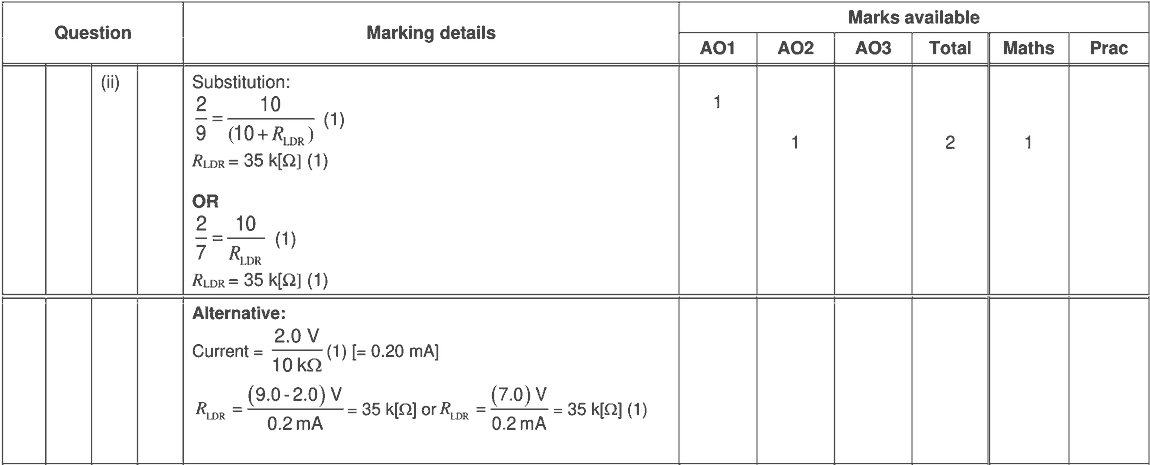
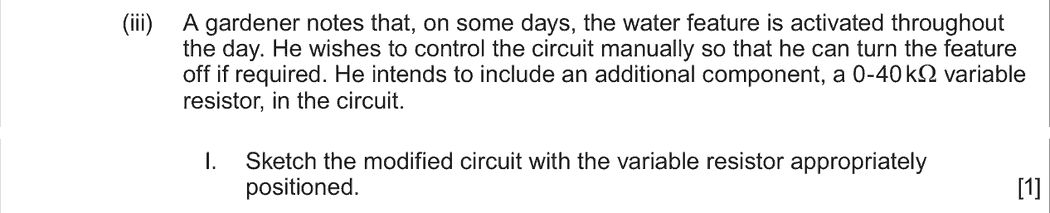
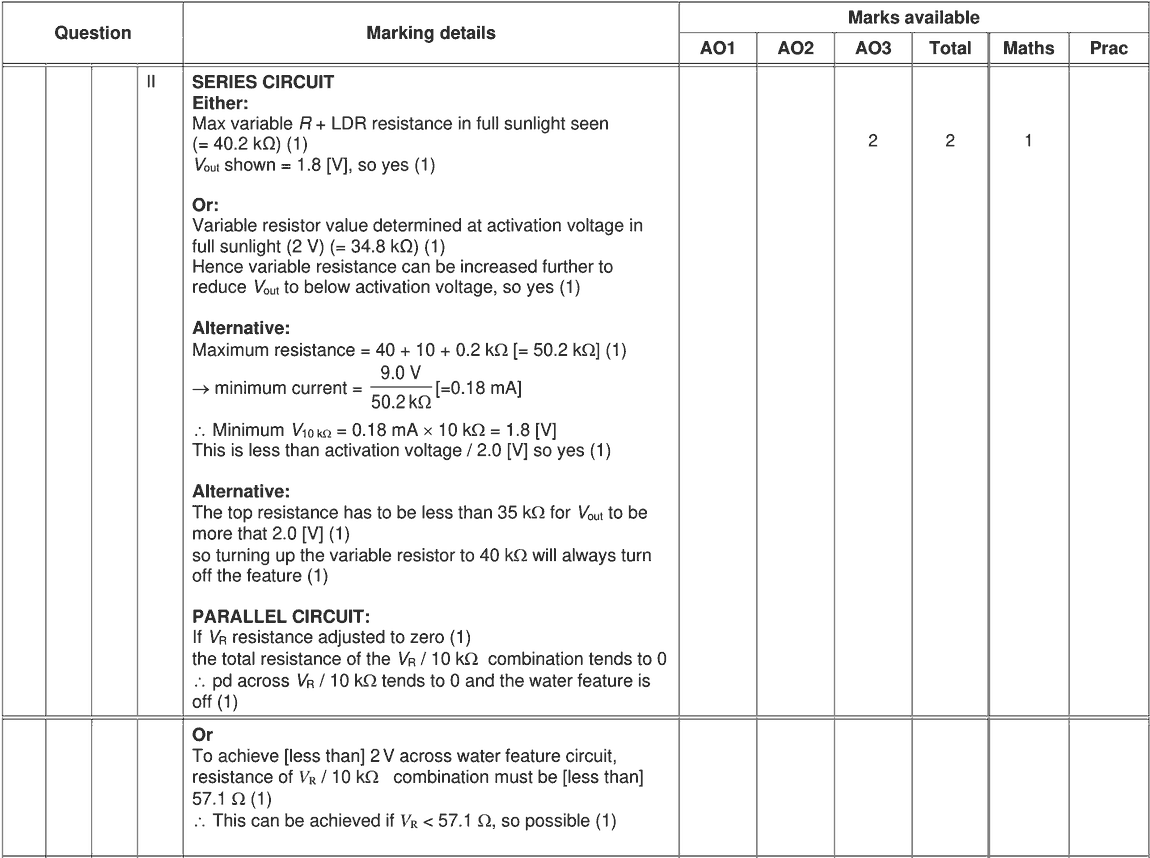
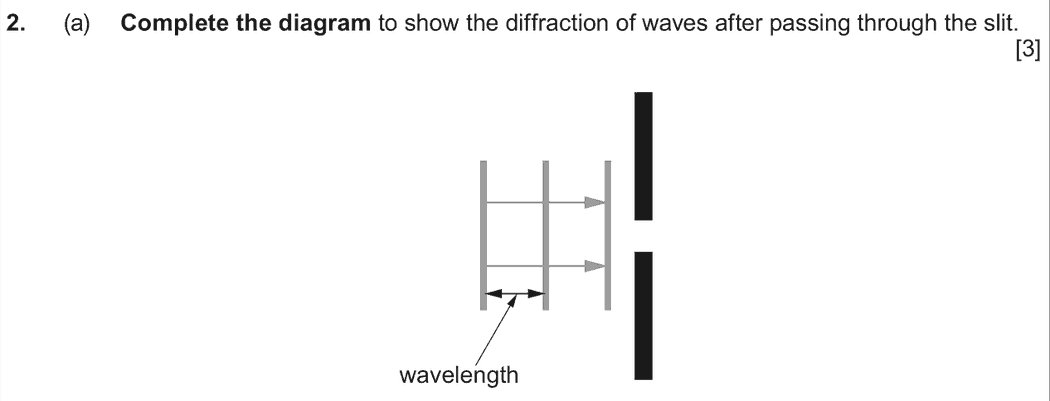
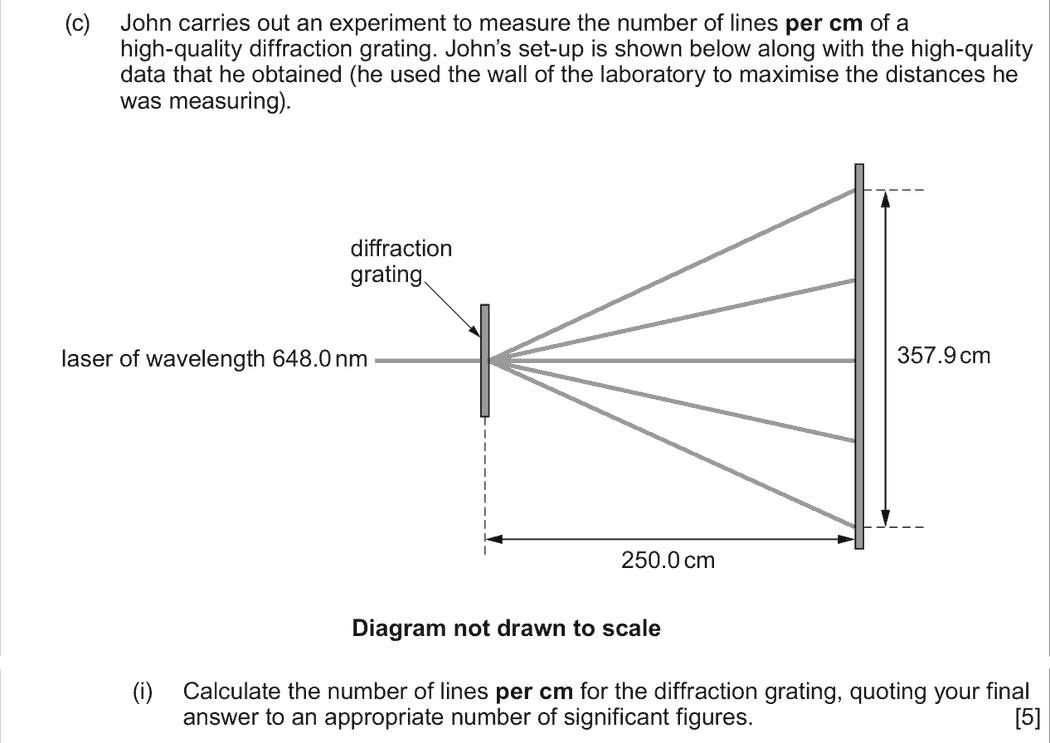
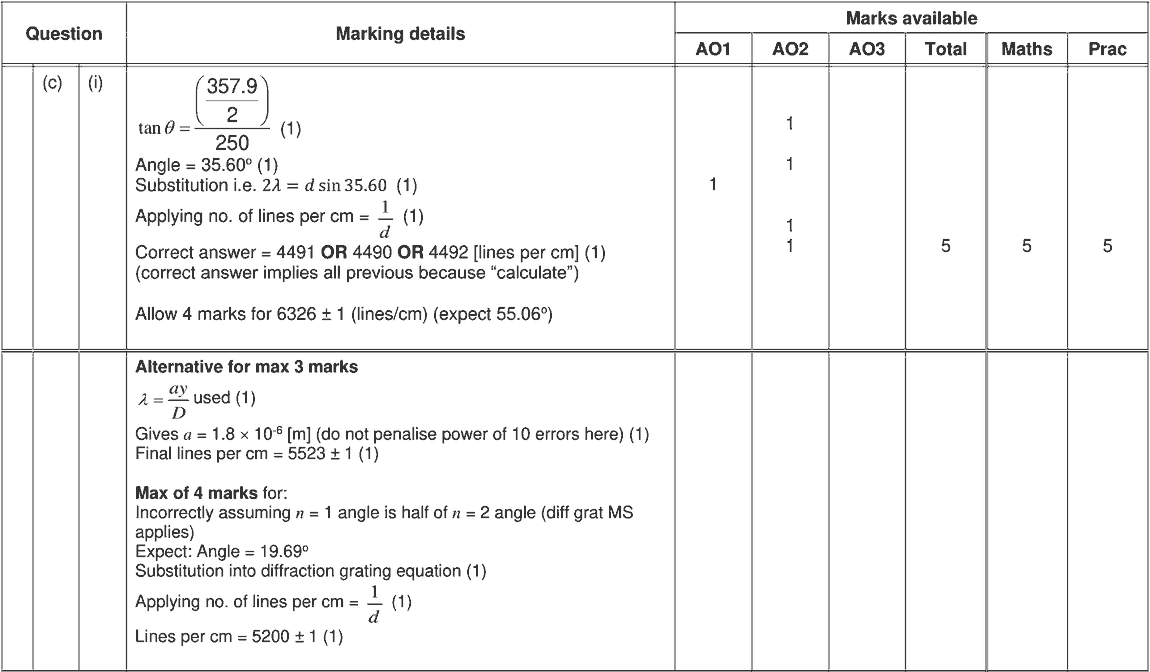
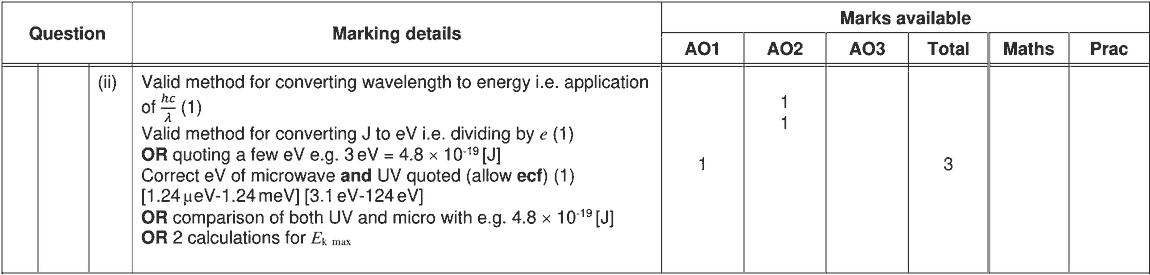
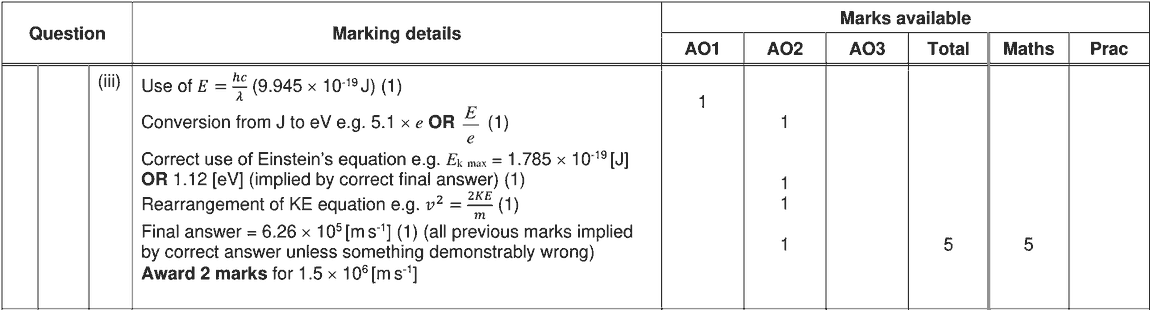
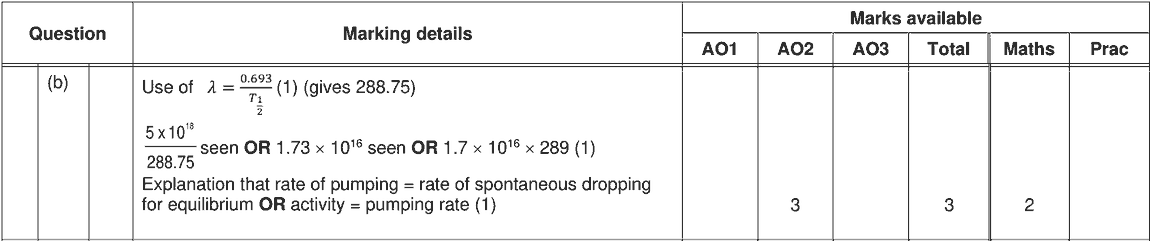
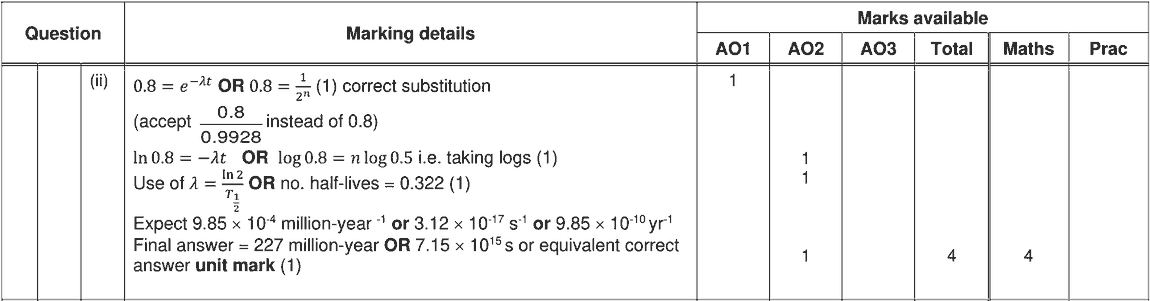
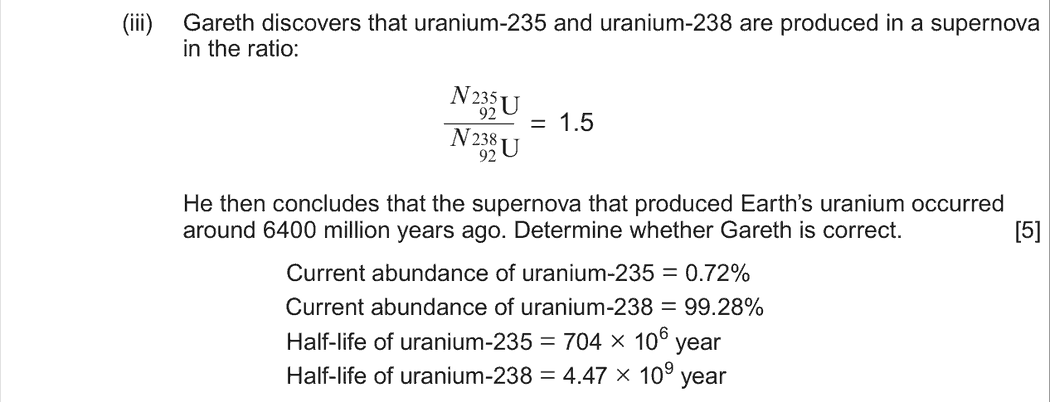
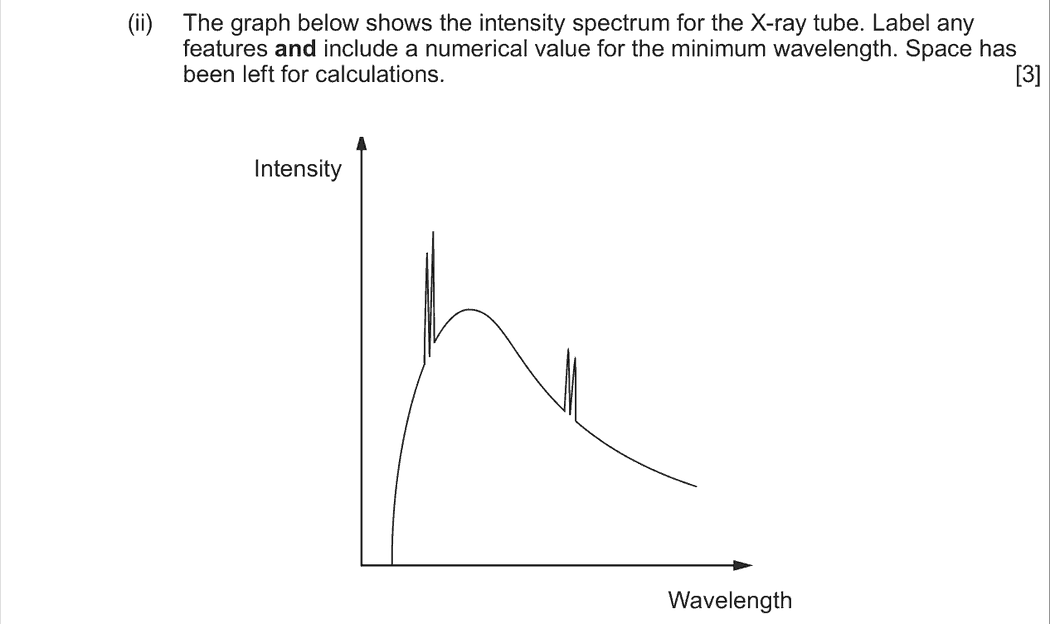
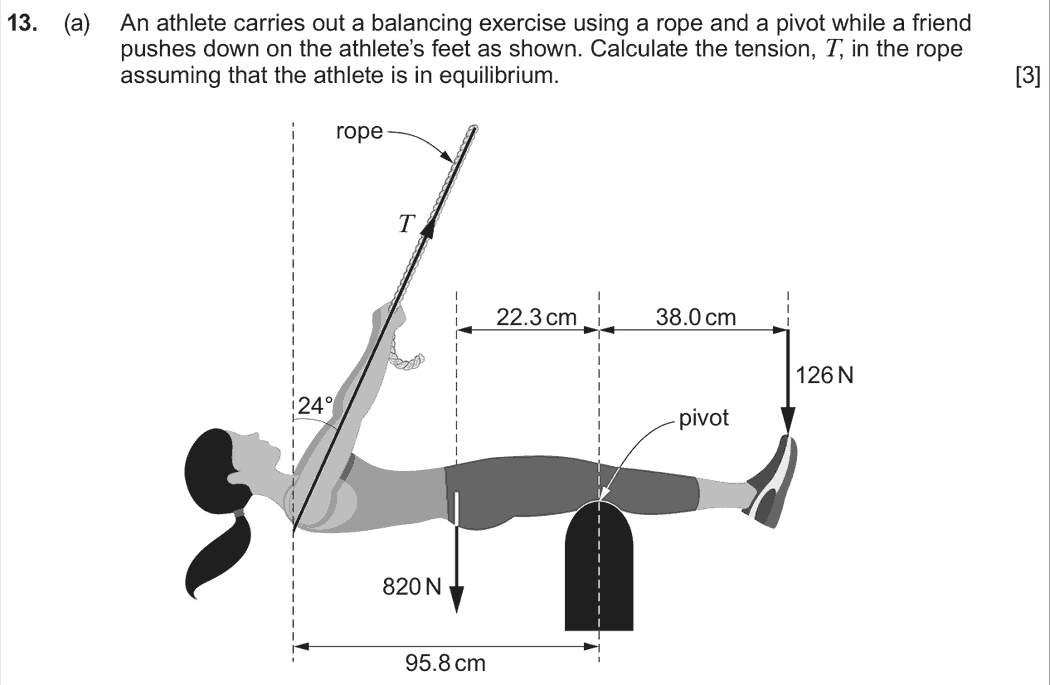
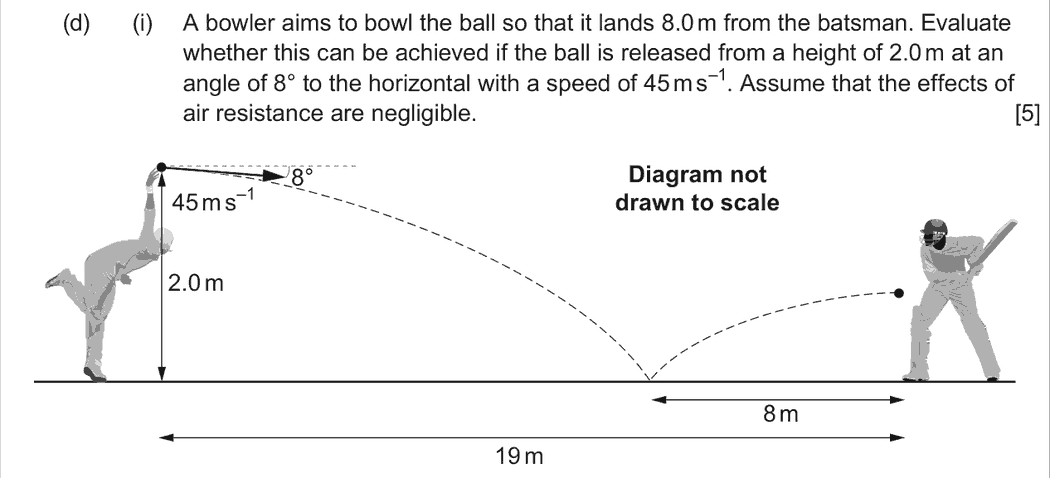
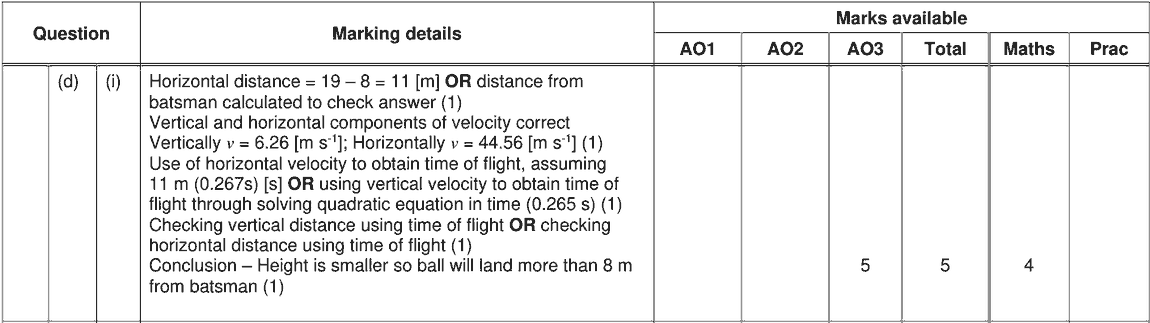
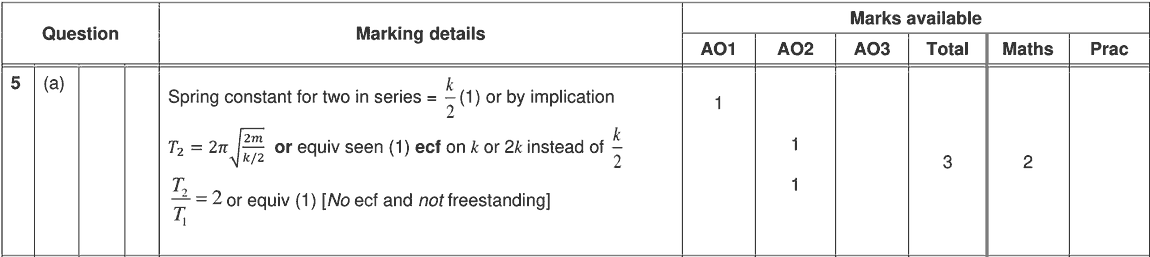
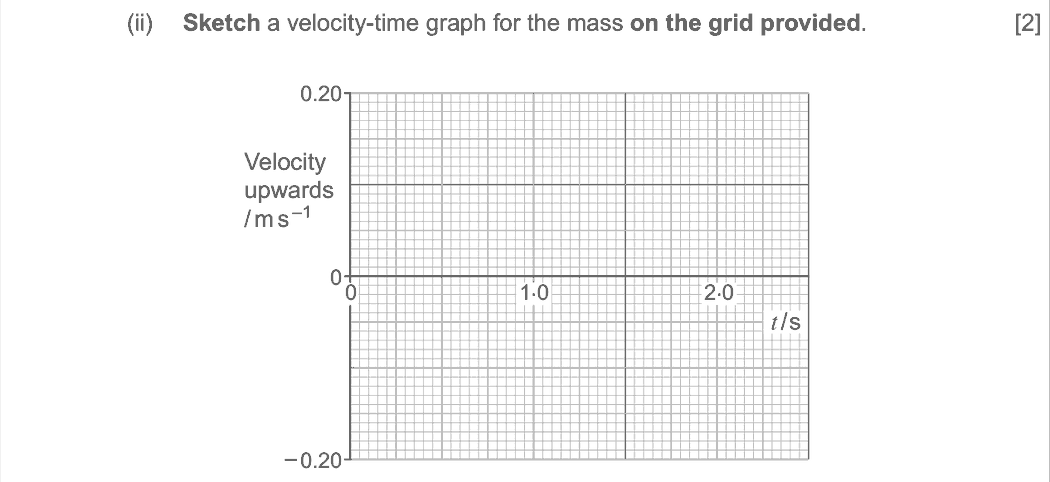
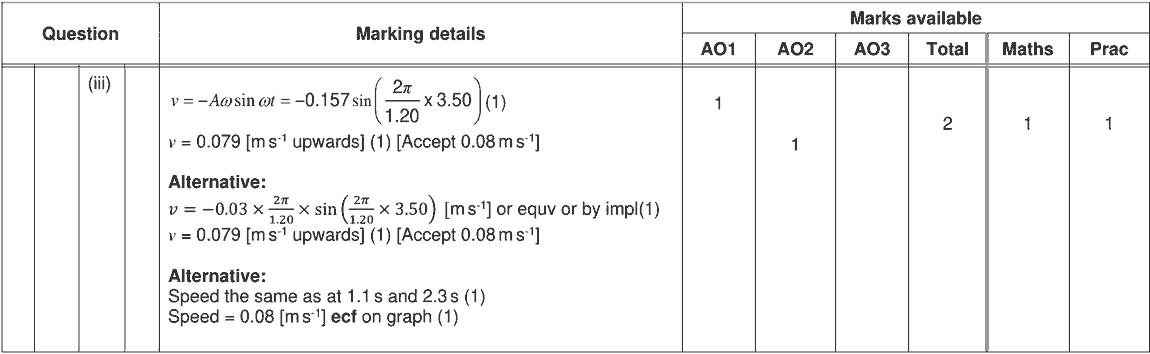
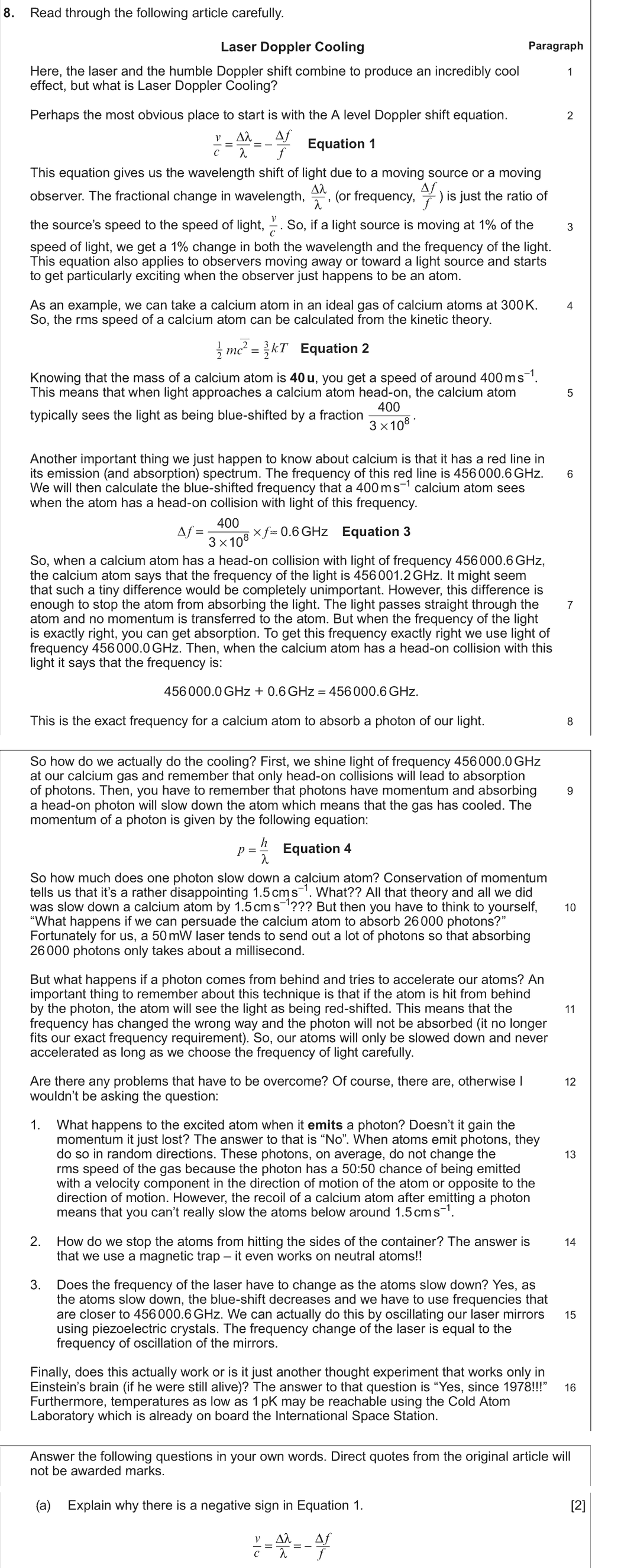
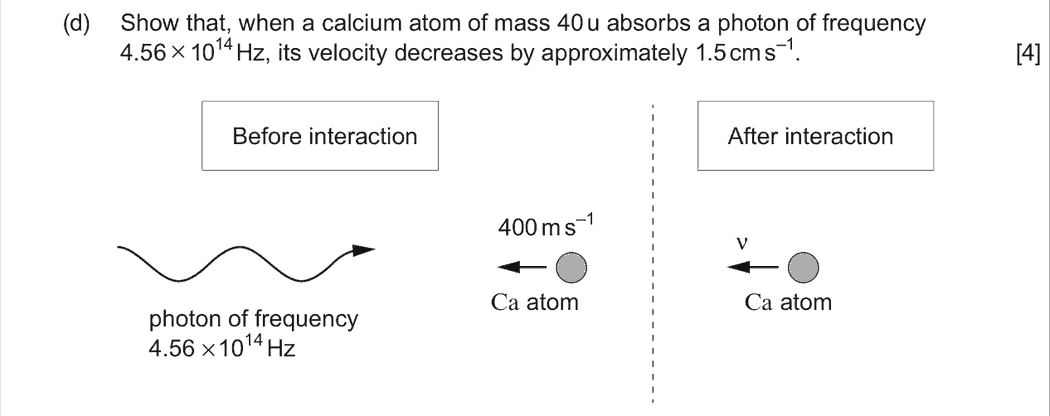
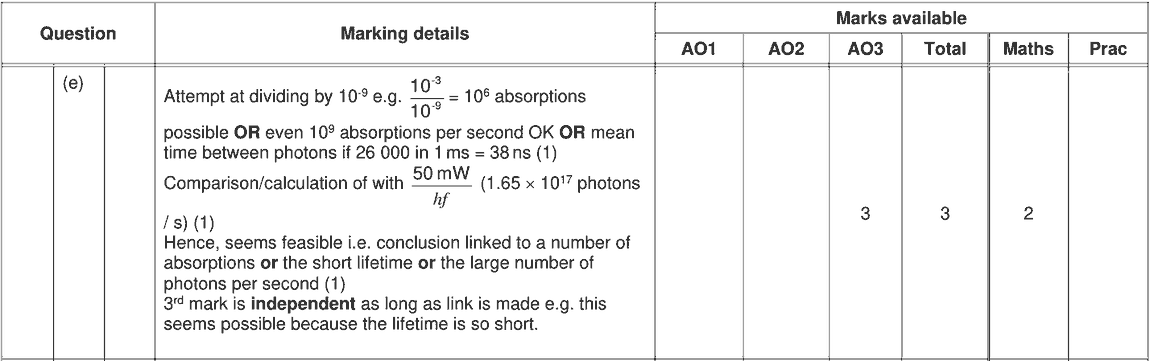
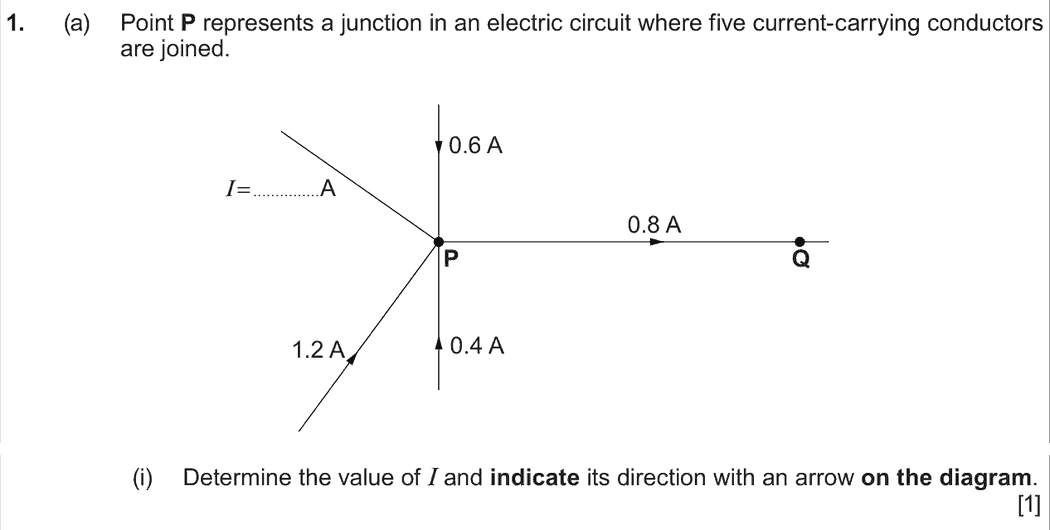
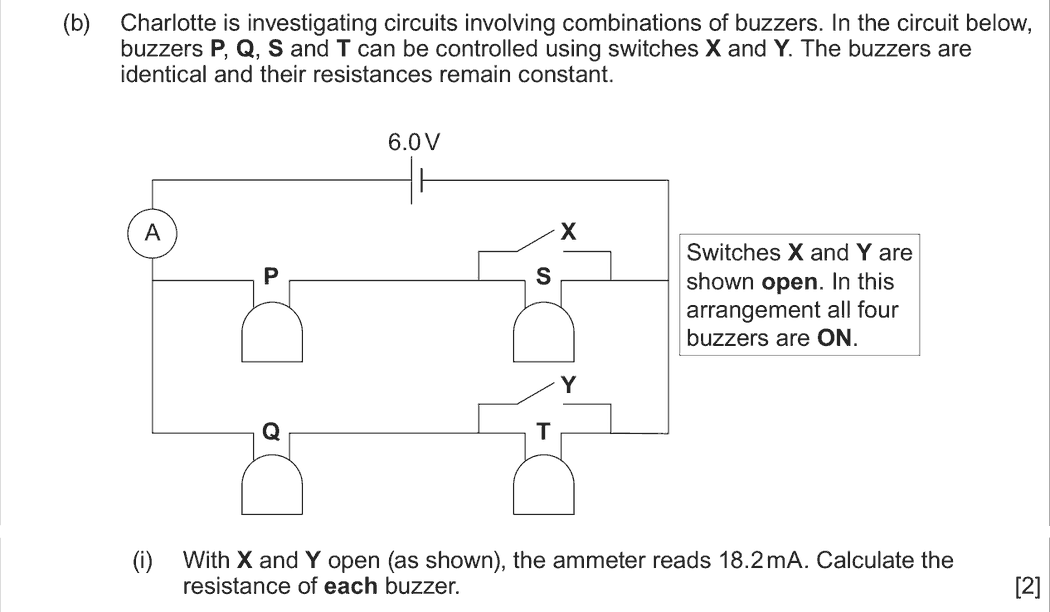
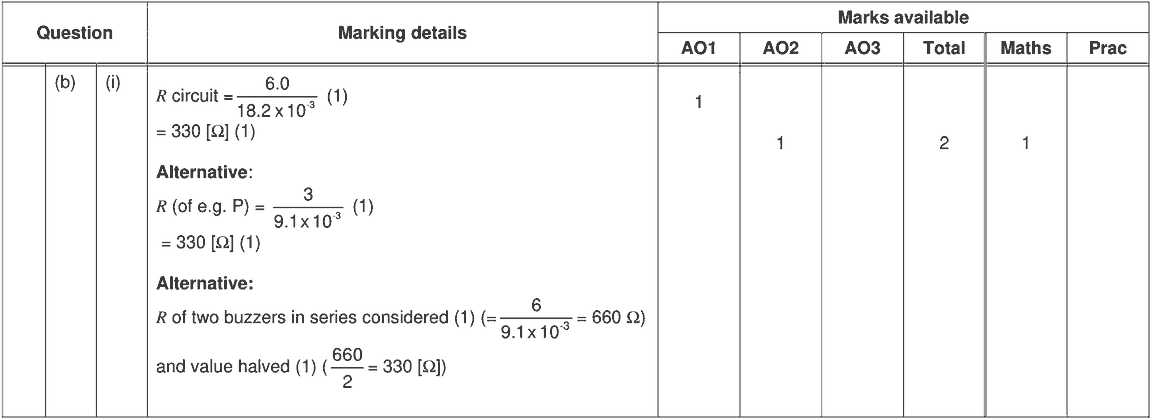
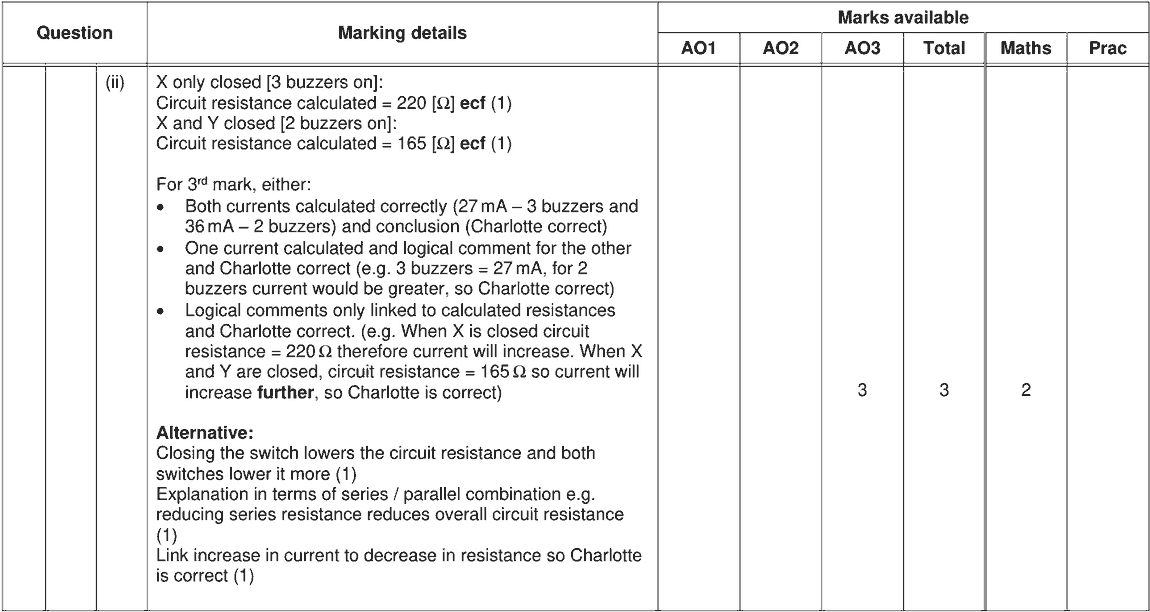
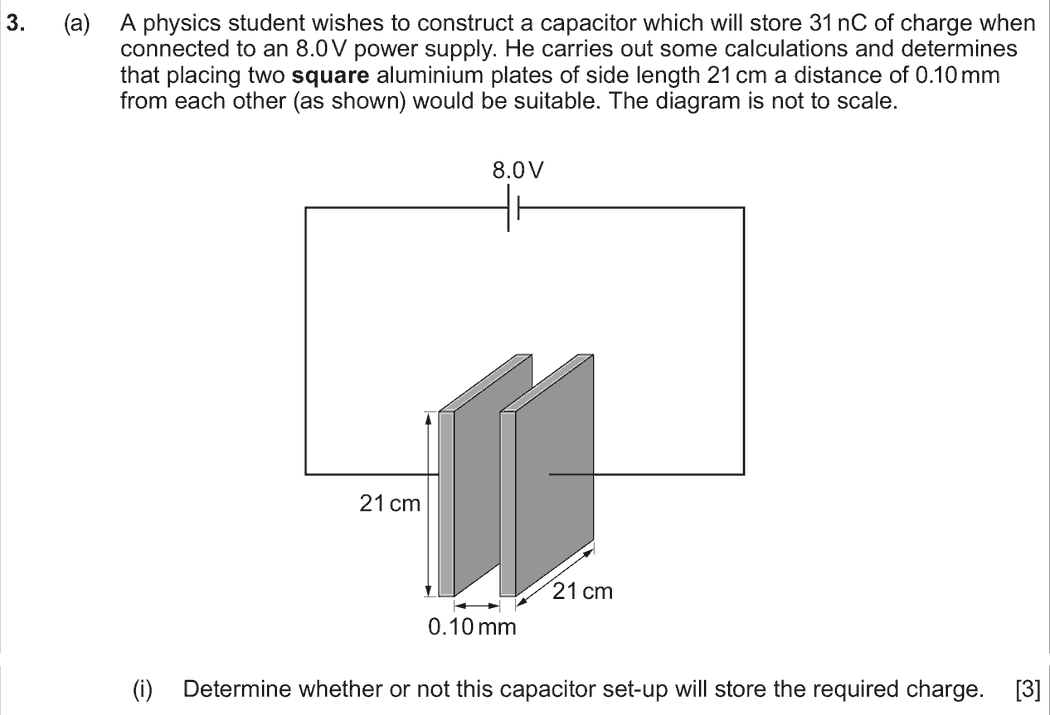
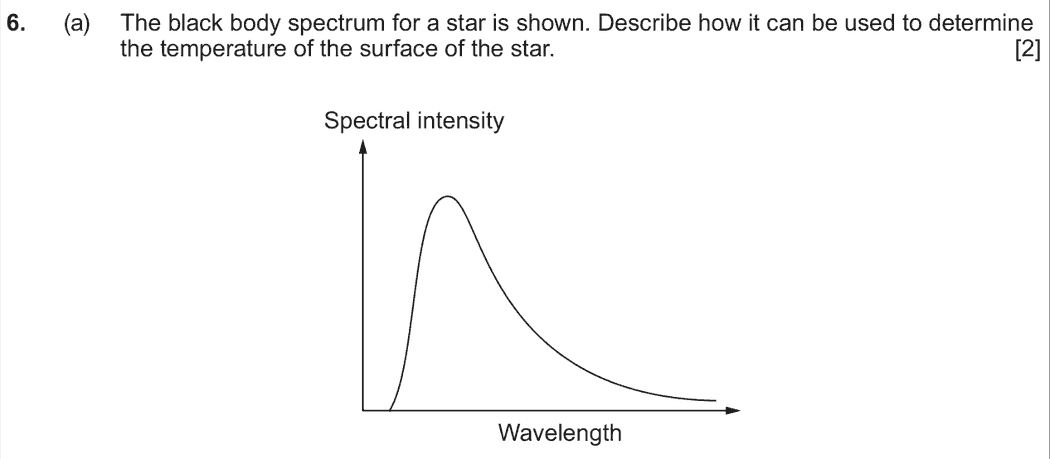
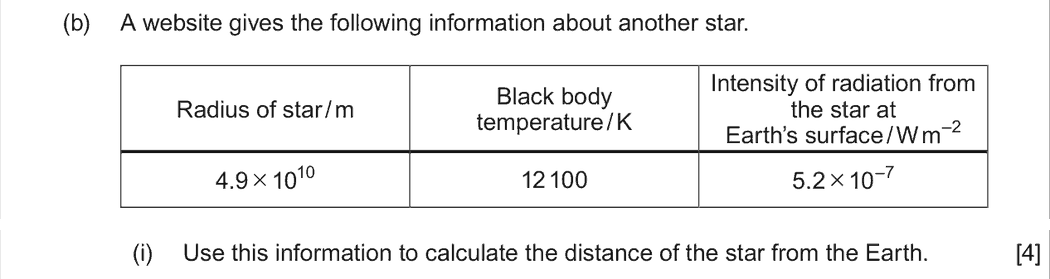
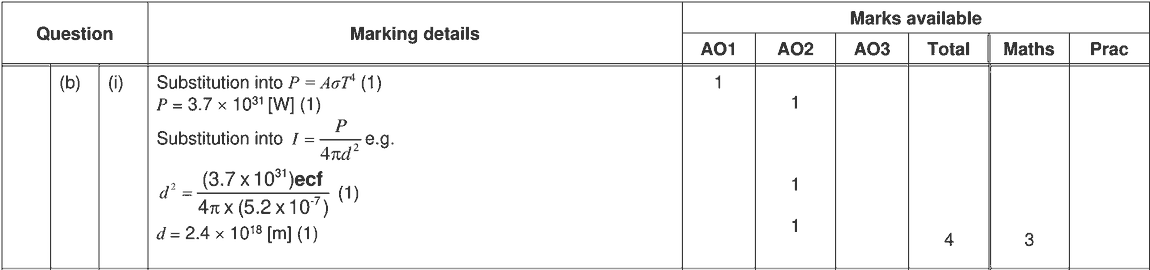
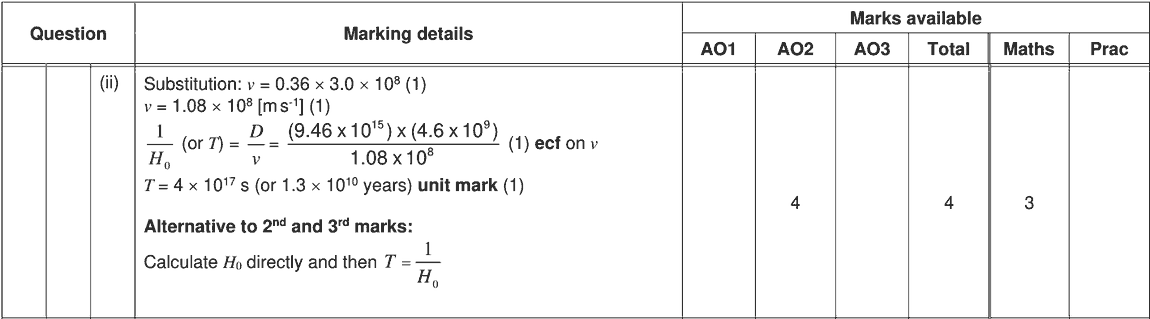
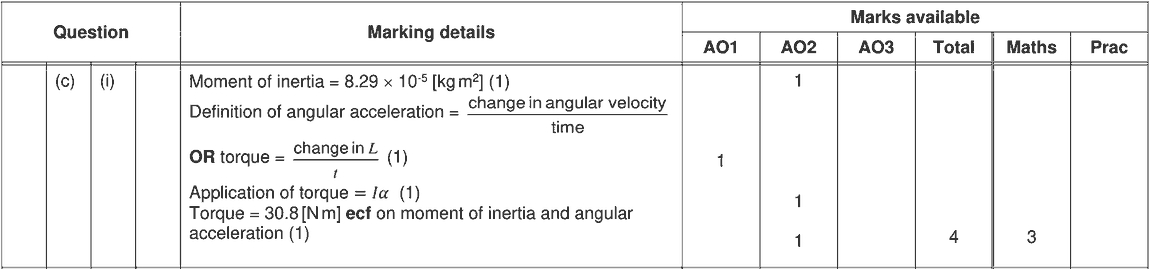
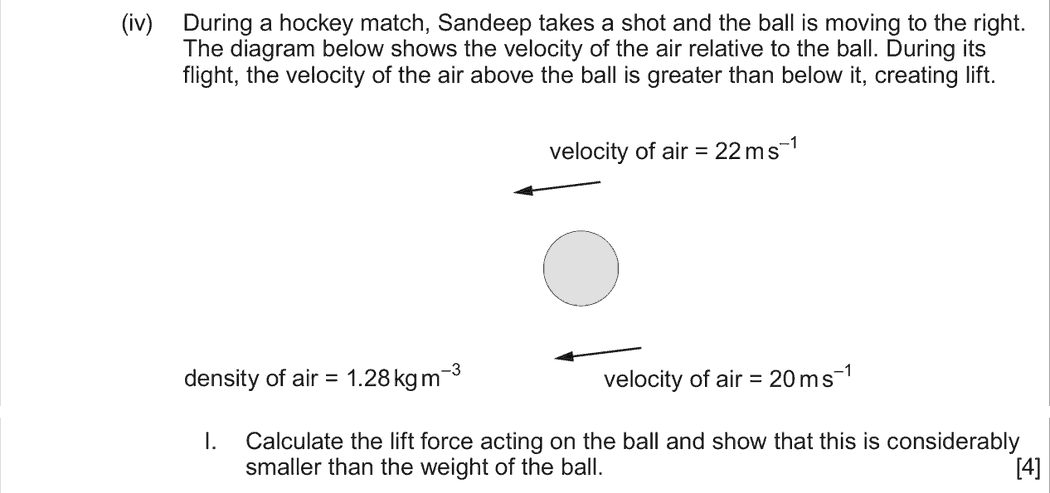
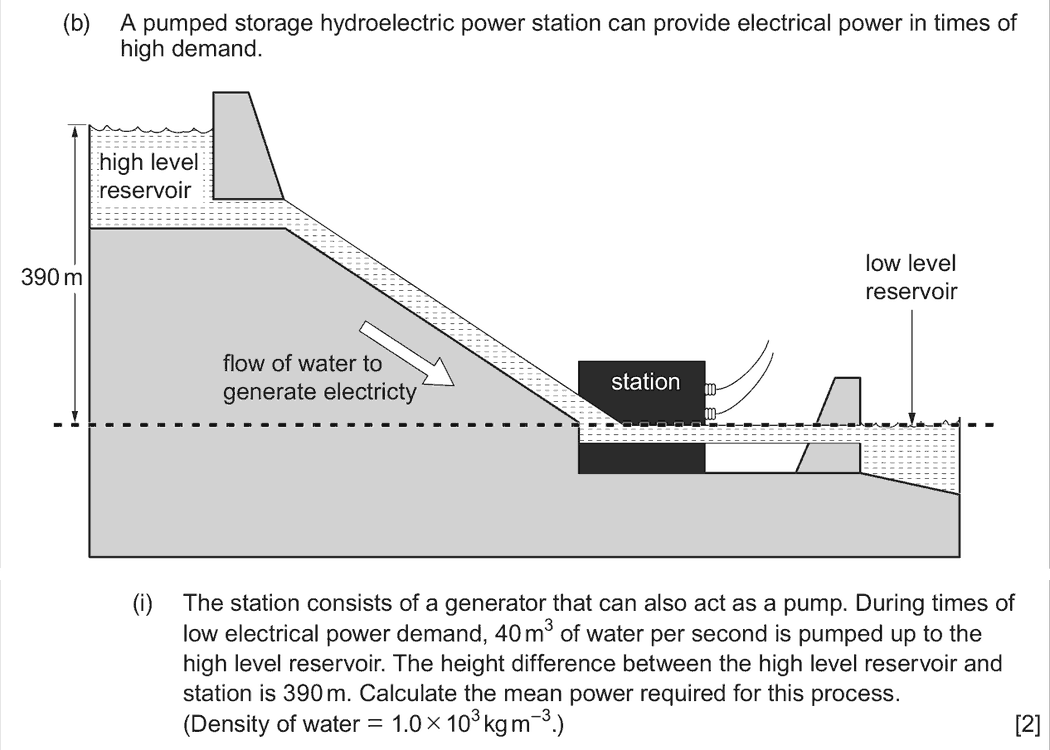
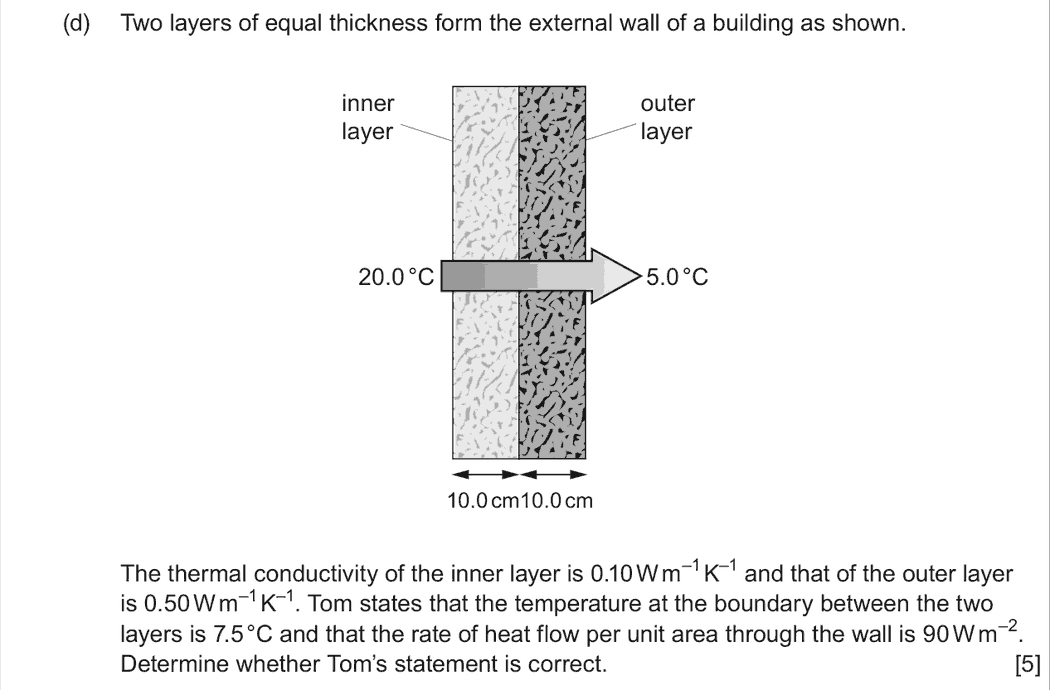
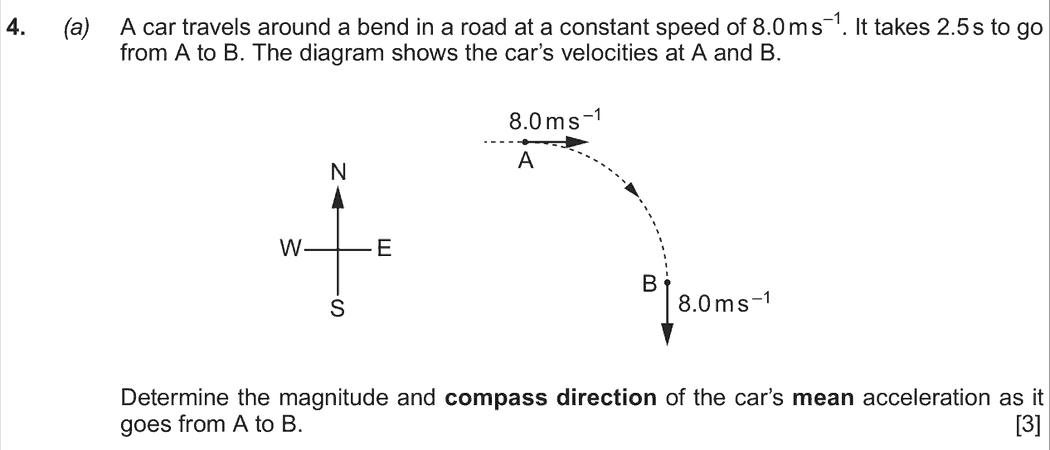
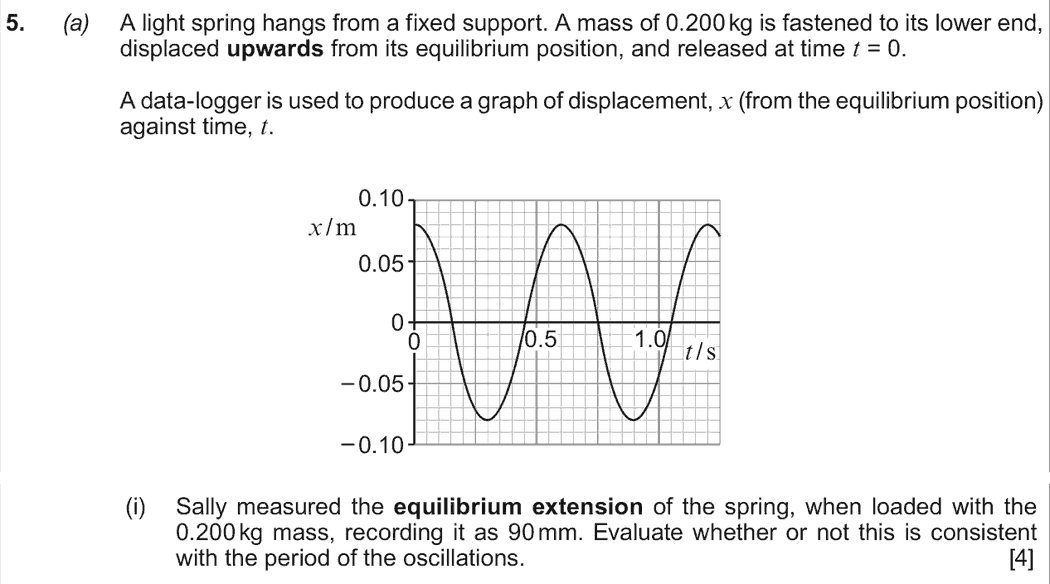
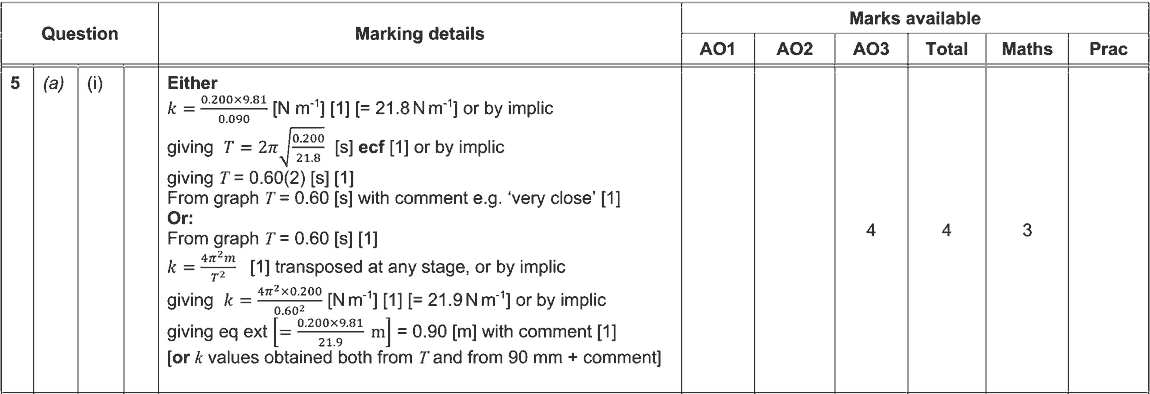
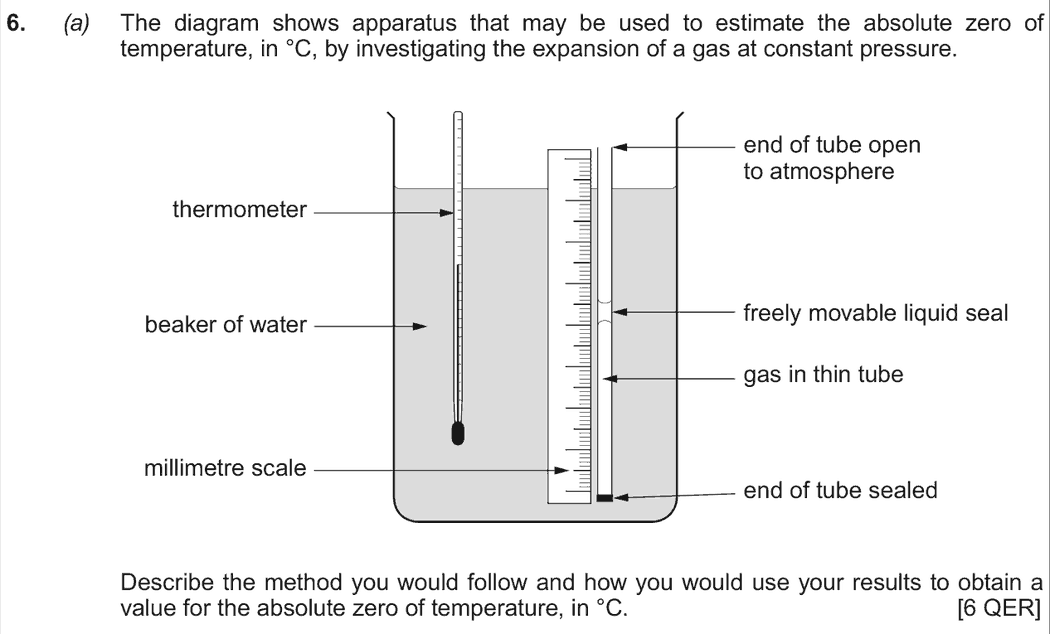
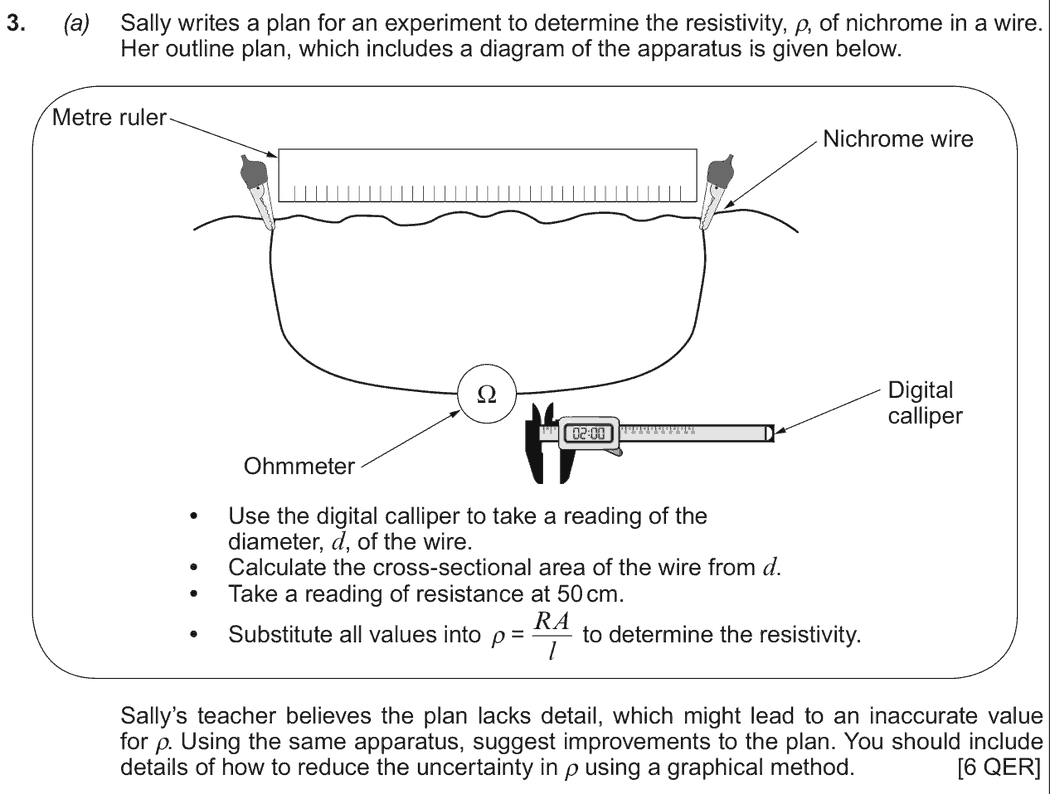
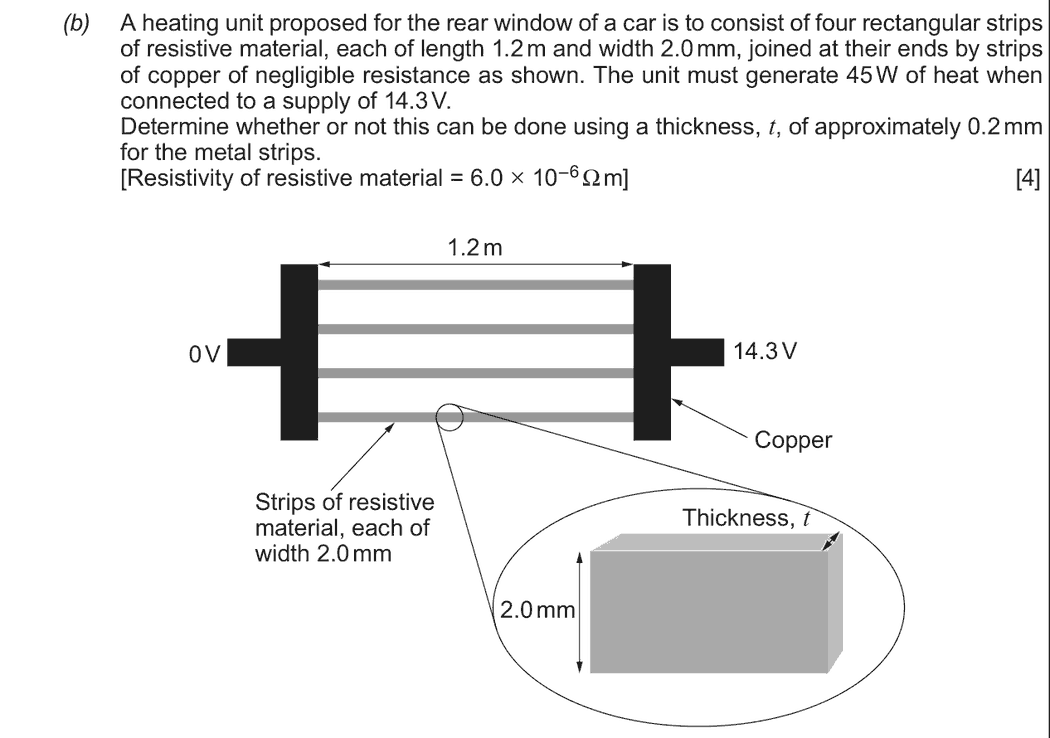
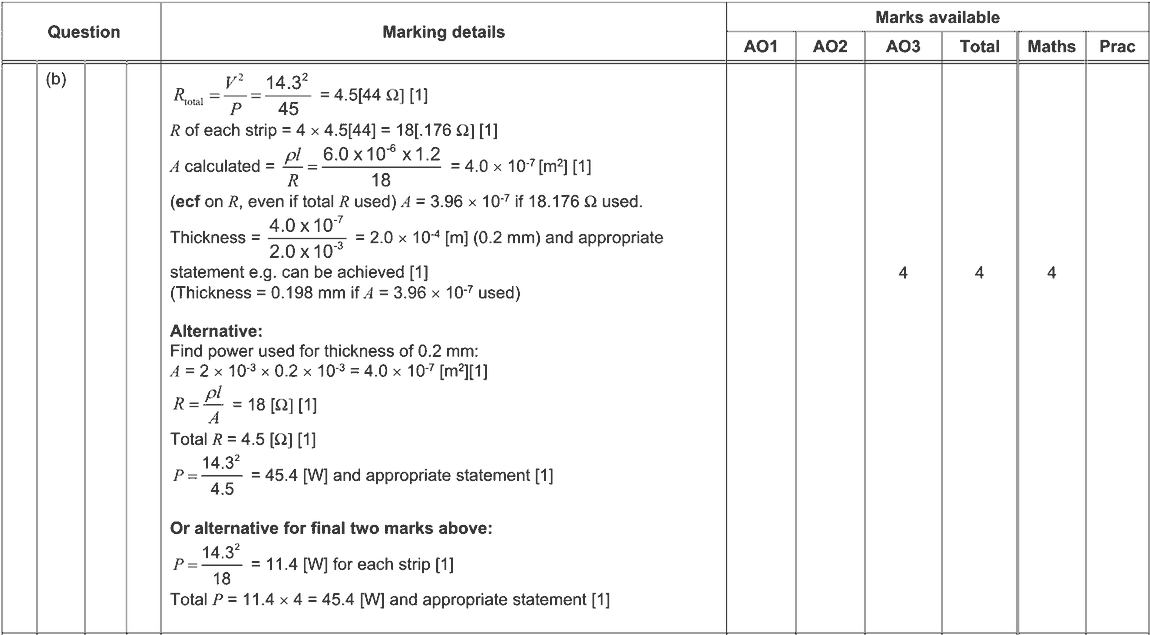
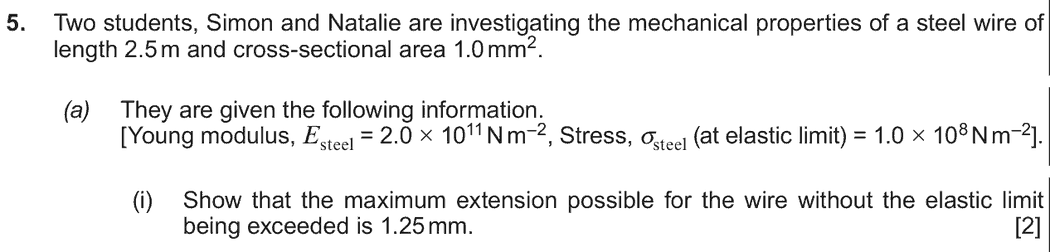
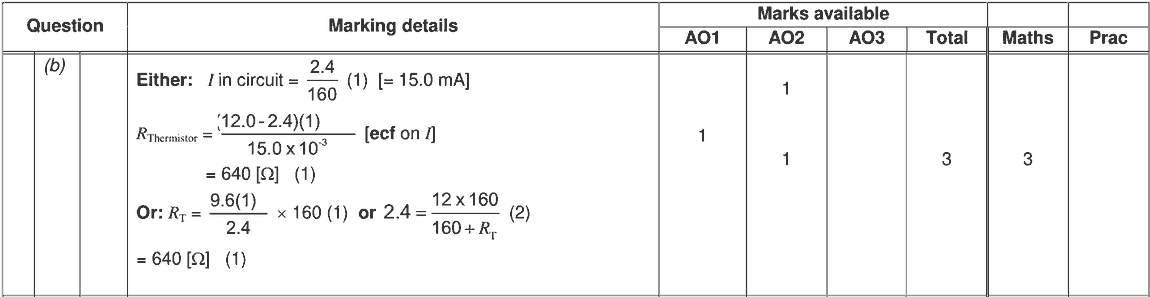
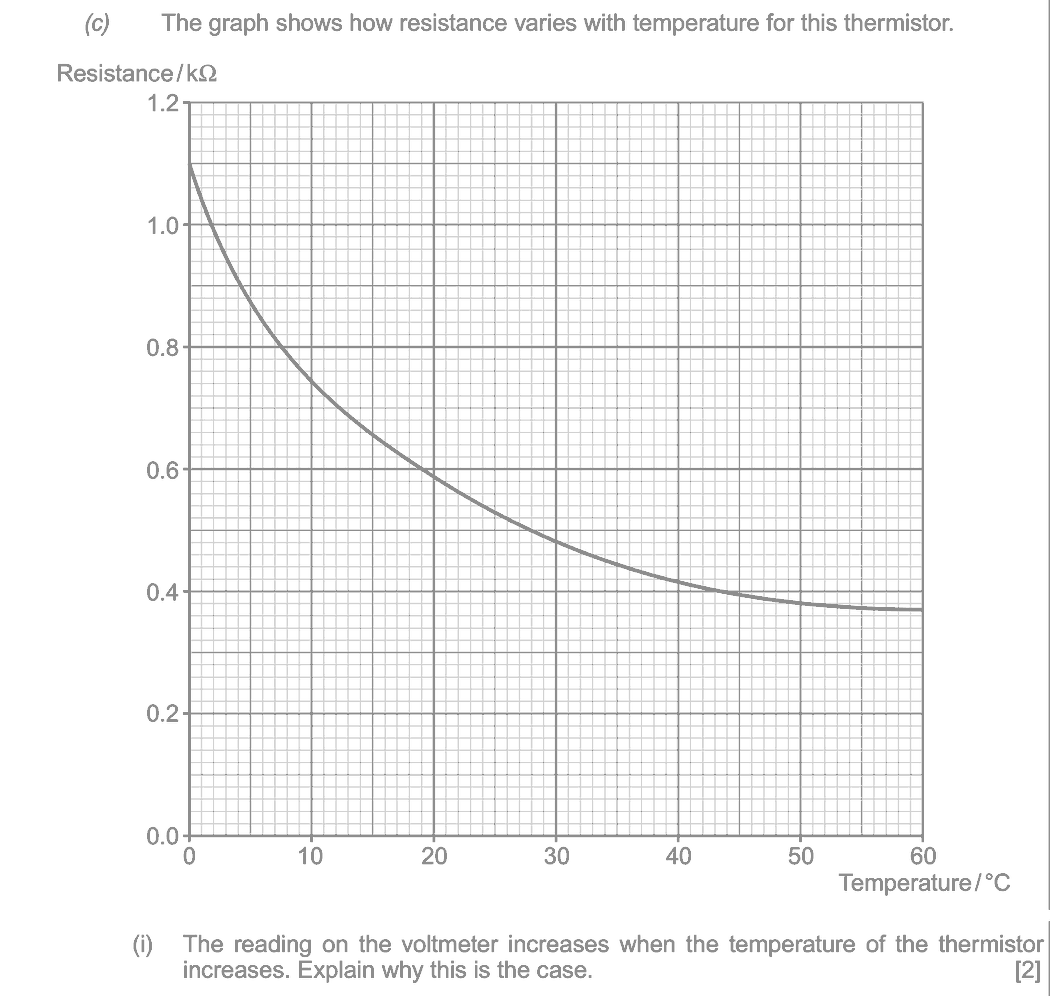
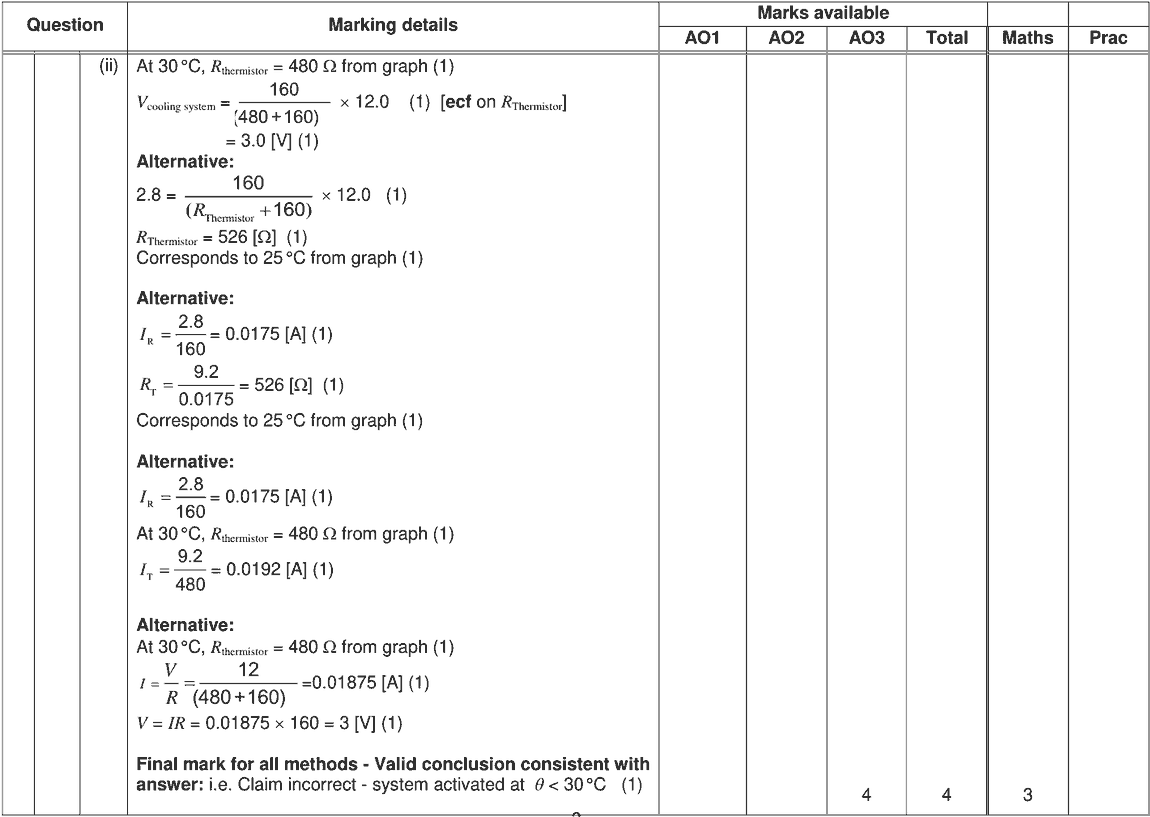
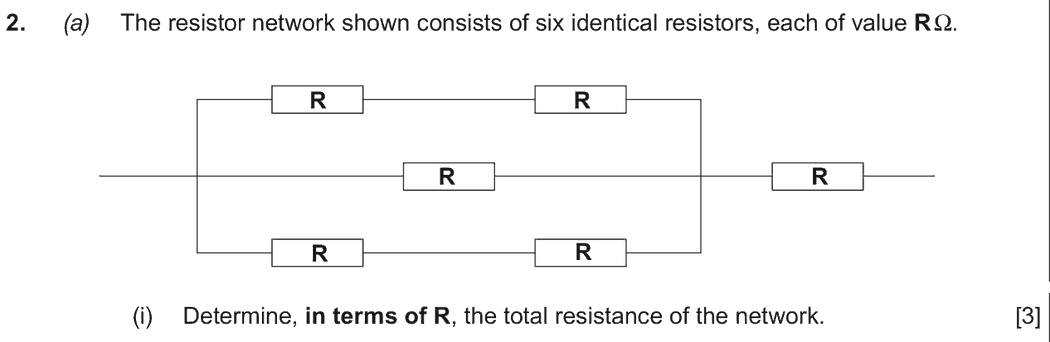
Examiner's comment
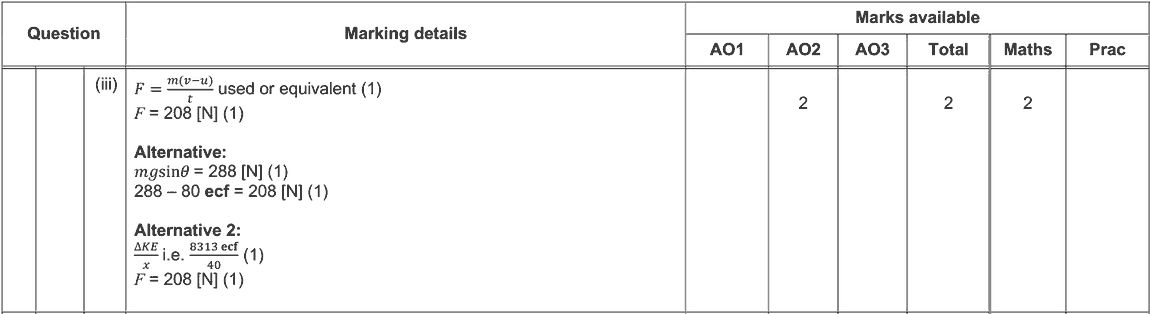
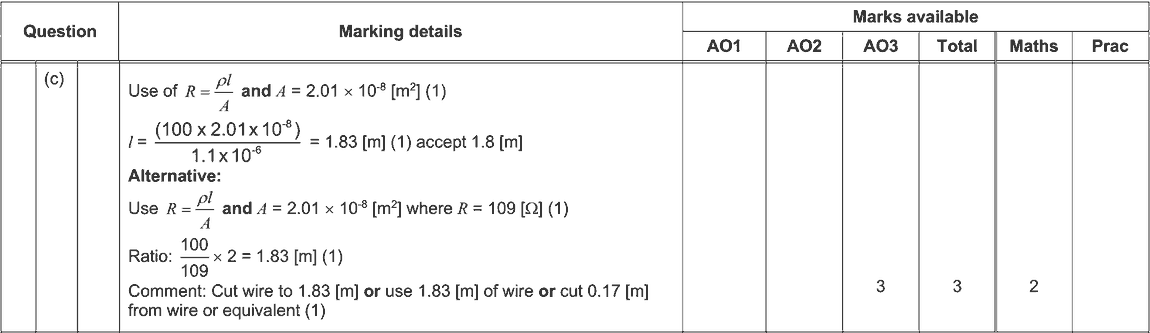
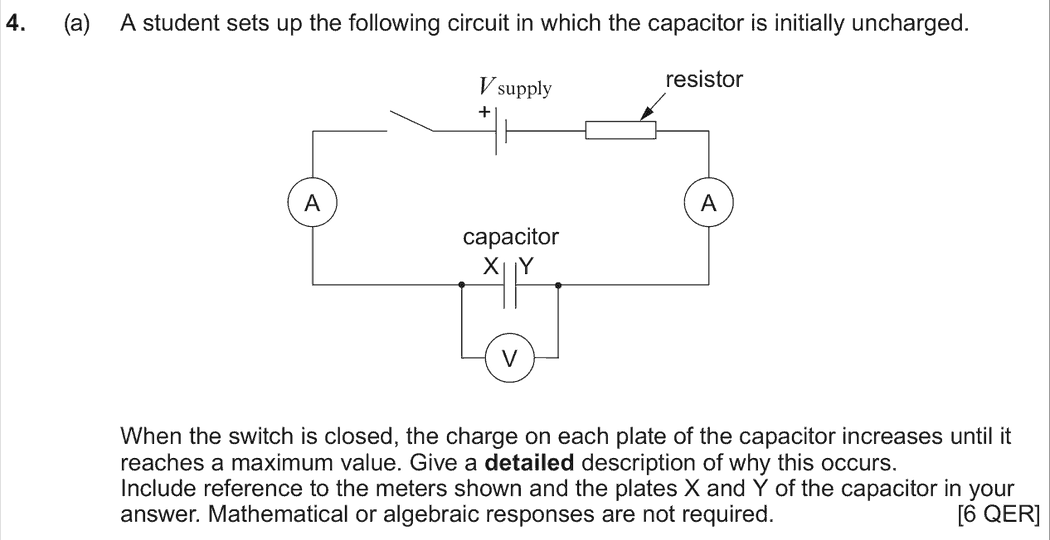
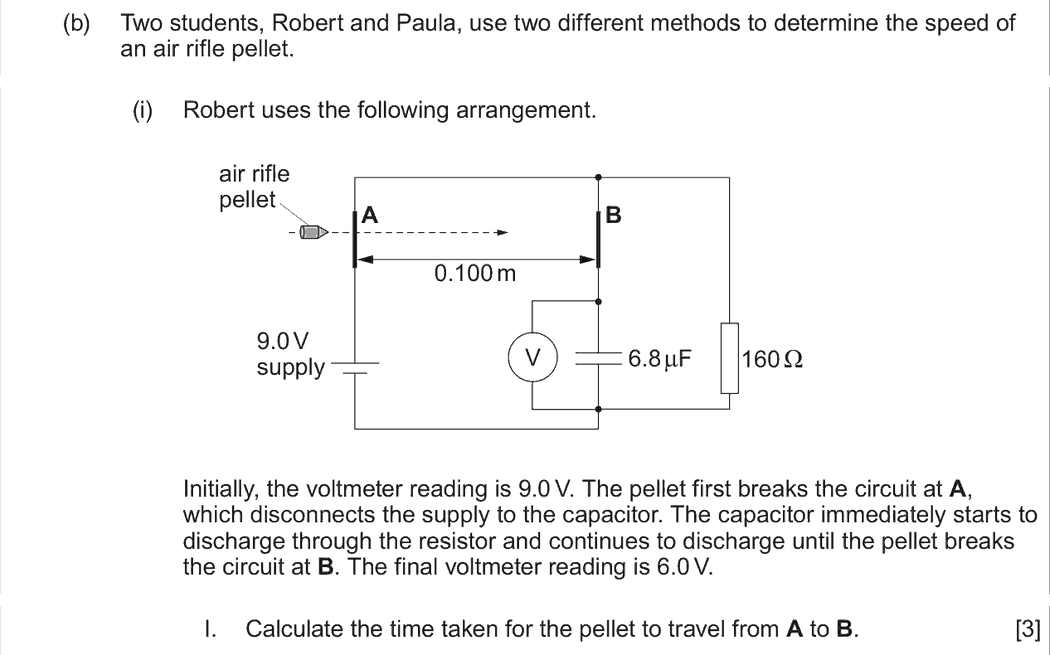
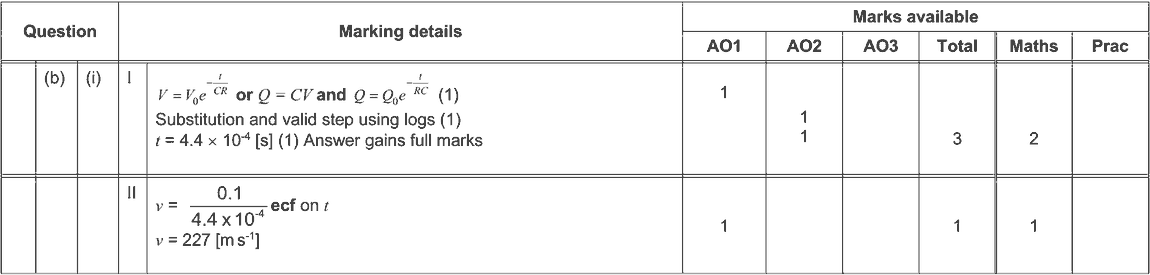
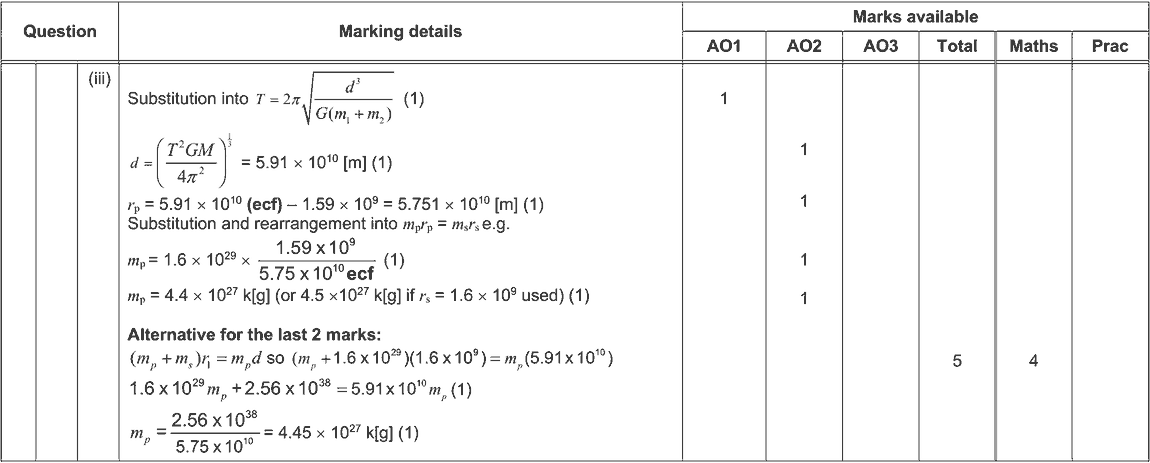
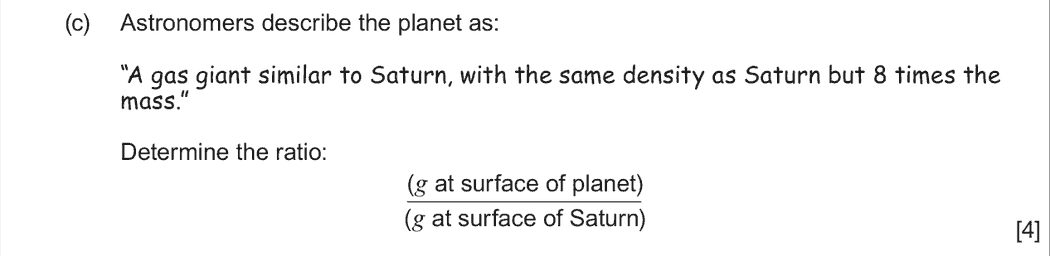
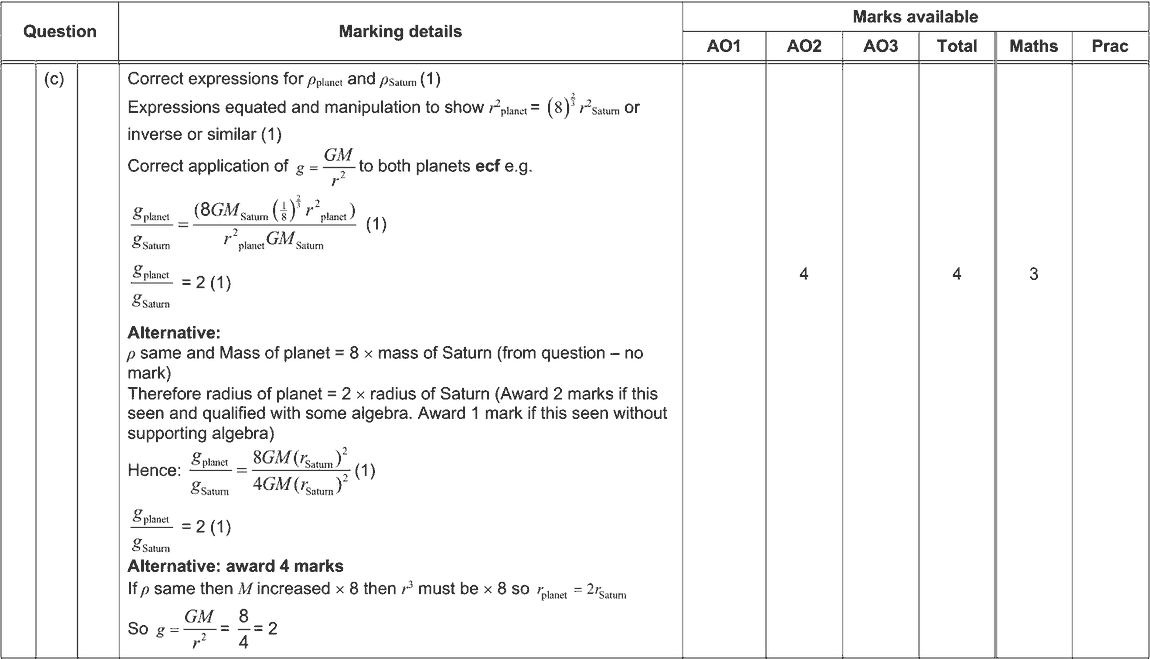
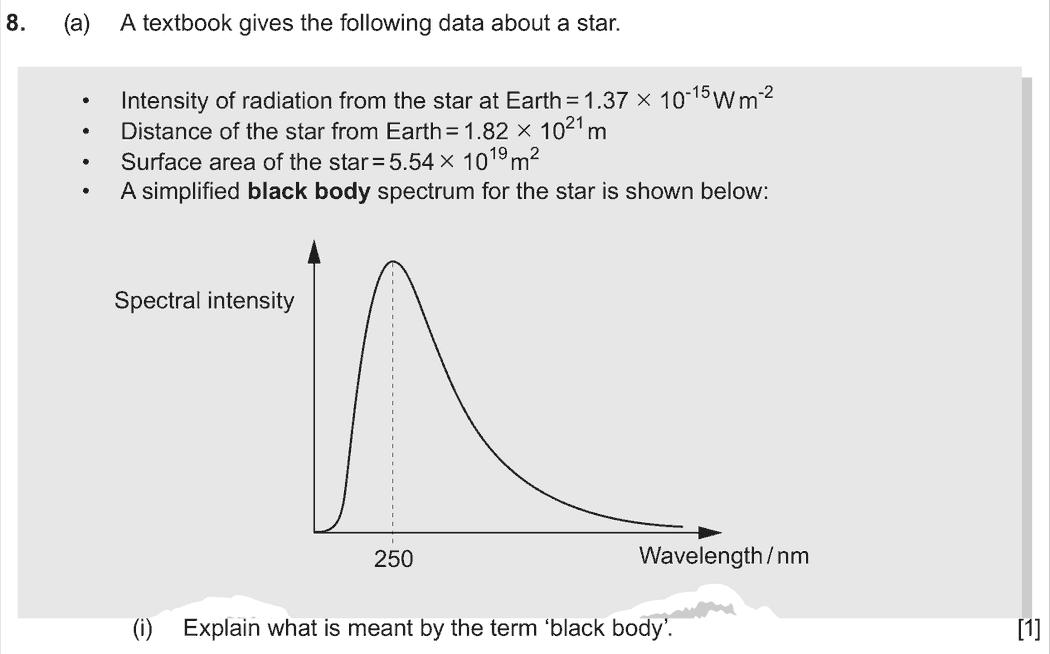
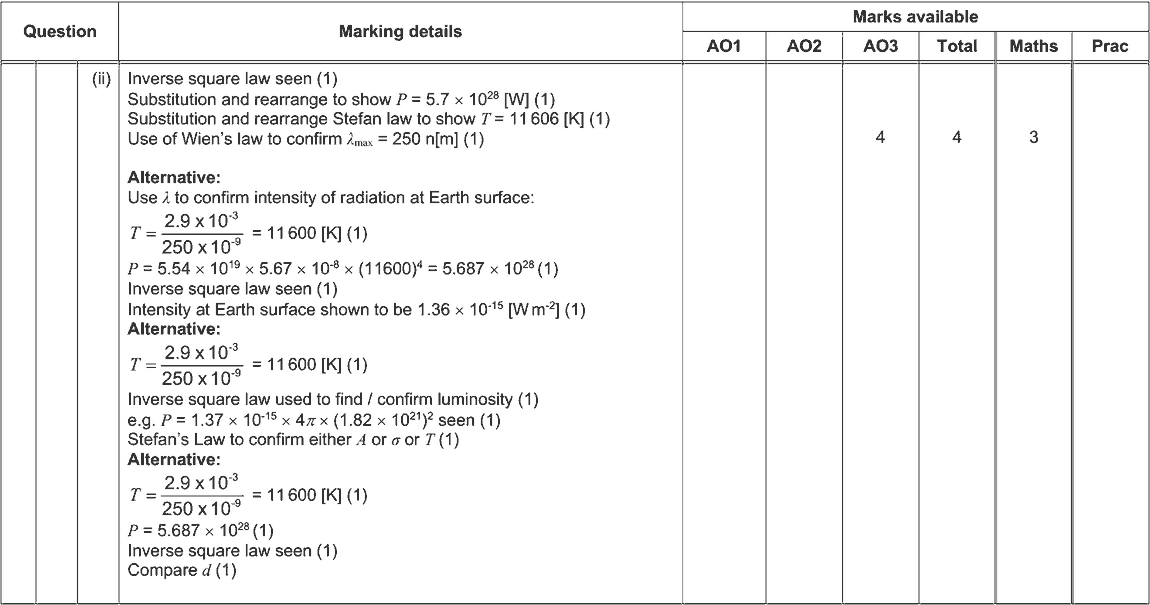
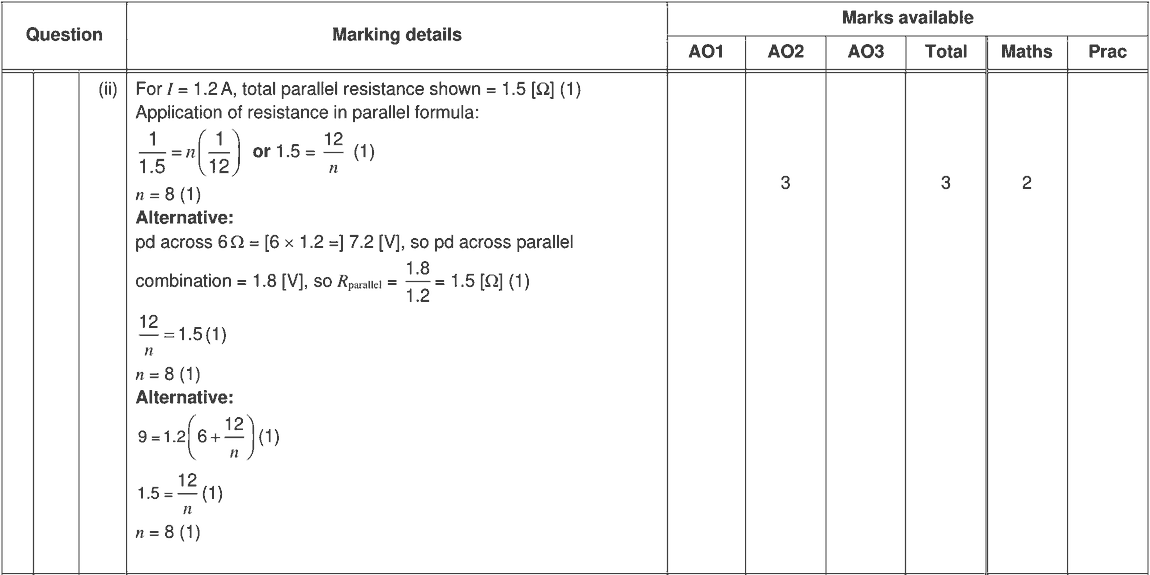
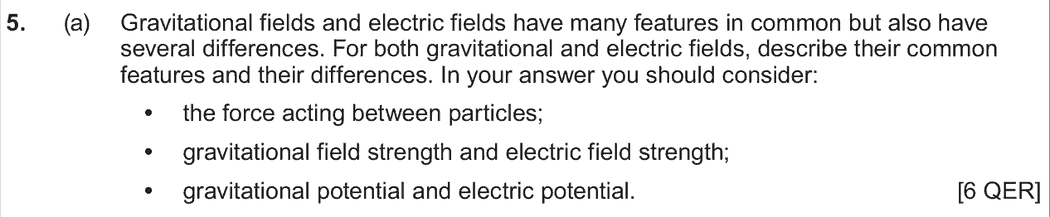
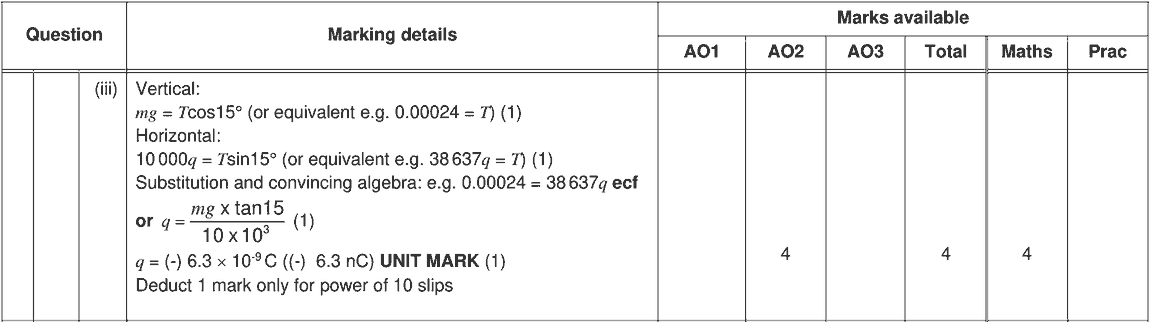
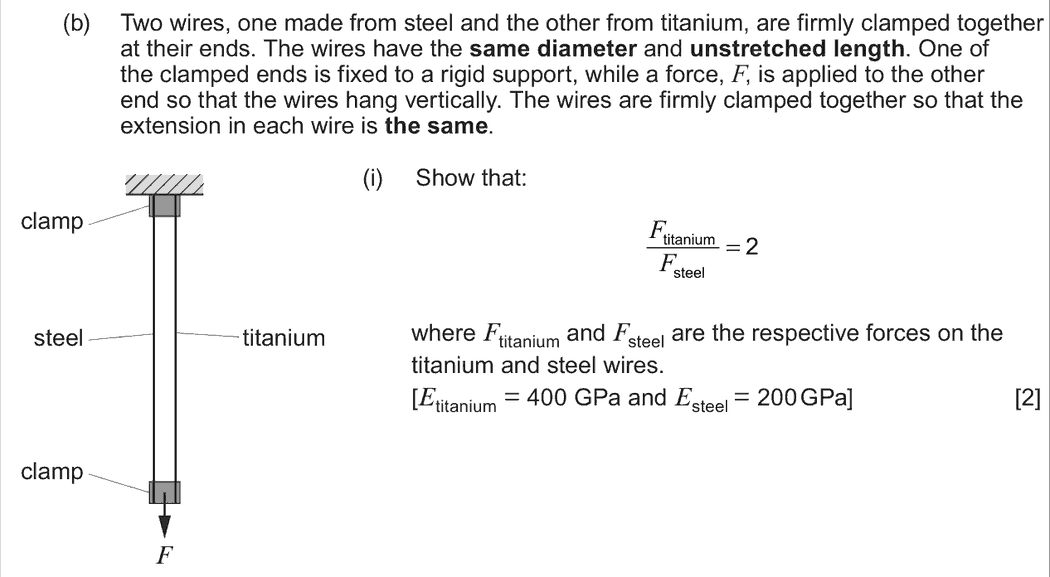
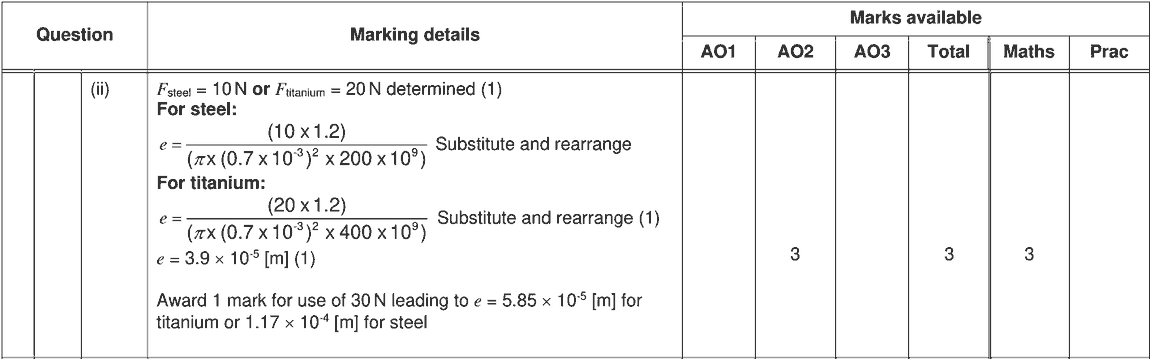
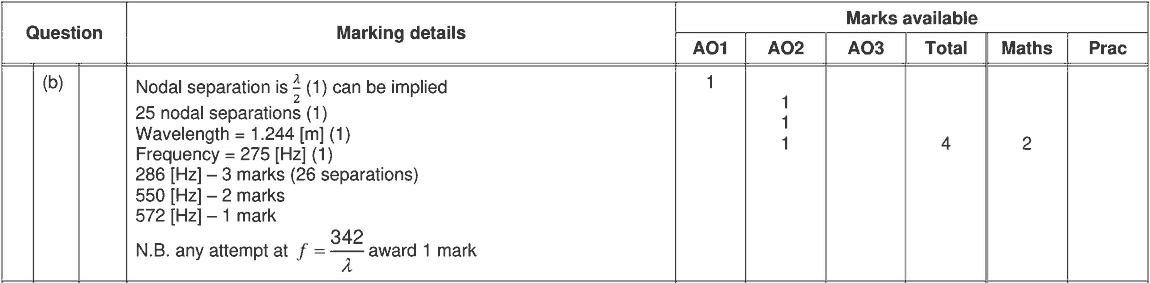
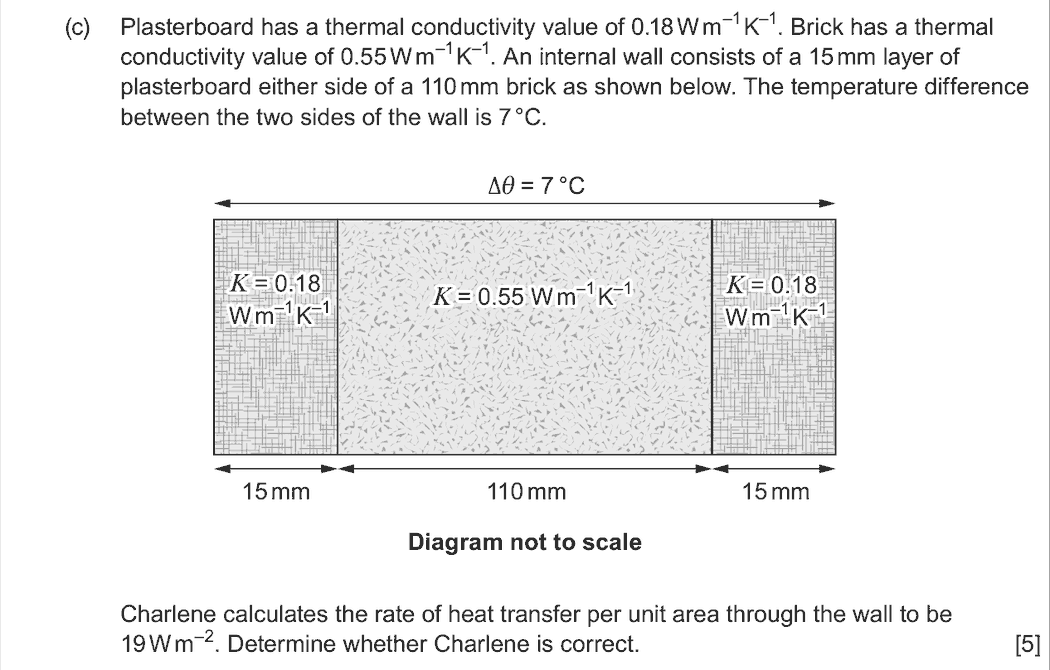
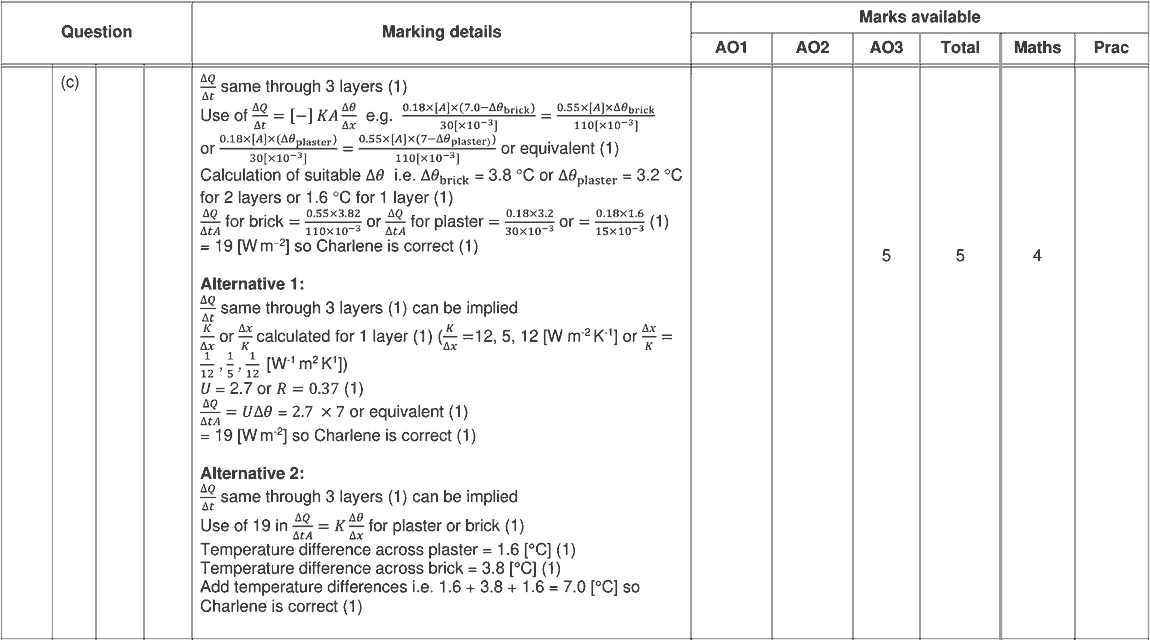
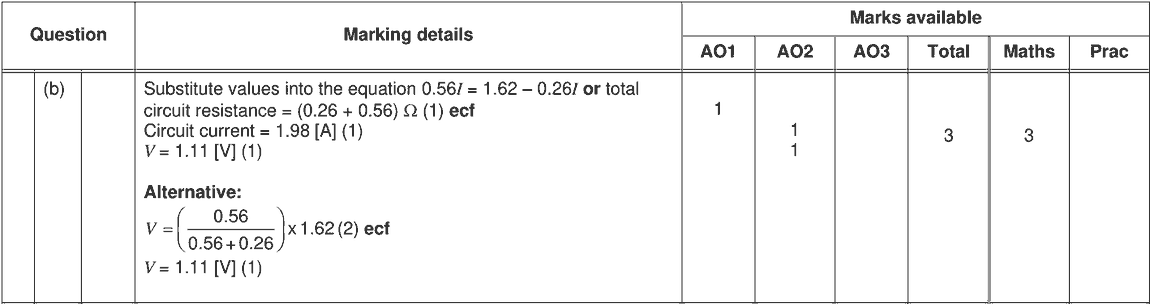
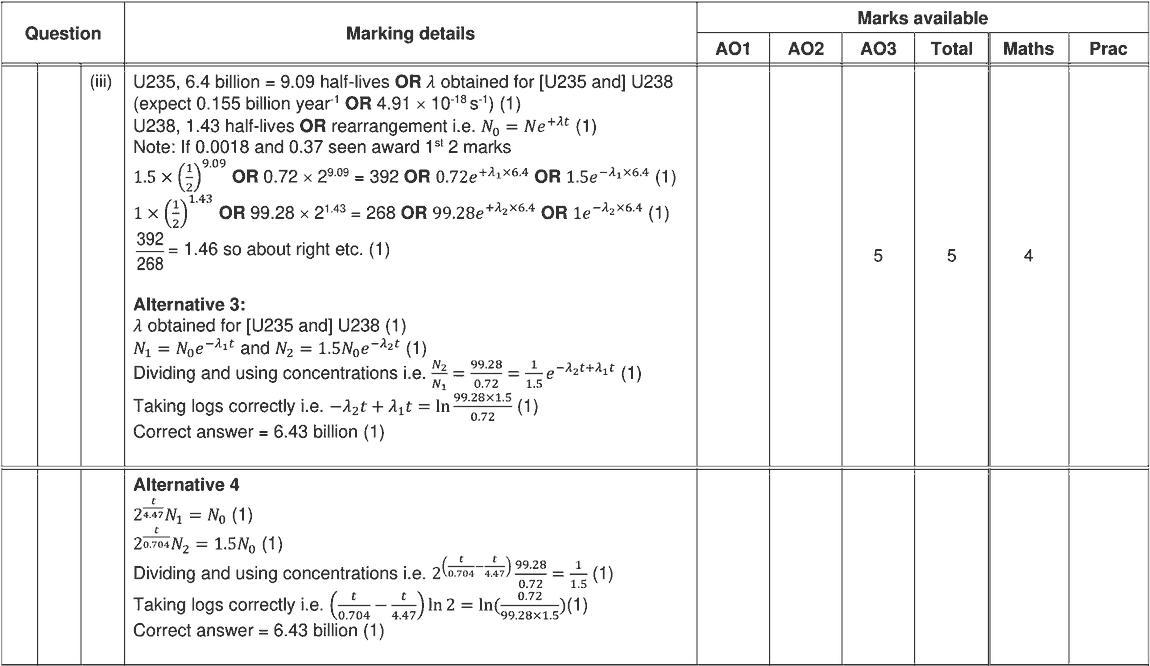
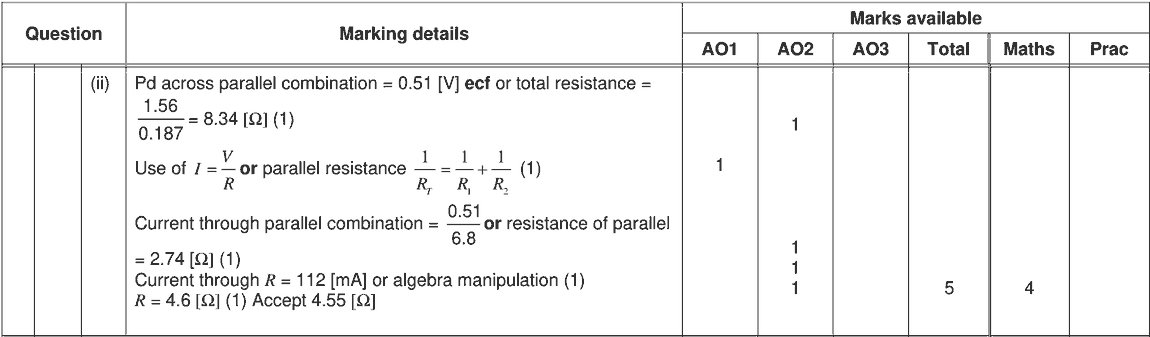
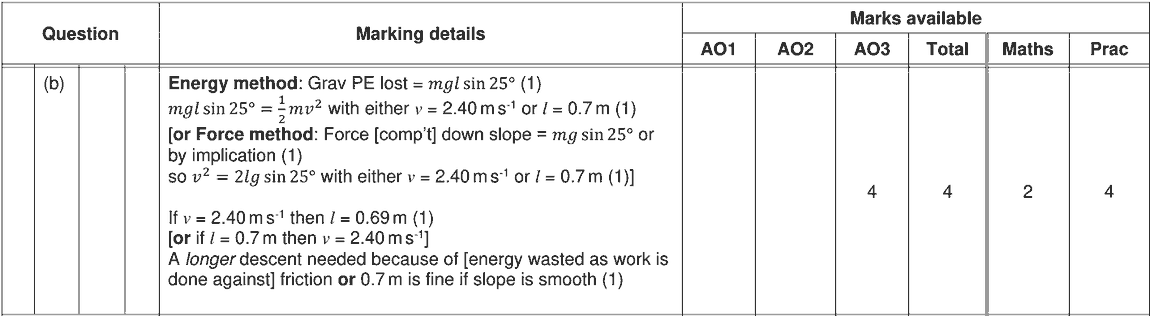
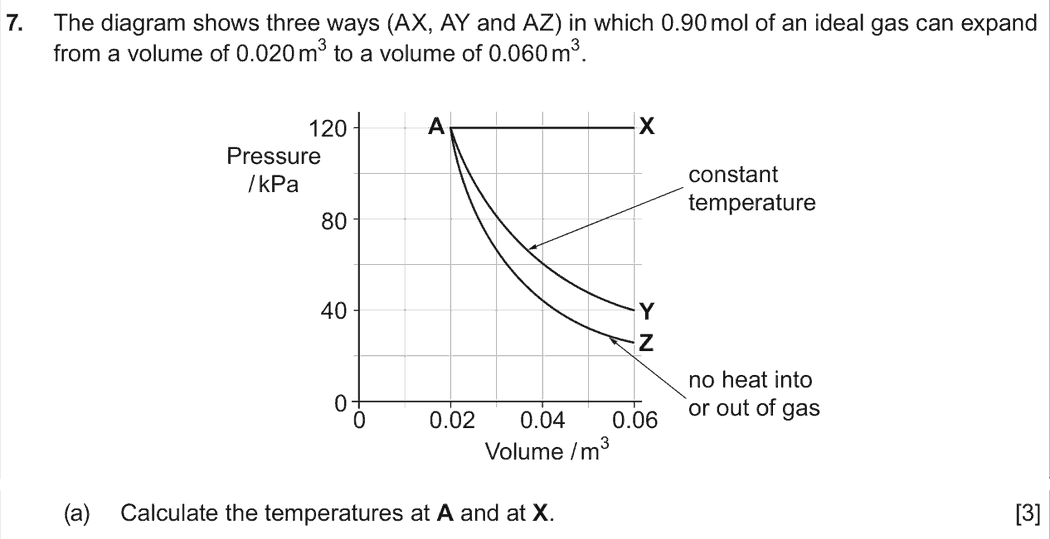
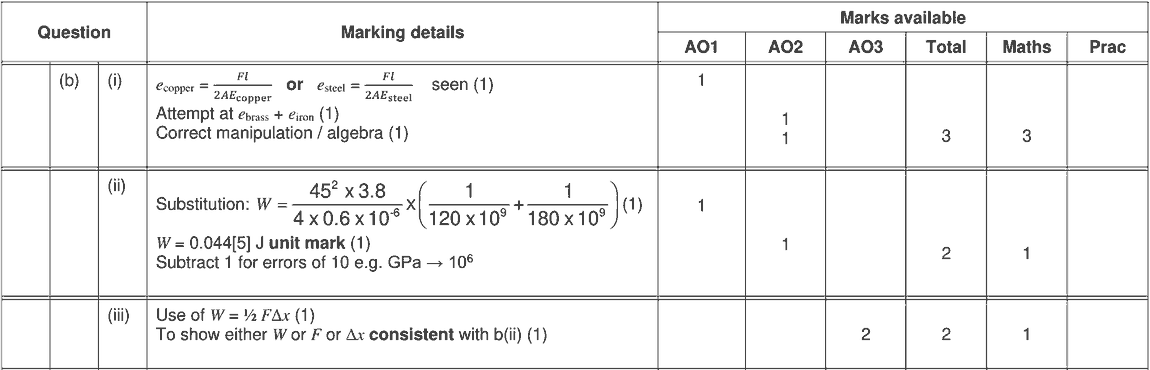
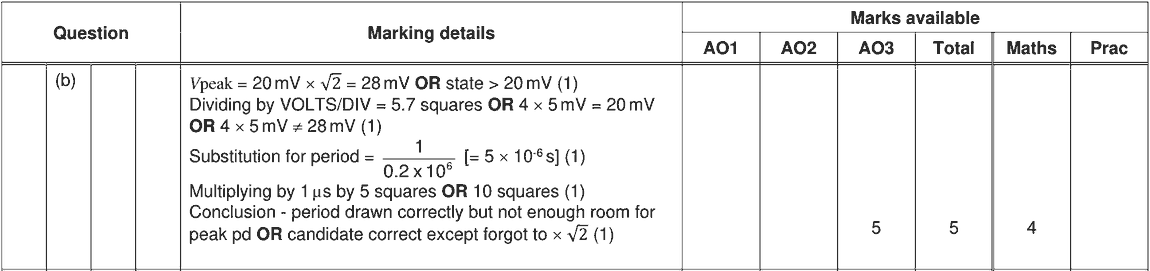
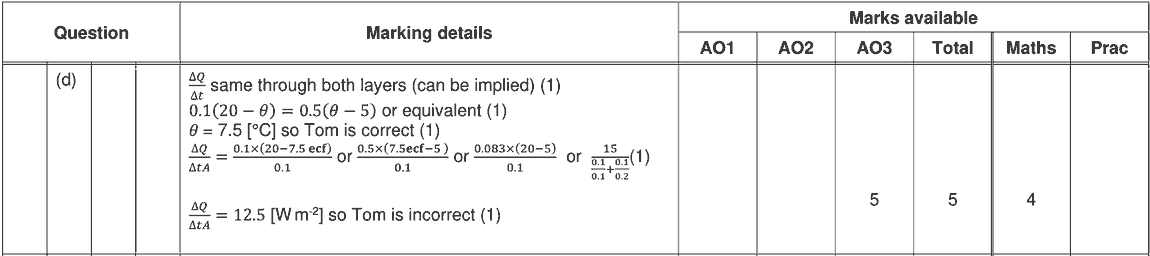
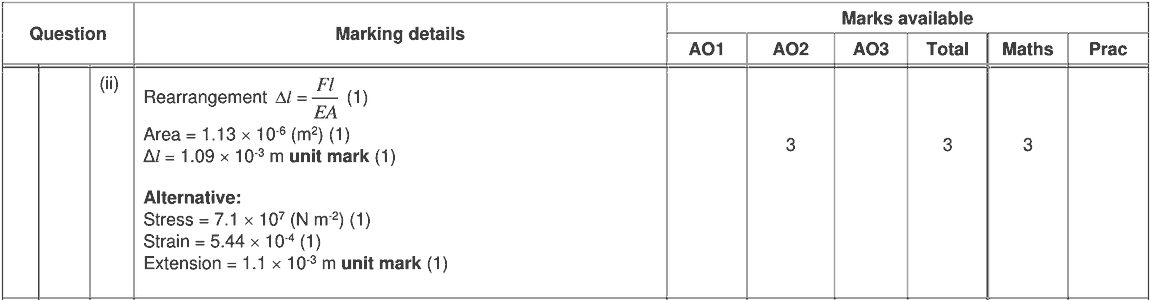
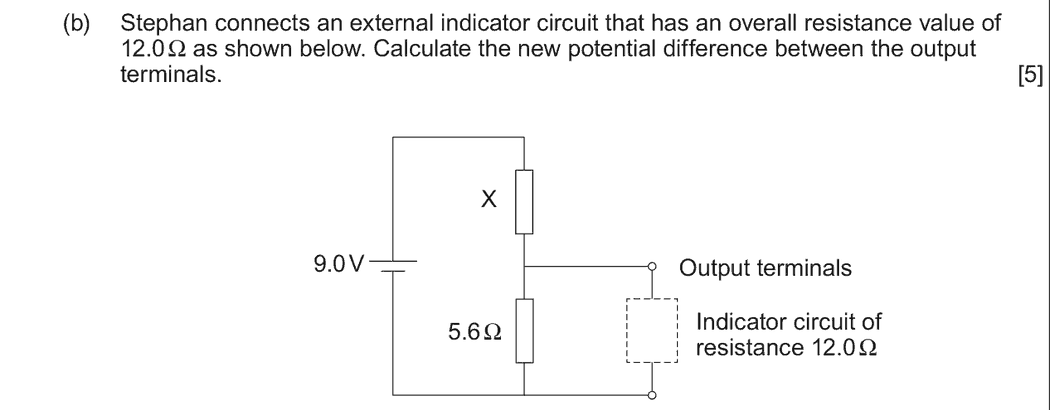
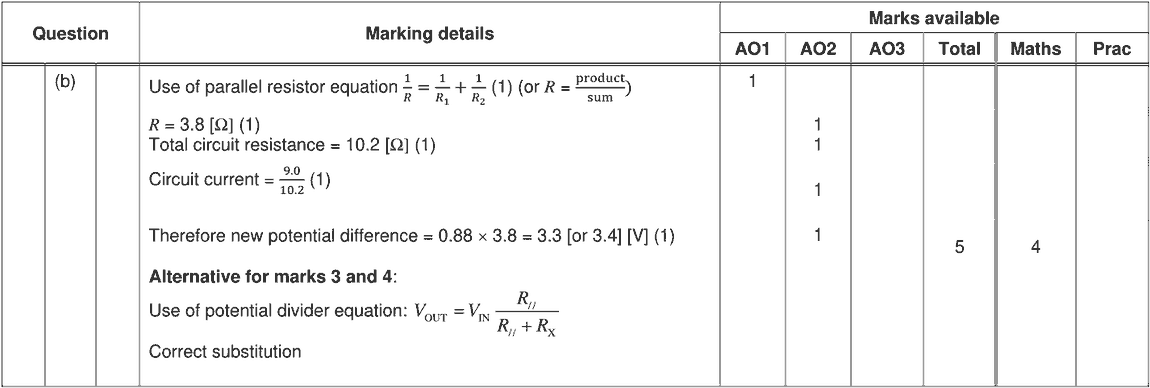
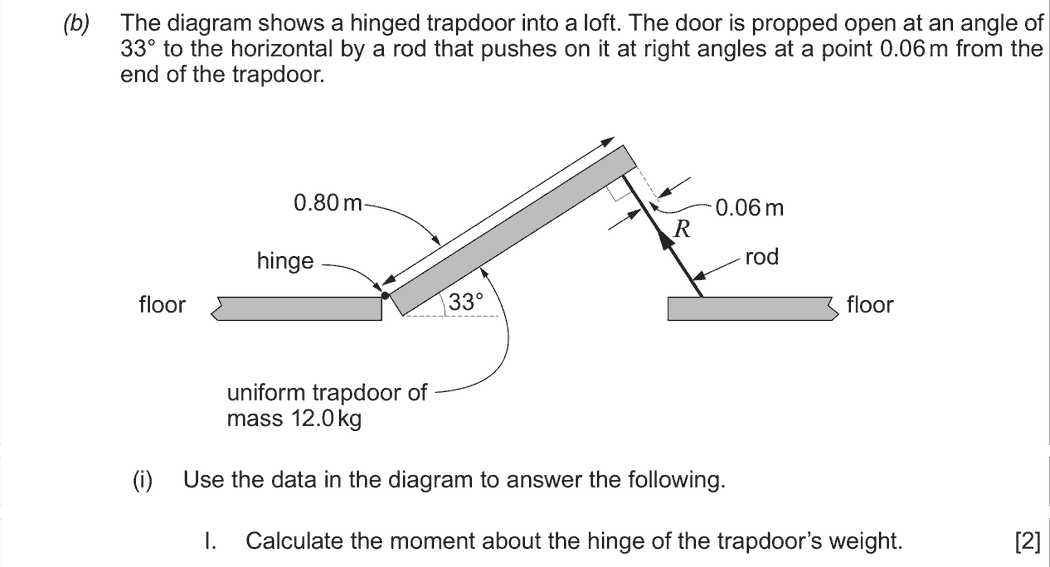
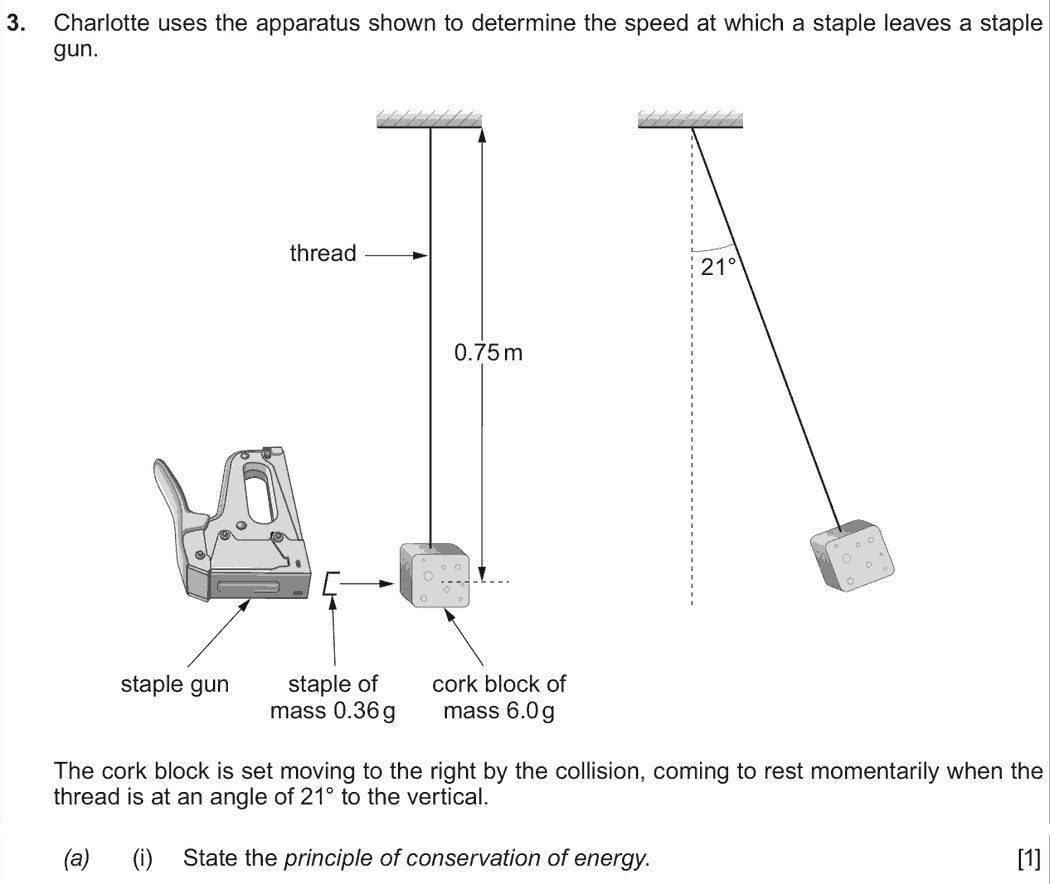
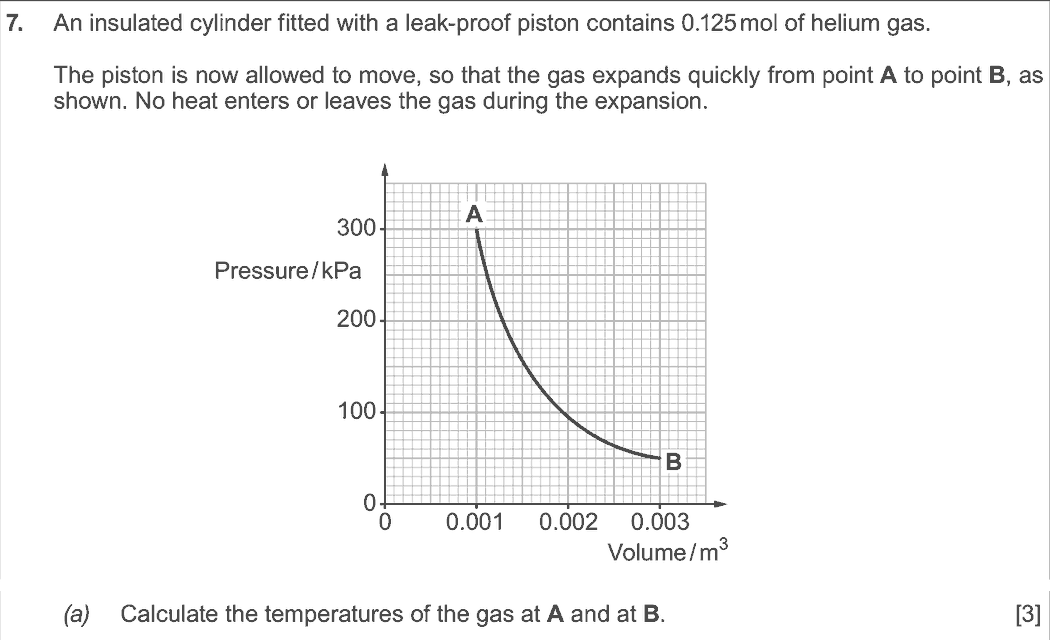
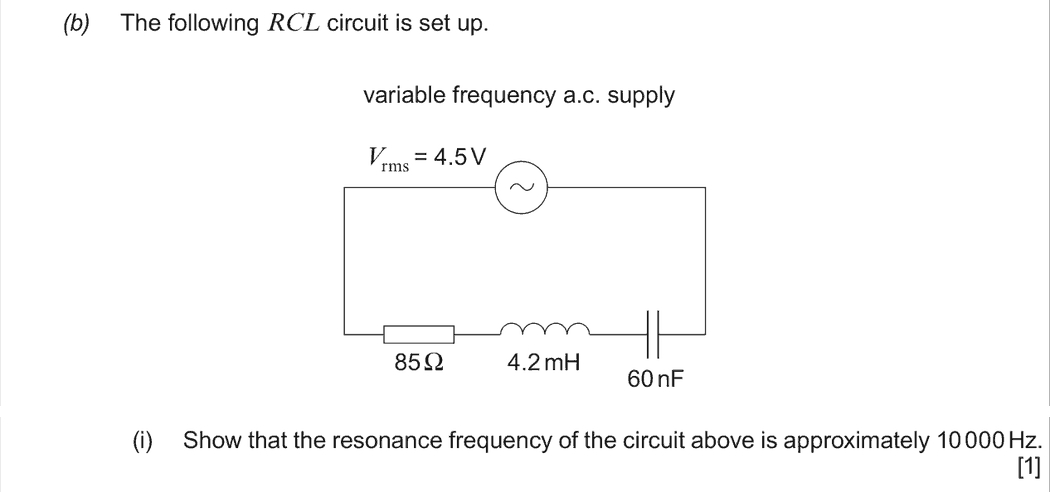
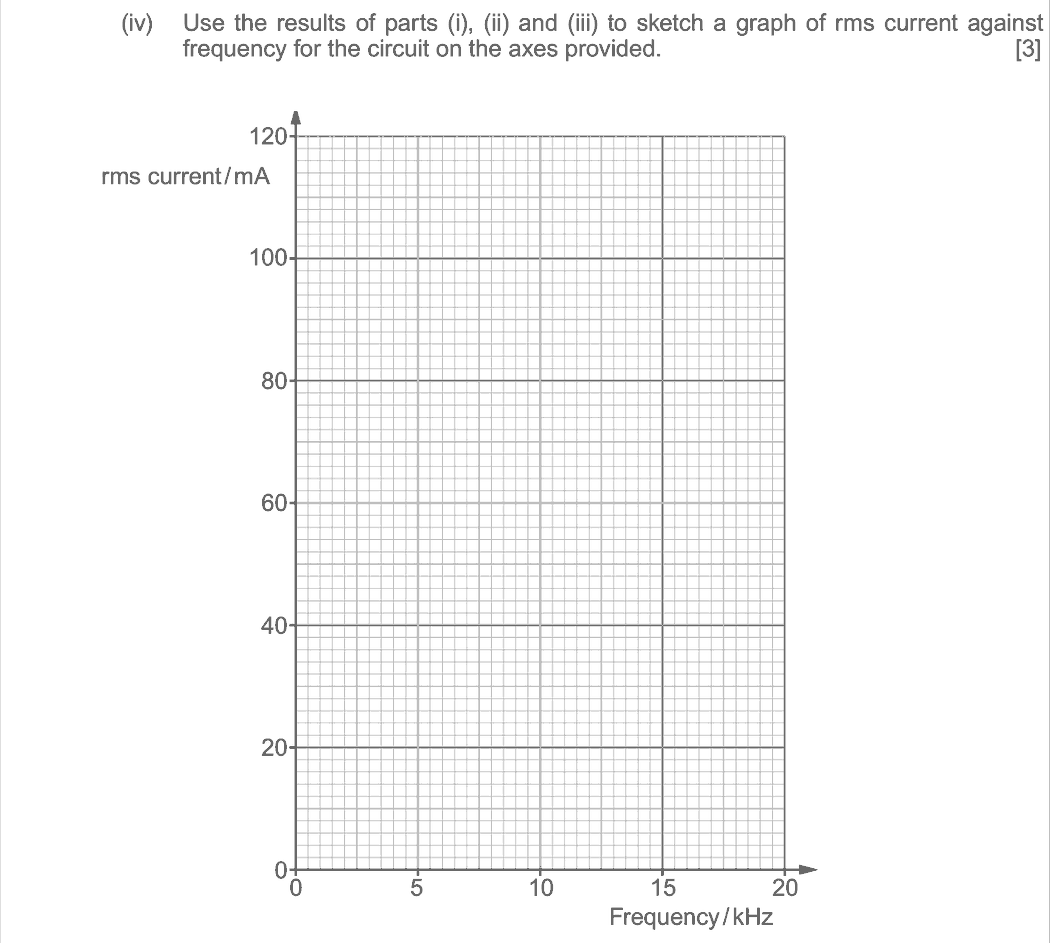
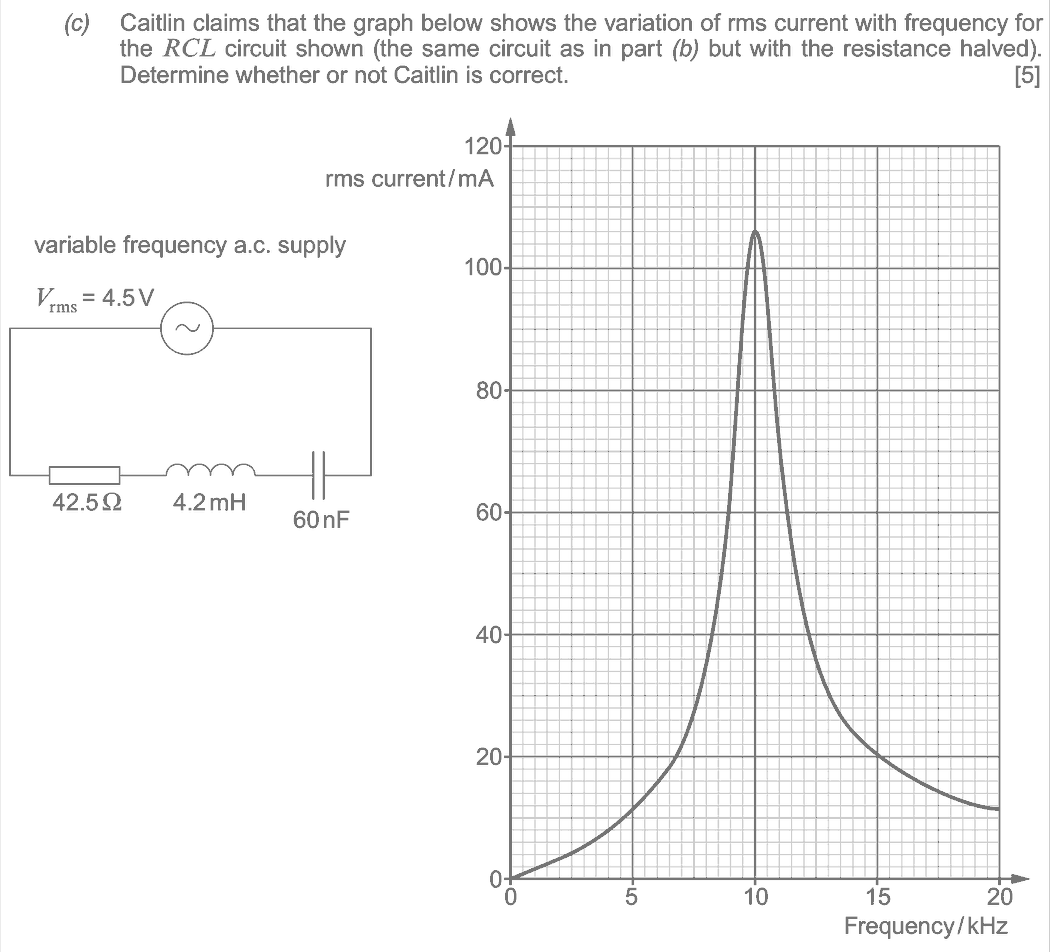
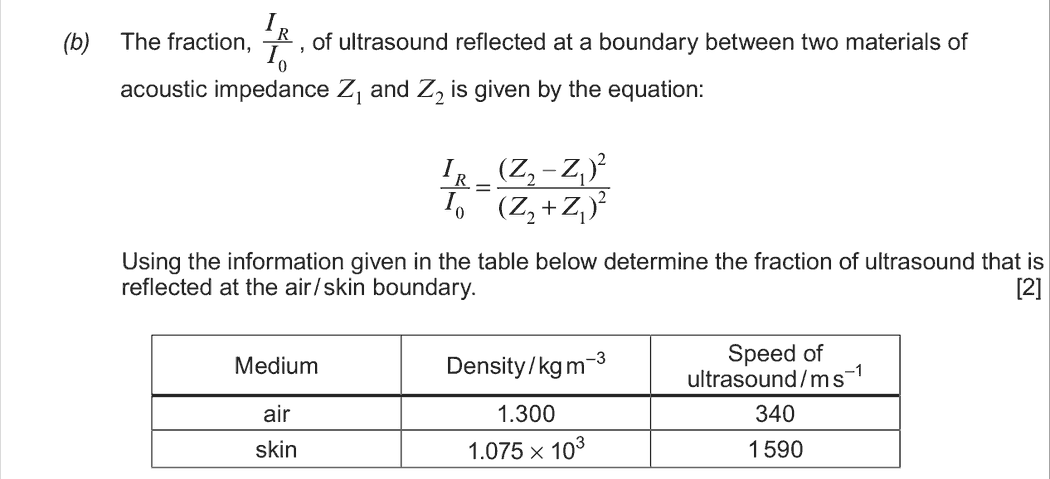
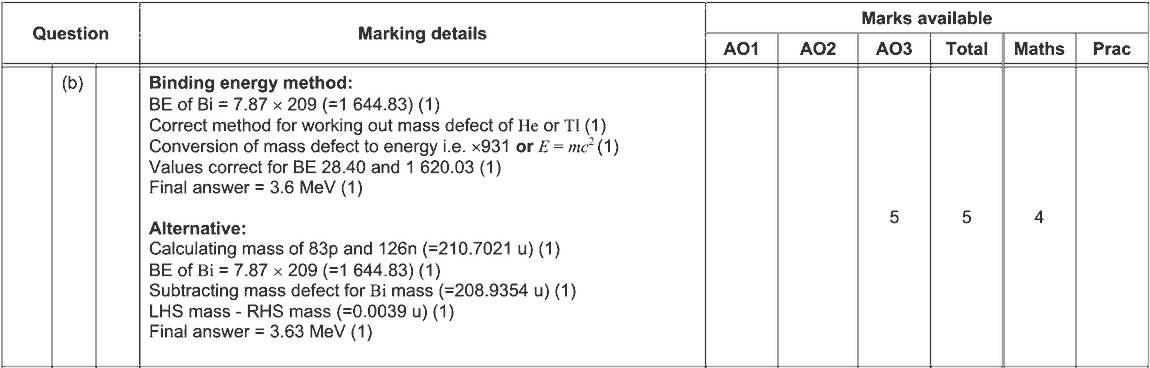
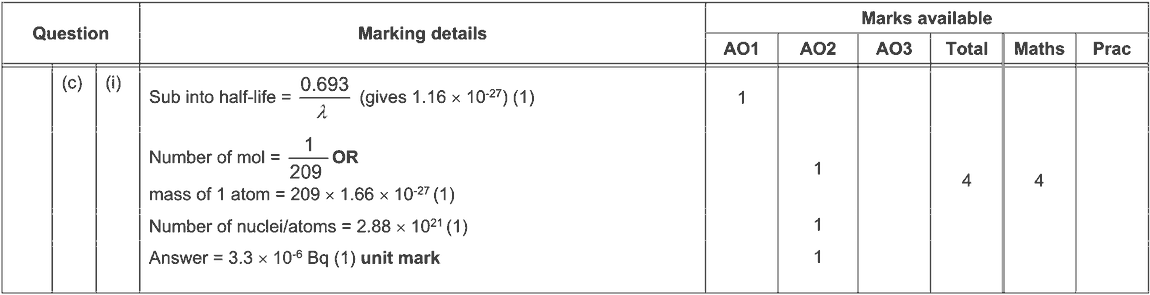
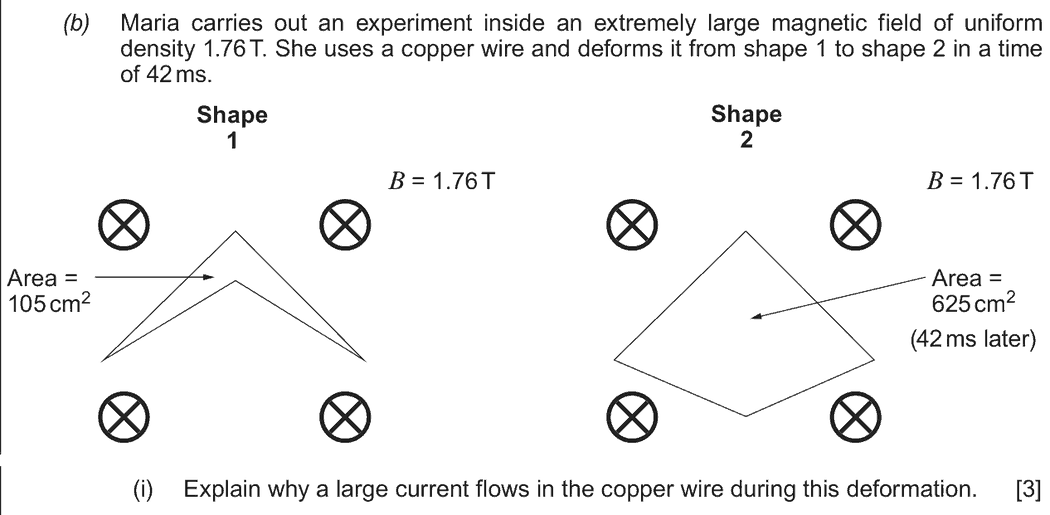
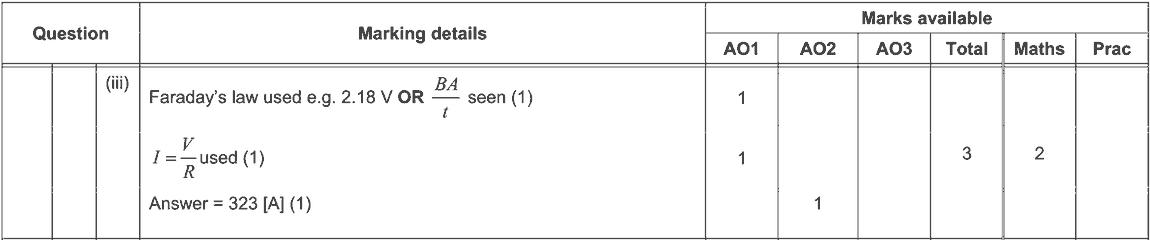
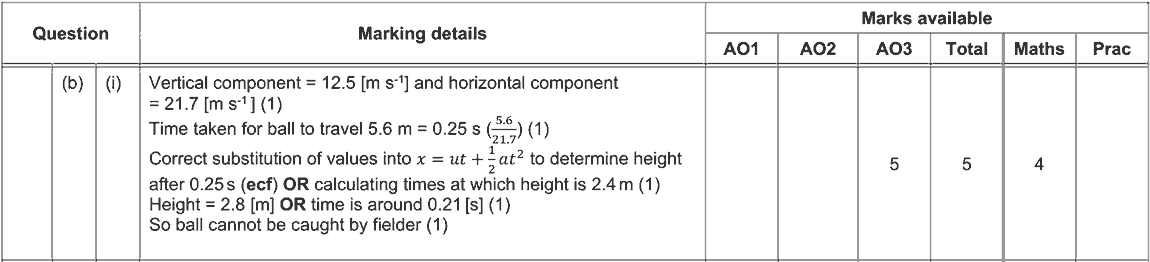
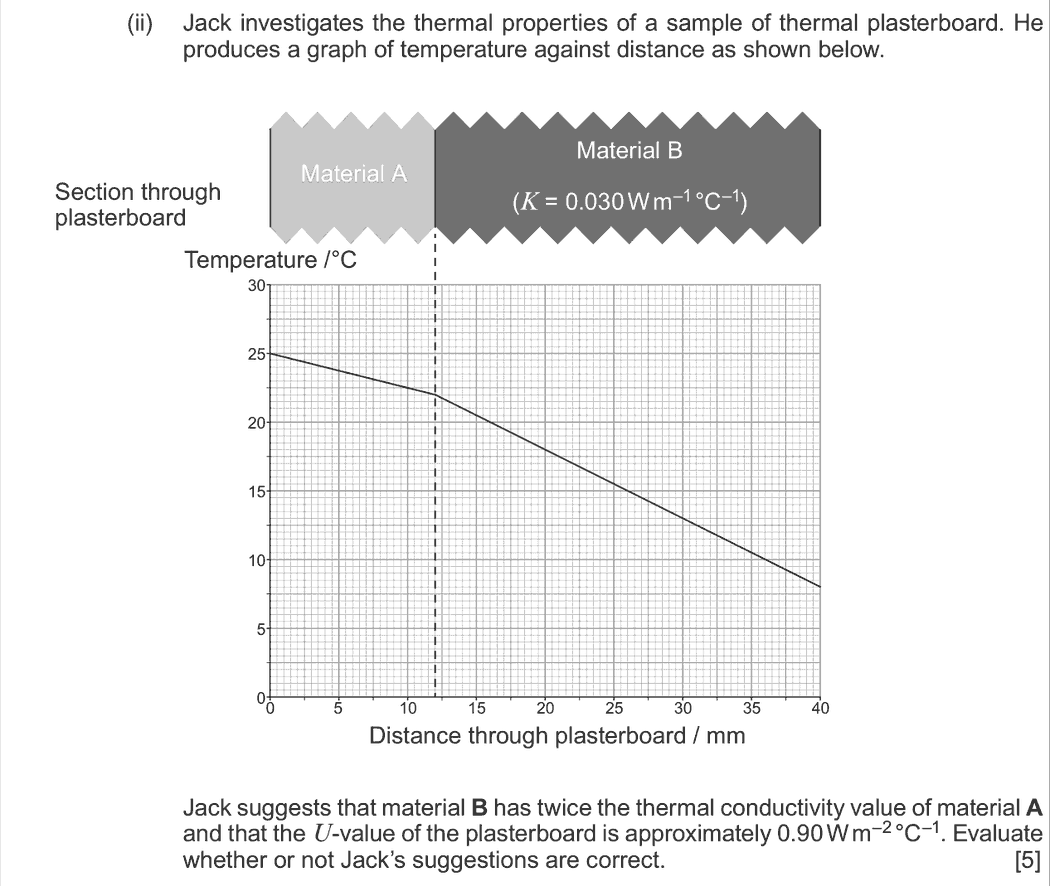
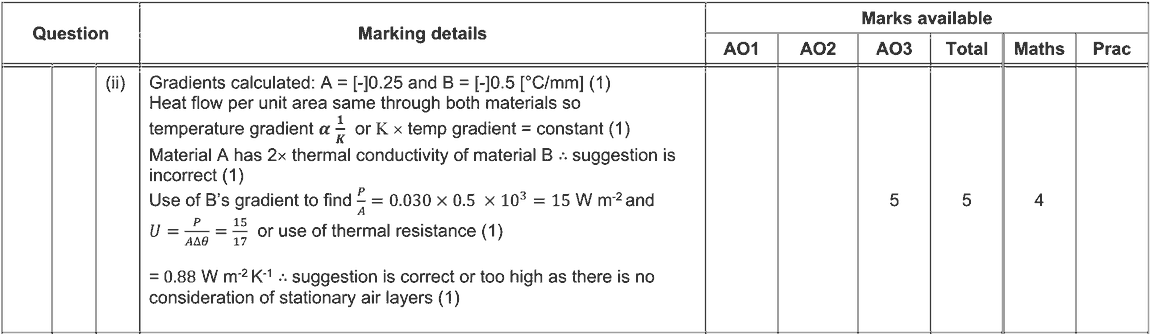
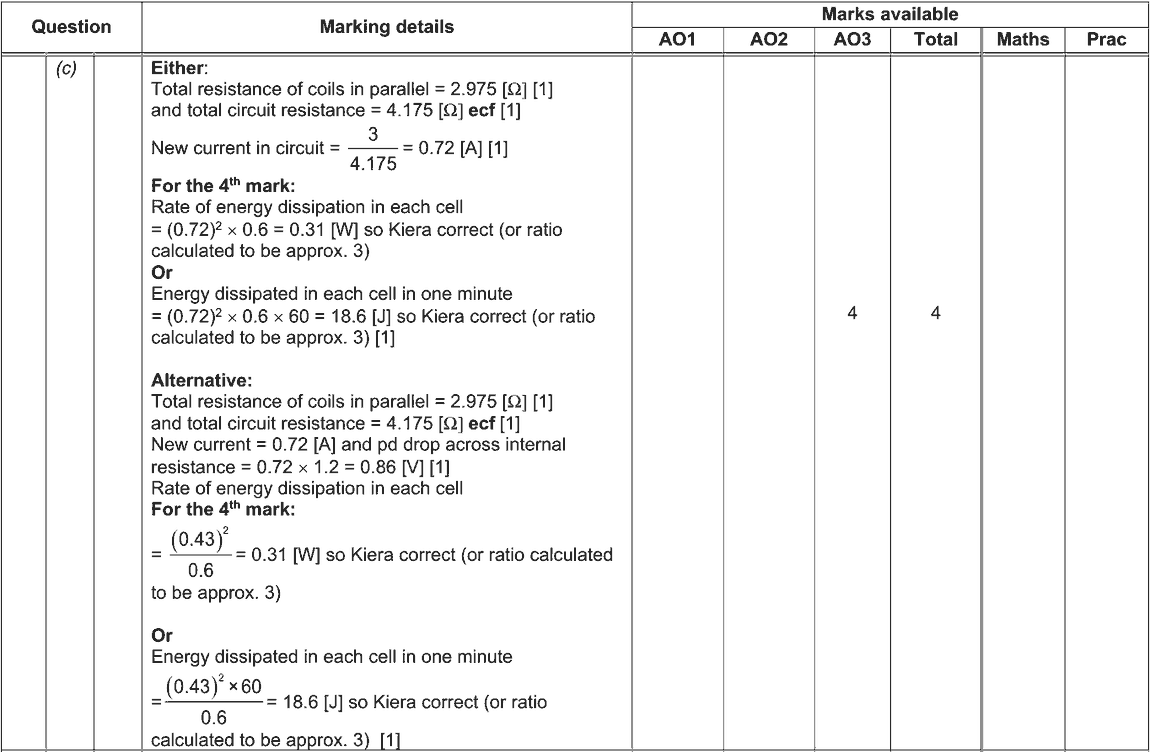
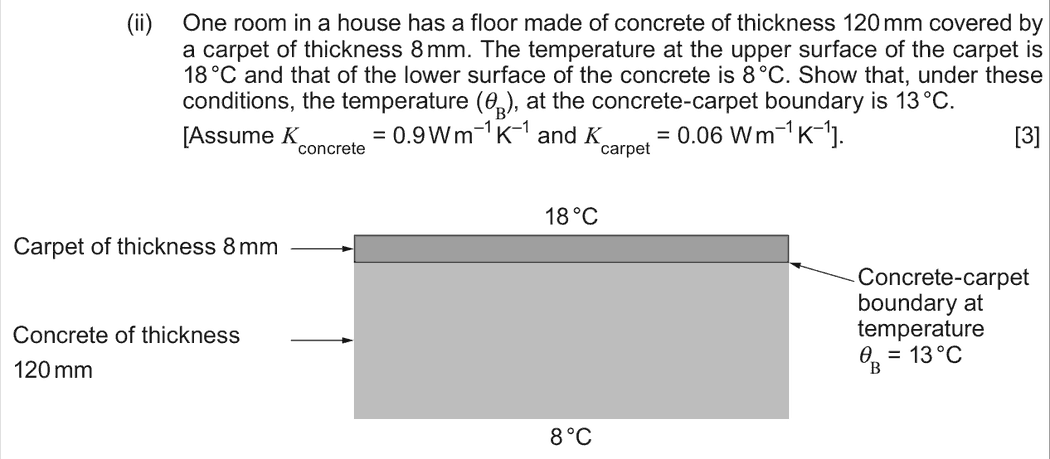
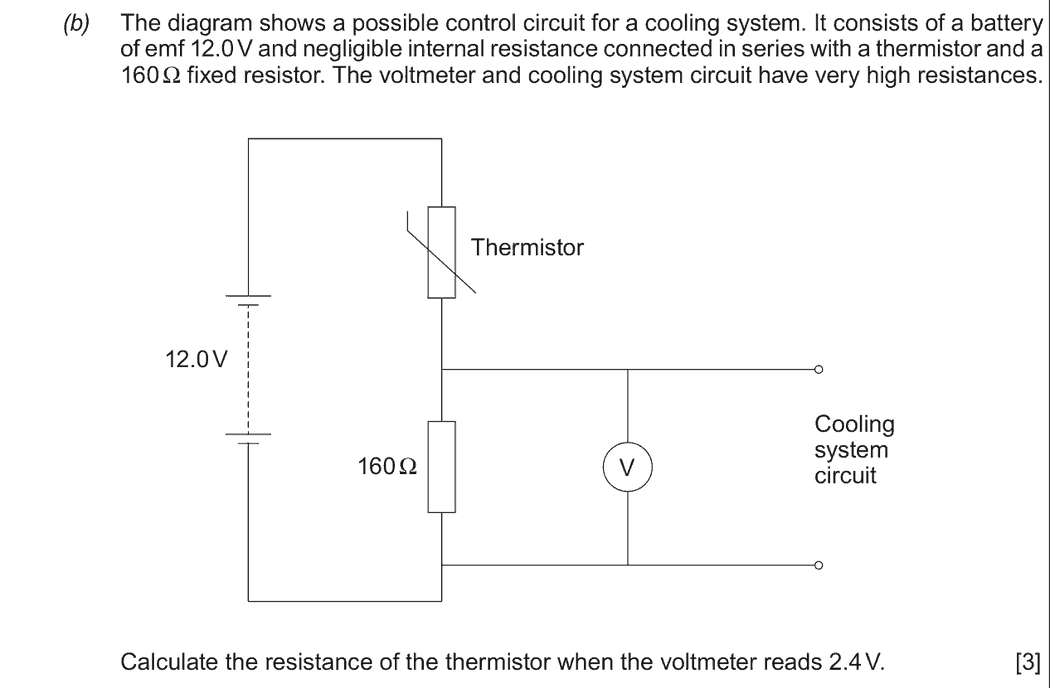
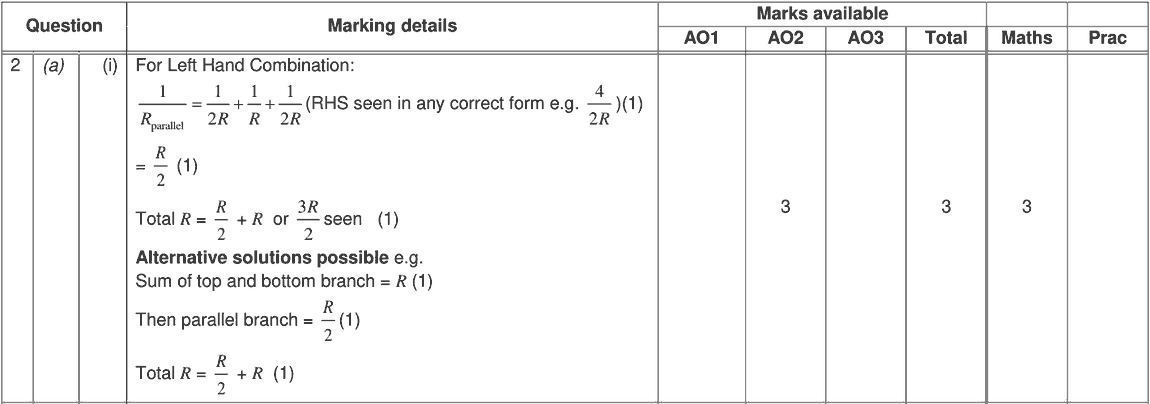
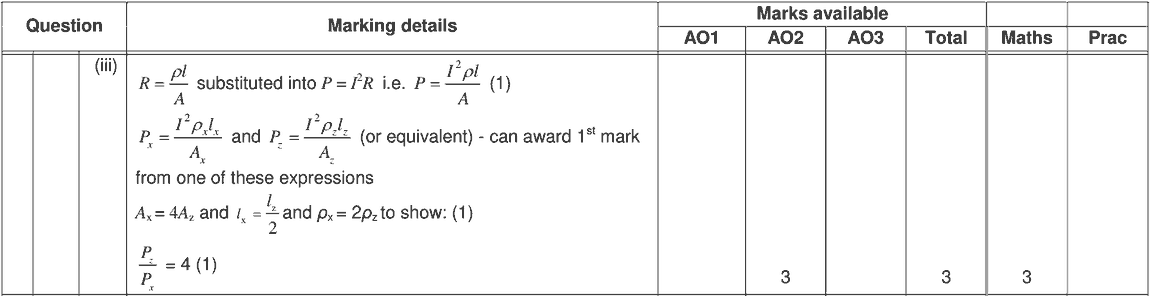
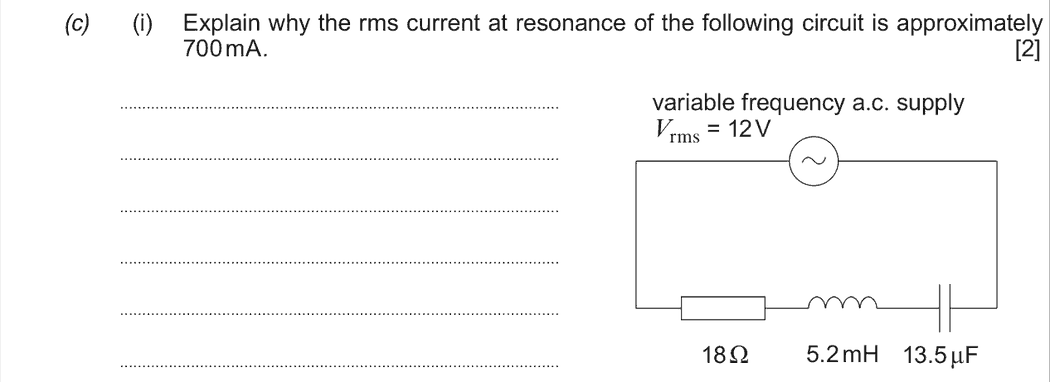
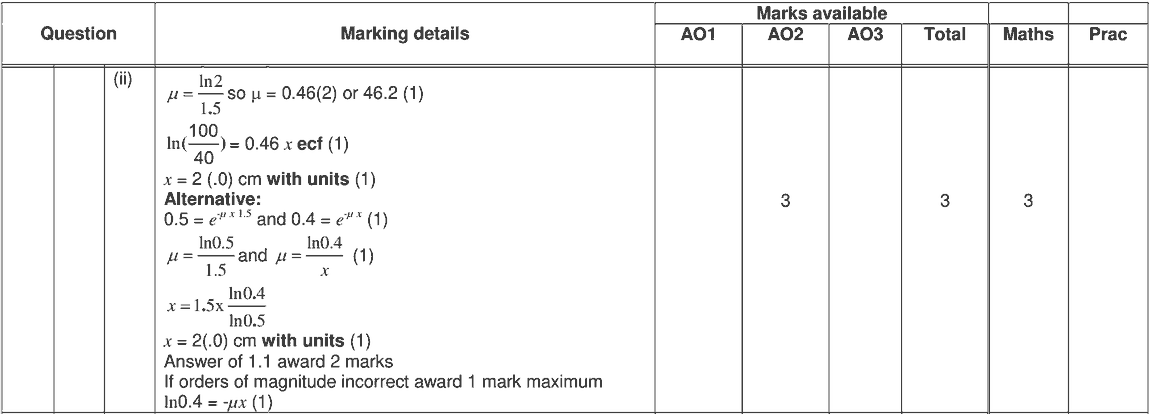
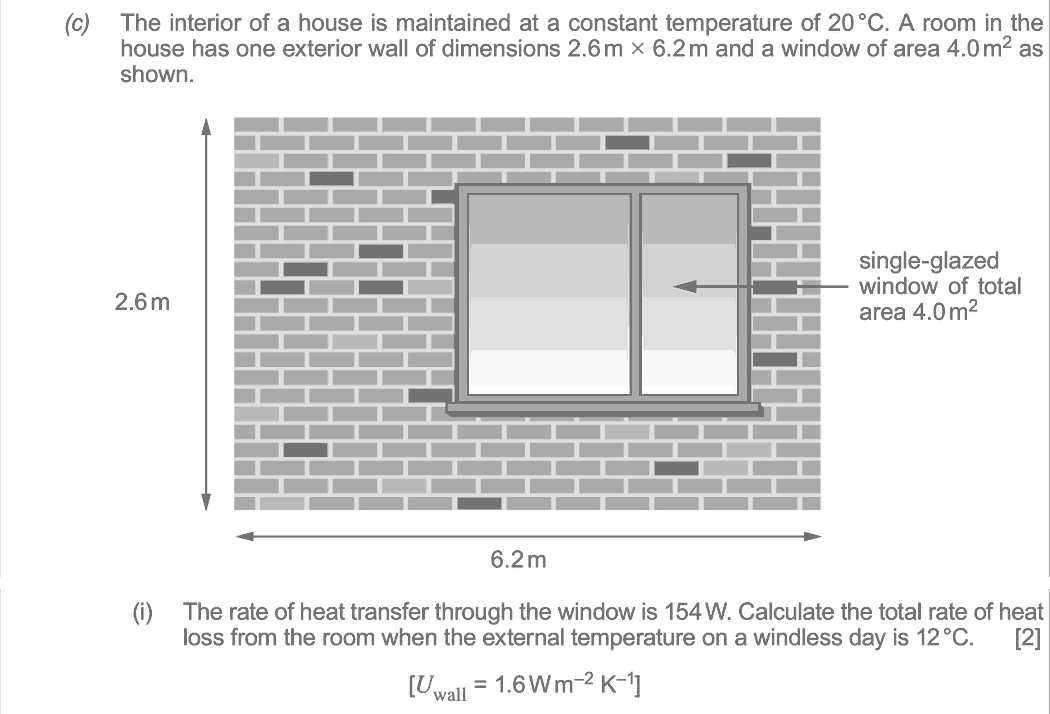
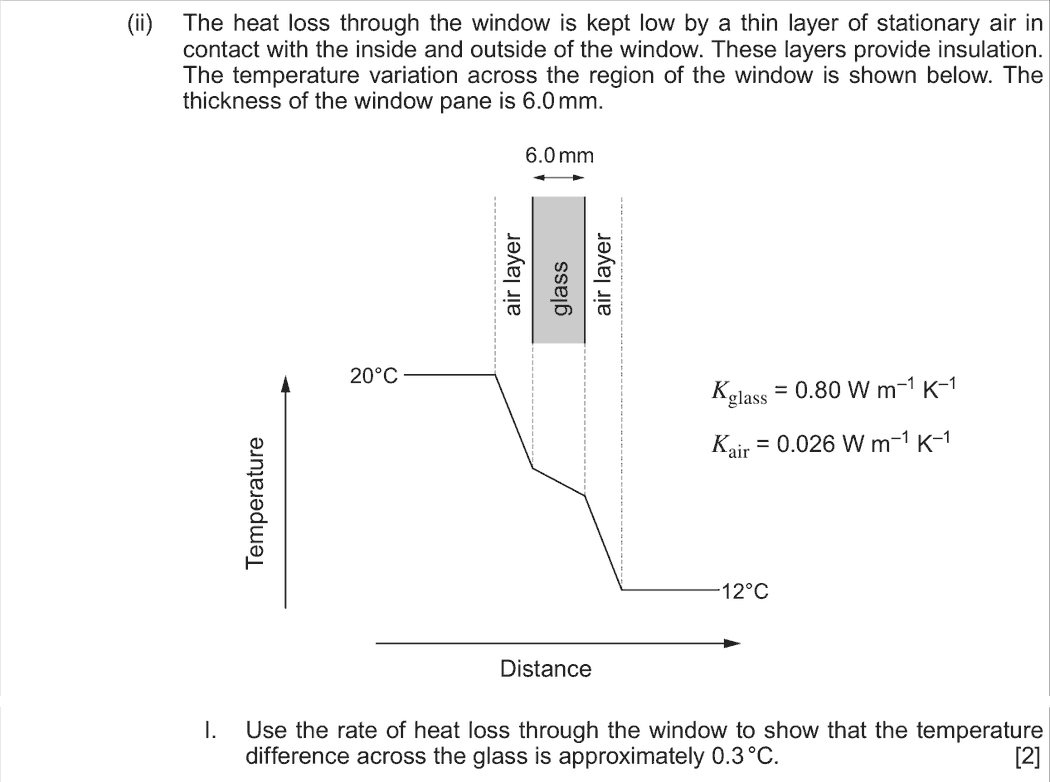
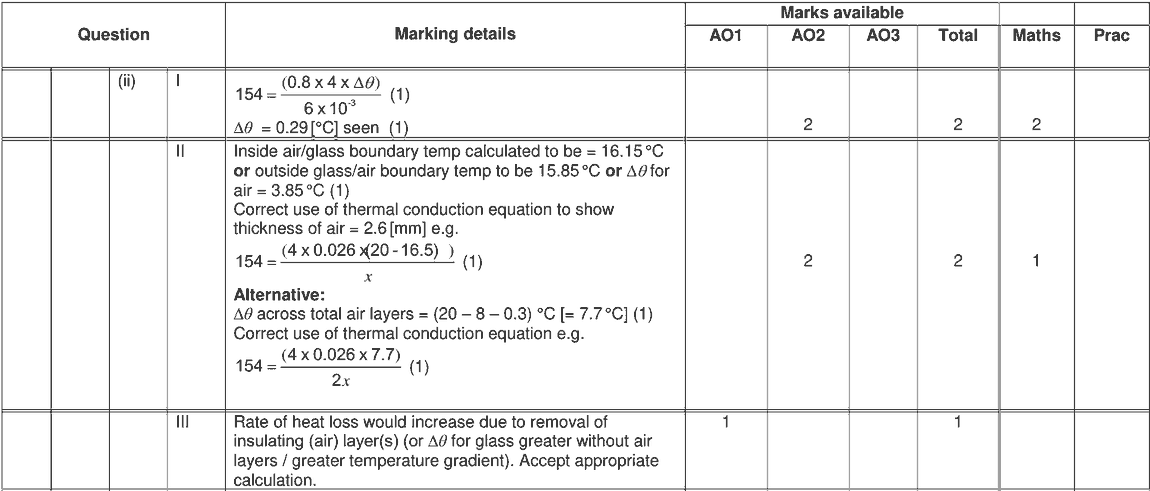
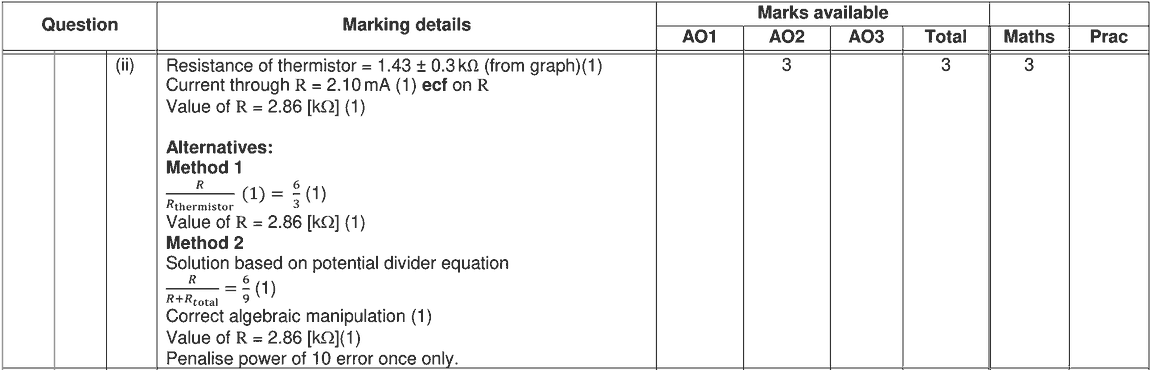
The final part allowed for many different paths by design and was a good discriminator. Candidates who indicated heat flow was the same throughout picked up the first mark. There were some excellent responses, however, a small number of candidates struggled with the algebra. There was a less algebraic method as outlined as alternative 2 in the mark scheme. Some candidates made good use of this method. This method was sometimes seen to be used as a second attempt for candidates. Some candidates thought that subtracting ‘0.18’ from ‘0.55’ resulted in an R value but they were not awarded any more than the 1st marking point. PHYSICS GCE A level Summer 2024 PRACTICAL ENDORSEMENT Overview of the Component A number of centres were observed, all of which demonstrated a good understanding of the requirements of Practical Endorsement. Aspects of good practice seen during the visits include: • A suitable plan of practical work. The plan was incorporated into Scheme of Work and was often also kept as a separate document, available to all members of teaching staff. A suitable plan showed the specified practical, the CPAC to be assessed in the practical, and the proposed time in the teaching year where it would be carried out. Please note this plan, with these details, must be available to the monitor if you are visited. The plan should also allow for the development of skills within Practical Endorsement and should cover all elements of each CPAC over the two years of teaching. It is not necessary to assess CPAC in every practical performed. • The maintenance of accurate and up-to-date Teacher and Candidate Records. This is vital. Most centres now record their outcomes in an Excel Spreadsheet, often showing the CPAC element. However, if teacher records do not show this level of detail (i.e. the element assessed) then teachers should annotate the candidate work showing the element achieved (e.g. CPAC 3(a)✓ or CPAC 3(a&b)✓). Monitors will always check to ensure all elements of each CPAC are covered and will ask teachers how they ensure all aspects of the skills are achieved by each candidate. • Candidates are aware which CPAC are assessed in a particular practical and understand what they need to do in order to succeed. • Practical books are used in ‘real time’ at the bench by candidates when collecting experimental data. We do not expect to see practical books which are in immaculate condition! Candidates should not write on scraps of paper and later copy the work up neatly into practical books. • There is simple annotation of the candidate work that shows where the candidate achieves or fails to achieve a CPAC, (e.g. with CPAC 3(a)✓ or CPAC5(b)). It is good practice to give feedback to candidates in order that they can improve on their skills in future. Feedback on how to improve may be given verbally or in writing. Important note: Many centres now record the CPAC element assessed in a practical which helps ensure all aspects of CPAC are covered. • Records of candidate performance show a progression in candidate attainment. It is not necessary for a candidate to succeed and obtain a CPAC every time. Early in the course there will be occasions where a candidate may struggle to achieve a skill. This should be reflected in the teacher records of candidate performance. We do not expect to see every candidate getting every criterion each time they are assessed. Indeed, when this happens there will be legitimate concerns about whether the work has been appropriately assessed. We expect to see that there are places where candidate work is marked ‘not achieved’. The key question is, ‘Is the candidate competent at the end of the course and not, is the candidate competent all the way through the course.’ • There is evidence of standardisation across all subject teachers where Practical Endorsement is delivered by a team of teachers. It is a requirement of Practical Endorsement and is recorded in the monitor’s report of the centre. Standardisation must be implemented for a centre to pass the monitoring visit. This standardisation may be carried out by cross marking of candidate work or by meetings in which some candidate work is discussed. Please expect questions on how you do this if visited by a monitor. A number of centres write descriptors of minimum standards necessary to achieve a CPAC in a practical. This is good practice and particularly helpful in large departments where there are many teachers of the subject. See for example, CPAC Pen Portraits on the EDUQAS website. Comments on individual questions/sections Assessment of Practical Endorsement Centres are reminded that in order to award a pass for Practical Endorsement, a candidate needs to ‘consistently and routinely meet the criteria’. Although this does not mean a candidate gets a CPAC every time it is assessed, it does means that a candidate develops these skills as the course progresses. In other words, there should be evidence that the candidate gains a pass for each CPAC statement on a number of occasions particularly towards the end of the teaching programme. It is important that suitable opportunities have been built into the assessment plan which allow candidates to generate this evidence. It is understood that some practical work will need to be carried out in small groups. If these practicals are used to assess candidates, each candidate must generate suitable evidence that he or she independently meets the criteria. Centres must give careful consideration to how group work is conducted so that individual candidates can be assessed on their own performance. Notes on assessment of CPAC The Monitor finds it difficult to expand on comments from previous years. It is important that centres read through these comments carefully to ensure they are compliant with our expectations. As a general rule, set high standards for the achievement of CPAC skills early in the course. Be clear on what you expect from candidates and ensure they understand why they have failed to meet the standard (if they fail) and they understand what to do to achieve it next time. CPAC 1 The assessment of this CPAC requires the candidate to correctly follow written instructions to carry out an experimental technique or procedure. In the vast majority of cases, the monitor accepted the teacher’s judgement unless there was strong evidence to suggest the CPAC was incorrectly awarded. Please note, where a teacher feels it is necessary to intervene and correct a candidate’s technique, explain the intent of an instruction etc. then the candidate should not be awarded the CPAC. CPAC 2 This is the most difficult CPAC for candidates to evidence since it involves higher level skills. Your plan should show you know where and when you are going to assess each element of this CPAC. It is also important that sufficient time is given to candidates to develop the necessary skills before assessment occurs. Generally, we do not expect to see this CPAC assessed in the first two terms of an A level course. However, we do expect to see evidence of some assessment of this criterion by the end of the first year of the A level course. This skill may be evidenced by a candidate planning to carry out a procedure and then adapting their approach, as necessary. It is not necessary to assess every element of CPAC2 each time this CPAC is assessed. However, it is a requirement that each element of CPAC2 is met during the course. If you are monitored, the monitor will look at the coverage of each element. CPAC 3 Please select practicals where there are some significant safety issues for candidates to comment upon when assessing this CPAC. Do not use practical work to assess this where hazards are minimal. It is not necessary to assess this skill every time a practical is completed. CPAC 3(a) requires candidates to identify hazards and assess the risks associated with the hazards. A simple written risk assessment is the easiest and best way of evidencing this aspect of the skill. CPAC 3(b) should be assessed by observation of candidates’ conduct during a practical session. CPAC 4 This CPAC deals with both qualitative and quantitative data. There are multiple opportunities in physics to both develop and assess this skill. CPAC4(a) making accurate observations. Ensure that the following points shown are borne in mind when assessing this CPAC: • Observations should be made directly into candidate practical books / spreadsheet. Do not award this CPAC if the candidate writes results on to scraps of paper to copy up later. • Do not award this CPAC if you provide a template table to the candidates for recording results. Templates may be useful to teach candidates a good approach to recording data early in the course but when it comes to assessment candidates must devise their own tables. Where necessary, remove table templates to allow candidates to construct their own. • The tables which candidates construct must have appropriate headings and units, where relevant. Please maintain hight standards here. It is perfectly possible for all candidates to achieve this. • The units must be written in the table column head and not in the body of the table. If units are missing, do not award criteria. CPAC4(b) obtaining accurate, precise and sufficient data ....... Please carefully check candidates’ data. • Is it recorded to appropriate precision? Occasionally some centres are too lenient on this. If data readings are not consistently recorded by a candidate, then do not award the criteria. Make sure that recordings are to the correct number of decimal places. Be particularly careful to check that candidates are recording readings from an instrument correctly. You should be walking around the classroom checking on candidates as they record their values. • Is there sufficient data? Is the data what you expect? Please set suitable standards at the beginning of the course. It does not matter if a candidate did not always achieve the criterion. CPAC 5 This important higher-level skill should be assessed from early in the course. There is no shortage of suitable assessment opportunities. CPAC 5 has two elements: