Examiner's comment
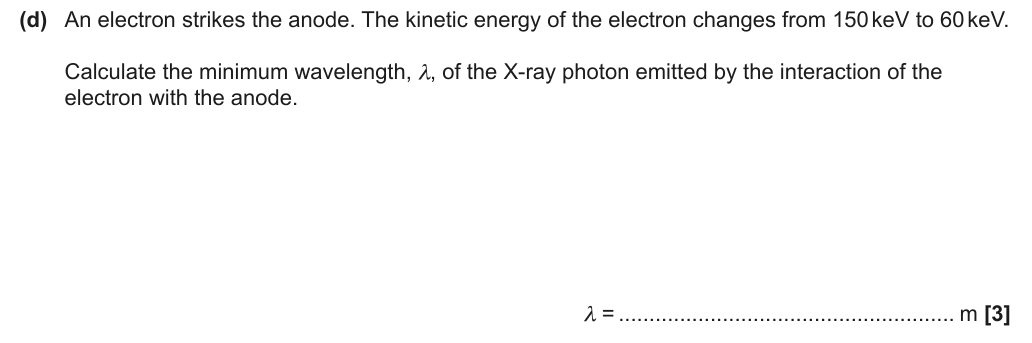
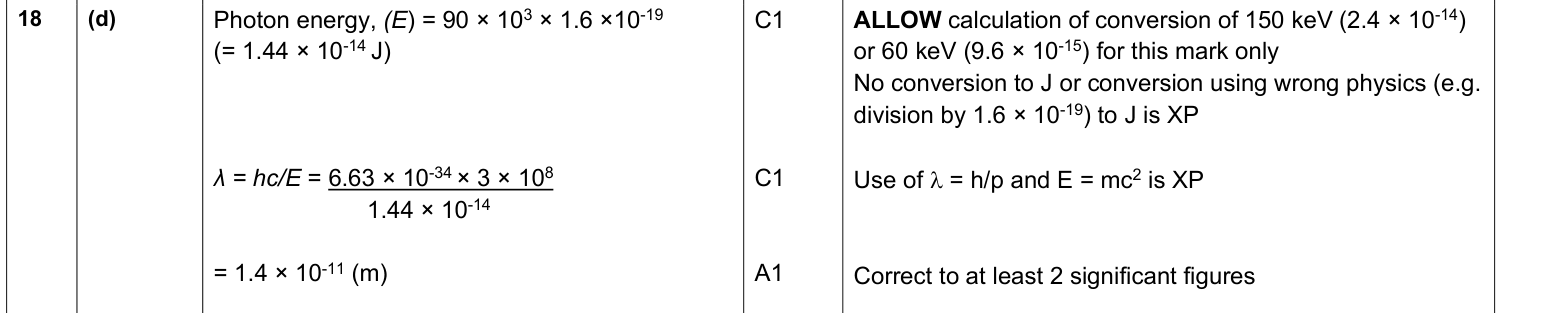
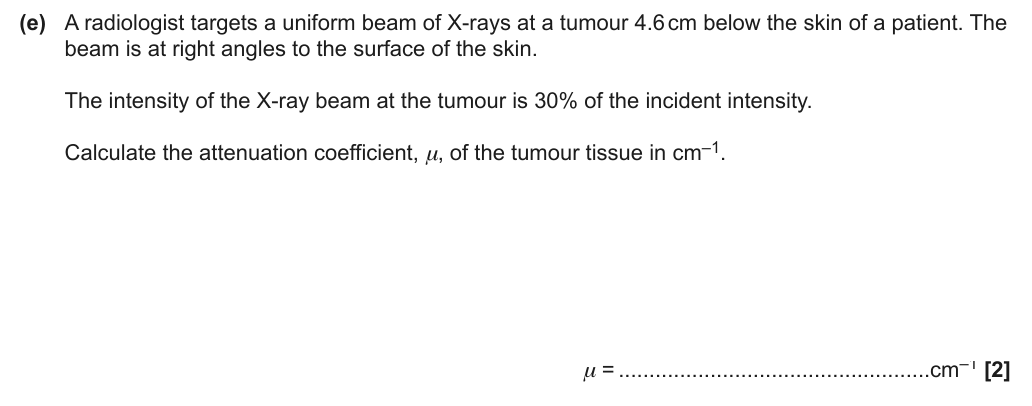
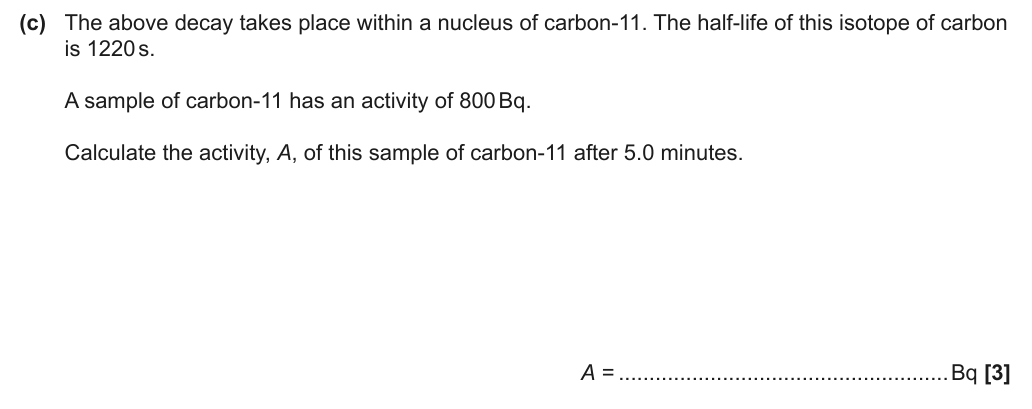
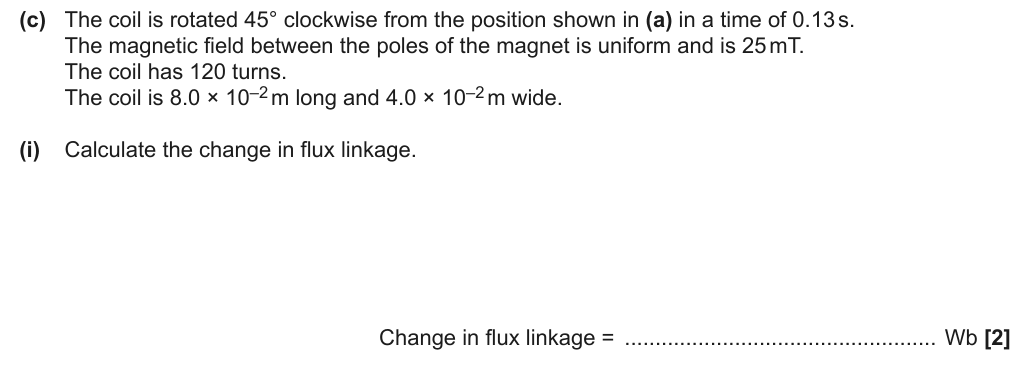
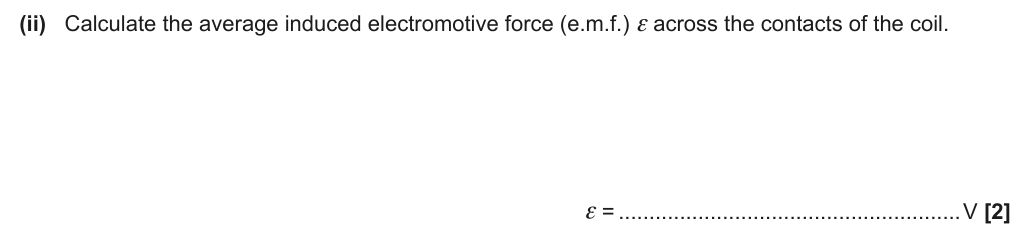
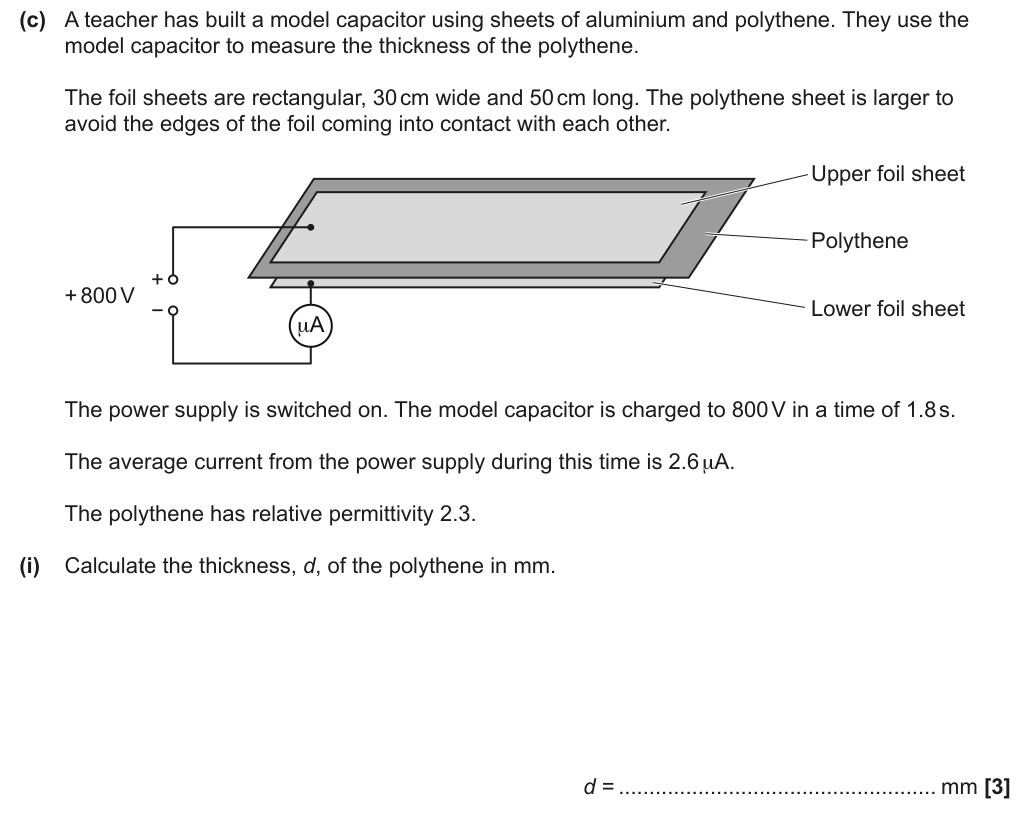
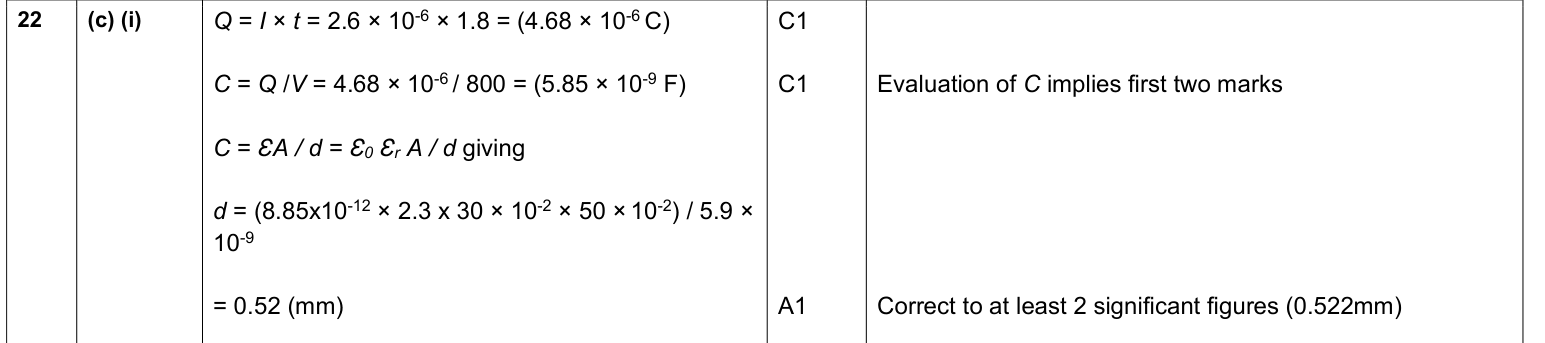
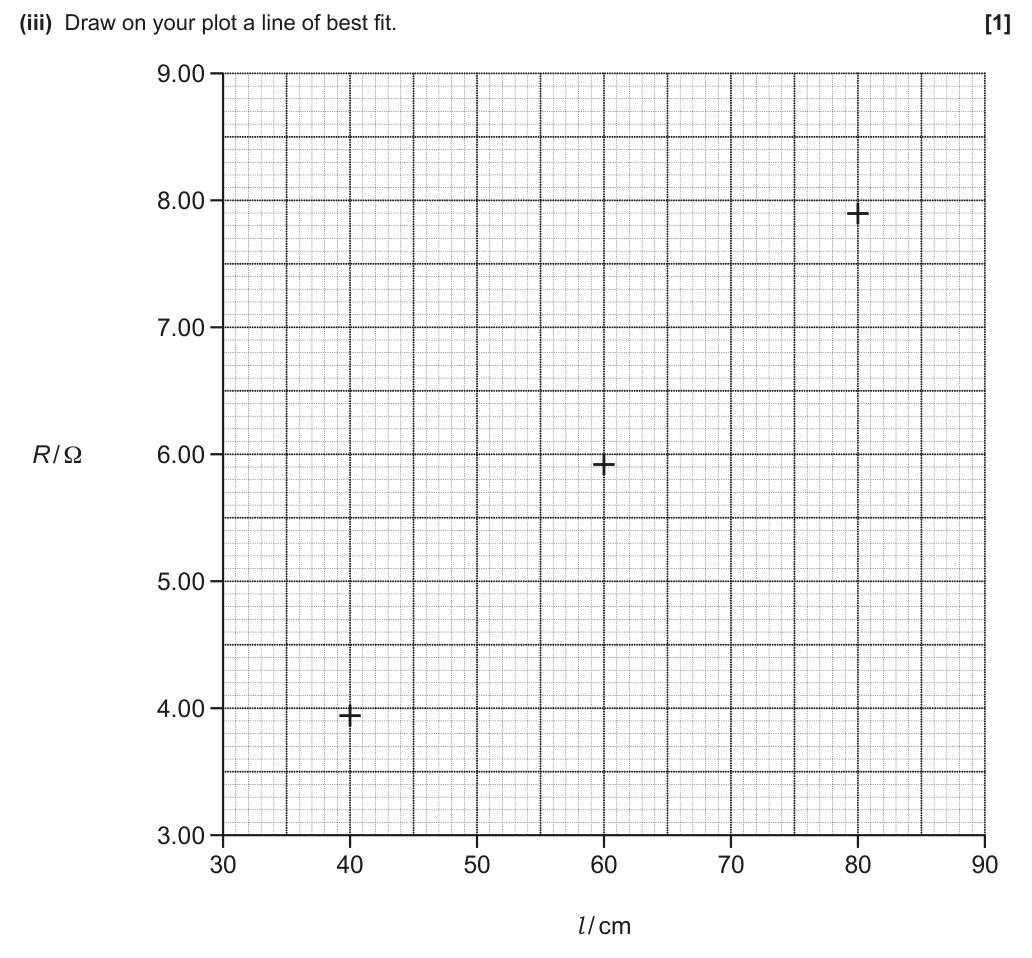
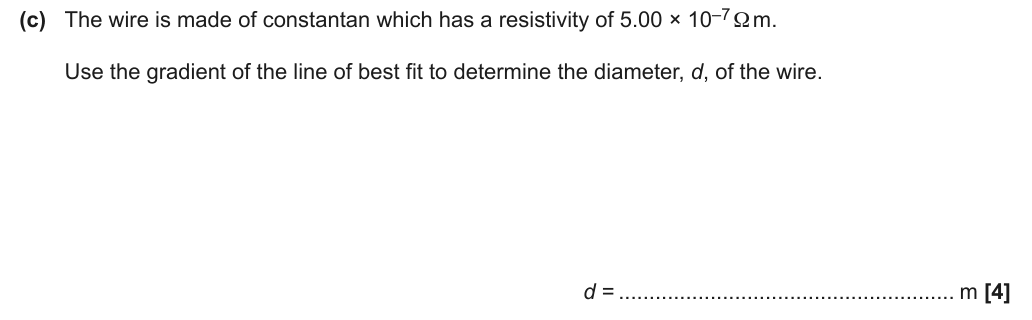
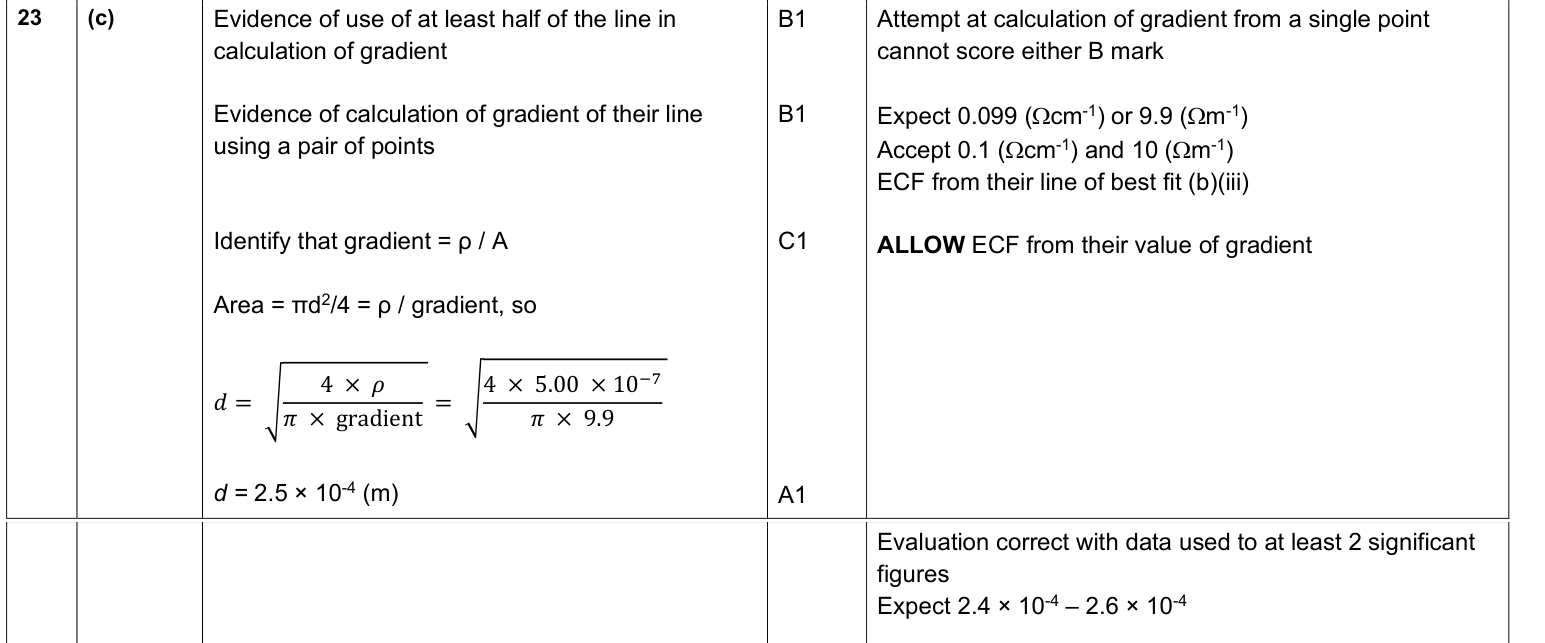
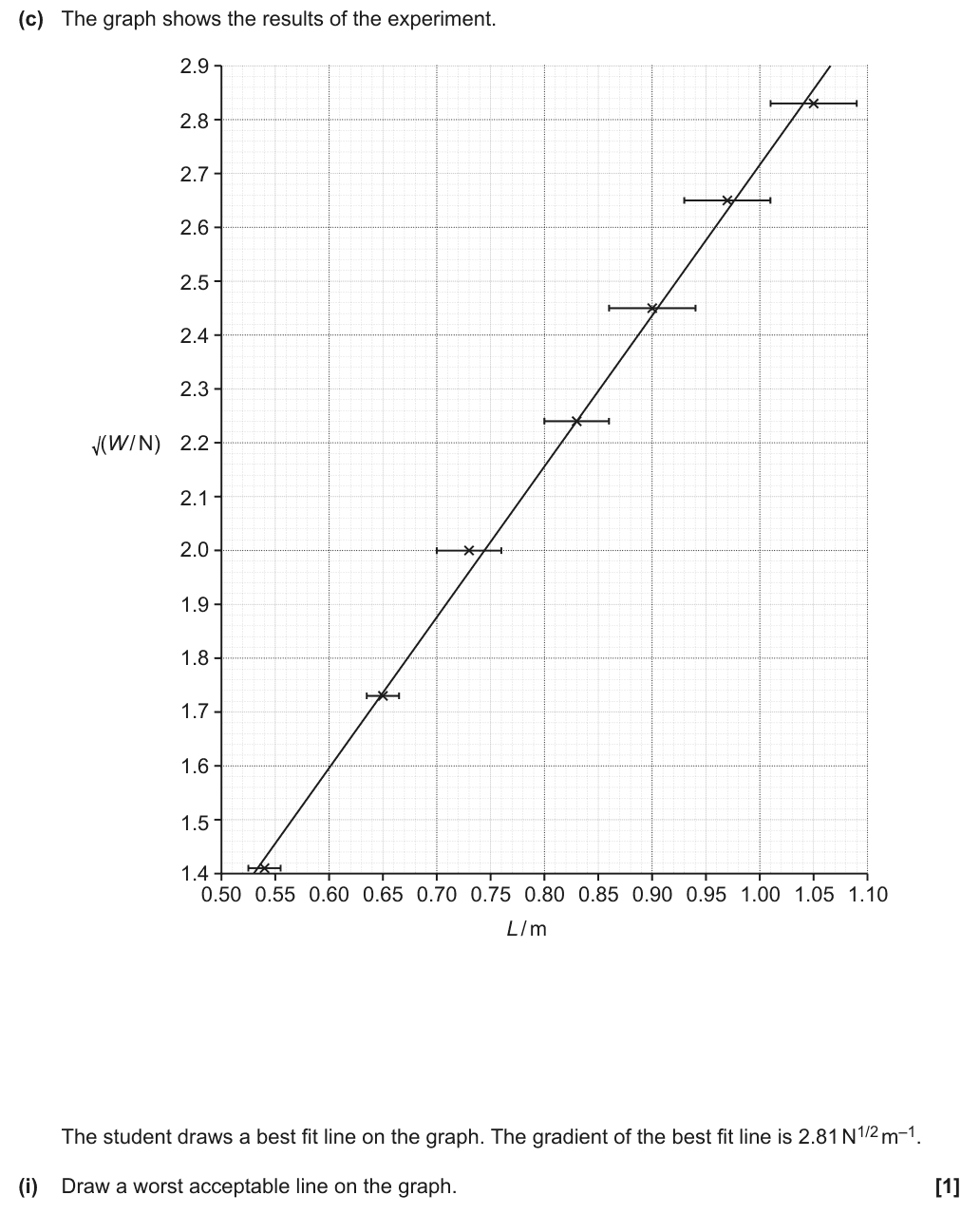
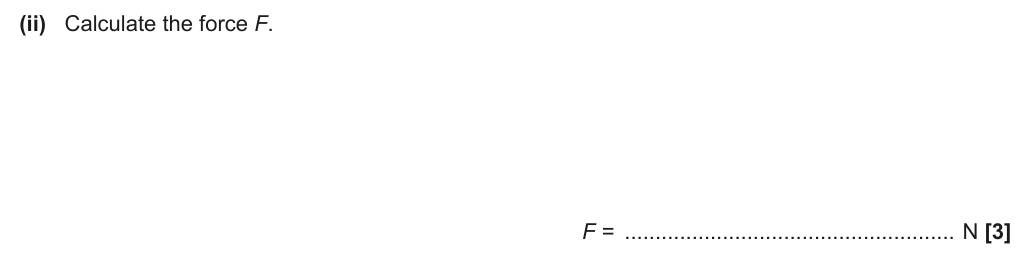
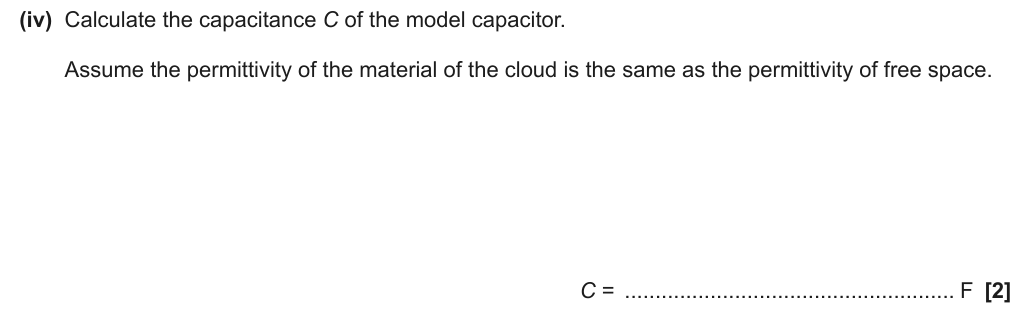
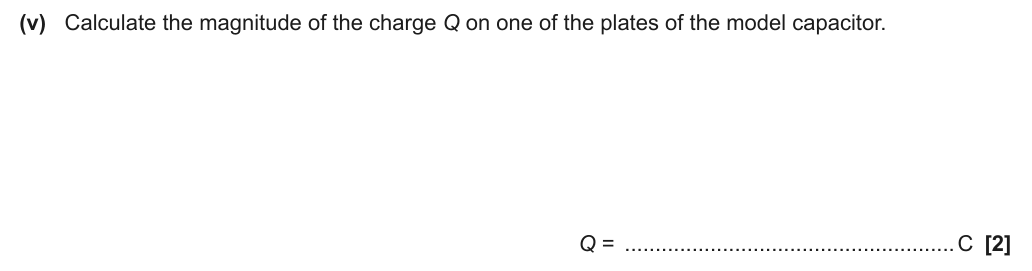
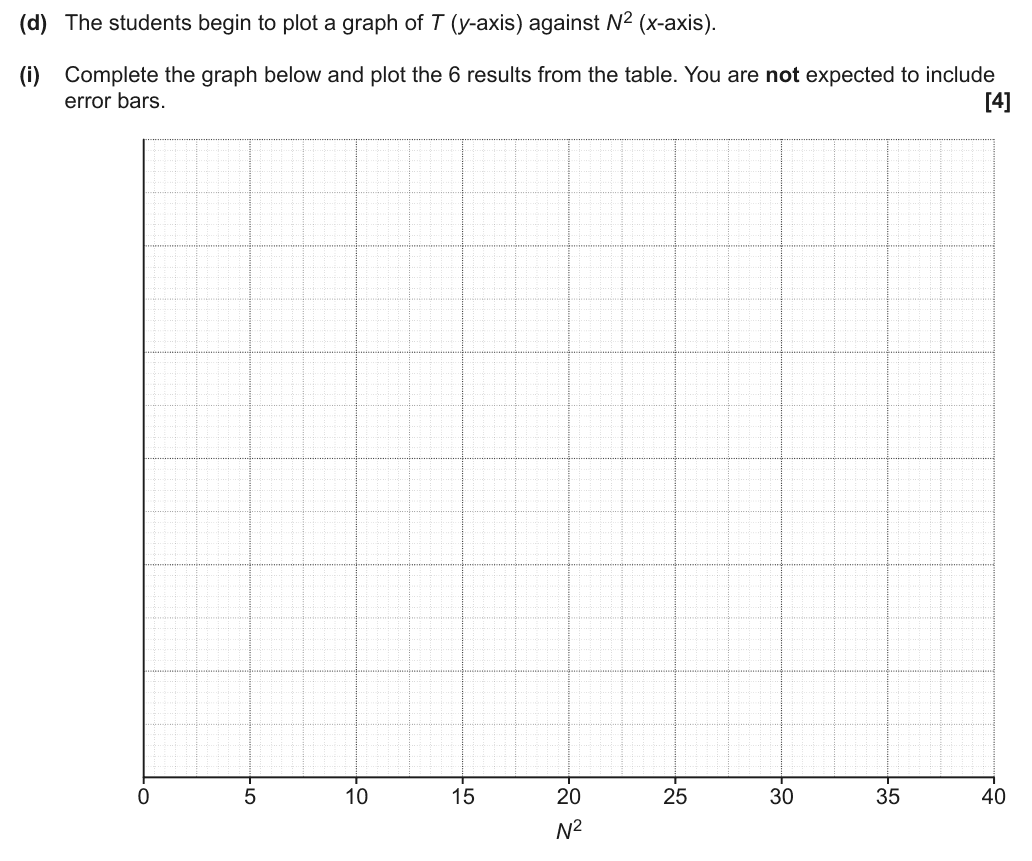
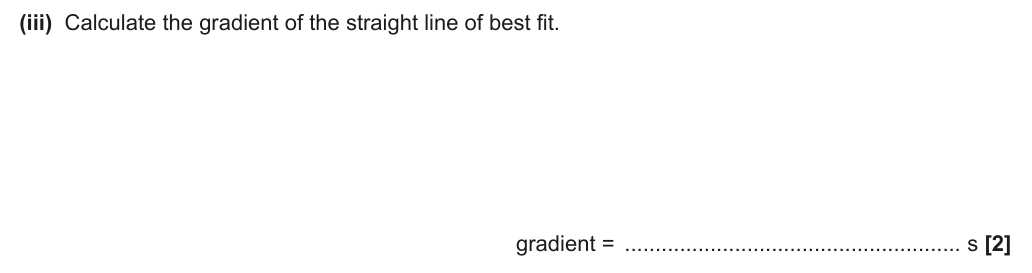
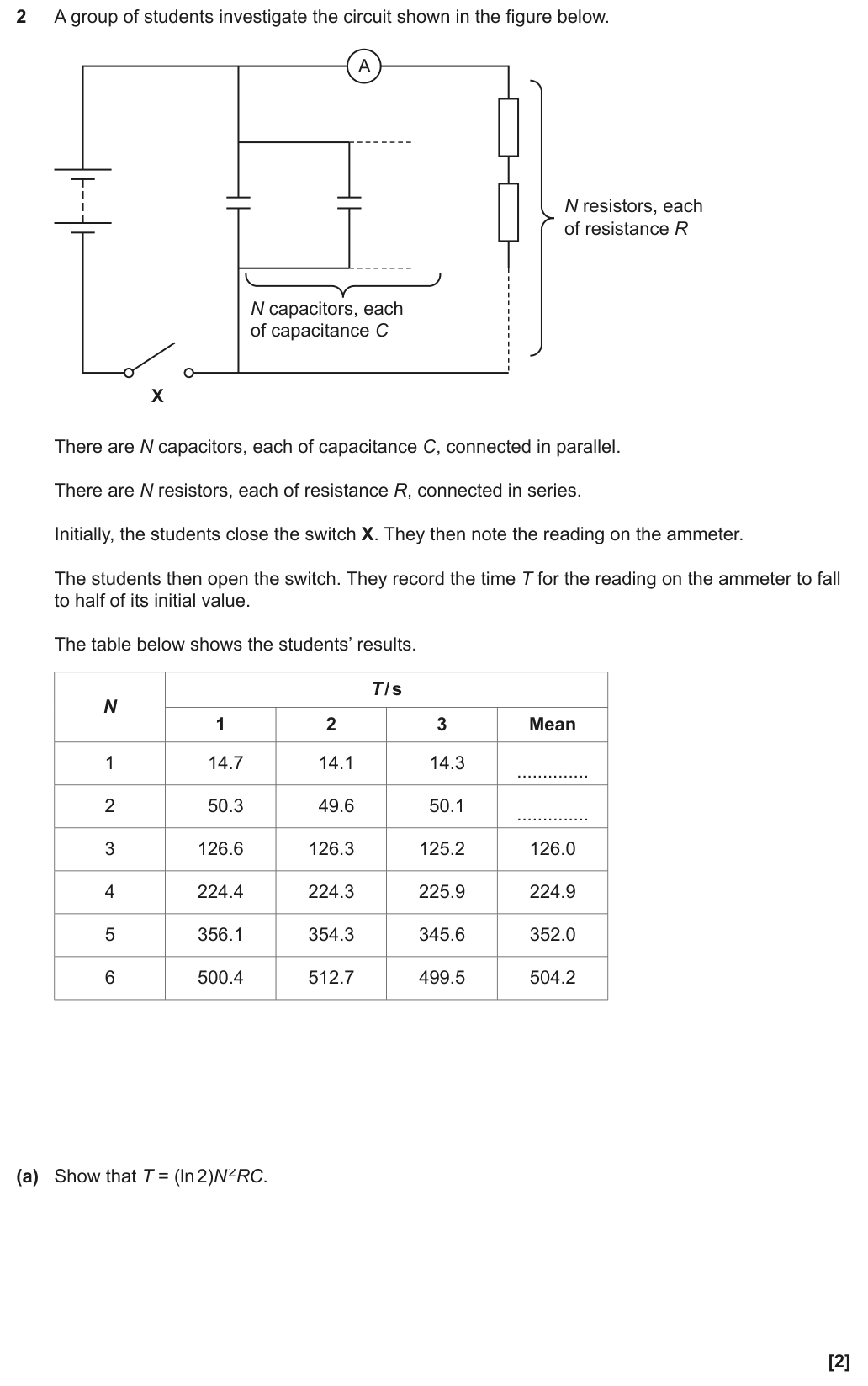
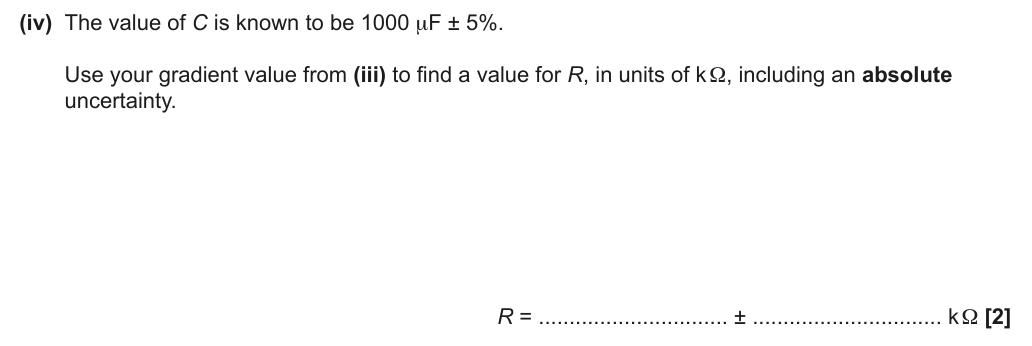
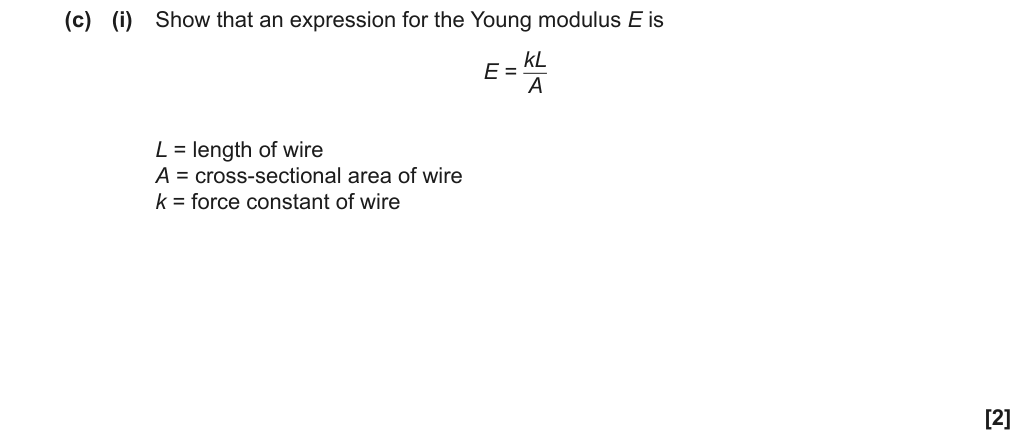
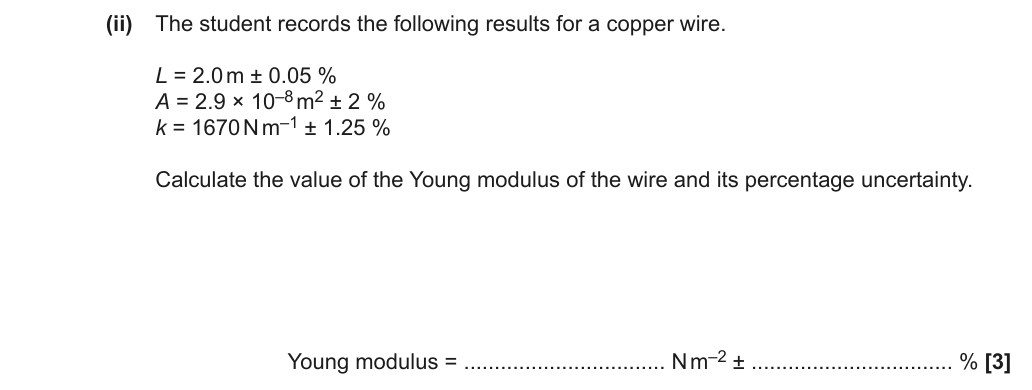
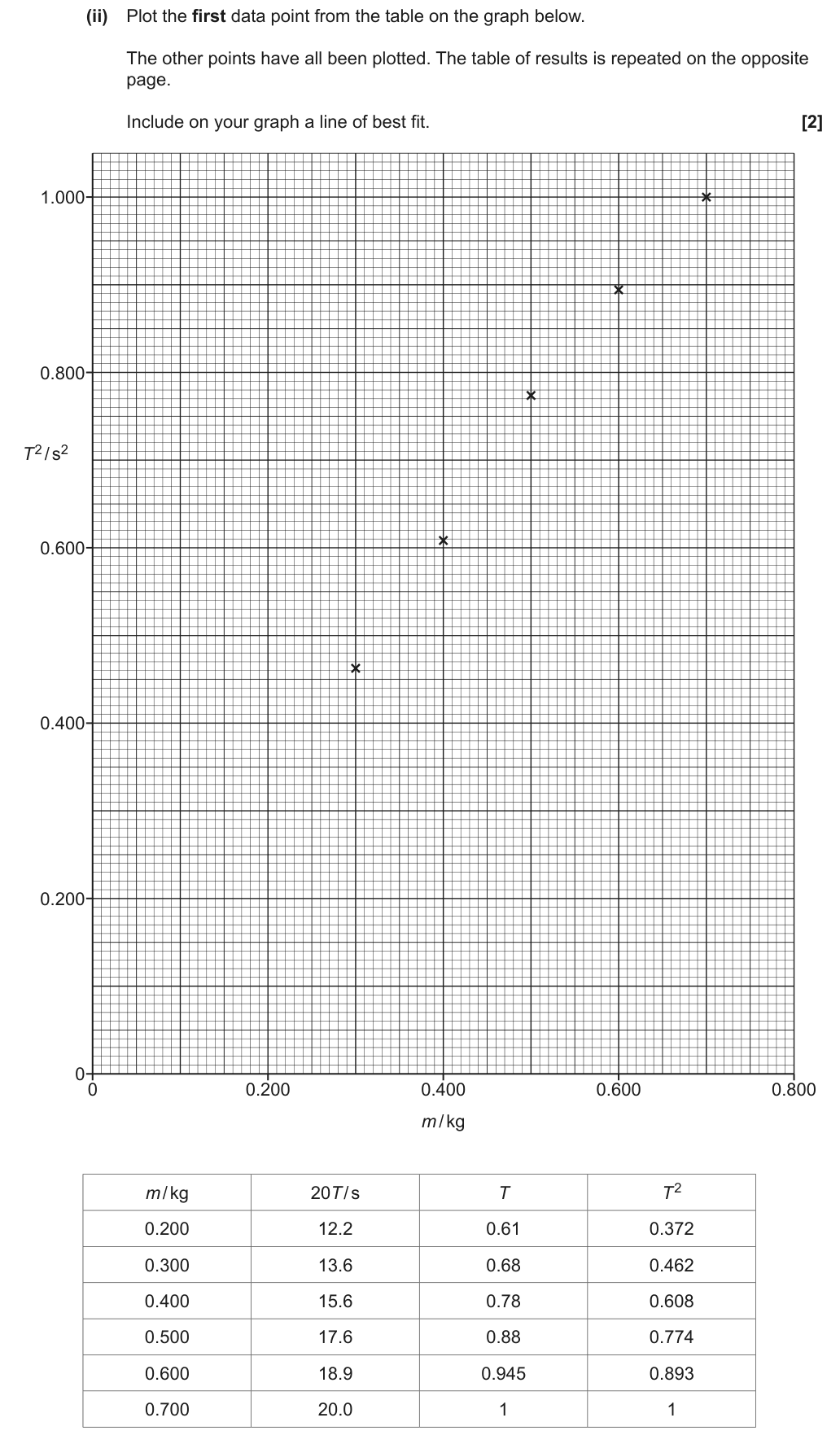
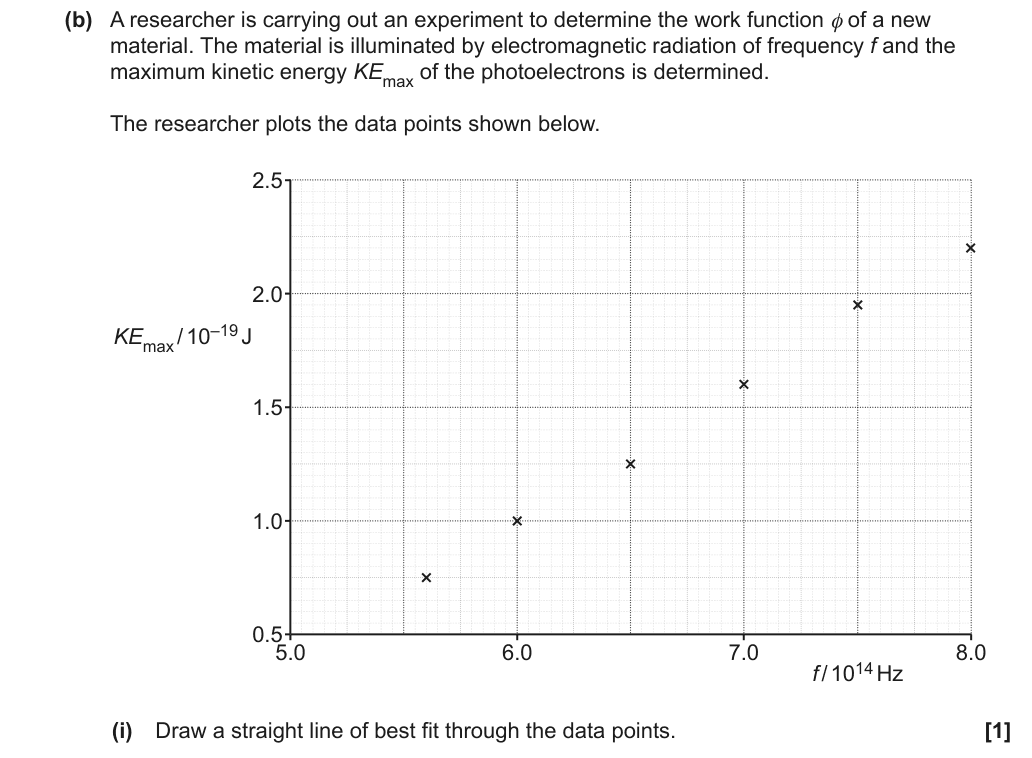
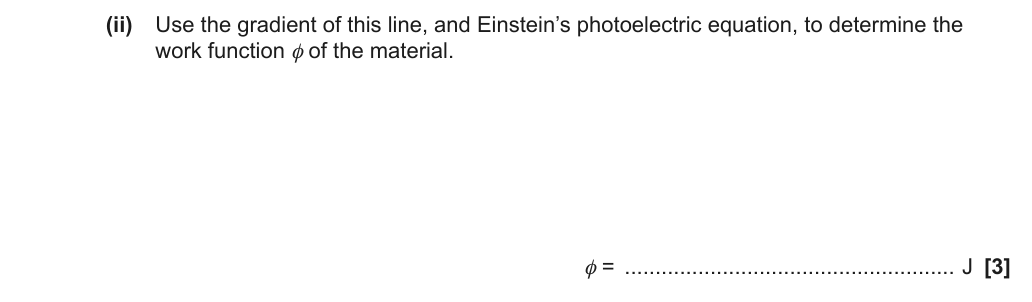
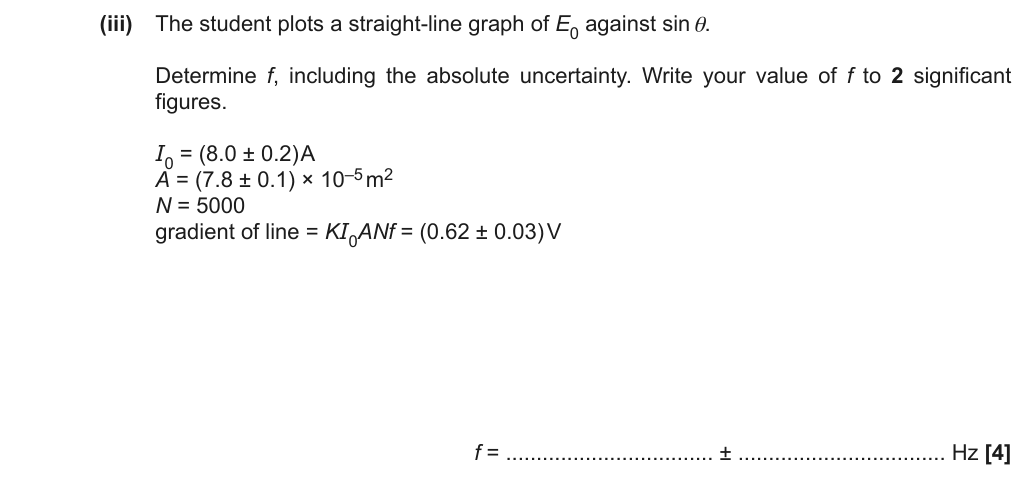
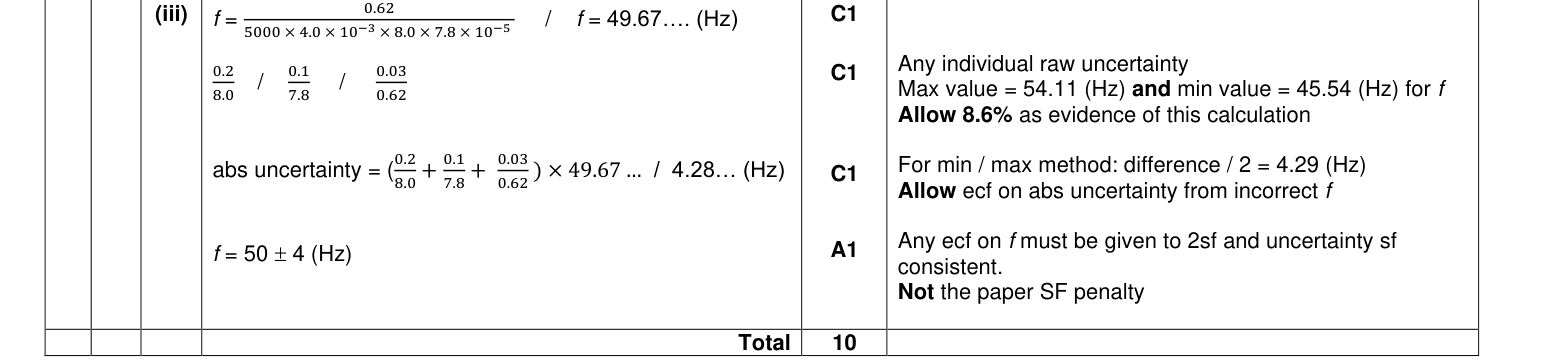
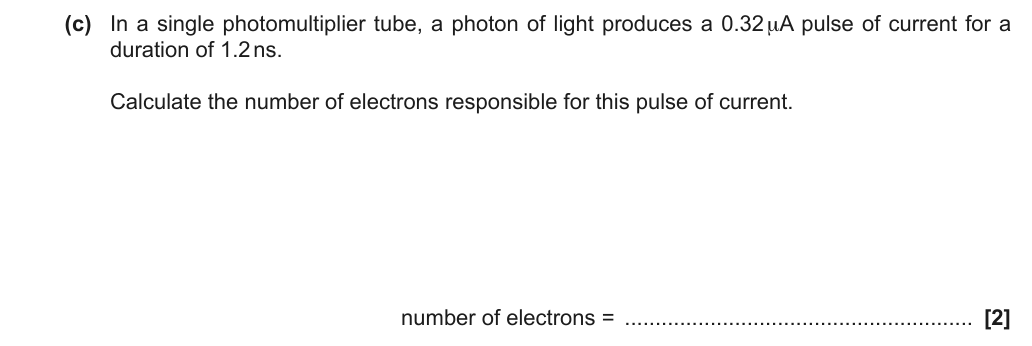
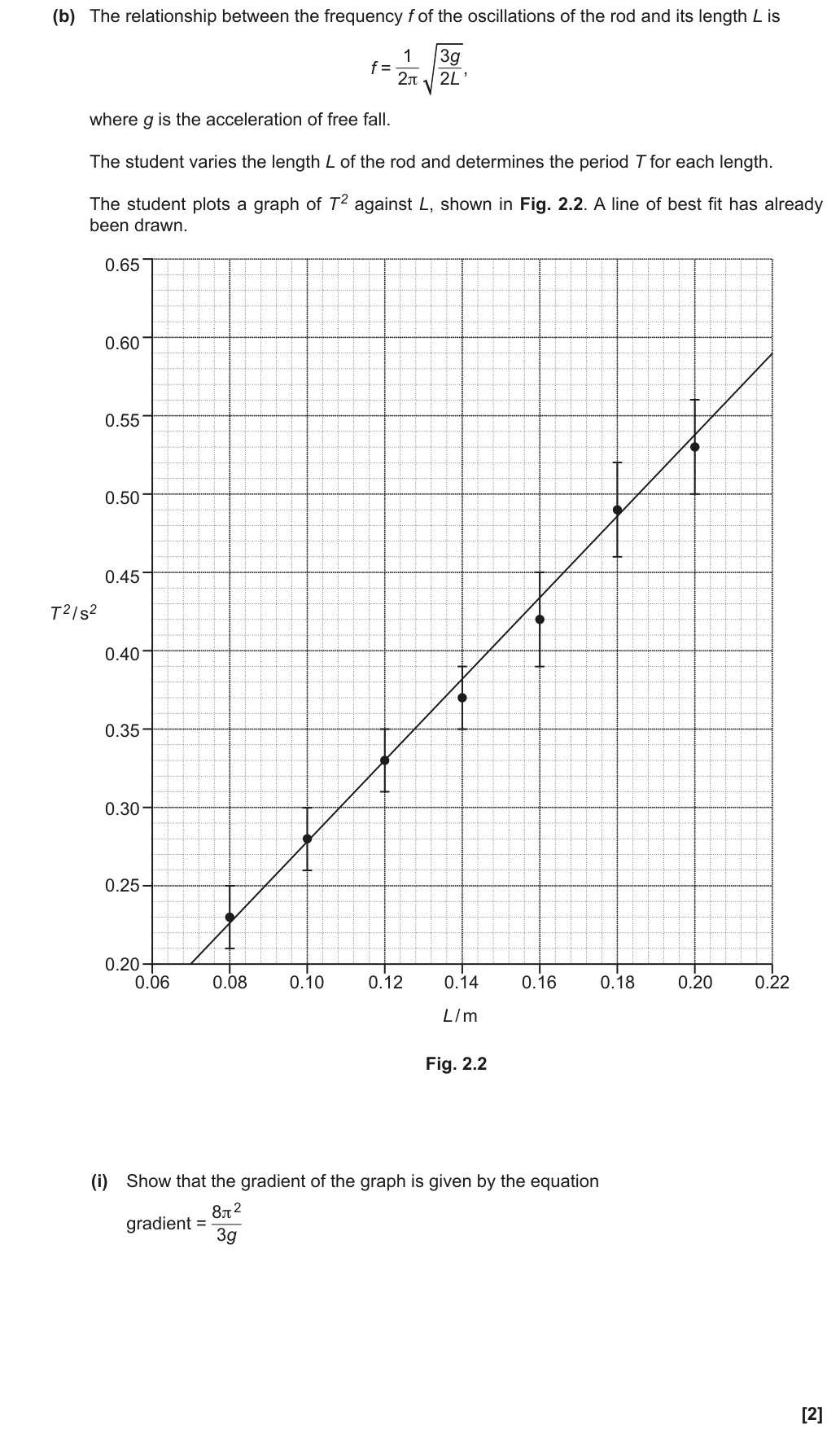
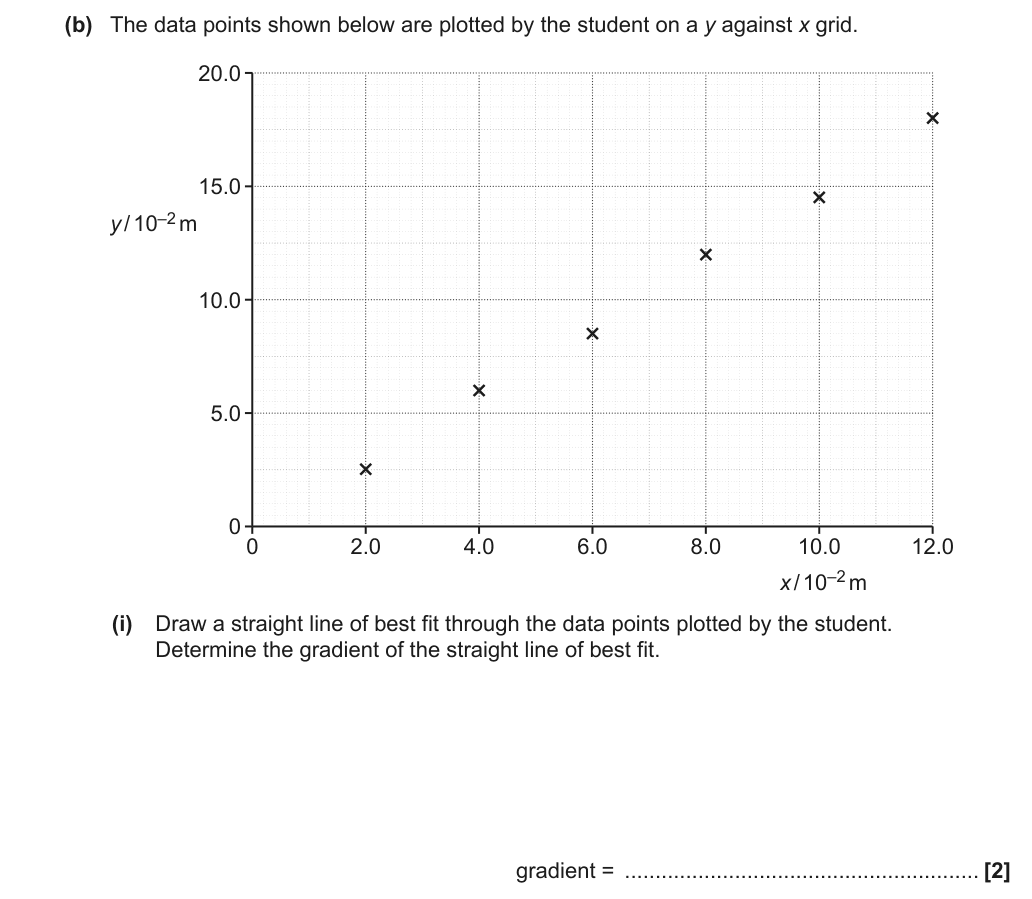
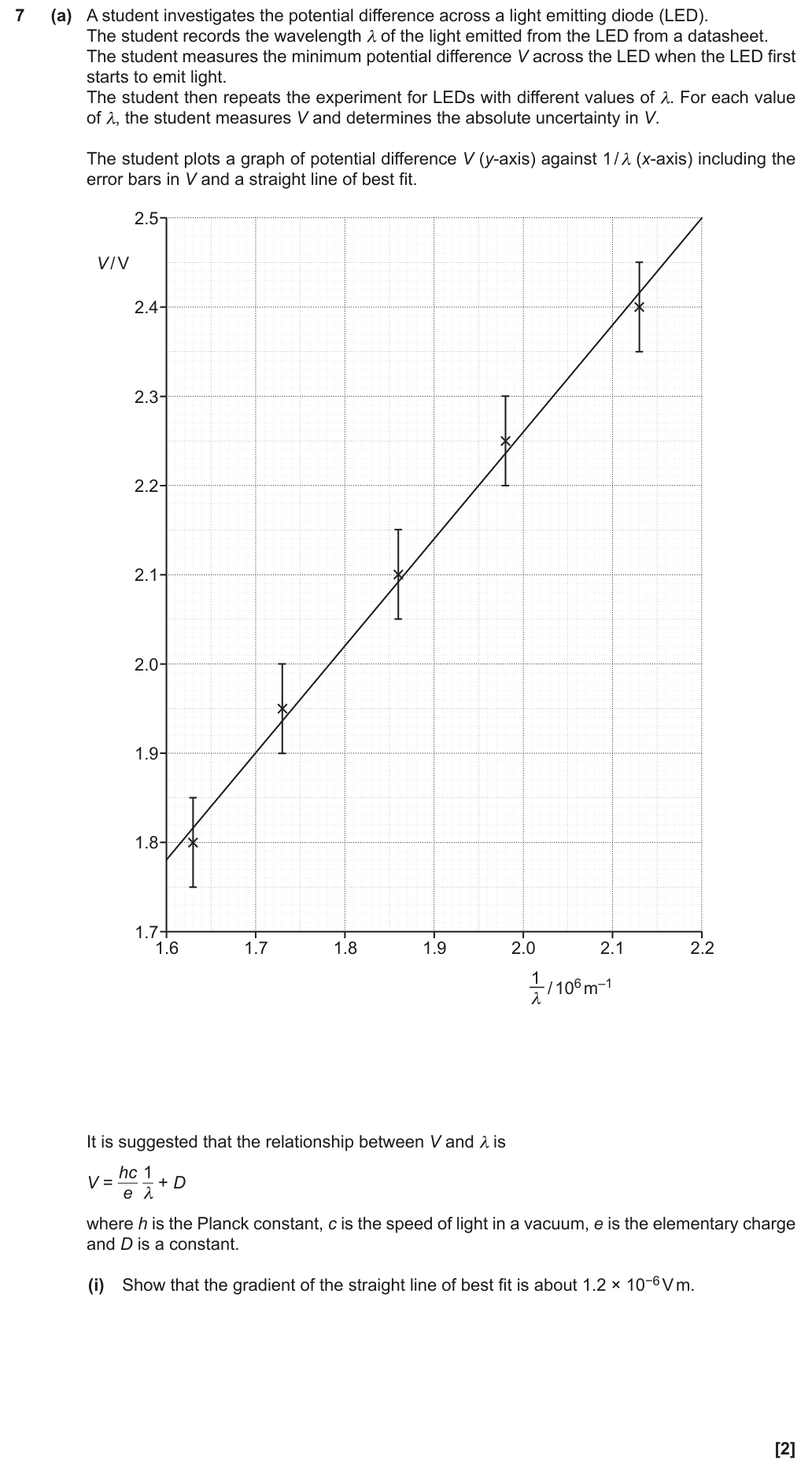
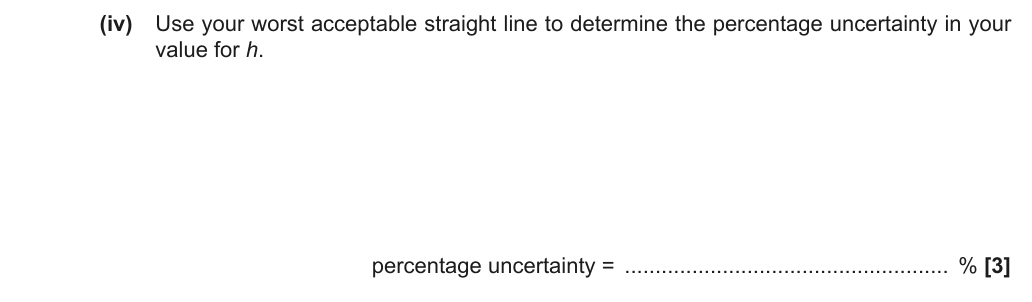
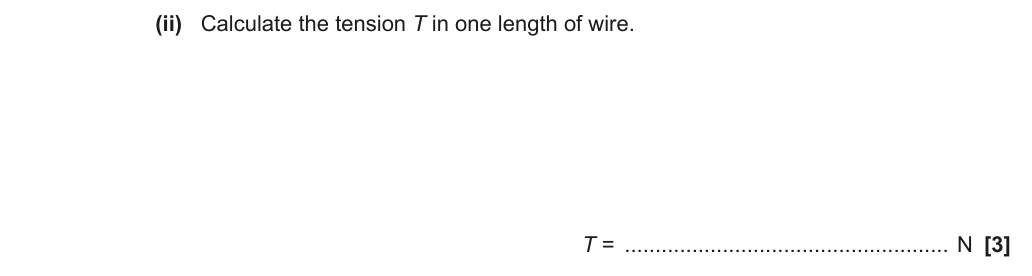
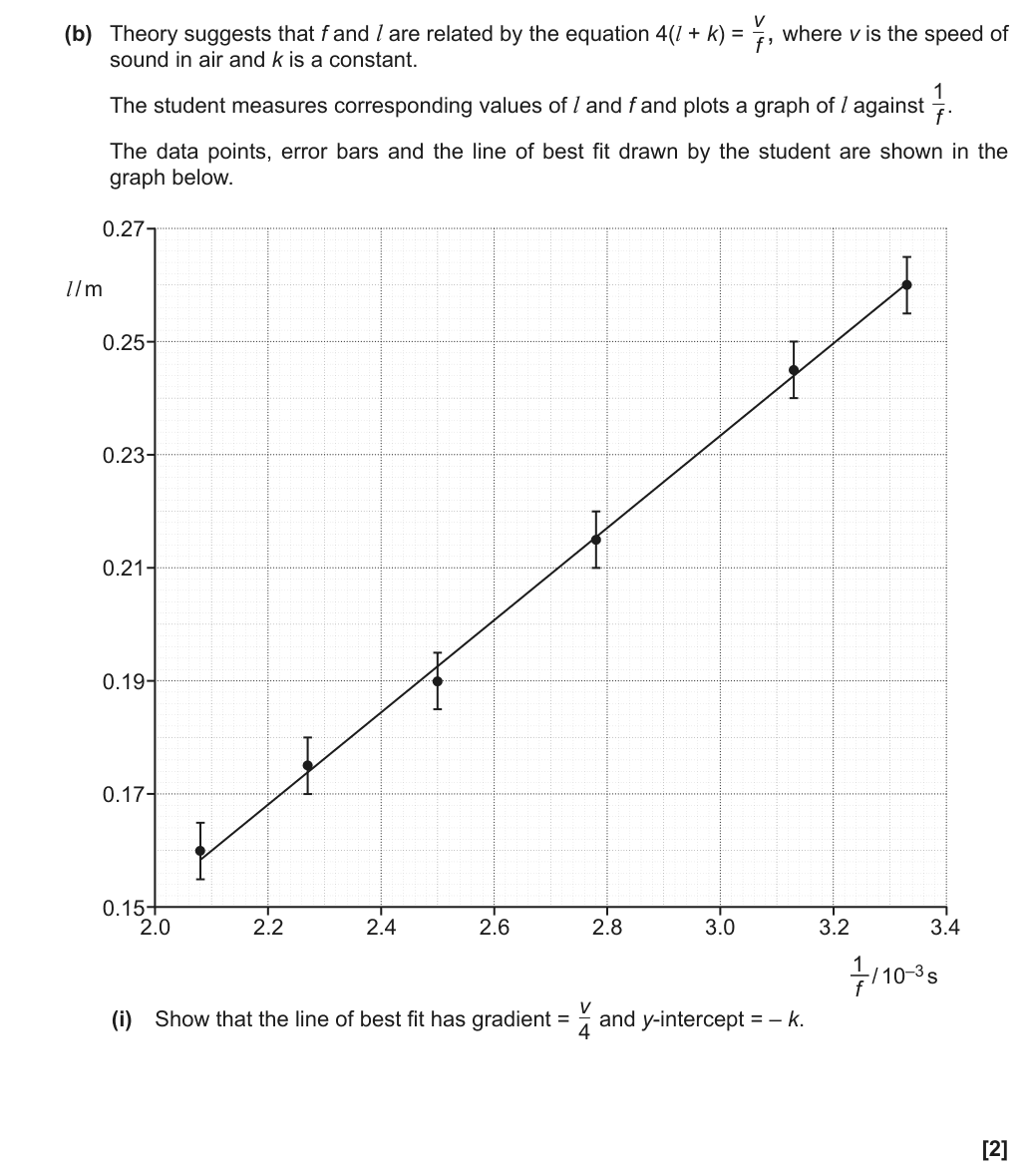
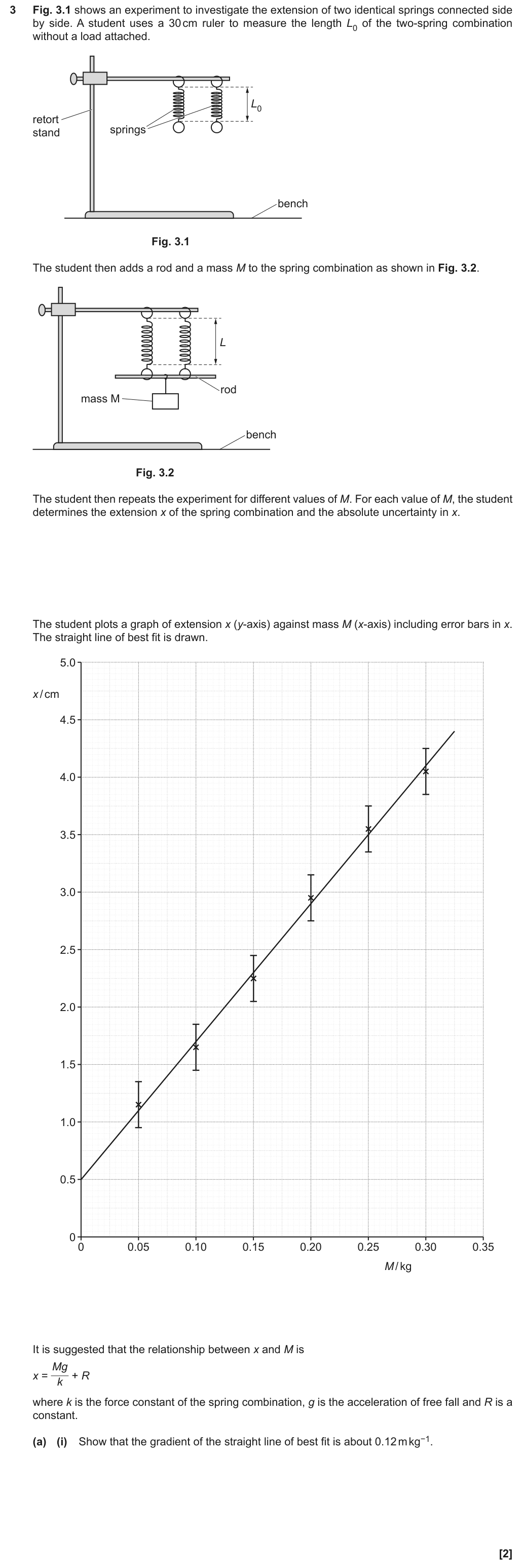
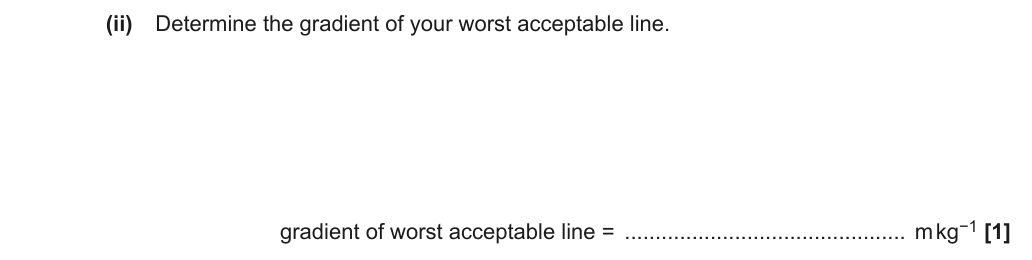
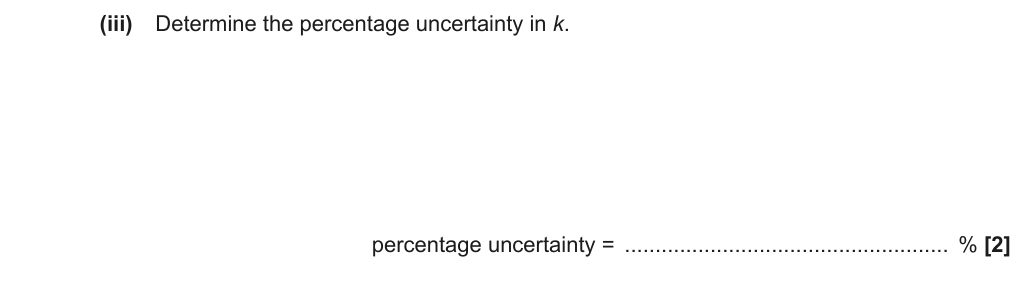
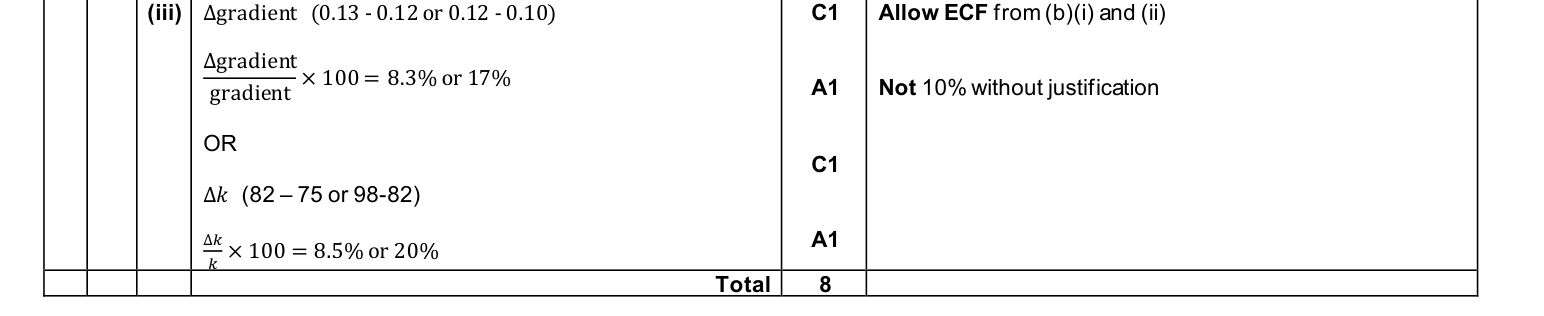
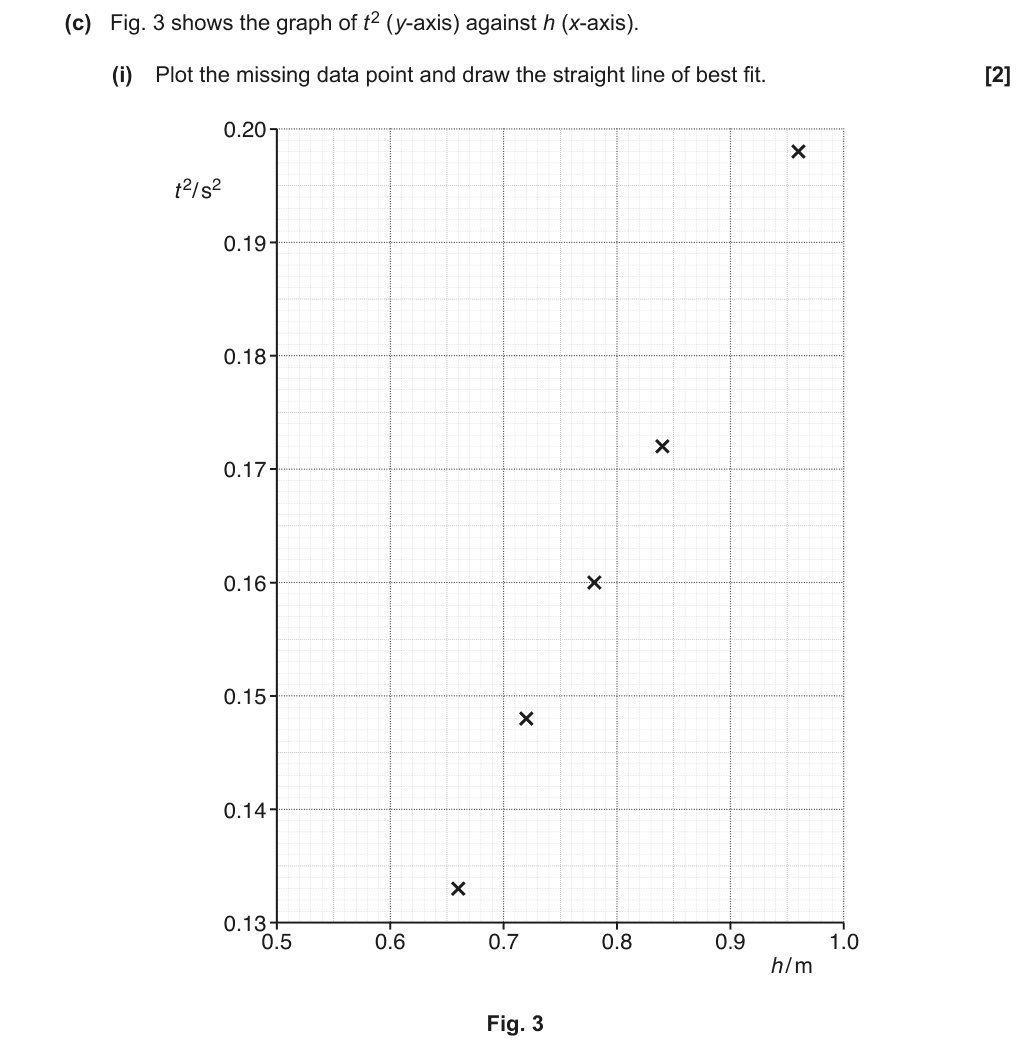
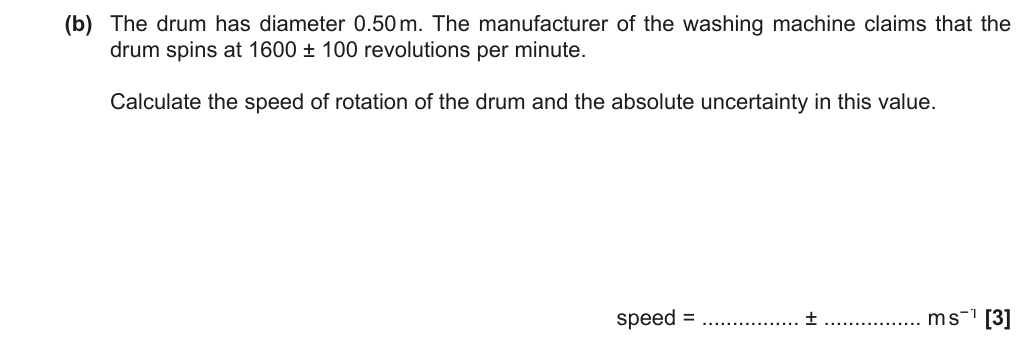
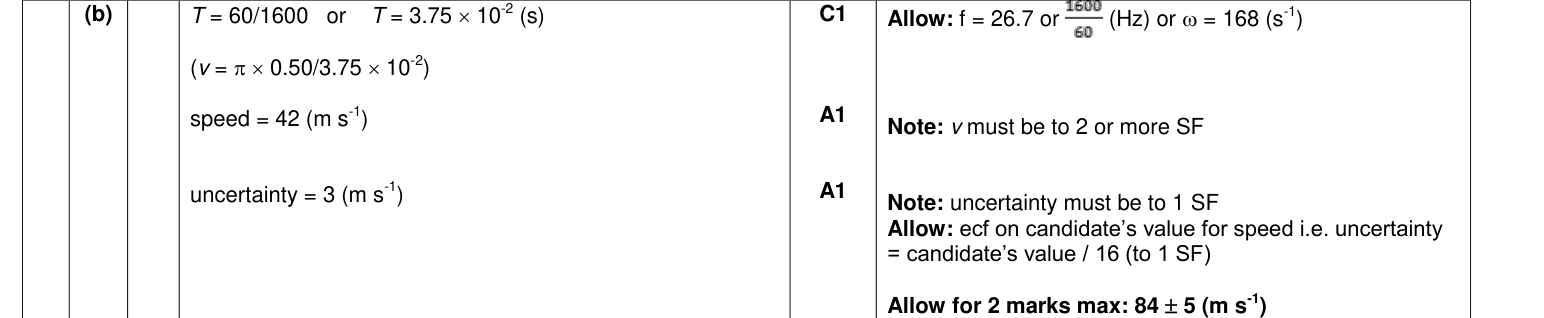
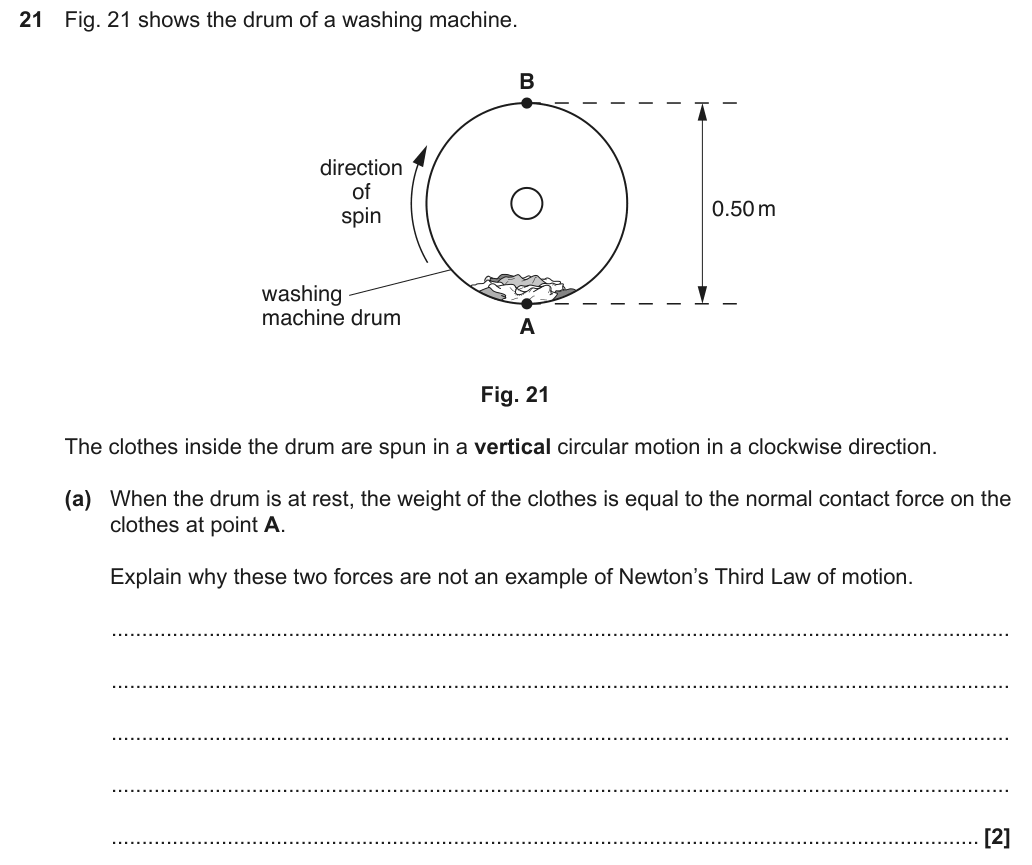
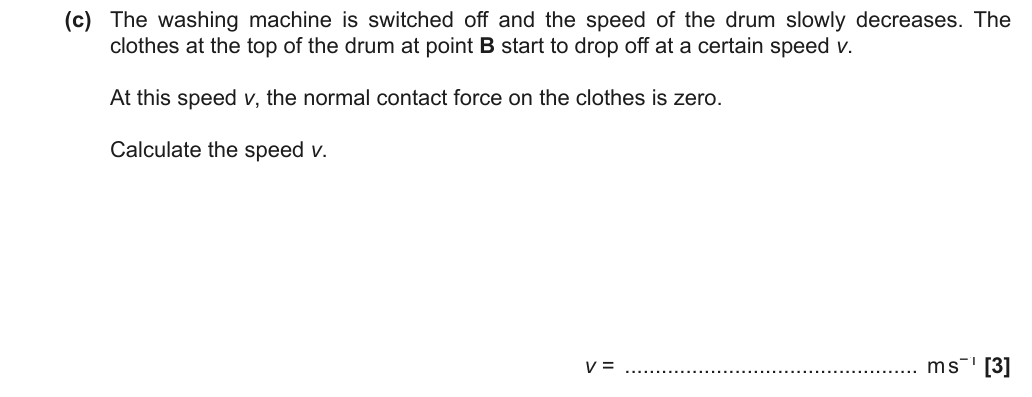
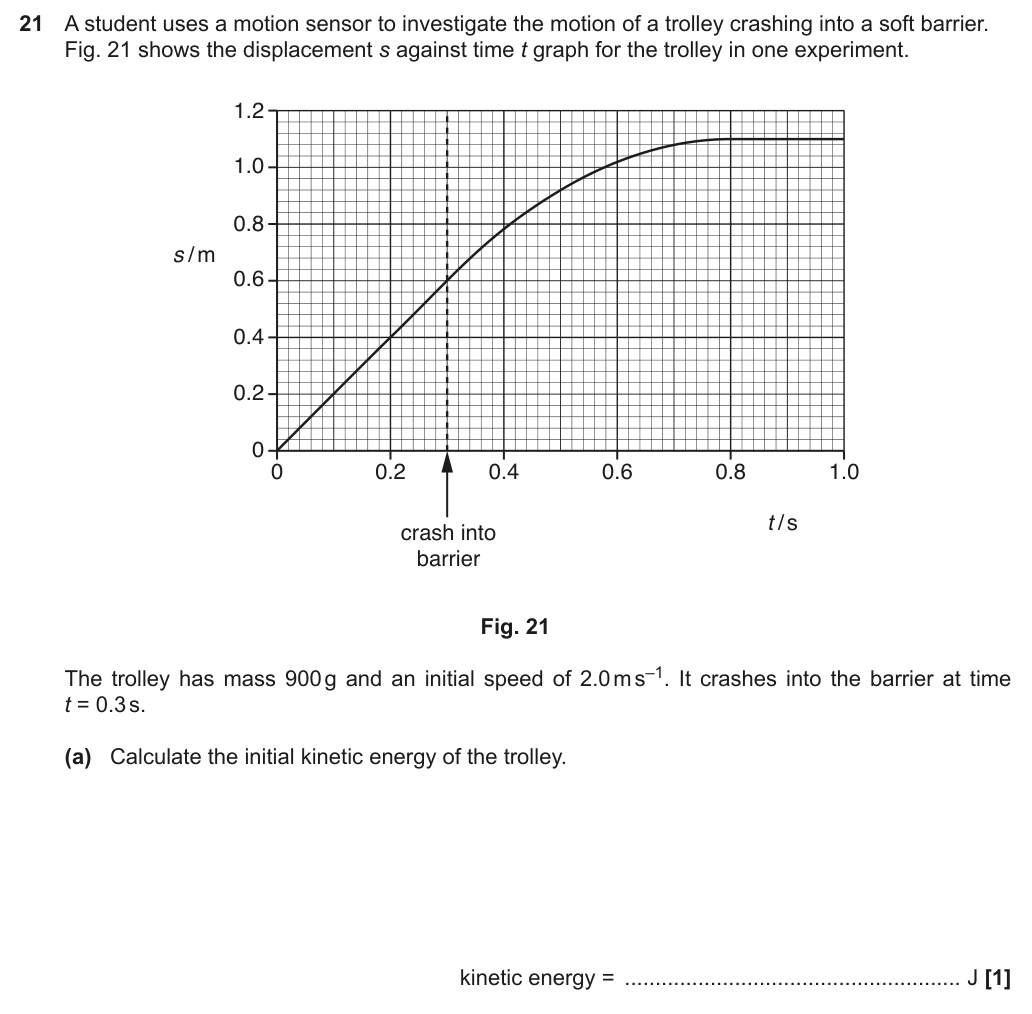
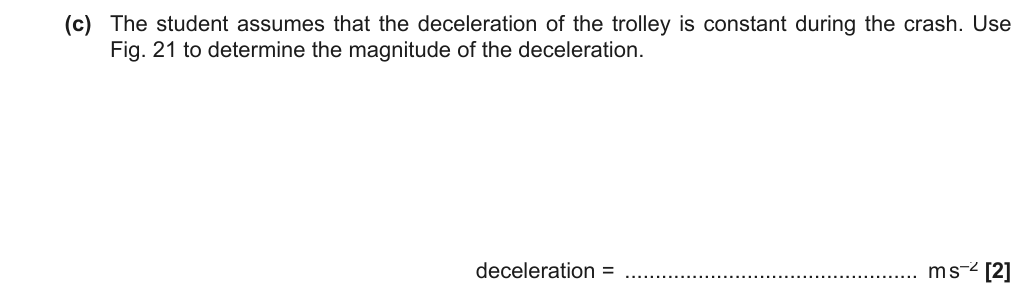
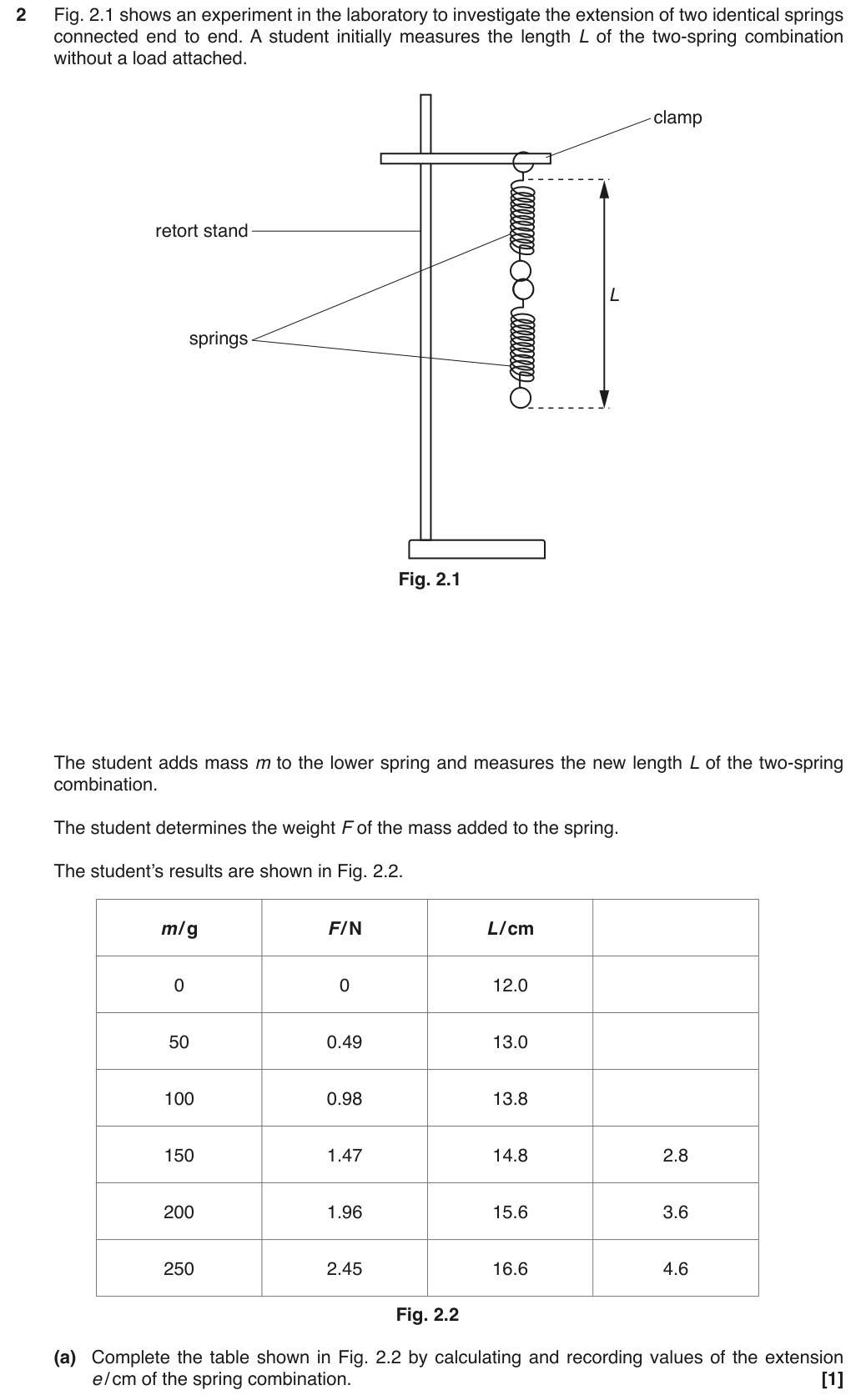
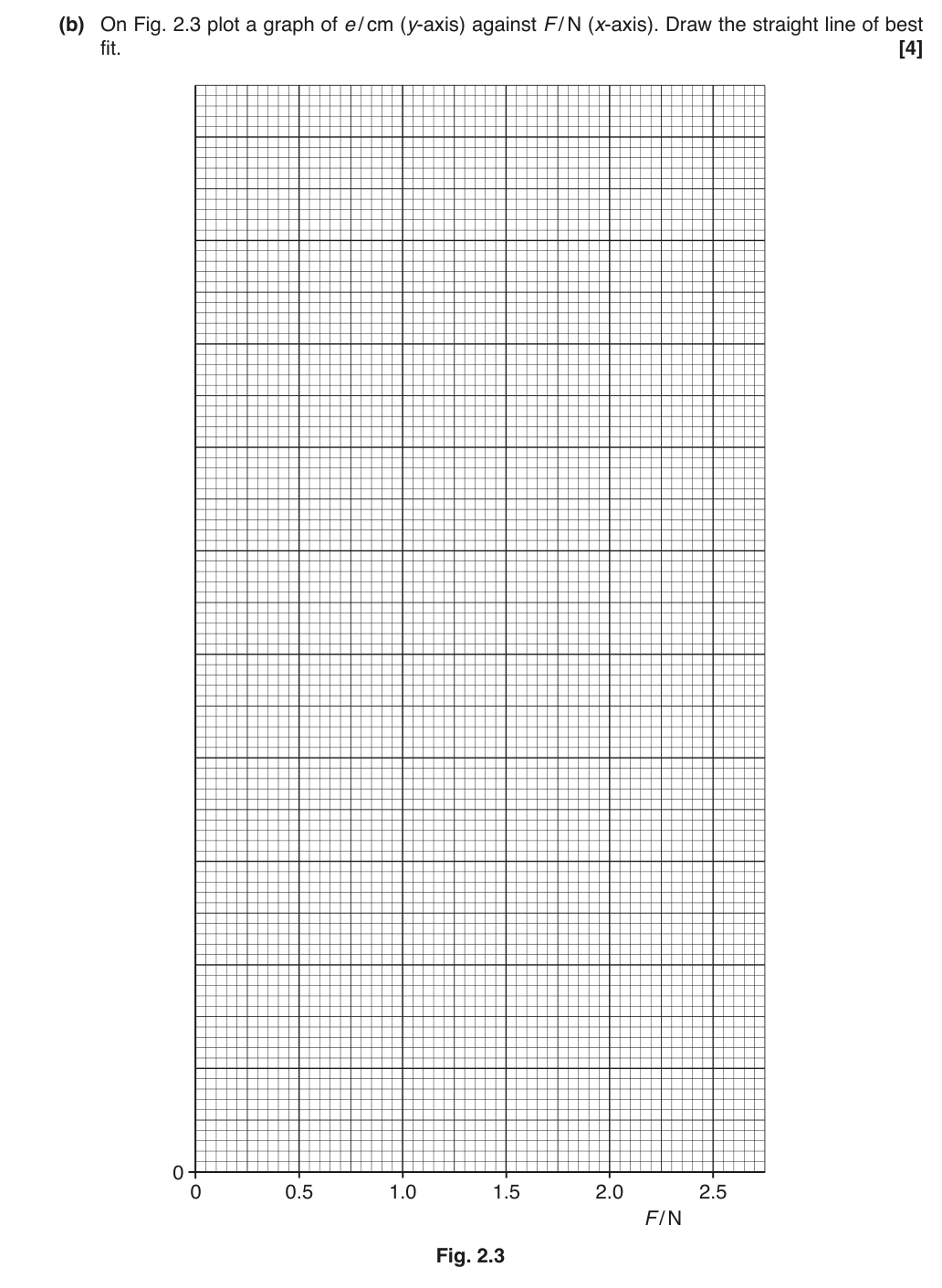
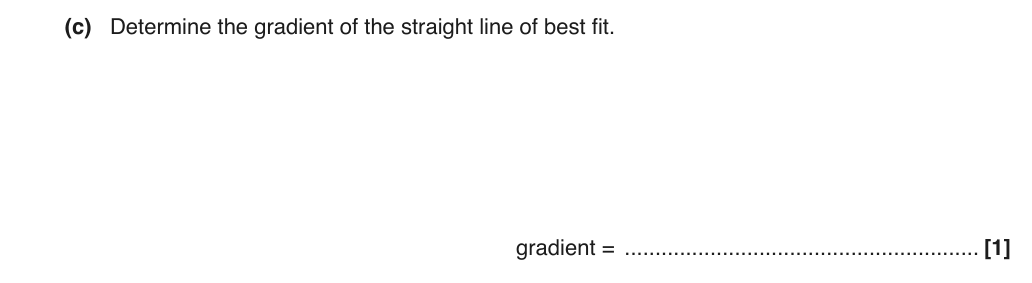
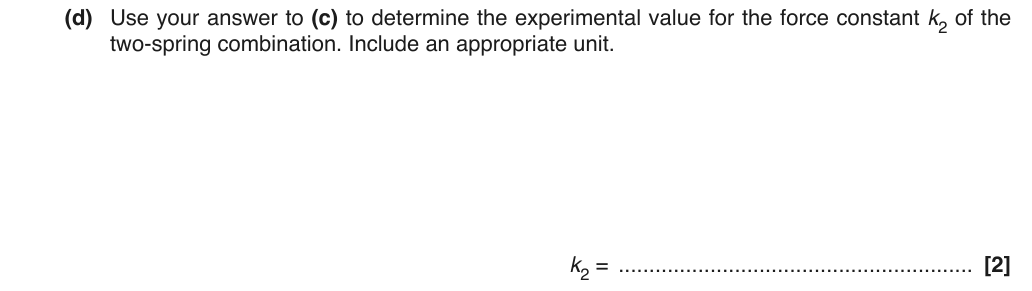
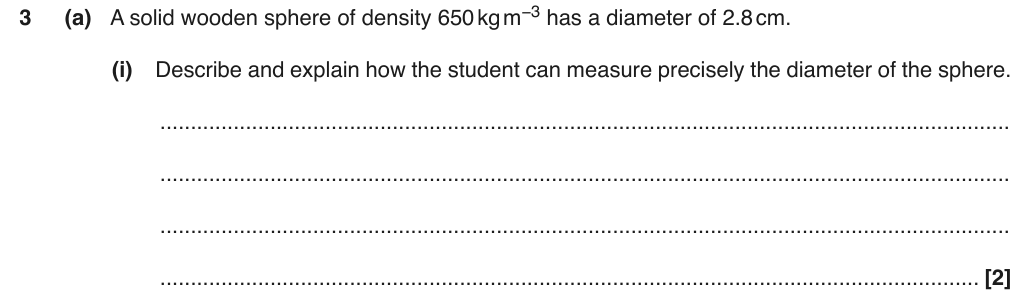
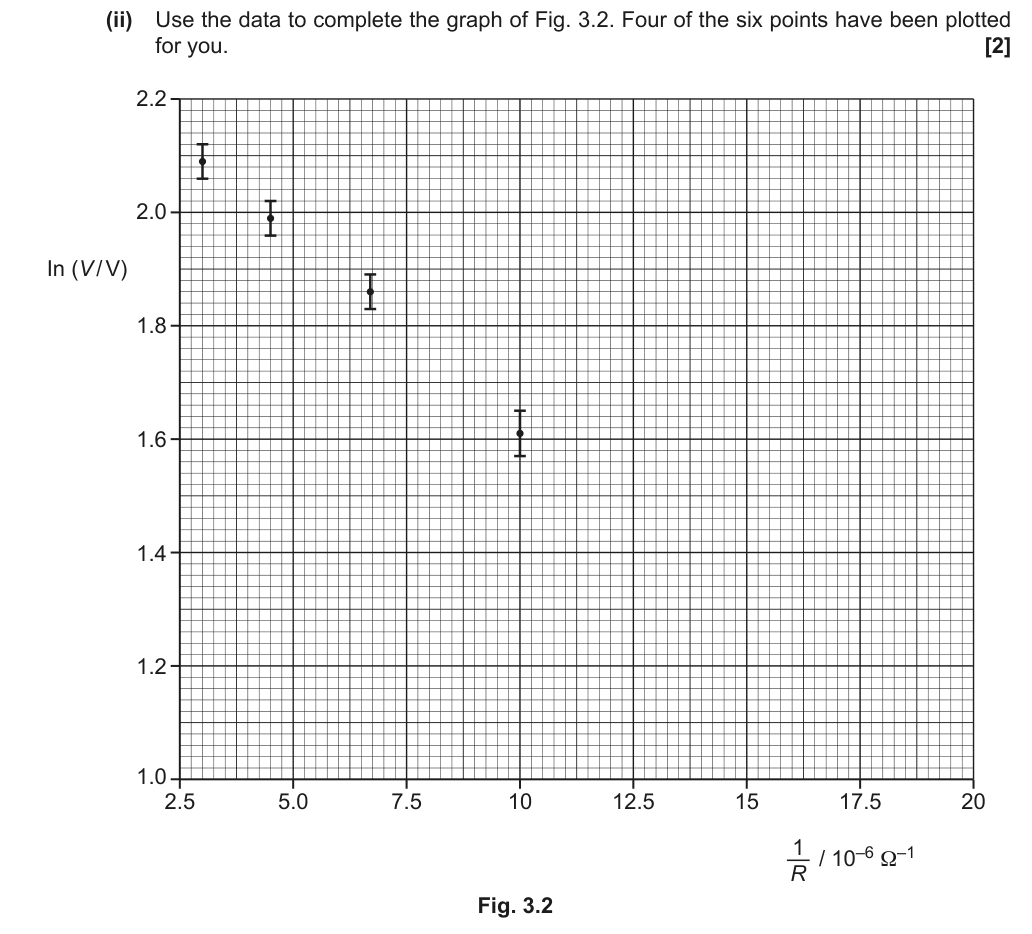
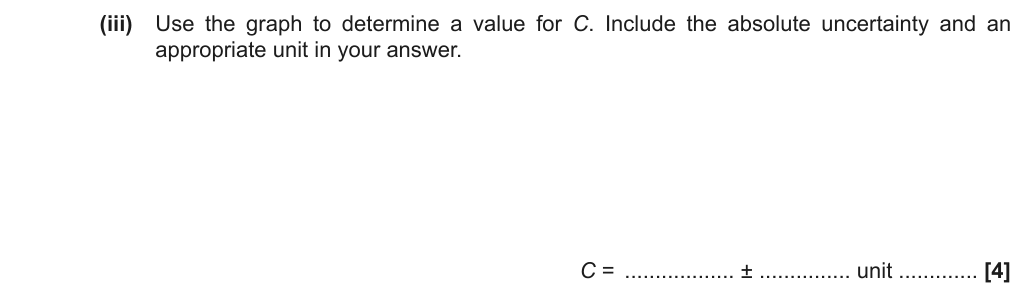
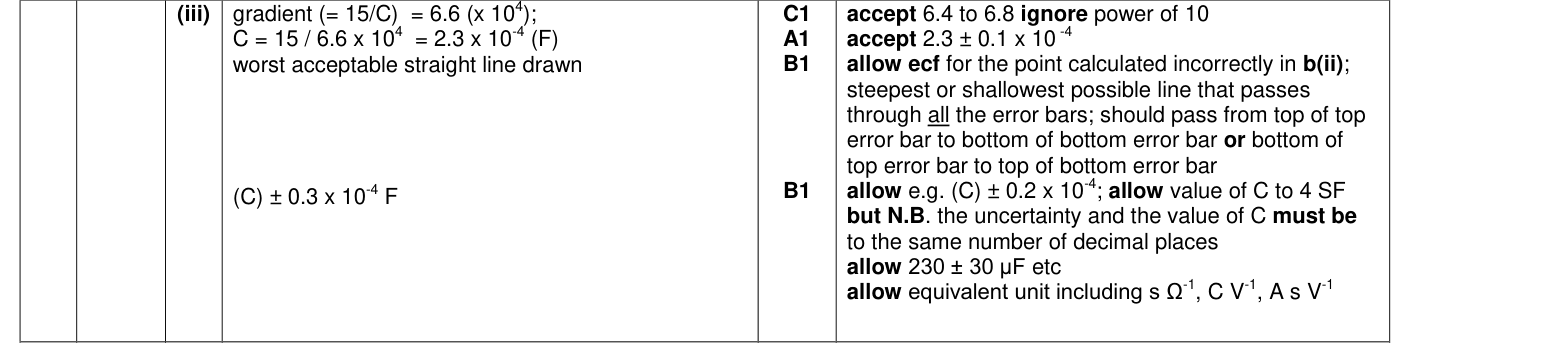
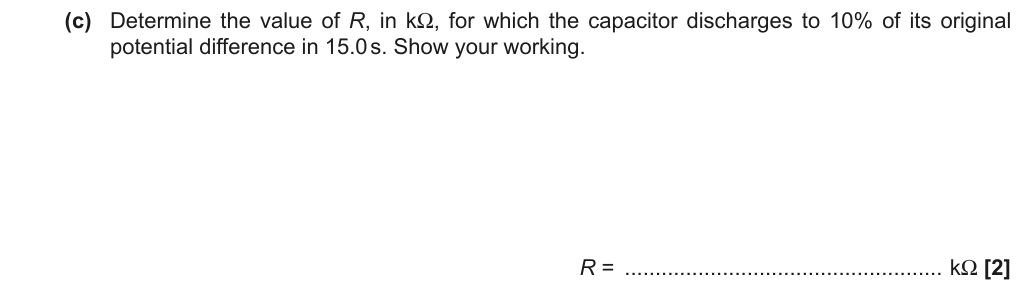
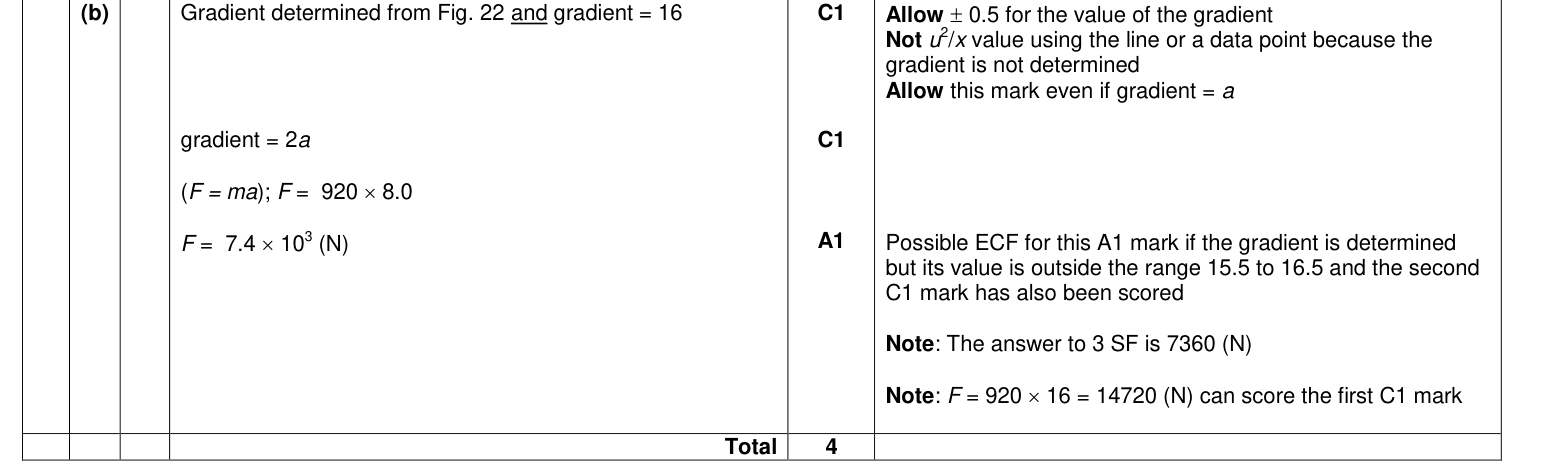
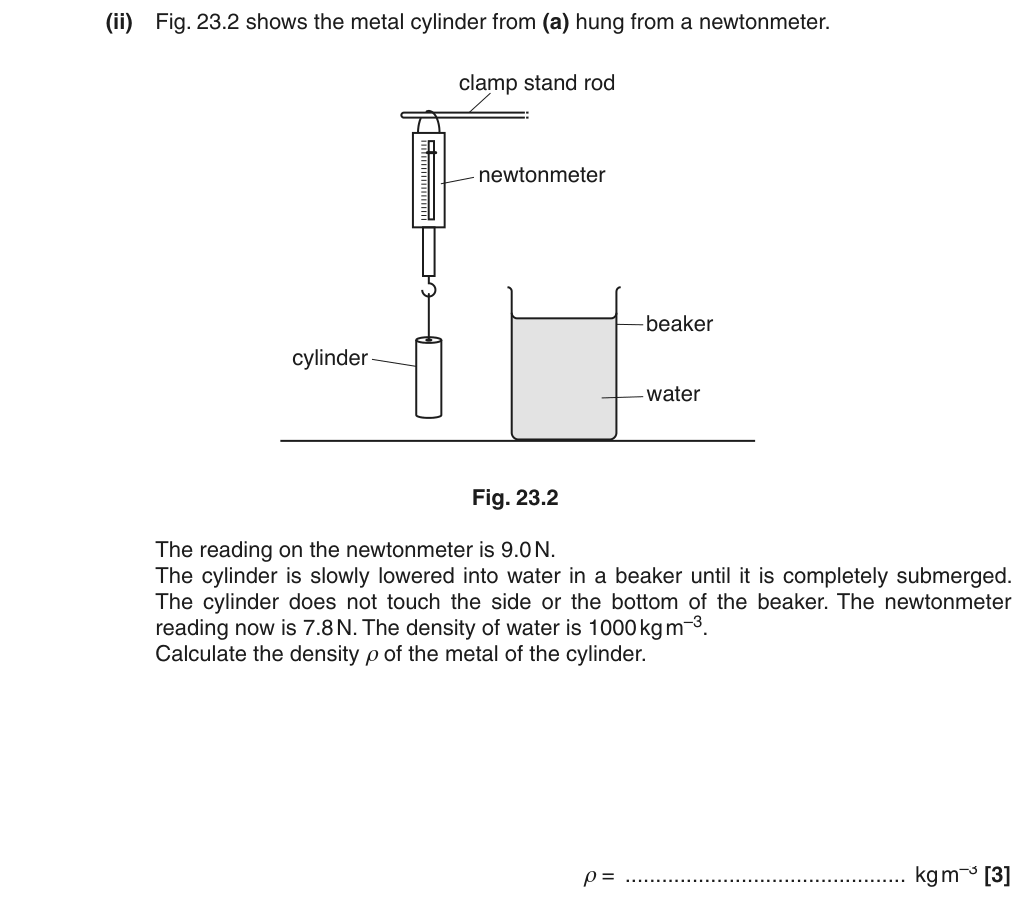
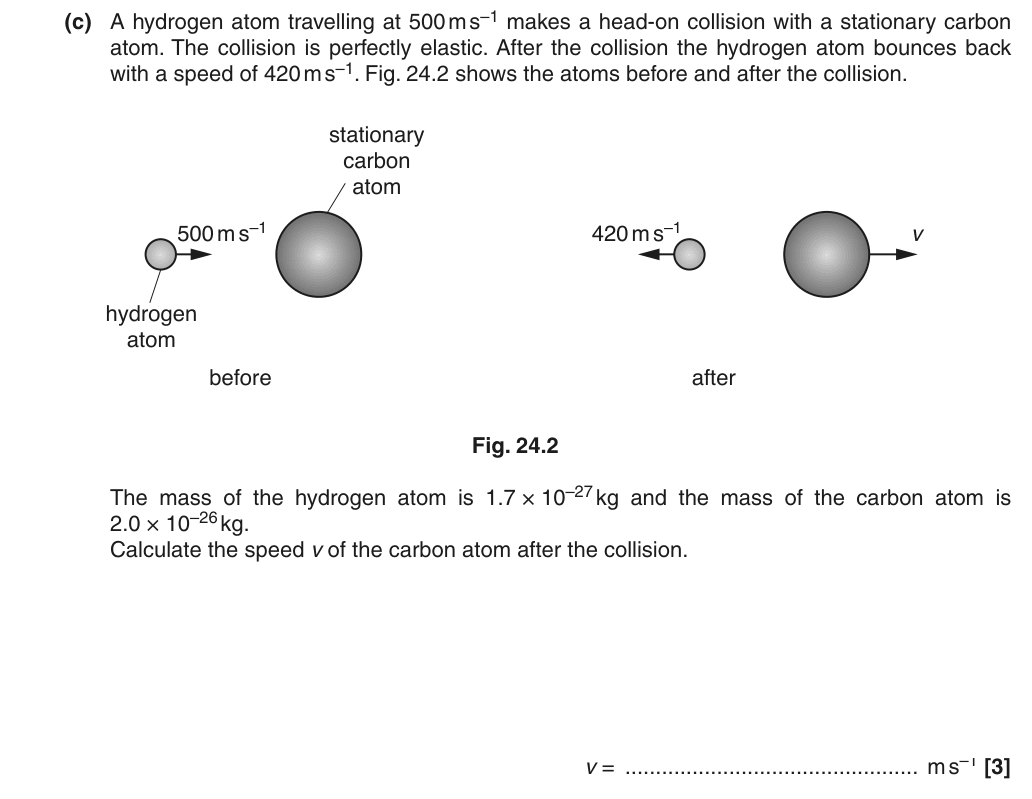
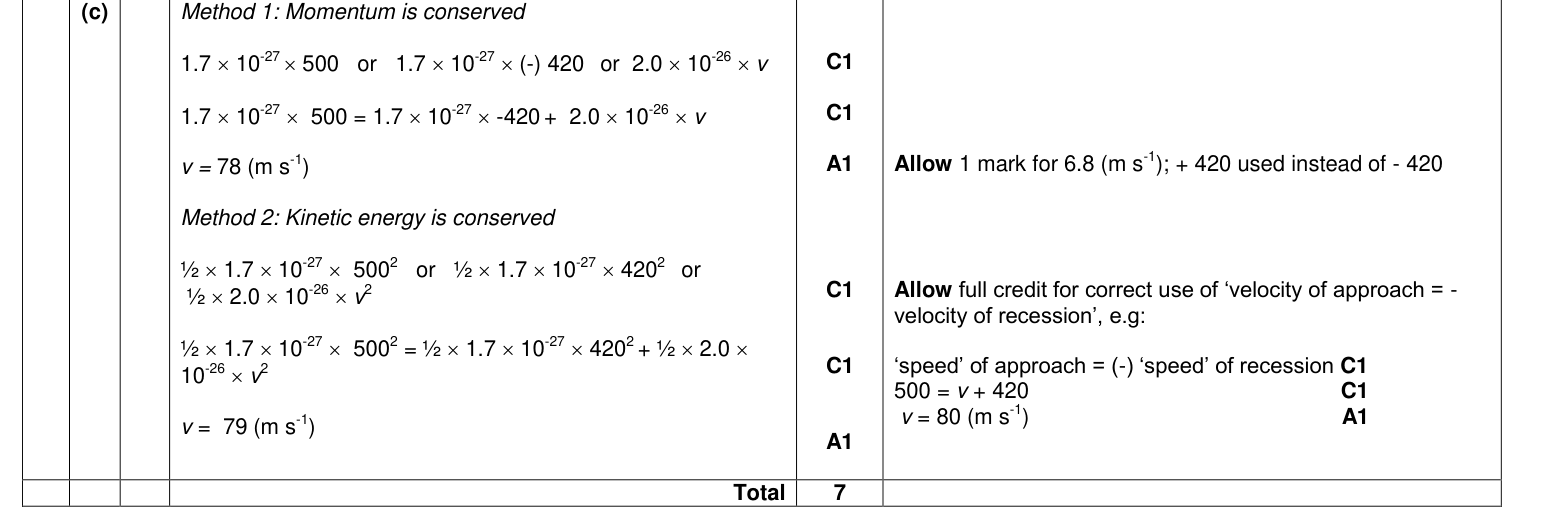
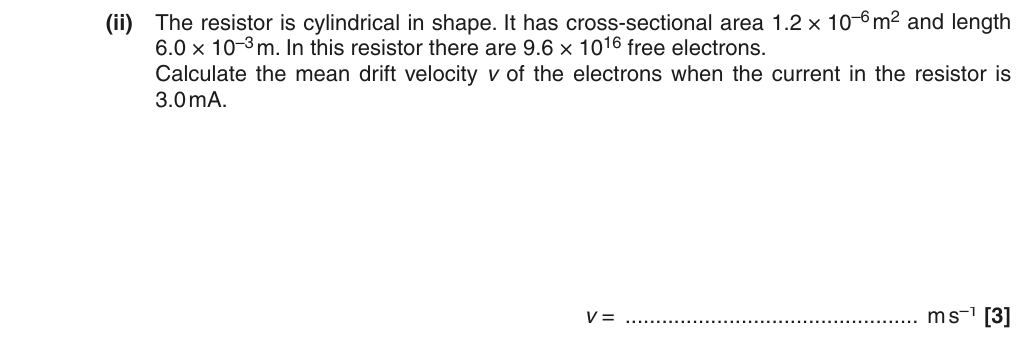
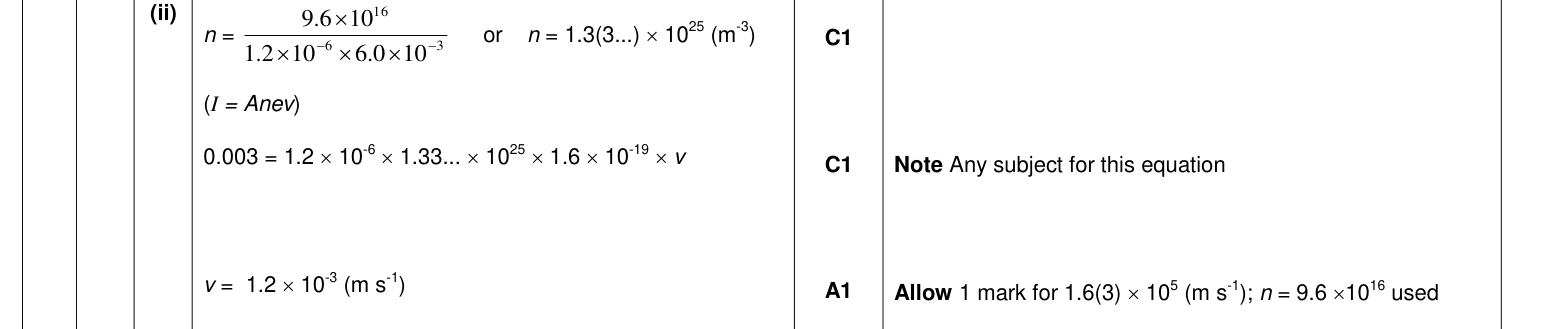
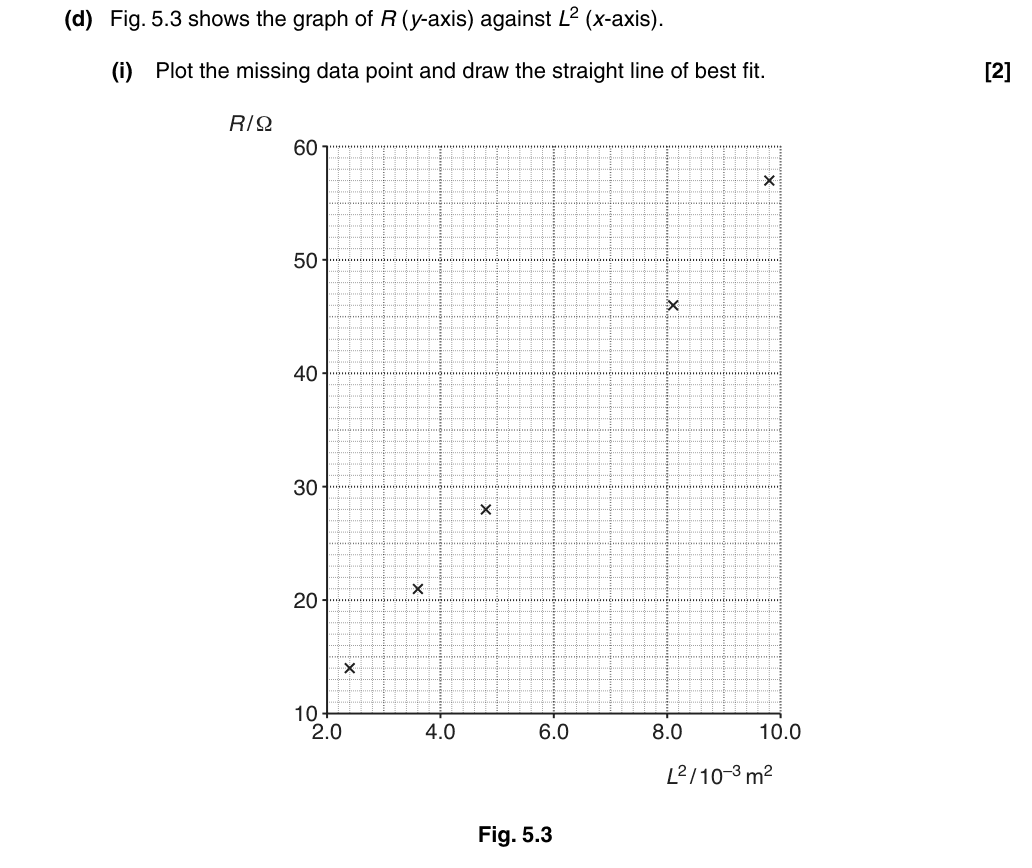
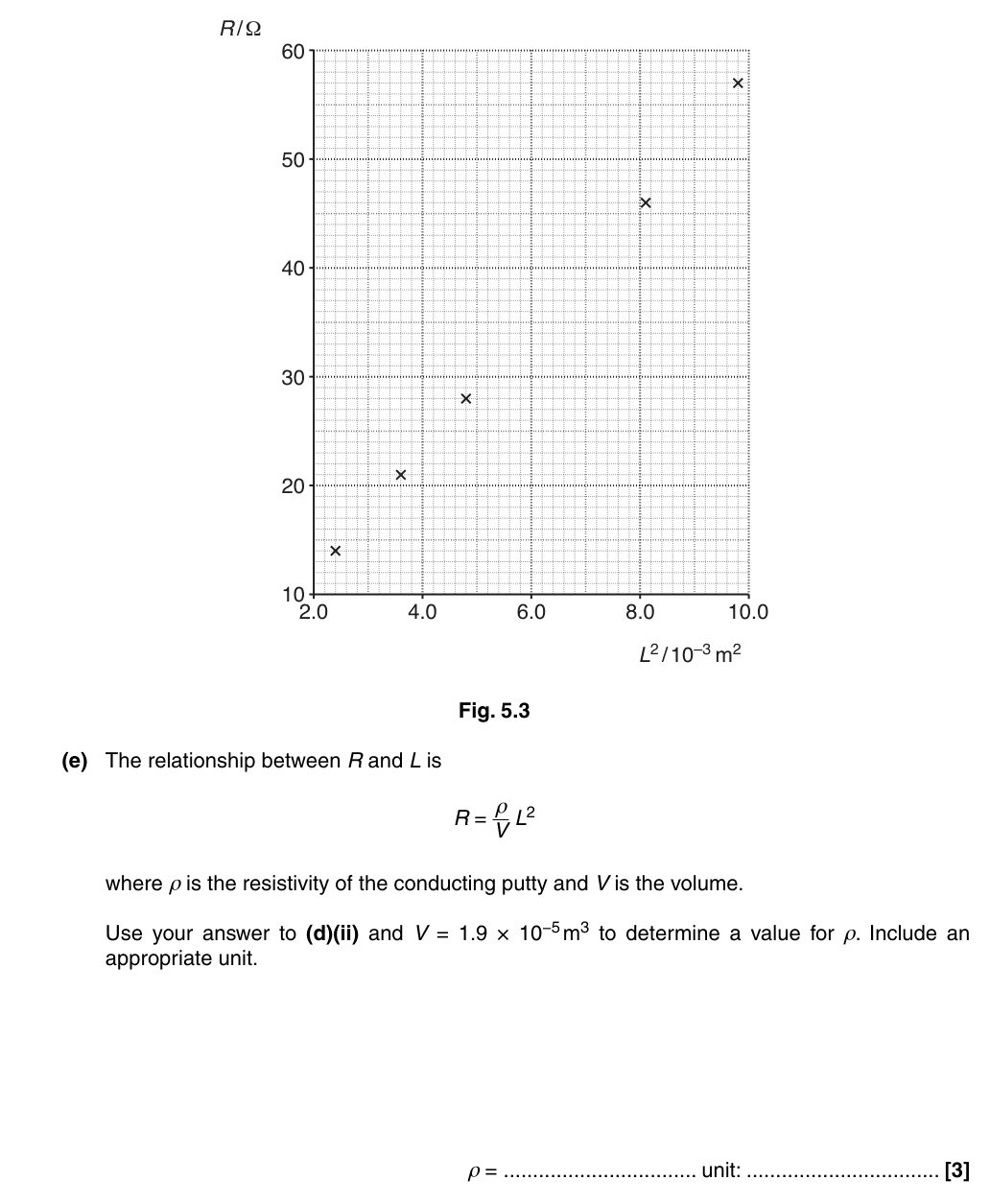
• used calculators effectively with careful consideration of unit conversions, such as in Questions 18 (d) and 22 (c) (i) • demonstrated an ability with logarithms and manipulation of exponential equations, such as in Questions 18 (e) and 19 (c) • gave suitable detail and care in responses to Level of Response questions, paying particular attention to the specifics of the question • had a clear appreciation of command words • gave appropriate use of scientific language and terms, in particular in Questions 22 (c) (ii) and 23 (d) • applied consideration of significant figures in calculations, especially in Question 21 (c) (ii). • did not attempt all of the multiple-choice questions, and this did not appear to be a timing issue • did not show suitable working in extended calculations, such as Question 21 (c) (i), which means that it was not possible to award C marks • only gave limited detail in the Level of Response questions, such as not explaining the description of both models in Question 17 • drew a poor line of best fit in Question 23 (b) (iii), assuming that the line would pass through the false origin • chose too small a range for a gradient calculation in Question 23 (c), or just used a pair of points • were unable to differentiate terms such as precision, resolution and accuracy, especially in Question 23 (d) • did not express scientific knowledge with sufficient accuracy, such as in Question 20 (c). Just under half of candidates were able to calculate the thickness correctly. The most common way was to calculate the capacitance and then use the parallel plate capacitor formula. This allowed clarity in setting up the calculation and generally resulted in the correct answer. Several candidates attempted to carry out the calculation in one go. This often resulted in an error, such as using 2.3 in place of the actual permittivity of the polythene. Another common error was to use the formula for the capacitance for a sphere. There seemed to be little difficulty in converting all the units correctly, either in the initial calculation or by converting to mm at the end. As always with this type of calculation, structuring it carefully allows for intermediate marks to be awarded should the final answer be incorrect. This exemplar shows how clear and careful setting out of a calculation can lead to C (compensatory) marks. This candidate has shown the working for (and then calculated) the charge, Q, separately on the top of the right-hand side. This gains the first mark. The candidate has then re-arranged the equation in the centre, with the capacitance in the denominator. The calculation for the capacitance is clearly shown (4.68 x 10⁻⁶ ÷ 800) which is all that is required for the second C mark. It is almost always the working that gains the C mark, not the evaluation. The evaluation is required for the A (accuracy or answer) mark, and in this case there is an error leading to an incorrect final answer. However, this good structuring of the solution leads to 2 out of the 3 marks.
Notes from the mark scheme and report
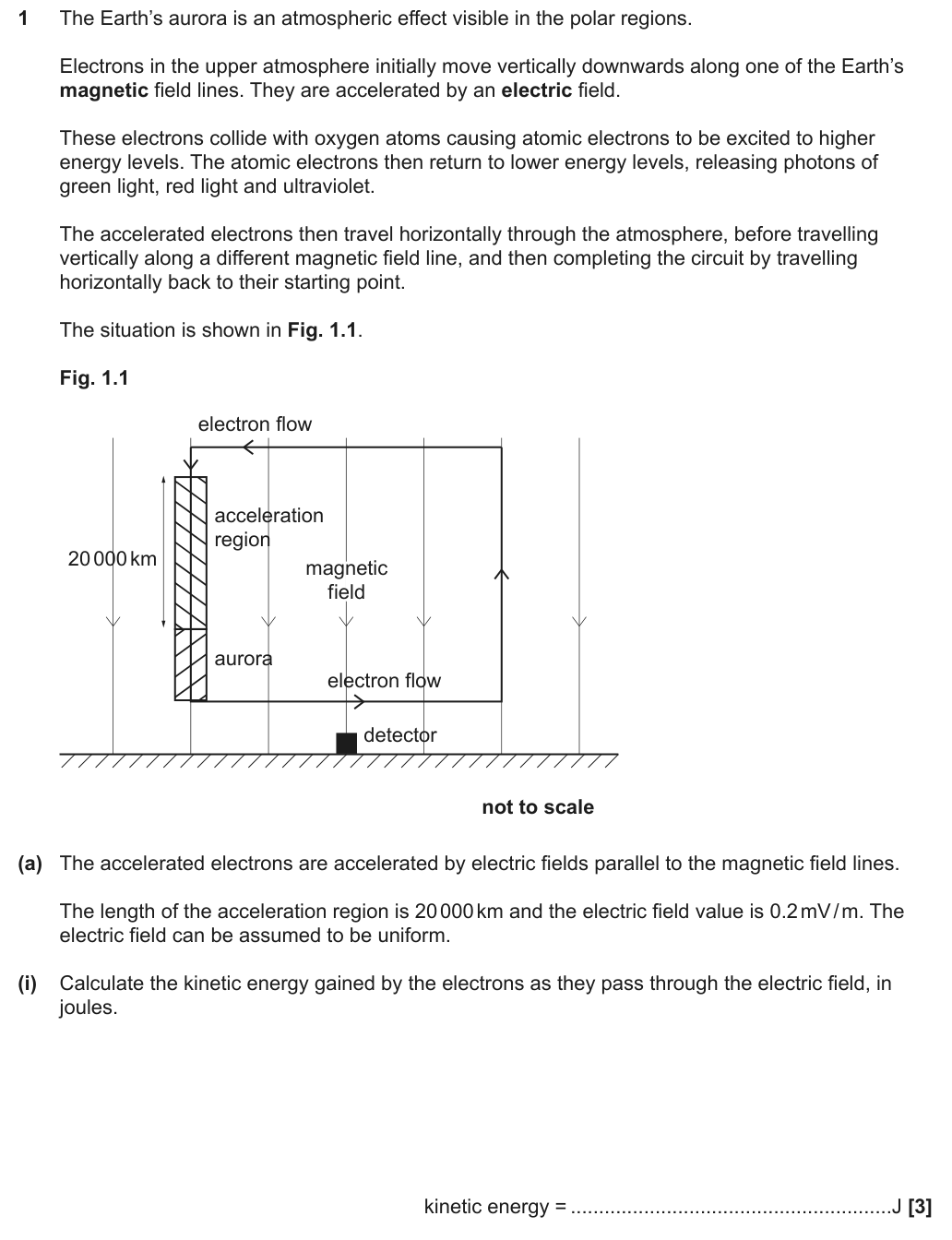
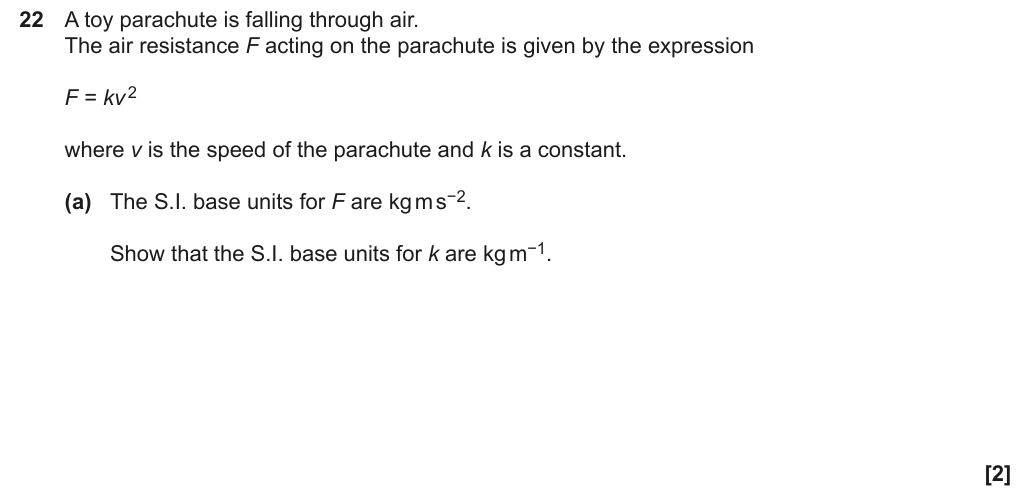
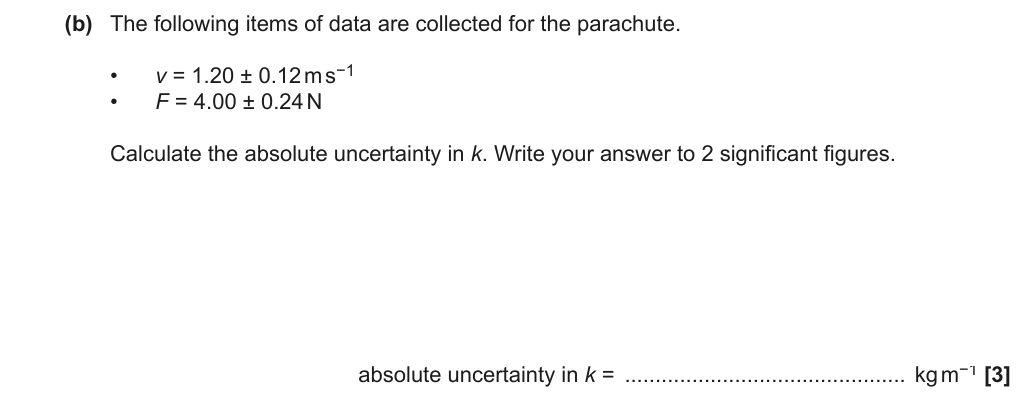
Skills: M0.1 Recognise and make use of appropriate units in calculations; M2.2 Change the subject of an equation, including non-linear equations; M2.3 Substitute numerical values into algebraic equations using appropriate units for physical quantities